

15 High-Margin Amazon Products to Test Before Listing
Fifteen Amazon product candidates are screened through current demand, fees, fulfillment, restrictions, claims, returns, and contribution before receiving a limited test.
High-margin products to sell on Amazon still leave acceptable contribution after product, shipping, and Amazon costs. Enough must remain for fulfillment, returns, and acquisition. They also need demand proof and a clear path through listing restrictions and product claims.
I ran niche-product and print-on-demand Shopify stores with one-time products. The supplier quote gave me the item price. Delivery and returns added costs outside that quote.
Use the 15 candidates below to build an evidence-backed shortlist. The completed record shows whether each idea can move forward.
Key takeaways
What makes an Amazon product high margin?
A high-margin Amazon product leaves acceptable contribution after every variable cost tied to one sale. The calculation includes the exact product, shipping, Amazon, fulfillment, return, and acquisition costs for one SKU. A high markup can still fail when any of those inputs erase the remainder. Gross margin subtracts the cost of goods sold from revenue and divides the result by revenue.
Our guide explains gross margin versus net profit. That first spread isn't your final business profit. Amazon referral fees, the fulfillment route, packed dimensions, weight, returns, and paid traffic all change what remains. Contribution is the amount left from one order after the variable costs in your worksheet. Net profit sits later because it also includes business expenses outside that order.
A positive estimate records one set of inputs on one date. Demand, listing eligibility, supplier quality, and future returns need separate proof. Together, those records determine whether an item is a viable high-margin candidate. This draft has no current product-level winner record. None of the 15 candidates has passed the test.
Run the Amazon Margin Reality Check first
The Amazon Margin Reality Check moves one SKU through six dependent decisions before you fund a test. Each step needs the record produced by the one before it,
- Eligibility and claims: Remove candidates that can't support a truthful listing.
- Demand: Save current buyer, competition, review, and return signals.
- Amazon fees: Estimate current costs for the exact SKU and route.
- Fulfillment and returns: Test delivery, packaging, support, and reverse logistics.
- Acquisition: Set the highest traffic cost the order can carry.
- Decision: Approve a small test, retest an input, or reject it.
Complete the checks in order because a failed condition makes later math irrelevant.
1. Clear eligibility, IP, and claim risk
Reject a candidate when its exact product, category, brand use, or listing promise can't clear the current account check. Start with the marketplace and destination where you plan to sell. Then match the intended category, brand references, materials, and claims to one SKU.
Supplier-direct fulfillment adds another current Amazon policy check. Amazon says the seller must be identified as the seller of record. The seller must also handle returns and customer service. Save the supplier agreement, package plan, invoice format, and return process before relying on that route.
Pause any health claim until evidence supports its exact wording. Compatibility, child use, pet safety, materials, and performance need the same product-specific support. A candidate moves on only after the listing passes. The copy must state what the item is without stretching what it does.
2. Separate demand from contribution
Demand evidence shows whether buyers want the product. Use the cost record to decide whether each order can remain profitable. Amazon's Product Opportunity Explorer groups product searches into niches and reports demand, competition, reviews, and return activity.
If a supplier ships to the buyer, check Amazon's current dropshipping policy. Review it before accepting the route. Search the exact product type and intended use. Record the marketplace, query, date, period, search volume, competing products, price range, review themes, and return reasons.
Our guide explains how to read high demand with lower competition. Use it only after separating opportunity from profit. The public page explains the method, but product-level results require Seller Central access. A review count or Portfolio screen can't fill that gap.
Use those signals to decide which SKU deserves a cost check. They don't establish the supplier quote, fees, return reserve, or acquisition cost that determines contribution.
3. Calculate current Amazon contribution
Use one dated worksheet to subtract every variable cost from the exact SKU's planned selling price. Enter the supplier quote, inbound or supplier shipping, current Amazon fees, fulfillment cost, return reserve, and acquisition-cost limit.
The order of those deductions matters less than completeness. Keep the source and date beside every input. A blank field means retest. Zero would claim the cost doesn't exist instead of marking it unknown.
I compare two candidates only after their records use the same rules. Each must cover the same marketplace, fulfillment route, destination, and costs. Otherwise, a missing expense can make one candidate look more profitable than it's likely to be.
4. Test fulfillment and return exposure
A fulfillment plan passes when the exact pack can arrive as described and come back at a cost the contribution can carry. Record packed dimensions, weight, dispatch time, delivery range, tracking, damage controls, support owner, return address, and refund process. Fulfillment by Amazon and seller fulfillment create different fee and operating records.
Supplier-direct shipping also leaves you responsible for the buyer-facing promise under Amazon's policy. Use current quotes and a packed sample. Do this when size, breakage, fit, hygiene, missing parts, or assembly can change returns.
The costly failure is often the return. Once an item comes back used, resale may be impossible. Reverse shipping can cost more than replacement, while support uses the rest of the sale.
5. Set an acquisition-cost limit
Your acquisition-cost limit is the most you can spend to win an order while preserving the contribution you require. Set it after product, shipping, Amazon, fulfillment, and return inputs have been deducted. This shows how much contribution remains available for traffic.
Traffic costs depend on the audience, creative, bid, conversion rate, and time window. Save those assumptions with the SKU record, then measure the same fields during the test. Raise the limit only when a current input improves and the worksheet is recalculated.
Start with one traffic source and one clear offer. Set the stop point before launch. Otherwise, a poor result can grow into larger spend while you search for an explanation.
6. Approve, retest, or reject
Approve the smallest viable test only when every required field has current support and no stop condition remains.
Use these three outcomes,
- Approve: Every required field passes, so define a limited test.
- Retest: One variable answer can be replaced soon, such as a new supplier quote or packed measurement.
- Reject: The item depends on an unsupported claim, copied design, unavailable document, or cost structure that can't work.
Write the decision and its reason in the record. That makes a later review about changed evidence instead of memory. A rejected item may send you back to discovery. Use our full product-research workflow for that step.
For a small test, name the order limit, time window, and result that ends it. A retest should name the one missing field and its owner. A rejection needs a short reason so the same flaw doesn't return in another product.
Calculate contribution before calling it high margin
Calculate contribution with a current Amazon estimate and a complete variable-cost worksheet for one SKU. Amazon's fee-estimation guide says the Revenue Calculator can define a product by dimensions, weight, category, price, and shipping charges. It also compares Amazon fulfillment with your fulfillment.
Use one row per variable input and keep the source beside it:
Changing the bundle, dimensions, weight, destination, price, or route creates a new estimate. The worksheet shows which route the order can support. Then use our guide to choose an Amazon fulfillment route.
15 Amazon product candidates to validate
Treat all 15 named product candidates as leads that still need current evidence. These 15 products remain research candidates for different reasons, and none has passed without a current SKU record. Use this map to see why each candidate remains in the article,
- Orthopedic pillow: Differentiated comfort shape with bulky-return risk.
- Wireless slimming belt: Wide apparent spread with severe claim risk.
- Posture corrector vest: Simple wearable with fit and wording risk.
- Acne removal tool set: Compact kit with hygiene exposure.
- Eyebrow pencil: Small repeat-use cosmetic with shade returns.
- Magnetic false eyelashes: Demonstrable beauty accessory used near the eye.
- Silicone pet AirTag holder: Light compatibility accessory with brand confusion.
- Pet rolling bag carrier: Higher-ticket carrier with costly reverse shipping.
- Interactive pet chew toy: Clear use case with ingestion risk.
- Pendant necklace: Giftable customization with material and IP questions.
- Stainless steel bracelet: Compact gift with sizing and disclosure risk.
- Magnetic starry-sky watch: Visual fashion item with defect risk.
- Bottle twist cover cap: Replacement accessory with exact-fit demands.
- Baby silicone shampoo brush: Low-price accessory under child-use scrutiny.
- Marble run building blocks: Bundleable toy with documentation demands.
Every entry below applies the shared demand, price, quote, packed size, fee, fulfillment, return, acquisition, eligibility, and claim fields. Its product-specific evidence decides whether to run a small test, retest, or reject. No candidate advances on a screenshot alone.
1. Orthopedic pillow
An orthopedic pillow is worth screening for its differentiated shape. It's best suited to a seller who can verify the exact foam and packed size. The buyer wants a comfortable sleep product with a clear size and firmness choice. Compression can reduce outbound size, but the expanded pillow may be expensive to return.
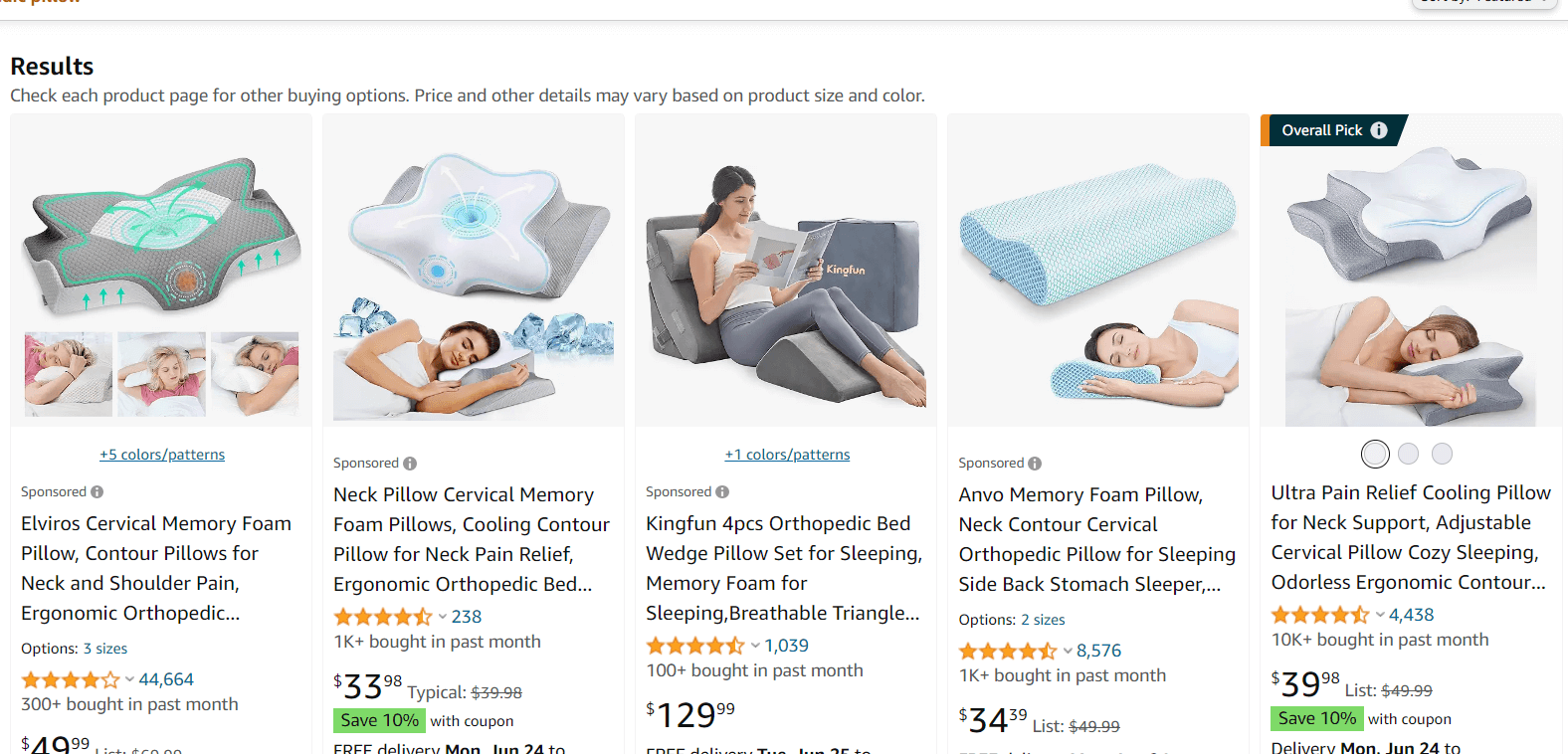
Skip suppliers that won't document density, dimensions, cover material, odor handling, and recovery after compression. The word "orthopedic" also invites medical-sounding promises, so keep the listing to supported comfort, material, and design facts. Poor fit and comfort complaints are the main drawback.
This candidate remains at retest because no exact SKU has demand, fee, or return evidence. Save comfort and return themes from Product Opportunity Explorer. Then run the packed size, weight, category, price, and route through the Revenue Calculator before ordering a sample.
2. Wireless slimming belt
A wireless slimming belt fits only a seller with complete electrical records. It also needs a useful non-health positioning angle. Buyers may understand the format quickly, but the promised outcome often carries the sale. A wide supplier-price spread doesn't resolve electrical or weight-loss claims.
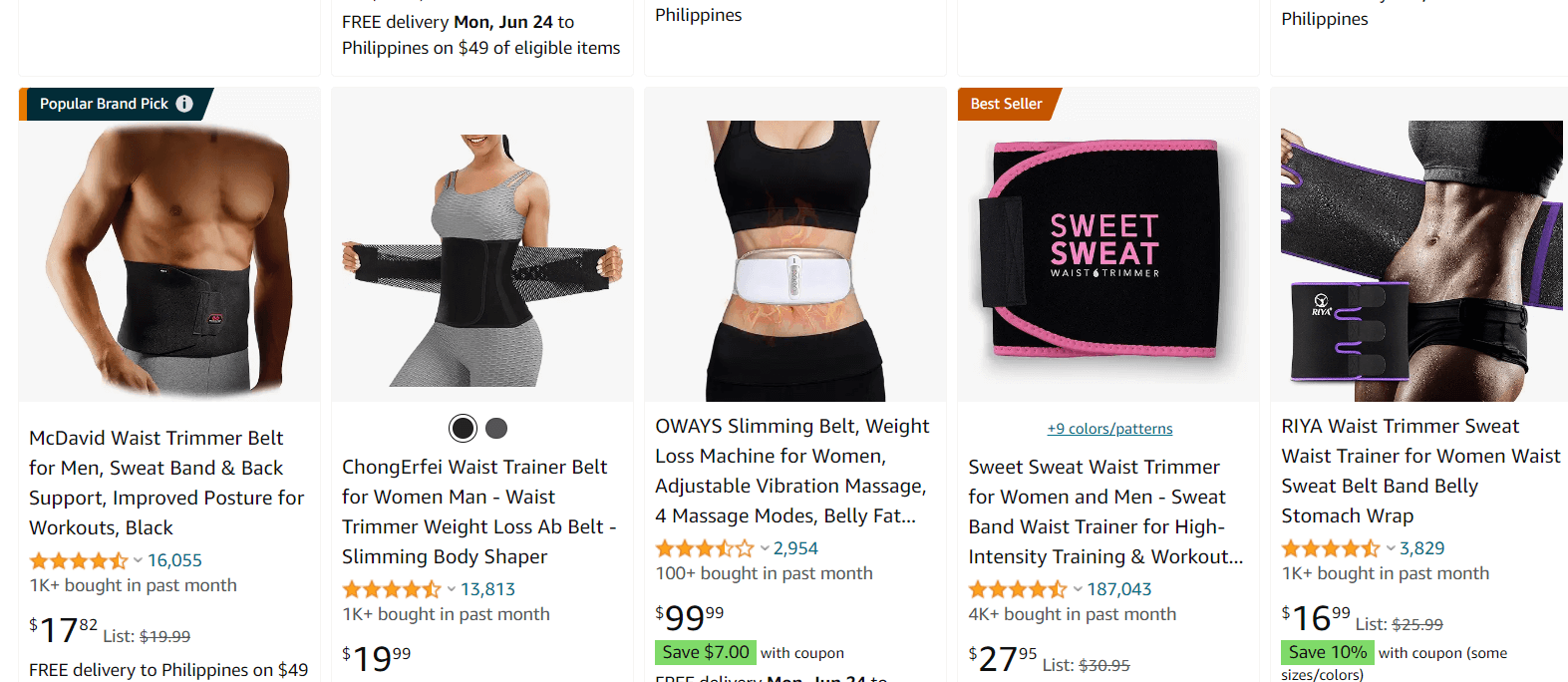
That promise creates the poor fit. Reject any version that needs fat-loss, muscle-toning, pain, or therapy language you can't substantiate. Battery details, charging parts, heat, skin contact, failure rates, and disposal also affect the record. Returns can erase the apparent spread when the product feels weak or arrives dead.
This candidate stays in reject unless those documents and a truthful use case exist. A later retest needs category eligibility, Product Opportunity Explorer demand and return signals, a complete sample inspection, and an exact fee estimate.
3. Posture corrector vest
A posture corrector vest suits a seller who can document its sizing. The listing must describe support without promising to correct a condition. It's included because the wearable has an obvious use and can be shown without complex setup. A clear size chart and adjustable design may give a listing room to differ.
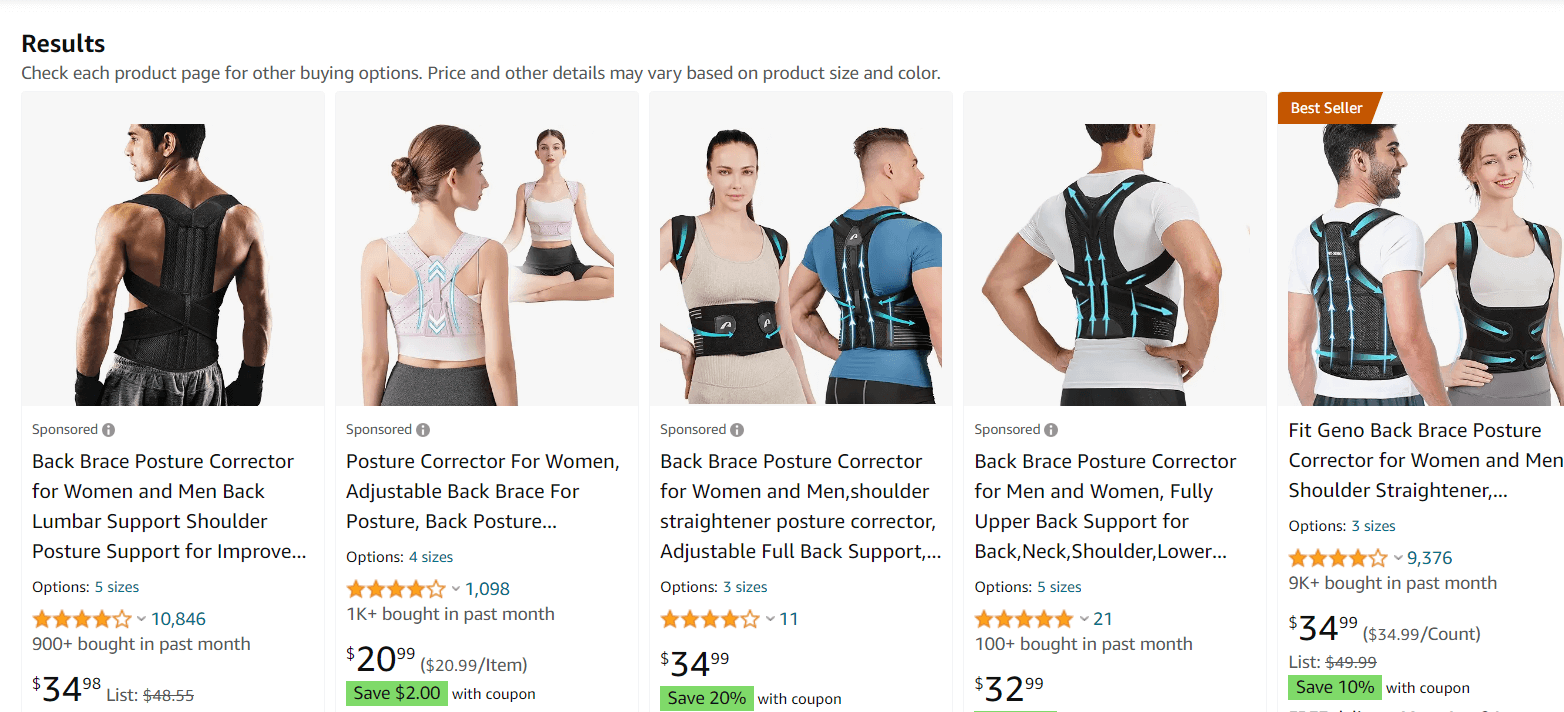
Fit drives the poor-case result. The product can rub, restrict movement, show under clothing, or feel unlike the buyer expected. Corrective, pain-treatment, or prevention claims add a second reason to reject it. Measure each size and inspect seams, fasteners, materials, and care instructions on the exact sample.
The verdict is retest because no SKU record supports demand or contribution. Save return reasons and buyer language from the Amazon niche record. Price the heaviest packed size, then approve only a non-medical listing with a return reserve.
4. Acne removal tool set
An acne removal tool set earns a screen as a compact bundle. It's best for a seller with traceable materials and a hygiene-safe return plan. Different tool shapes and a storage case can make the offer easy to compare. The buyer expects clean, intact tools and clear use boundaries.
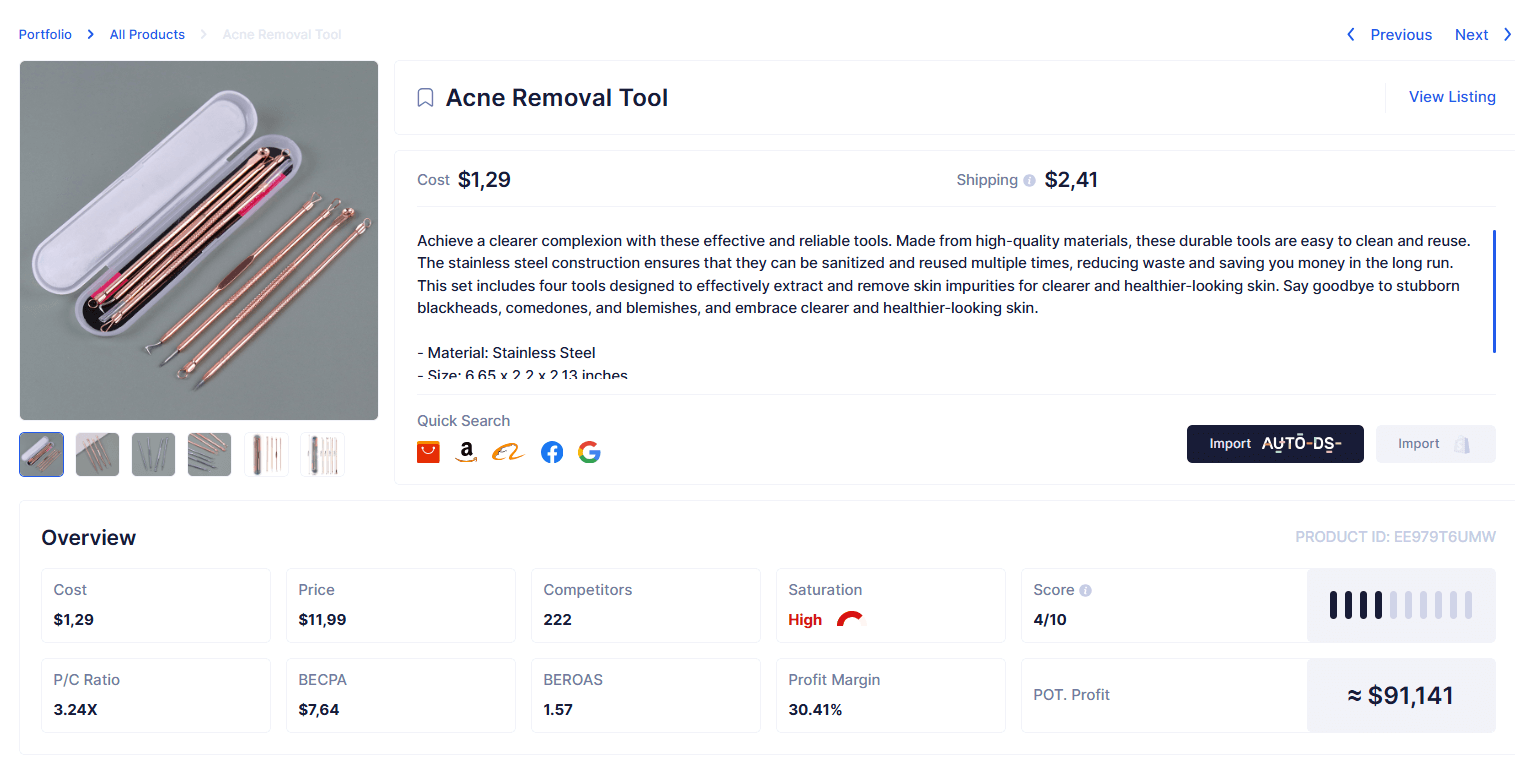
Treatment and infection claims make this a poor fit for casual sourcing. Inspect surface finish, edges, corrosion resistance, packaging seals, cleaning instructions, and supplier traceability. A returned kit may be unsuitable for resale, so the worksheet needs a full-loss reserve rather than an optimistic restocking assumption.
The evidence status is retest because no exact set has demand, eligibility, or fee inputs. Use the Amazon niche record to save bundle preferences and return complaints. Then select one set, document every material and included piece, and calculate contribution with its real pack.
5. Eyebrow pencil
An eyebrow pencil is a compact repeat-use candidate. It fits a seller who can support every ingredient, shade, and label detail. Buyers choose it for color, tip format, wear, and application. Small packs may help fulfillment, while shade options can widen the listing and inventory burden.
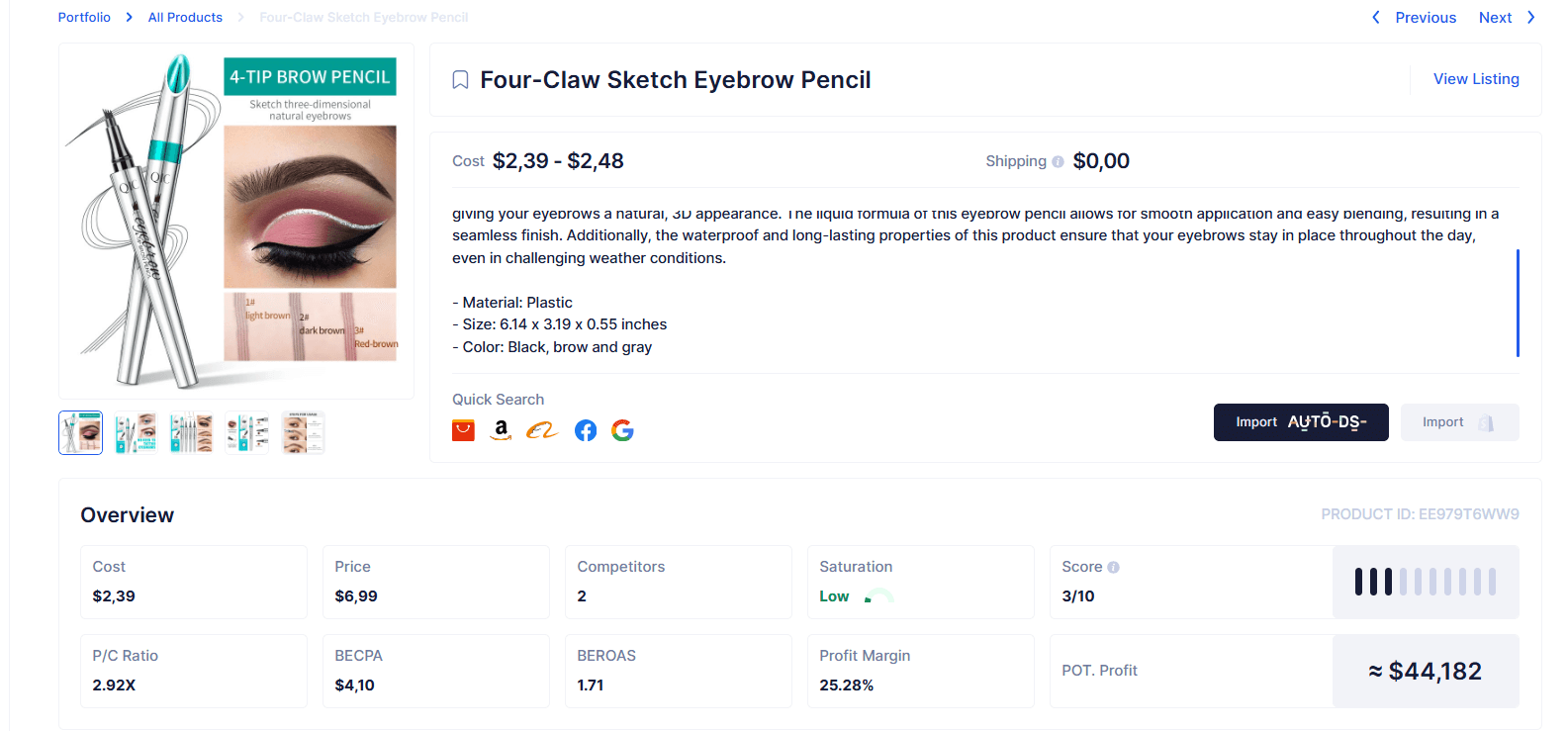
Missing cosmetic documentation makes the product a poor fit. Shade mismatch, broken tips, dried product, skin reactions, and hygiene returns can create costs that a low selling price can't absorb. Keep wear or waterproof claims out unless the exact product has evidence for the wording.
This item remains at retest because the shortlist has no exact formula, shade plan, demand record, or fee estimate. Save search and return patterns by pencil type. Test one small shade range, match its label to the supplier file, and reserve for unsellable returns.
6. Magnetic false eyelashes
Magnetic false eyelashes deserve a screen for their visible application difference. The seller must verify every eye-area material and instruction. The best fit is a tightly defined set whose band, magnets, applicator, and case match the listing. A short demonstration can show the method without promising a performance result.
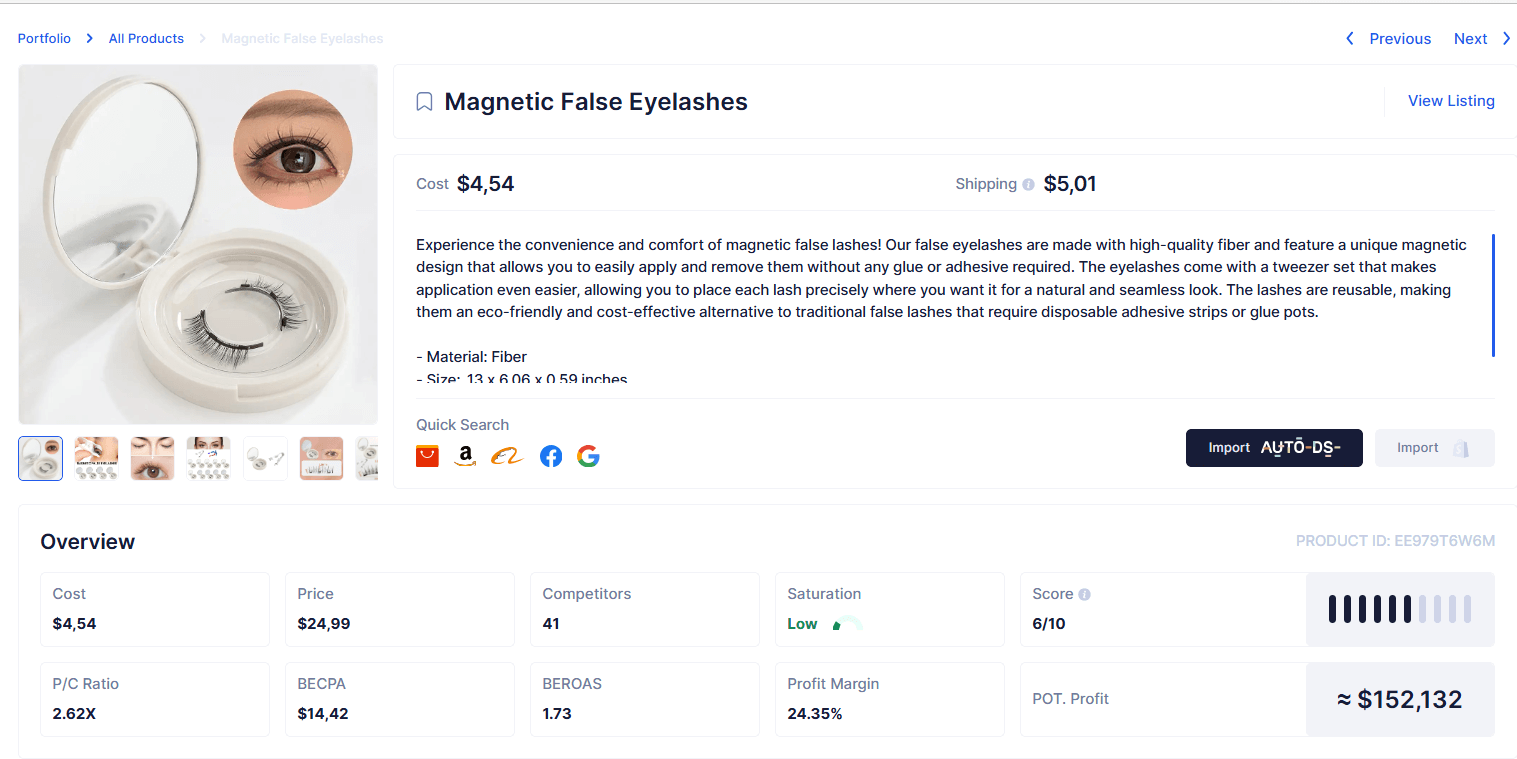
Eye-area use raises the downside. Poor magnet hold, sharp bands, skin reactions, missing pieces, and unclear reuse guidance can produce returns or complaints. Skip vague material files and suppliers that change set contents. Any safety, longevity, or ease claim needs support from the exact sample.
The status is retest because SKU evidence for demand, eligibility, fees, and returns is missing. Save complaint themes by set style, inspect every included part, and calculate the pack with a hygiene-return reserve.
7. Silicone pet AirTag holder
A silicone pet AirTag holder fits a seller who can market a light collar accessory. The listing can't present the holder as a tracker. It's included because the use is easy to grasp and the pack should be compact. The buyer needs an exact collar fit and clear notice that the tracking device is separate.
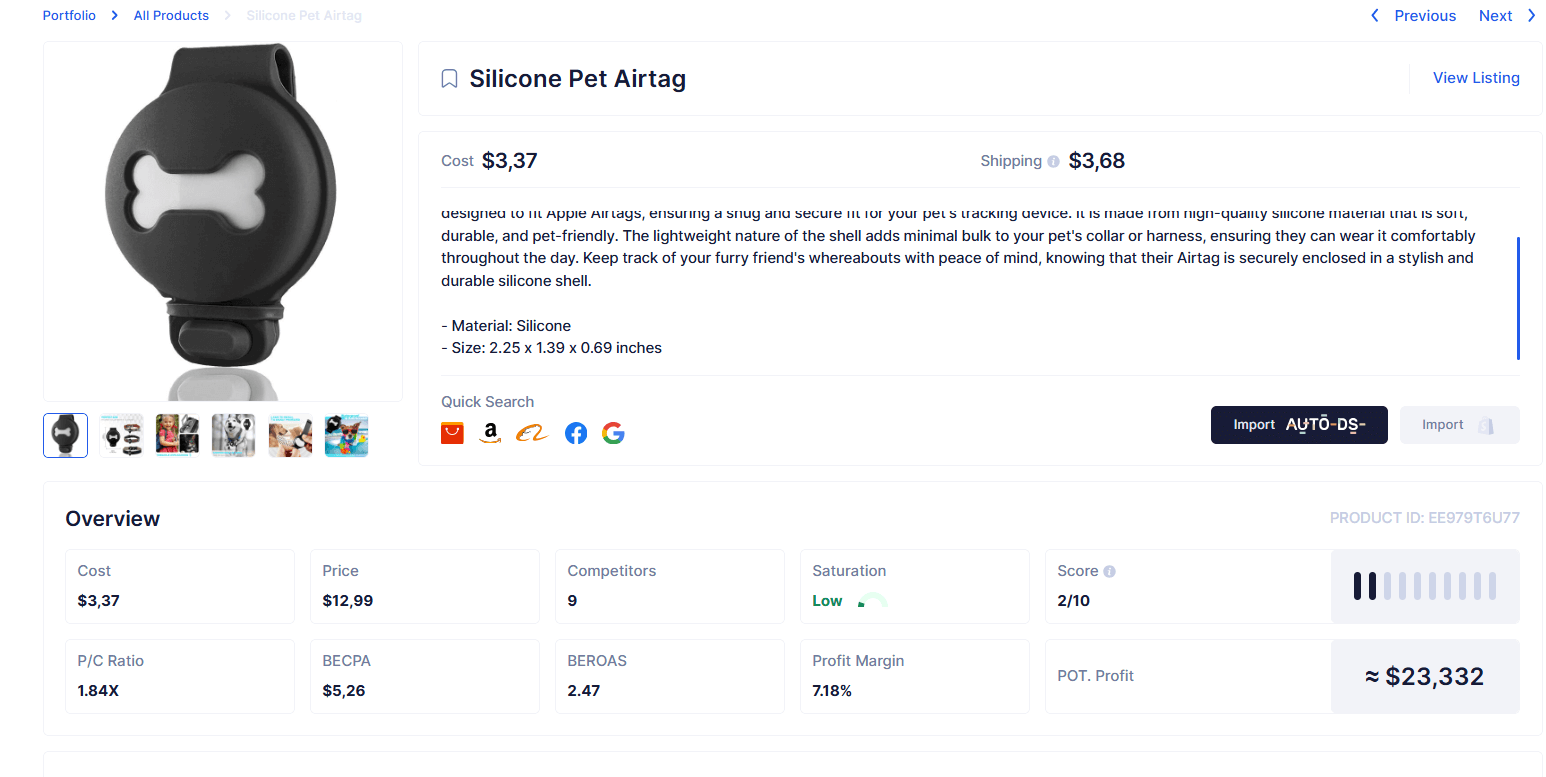
Brand and compatibility language create the main drawback. State which device size the holder fits, avoid implying Apple affiliation, and never show tracking performance as a feature of the silicone part. Weak retention, chewing, tearing, and discomfort also need sample checks. A loose holder can fail at the only job the accessory performs.
The record stays at retest without demand, IP, material, fee, and return evidence. Check compatibility complaints for the exact holder style. Then pull-test the sample on every stated collar size and price the listing without the tracker.
8. Pet rolling bag carrier
A pet rolling bag carrier suits a seller prepared to verify animal fit, ventilation, and wheel performance. The seller must also plan for expensive reverse logistics. It's included because a wheeled carrier serves a clear travel use and may support a higher selling price. The best fit has one defined animal-size range and a complete packed measurement.
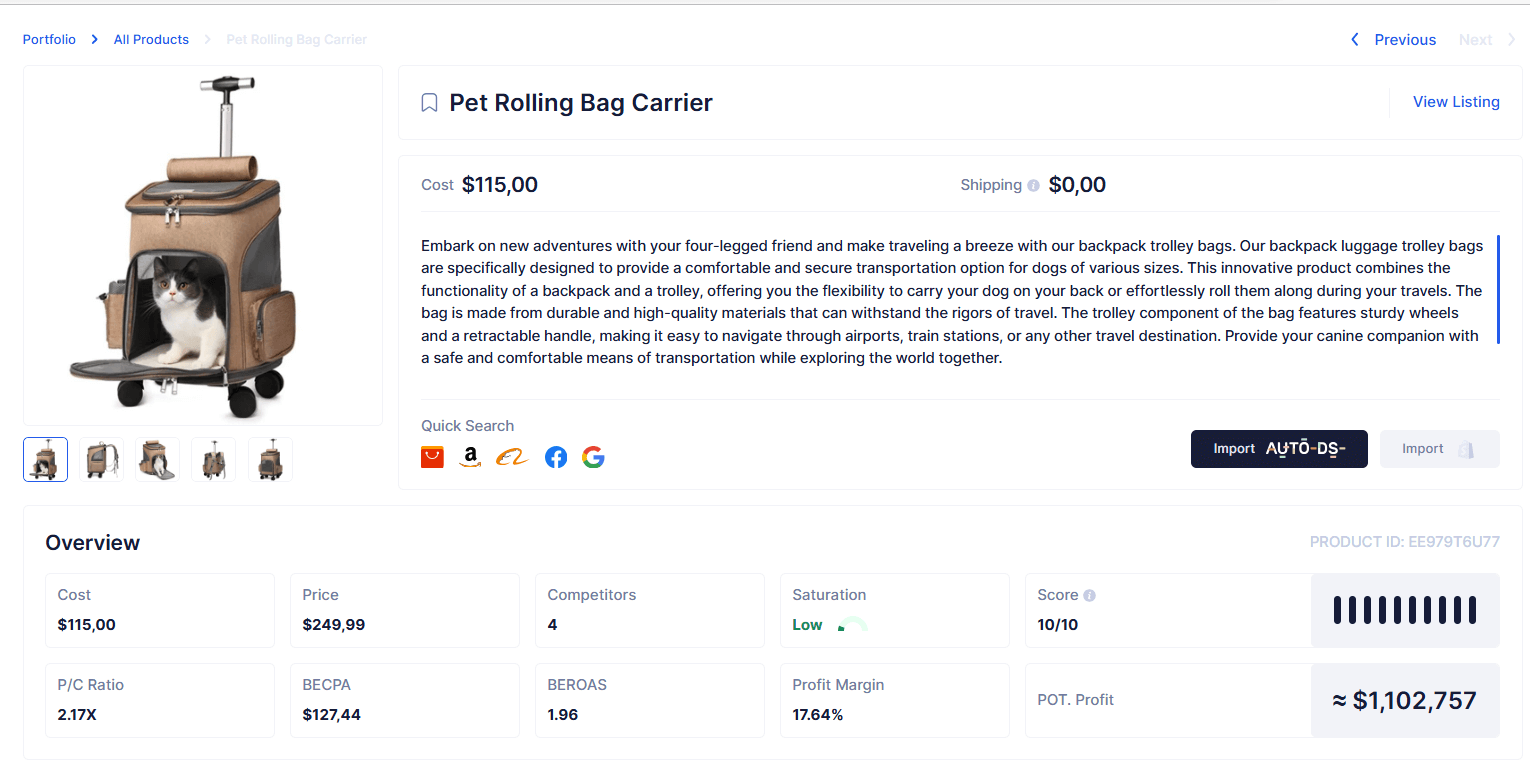
Untested weight limits or vague cabin-travel claims make it a poor fit. Inspect zippers, mesh, floor support, handle, wheel noise, stability, folding points, and instructions. The box can attract dimensional costs, while a used carrier may be difficult to resell. Comfort and escape complaints raise the stakes beyond cosmetic defects.
Retest is the only supportable verdict because the exact carrier lacks a complete Amazon record. Save return reasons by size, weigh the packed sample, and compare both fulfillment routes before setting a price.
9. Interactive pet chew toy
An interactive pet chew toy is worth screening for a familiar use. It's best handled by a seller with material and durability evidence for one species and size. The buyer wants play or engagement, while the listing must set realistic supervision and replacement expectations.
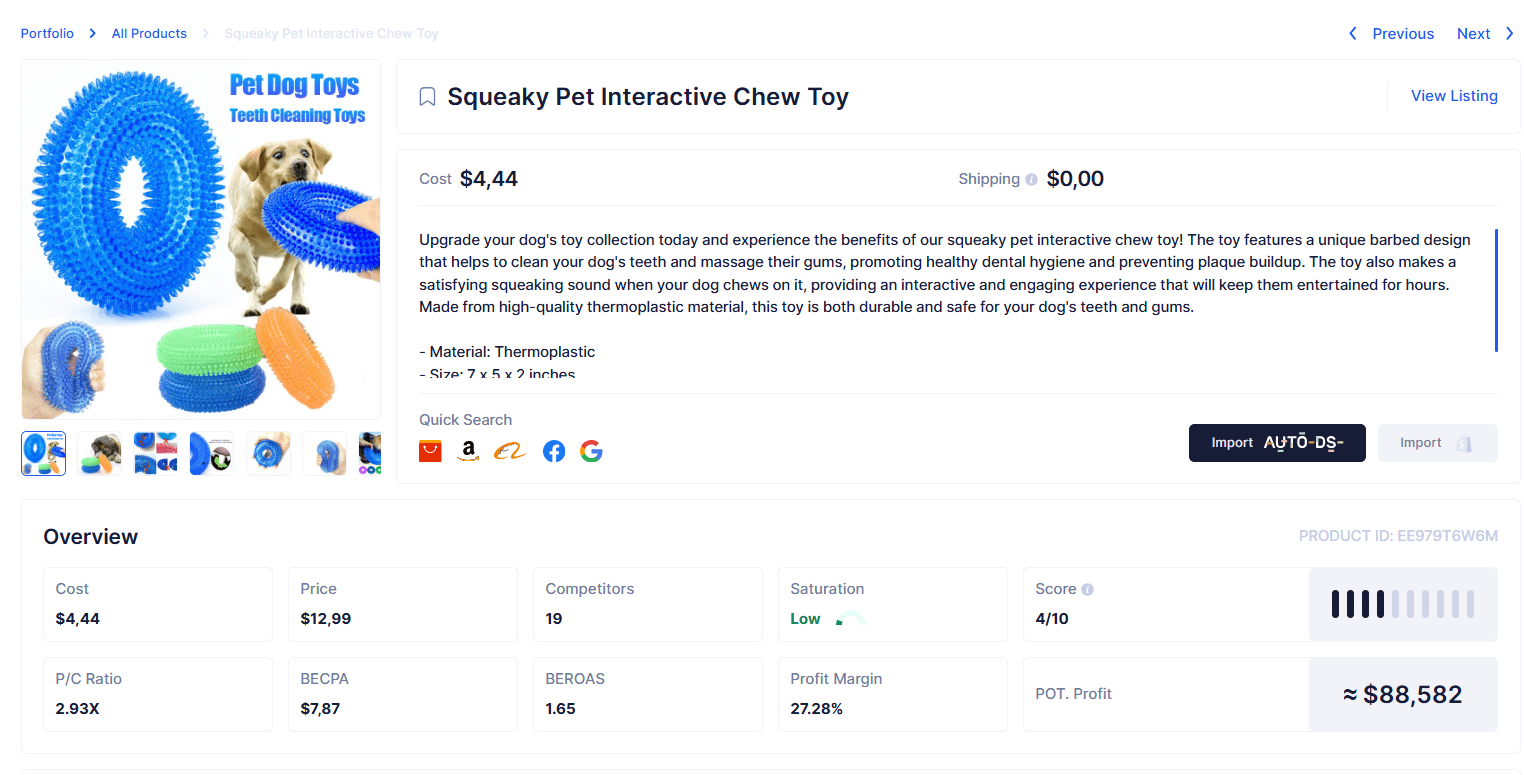
Unverified chew resistance makes the product a poor fit. Pieces can break, detach, or be swallowed, and a design suitable for one animal may fail for another. Inspect material records, seams or joints, loose parts, cleaning directions, odor, and wear after repeated use. Avoid dental, behavior, health, or indestructible claims without direct proof.
The status is retest because the exact toy lacks demand, return, safety, and fee evidence. Search the narrow toy type and species in Product Opportunity Explorer. Then run a supervised durability check and reserve for products that can't be resold after return.
10. Pendant necklace
A pendant necklace is a light, giftable customization candidate. It fits a seller who can prove the design source and every material disclosure. The strongest fit is an original pendant or licensed design with clear chain length, finish, plating, and packaging. Personalization can distinguish the offer, but it adds proofing and remake work.
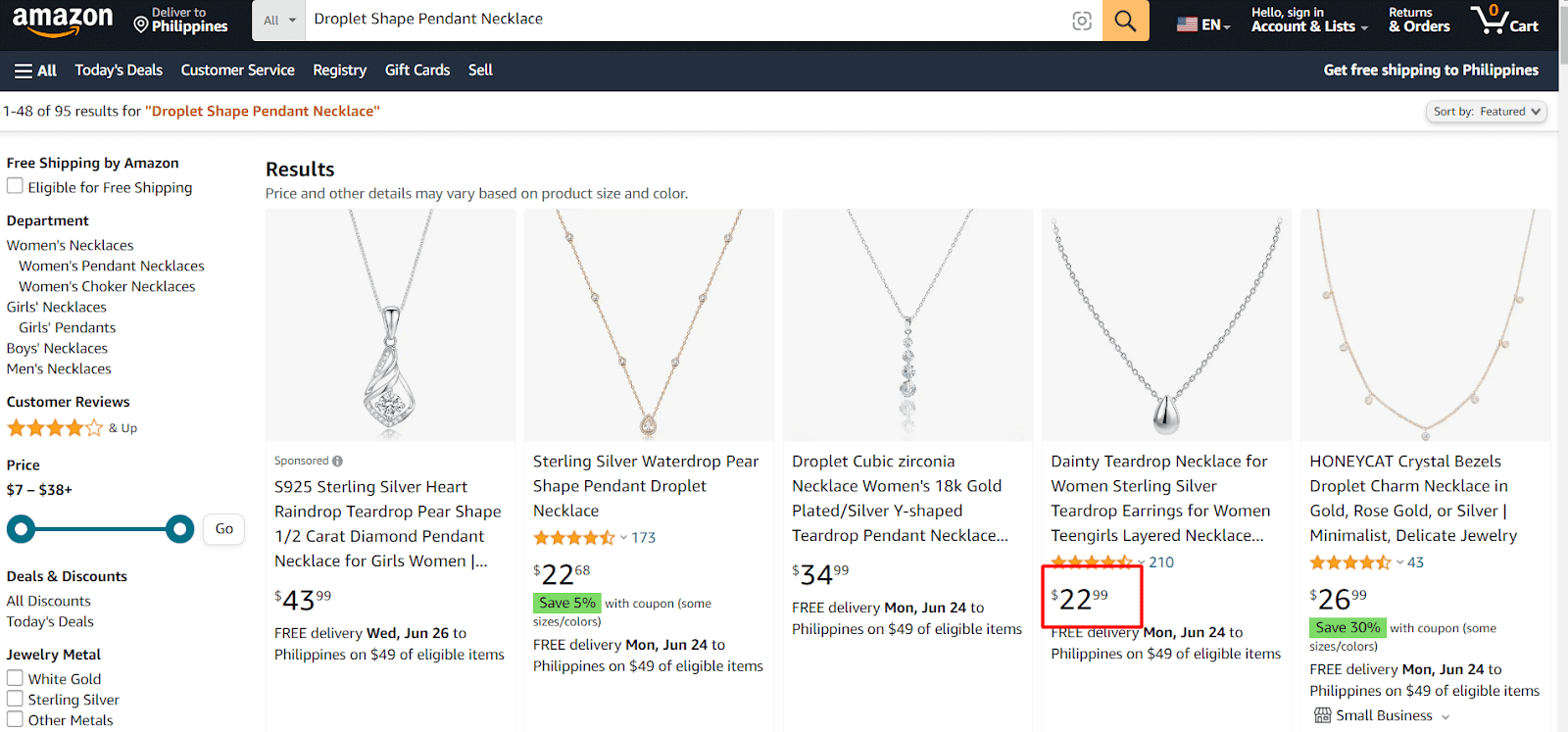
Copied symbols, vague metal names, weak clasps, tarnish, and skin complaints create the poor fit. Inspect the chain, closure, engraving, finish, gift box, and after-wear appearance. Personalized returns may have little resale value, so mistakes need their own cost line.
This candidate remains at retest because no exact design has demand, fee, material, IP, or return evidence. Save gift and material search signals, document ownership, and price one complete packaged version.
11. Stainless steel bracelet
A stainless steel bracelet fits a compact gift offer. The seller must verify material, sizing, finish, and design ownership. It earns inclusion through simple fulfillment and an easy-to-show style choice. The best fit uses an accurate size range and a design that doesn't borrow another brand's visual identity.
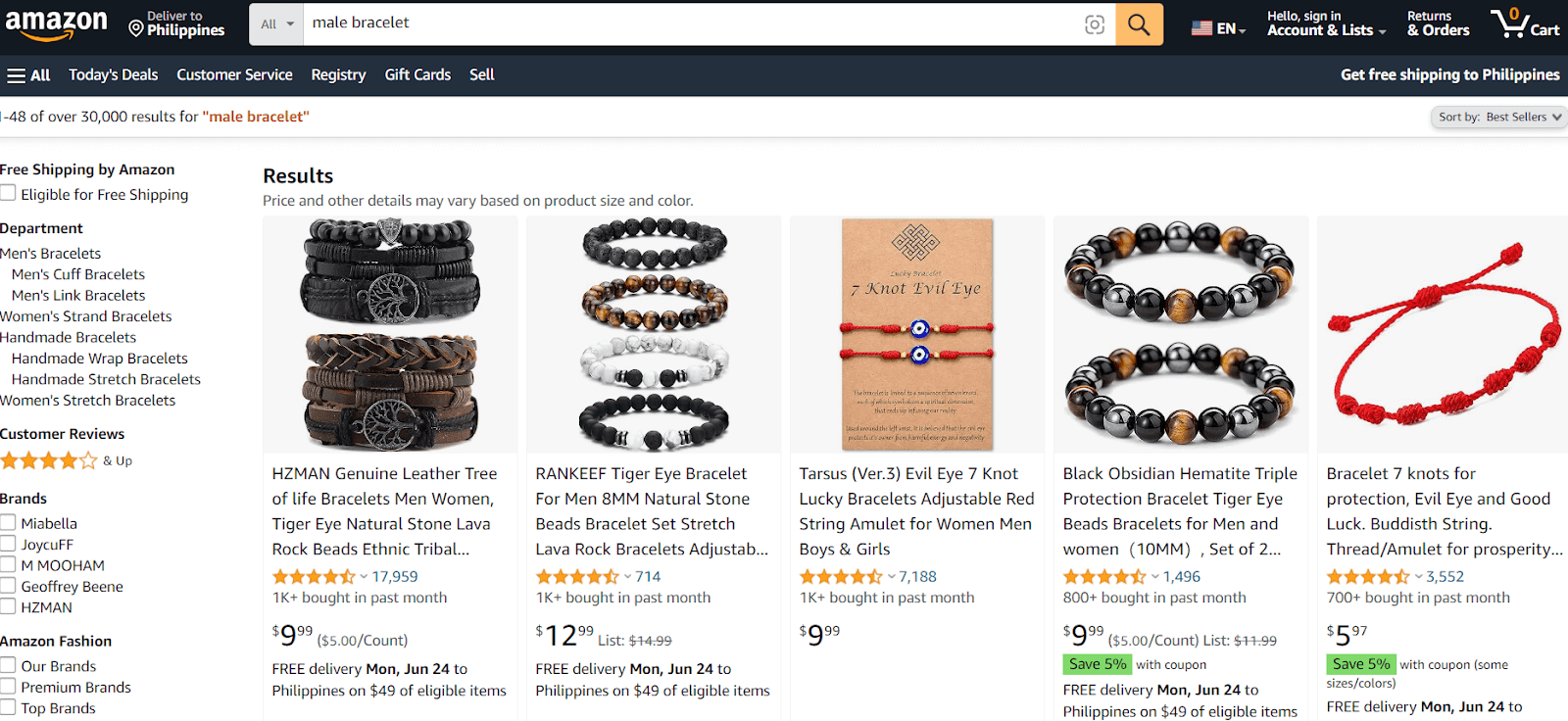
Missing material evidence or a brand-like pattern makes it a poor candidate. Sizing errors, clasp failures, scratches, color change, and skin complaints can drive returns. Inspect links, edges, closure force, measurements, plating, packaging, and wear over time. A low unit cost doesn't make those complaints cheap to resolve.
The exact bracelet still needs demand, fee, IP, and return records. Search by style and buyer use, then run the packaged size through the calculator. Approve only after a wear test supports the listing details.
12. Magnetic starry-sky watch
A magnetic starry-sky watch is a visual fashion candidate. It fits a seller who can verify the movement, battery, materials, and original design. The face and strap can create a gift angle without a complex explanation. A compact box may help shipping, but the product adds more failure points than plain jewelry.
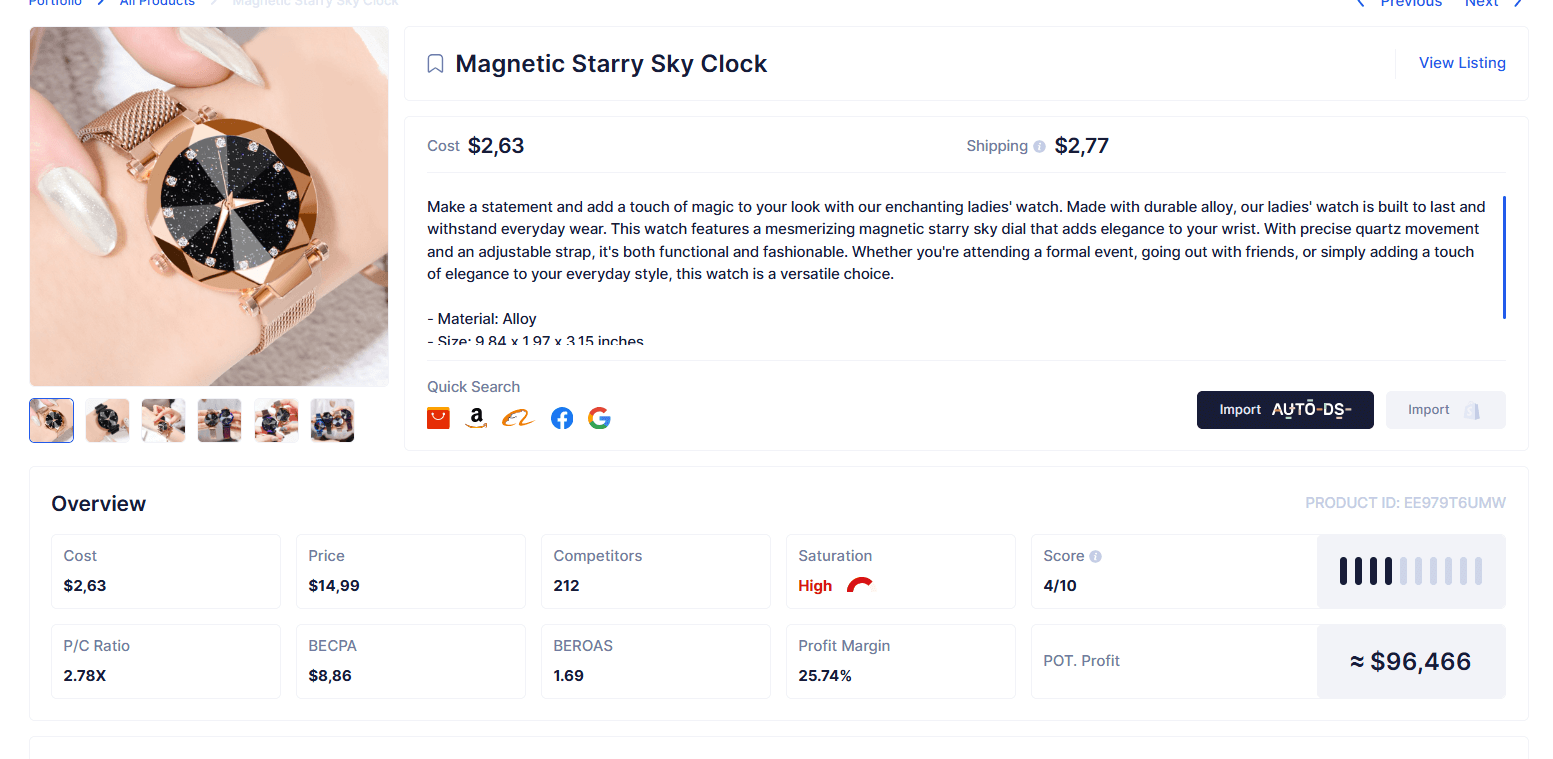
Lookalike branding or untested battery details make it a poor fit. Timekeeping errors, dead batteries, weak clasps, scratched faces, inaccurate materials, and water claims can turn into returns. Inspect the exact movement, battery access, strap, closure, finish, instructions, and packaging.
The record is retest because no SKU has catalog, demand, fee, IP, battery, or defect evidence. Compare return language for the exact watch style, then calculate contribution with a defect reserve. Reject any supplier that can't identify the movement or battery.
13. Bottle twist cover cap
A bottle twist cover cap earns a screen as a small replacement accessory. It's best for a seller who can prove exact bottle fit. Buyers want a missing, worn, or inconvenient part replaced without buying another bottle. A precise compatibility chart can give the listing a reason to exist.
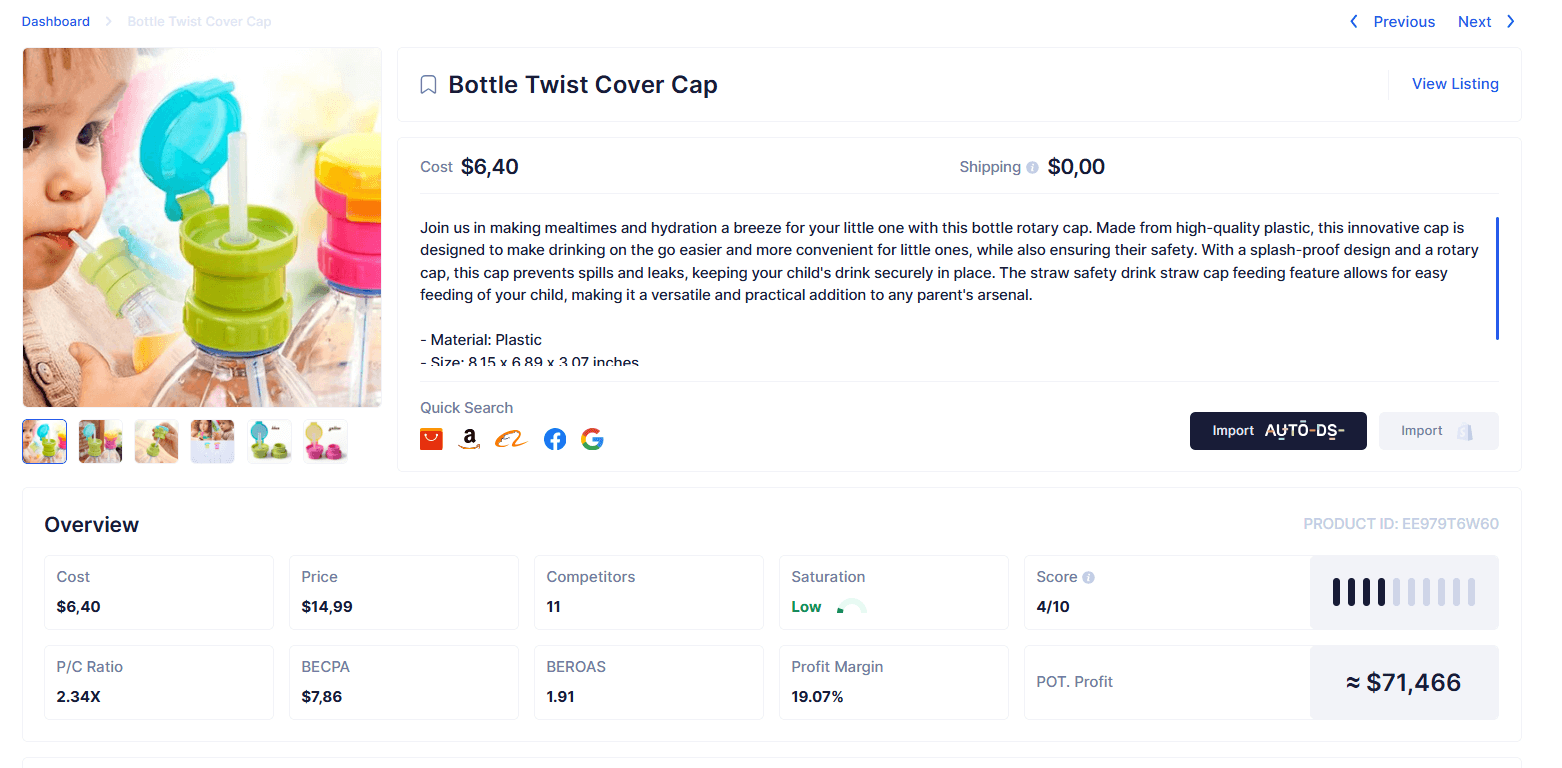
An implied universal fit makes the product a poor choice. Thread size, seal shape, straw diameter, material, taste, cleaning, and included pieces all affect whether it works. Leakproof and food-contact statements need evidence for the exact version. Misfit and leaks can consume the contribution through refunds.
The cap remains at retest because exact compatibility, demand, fee, material, and return evidence is missing. Measure the target bottle models, inspect the seal after repeated use, and price one clearly defined compatibility group.
14. Baby silicone shampoo brush
A baby silicone shampoo brush suits a seller with complete product evidence. That record must cover its material, age, instructions, and packaging. It's included because the bath use is simple and the product may pack small. The best fit gives the adult a clear grip and keeps every claim limited to observable product features.
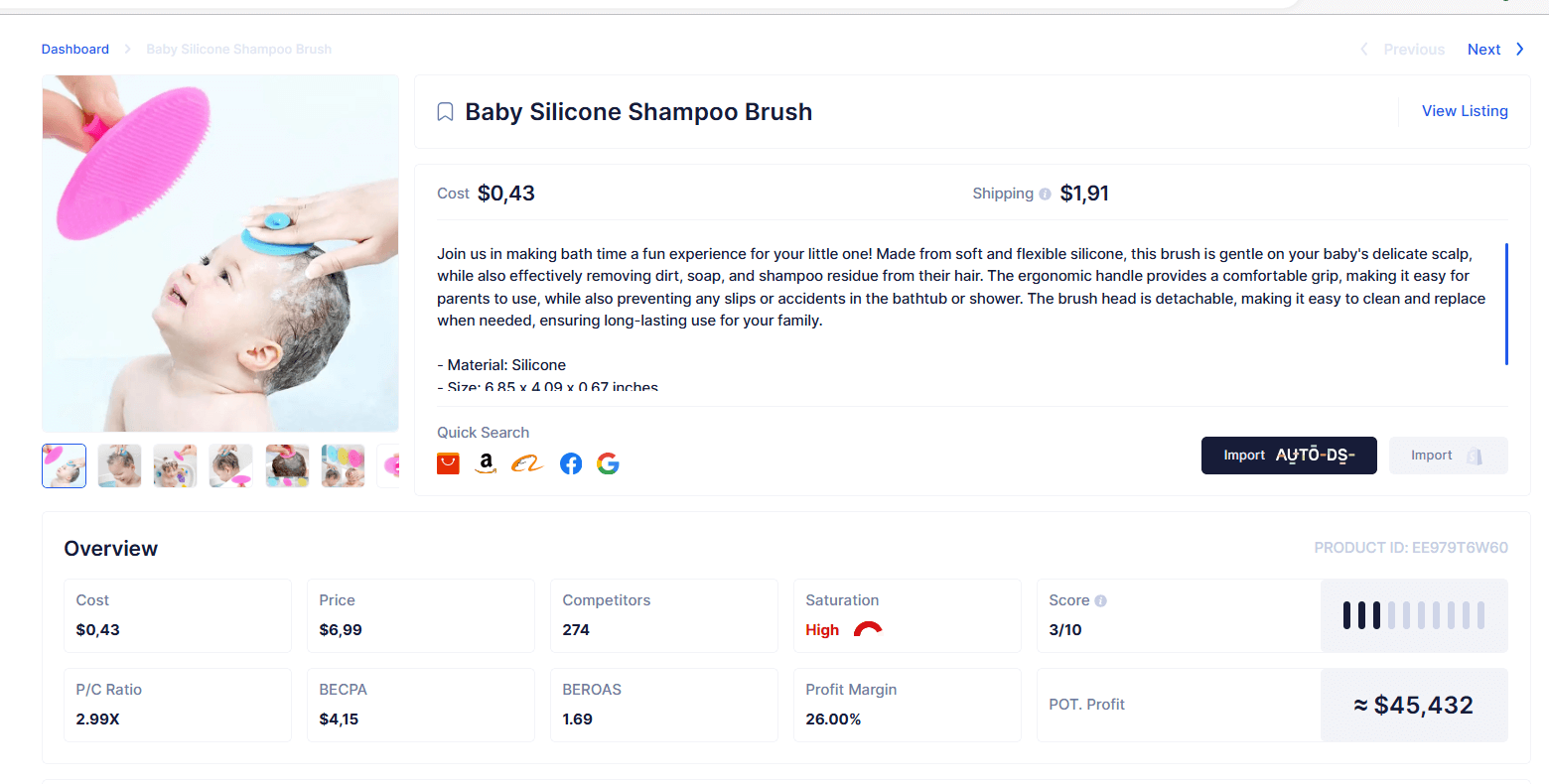
Unsupported baby-safety language makes it a poor fit. Loose parts, rough edges, weak handles, trapped water, odor, material questions, and unclear age grading all require inspection. A low sale price also leaves little room for Amazon fees, acquisition, or an unsellable hygiene return.
The decision is retest because no exact brush has eligibility, demand, safety-file, fee, or return inputs. Review the narrow product record, match every document to the model, and reject it if one full-loss return breaks the planned contribution.
15. Marble run building blocks
Marble run building blocks fit a bundle strategy only with a complete product record. The seller must document age grading, every piece, materials, instructions, and the packed set. The kit is included because different layouts can support a clear play demonstration. A complete, original set may differ through piece count and build quality.
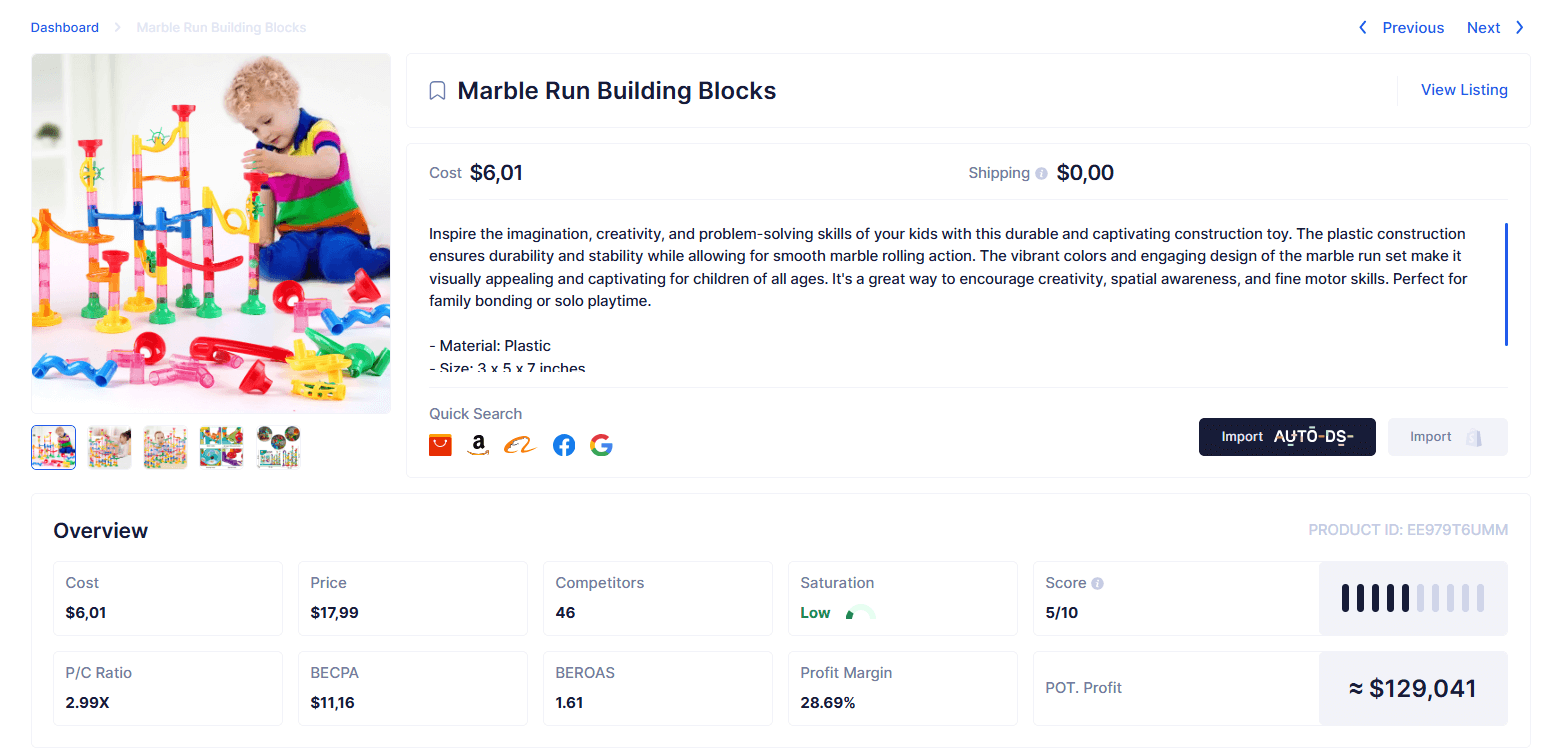
Missing toy records or small-part controls make it a poor fit. Lost pieces, cracked connectors, confusing instructions, copied designs, weak packaging, and age mismatch can drive returns. Larger bundles can also add dimensional cost, while a single missing part can spoil the whole gift.
This candidate lacks demand, category, safety, fee, dimension, and return evidence. Save the exact age and piece-count signals, count and test a sample, and price its real box. Retest after any bundle change because the pack and evidence both change.
Reject the product when its promise breaks
Reject a candidate when it needs an unsupported health, safety, compatibility, performance, or brand promise to sell. The same verdict applies when expected returns or fulfillment leave too little contribution for the test. Product pages set expectations, and weak evidence turns those expectations into support work, refunds, listing risk, or unusable stock.
A good sample proves only what arrived from one supplier at one time. Keep checking the supplier's stock, quality, documents, packaging, and promised variant. A material, bundle, destination, listing, route, or fee change requires a new record.
Keep failed records as well as passed ones. They show which supplier, claim, or cost already broke the idea. That history saves you from repeating the same test after a listing or quote changes.
Using the decision rule above, I would start with the smallest candidate that clears every field. A riskier item can wait even when its apparent markup is wider. Choose one SKU and one marketplace. Fund the minimum inventory or traffic needed to test the written demand and contribution assumptions, then stop if either fails.
FAQ
Which costs decide an Amazon product's real margin?
Product cost, shipping, Amazon fees, fulfillment, returns, and acquisition costs decide the order's contribution. Net profit also accounts for business expenses outside the individual order.
Does high demand make an Amazon product high margin?
High demand doesn't make an Amazon product high margin because demand says nothing about the costs of serving each order. The same item can attract buyers and still lose contribution after fees, returns, and traffic.
Can I sell a restricted product category on Amazon?
You can list a category or product only when the current marketplace and your account allow the exact offer. Check the category, product, brand, fulfillment route, and planned claims before sourcing.
What should rule a candidate out before an Amazon launch?
Reject a candidate with unresolved eligibility, claim, IP, safety, demand, supplier, fee, fulfillment, return, or acquisition evidence. Retest only when a specific missing input can be replaced with a current record.


