

Home Decor Dropshipping Suppliers and Products
Compare ten home-decor products and five supplier roles, then test finish, packing, breakage, shipping, returns, and full order cost.
Start with compact, low-fragility decor and test the exact supplier listing before launch. This guide pairs home decor dropshipping suppliers with products to sell after that test.
In my Shopify work, supplier errors reached buyers as store errors. That changed how I chose and checked each product.
The listing is only the start of what your buyer gets.
Treat every pairing as unverified until it passes a sample and live order. This review checked official pages on September 7, 2026.
Key takeaways
Which home decor products and suppliers should you test?
Test compact, low-fragility products first. Then match each one to a supplier route for your destination. Throw-pillow covers, wall art, curtains, and fake plants can be easier to check than powered or breakable decor.
The full product covers the item, parcel, delivery, support, and return experience.
For a first store test, I'd choose a pillow cover or unframed print before powered decor. Both are easier to inspect and explain on the product page.
Using the same fields for every supplier stops missing facts from looking favorable. Record the supplier business identity, route, item, origin, destination, timing, packaging, and fees. Every card needs a source date and an unresolved-evidence field. Add the minimum order quantity (MOQ), returns, and blind-shipping confirmation.
Use our guide to find dropshipping suppliers for the first candidate list.
Our live Dropship.io page carried all 10 groups on September 7, 2026. Use that only as refresh provenance. Demand still needs its own current proof before you buy traffic.
Printify's current home and living catalog also listed pillows, wall art, candles, rugs, and curtains on that date. The other five remain untested editorial hypotheses until an exact listing passes the checks below.
10 home decor products to dropship
Pillow covers and unframed wall art are the simplest starting points, while powered and fragile items need tighter checks.
Use handling risk to choose which product earns a sample,
- Throw pillows
- Wall art and picture frames
- Candles and holders
- Rugs
- Clocks
- Curtains
- Artificial plants and flowers
- Lamps
- Indoor fountains
- Ceramics and pottery
The sections below give each product its own fit, risk, and test.
1. Throw pillows
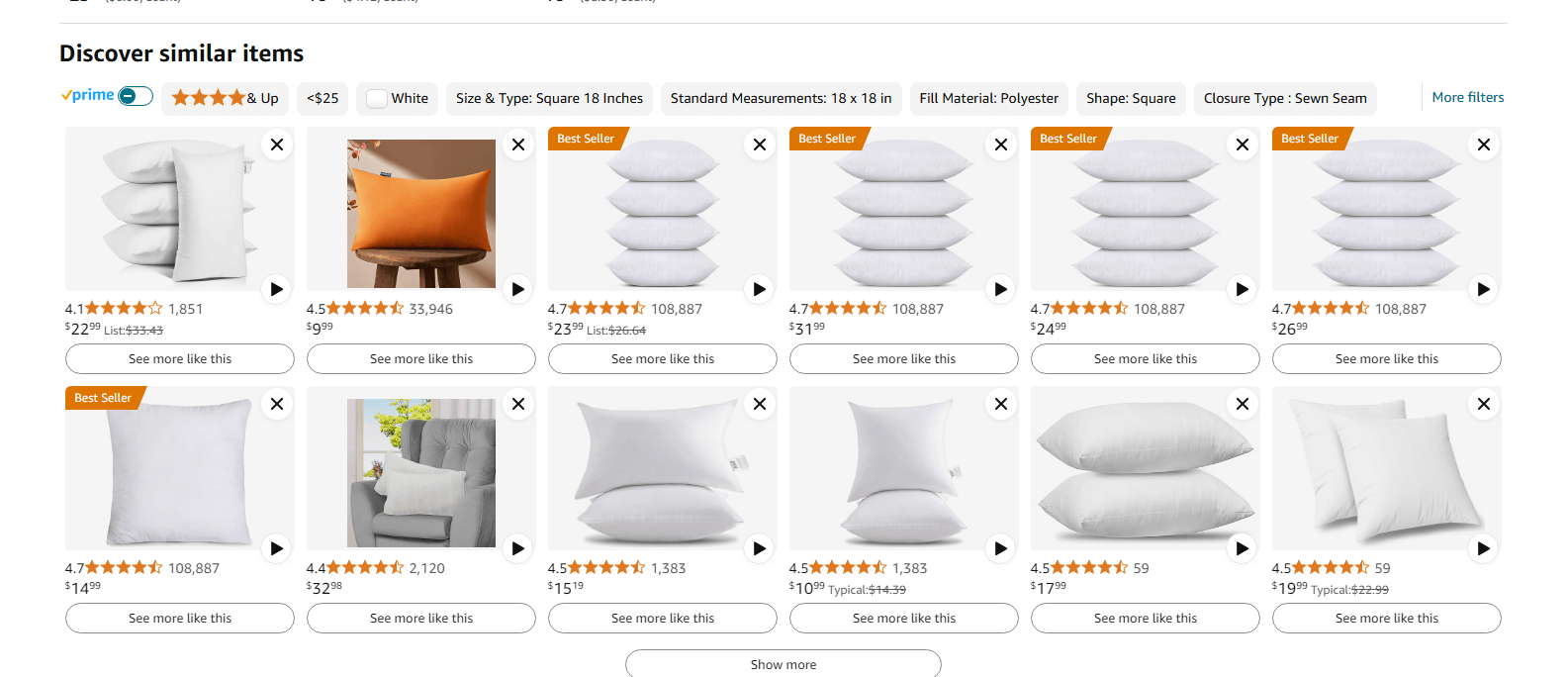
Throw-pillow covers are one of the cleaner first tests because they're soft, compact, and easy to organize into a room or style collection. Covers also avoid the bulk of shipping a filled insert.
Check whether the listing includes a cover, insert, or both. Record the size, closure, fabric, print method, care, and packed format. Test the sample's texture, seams, color, zipper, and fit on the stated insert size.
A weak supplier shows a full cushion but ships only a cover.
Buyers may also dislike the fabric, color, or fullness.
2. Wall art and picture frames
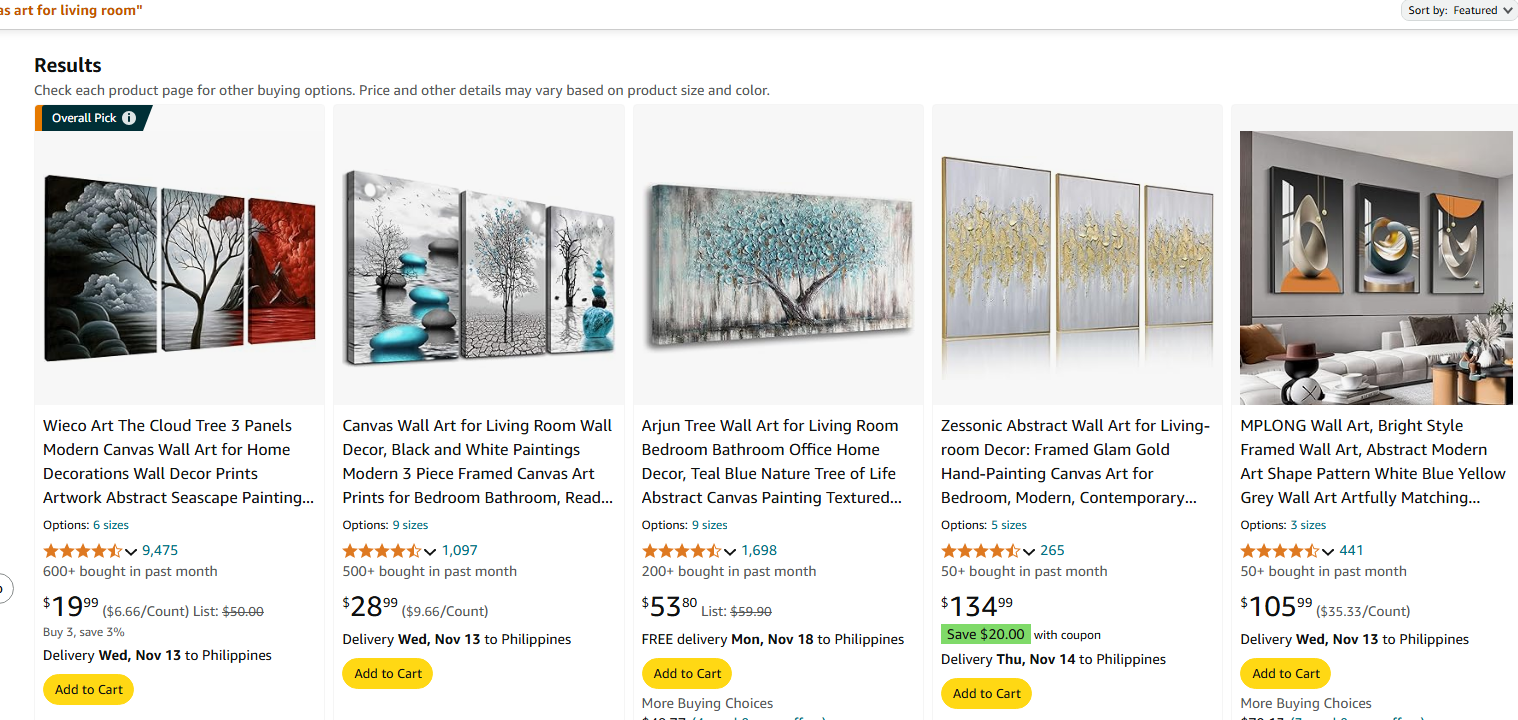
Wall art works best when your design or curation is the value and the size choices stay controlled. Unframed prints reduce breakage risk, while framed work raises the standard for corners, glazing, mounting hardware, and protective packaging.
Verify the base, print area, frame, finished size, hanging method, and color profile. Order the darkest and lightest designs you plan to sell. A bright mockup can hide weak print contrast.
Avoid listings that blur posters and framed pieces. Watch for damaged corners and prints that differ from the screen preview.
3. Candles and holders
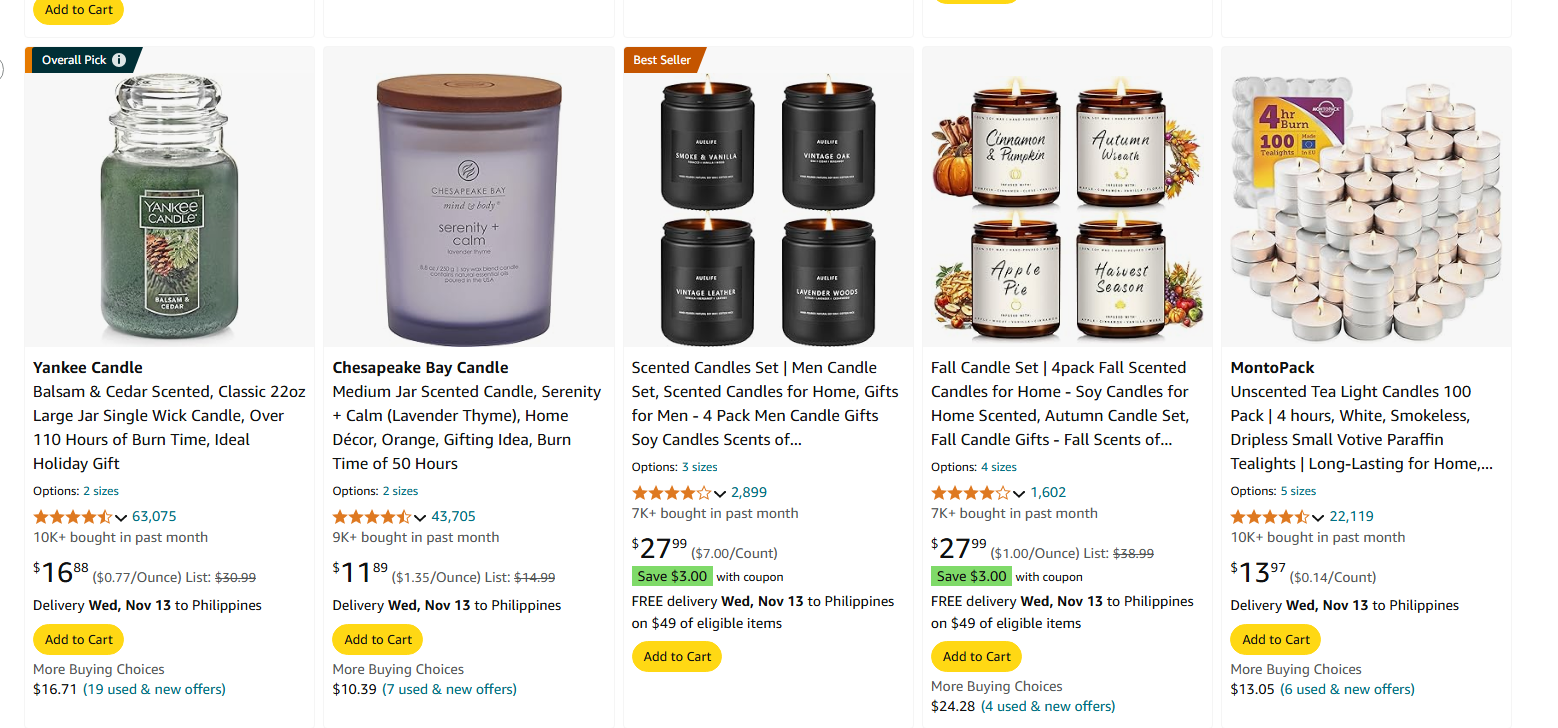
Candles and holders fit a focused scent, ritual, or room theme, but they need more evidence than an ordinary decor accessory. The vessel, wax, fragrance, wick, labeling, packed condition, and destination route all matter.
A sample should arrive without leaks, chips, loose lids, or mixed scents. Ask who handles a damaged vessel. Check whether the exact carrier route accepts the item.
Skip a listing when its makeup or shipping limits stay unclear. Photos can't settle its scent, heat, leak, or breakage risk.
4. Rugs
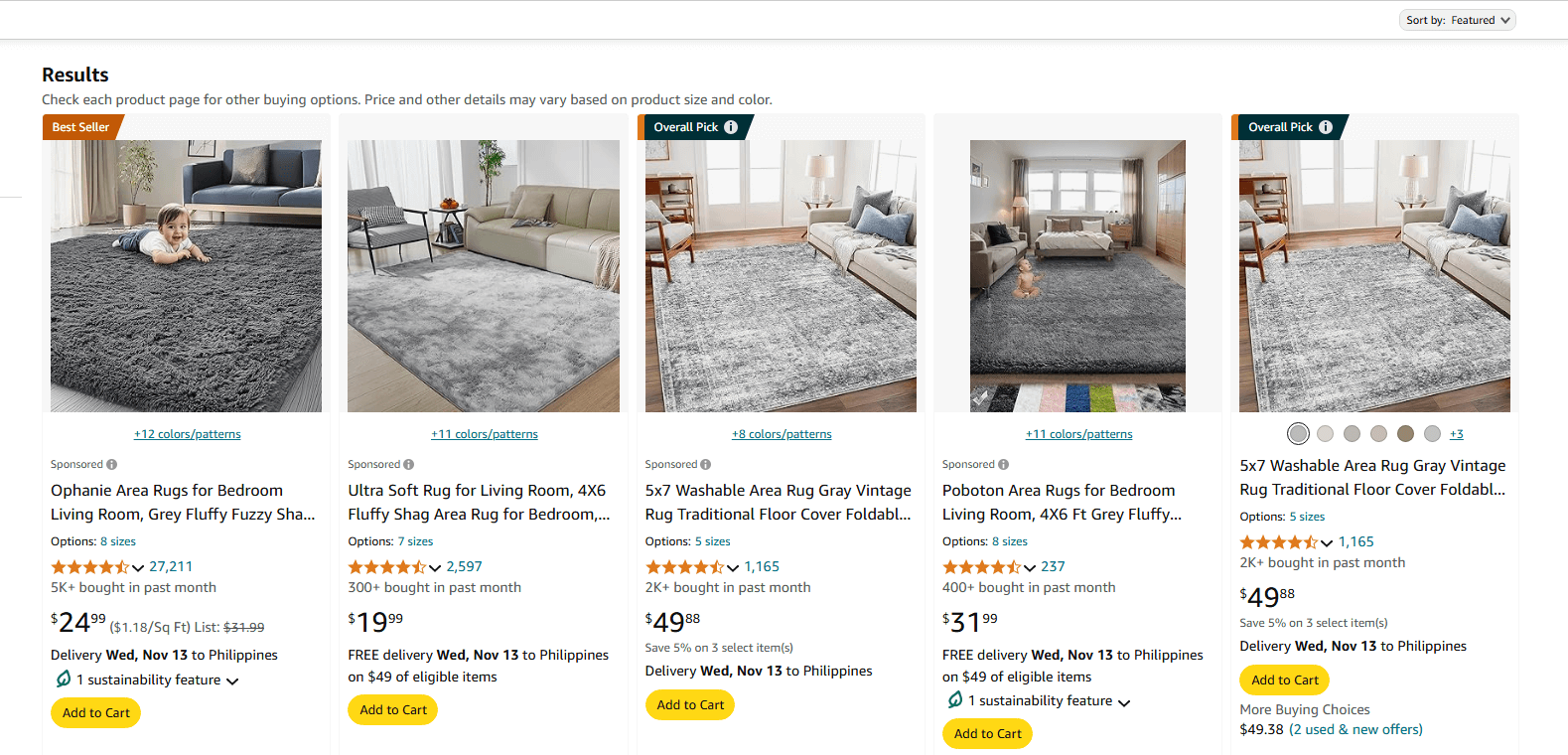
Lightweight rugs can anchor a room set when the material, size, edge finish, and care steps are exact. Get outbound and return freight quotes before choosing the item.
Check one set of units, the pile or weave, backing, thickness, wash method, folded size, and weight. On arrival, photograph the sample, track how fast folds relax, and view its color in normal room light.
Compare both freight quotes with the planned gross profit. Reject the item if either cost removes that profit. A lifestyle photo can't prove scale.
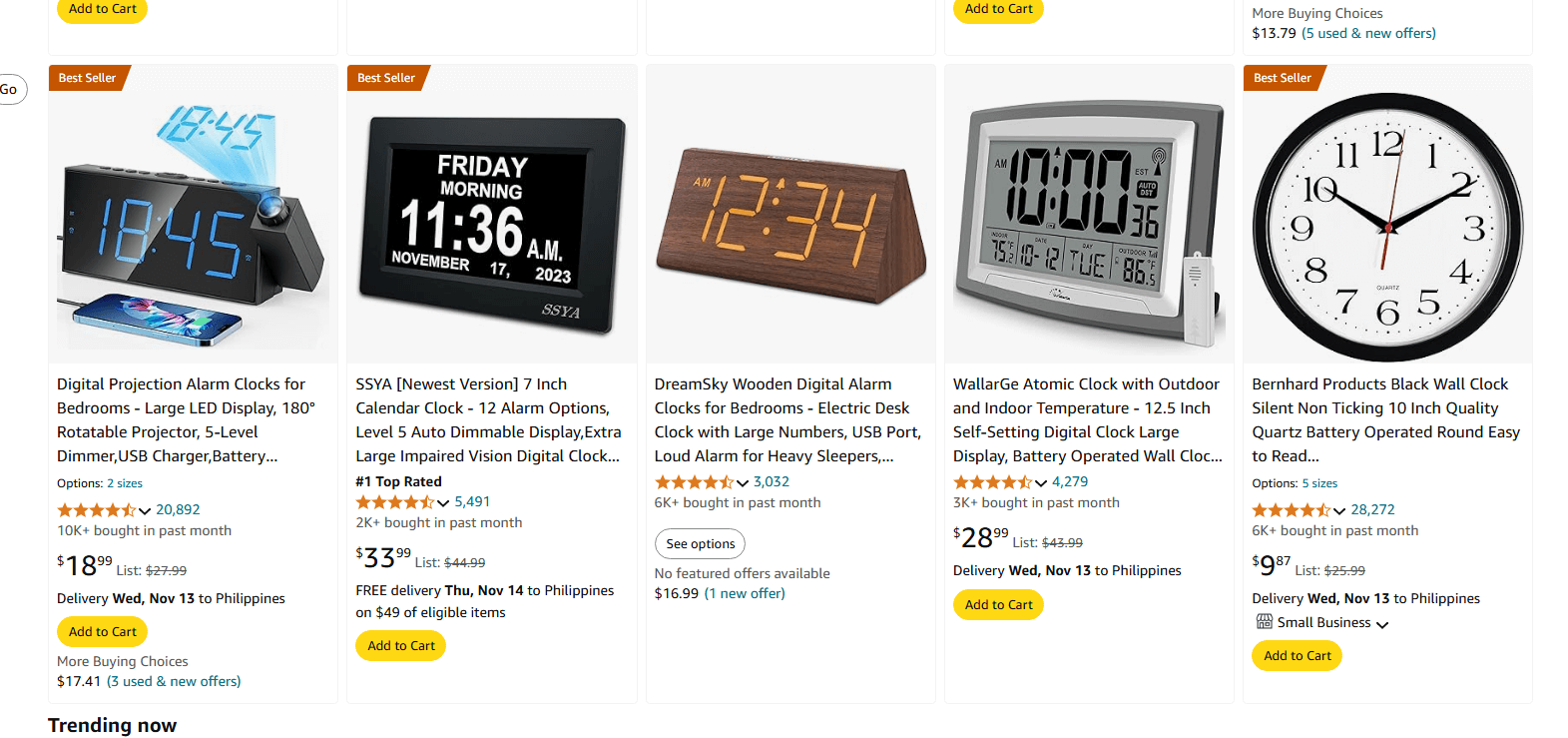
5. Clocks
Treat simple wall or desk clocks as untested candidates until the mechanism, power source, size, and packing are documented. They're a weaker fit when the listing hides the battery type, ticking sound, display behavior, or face material.
Test its time, controls, noise, display, mounting parts, and hands after transit. State what arrives and what the buyer must supply.
A small mechanism failure can turn an intact parcel into a refund.
6. Curtains
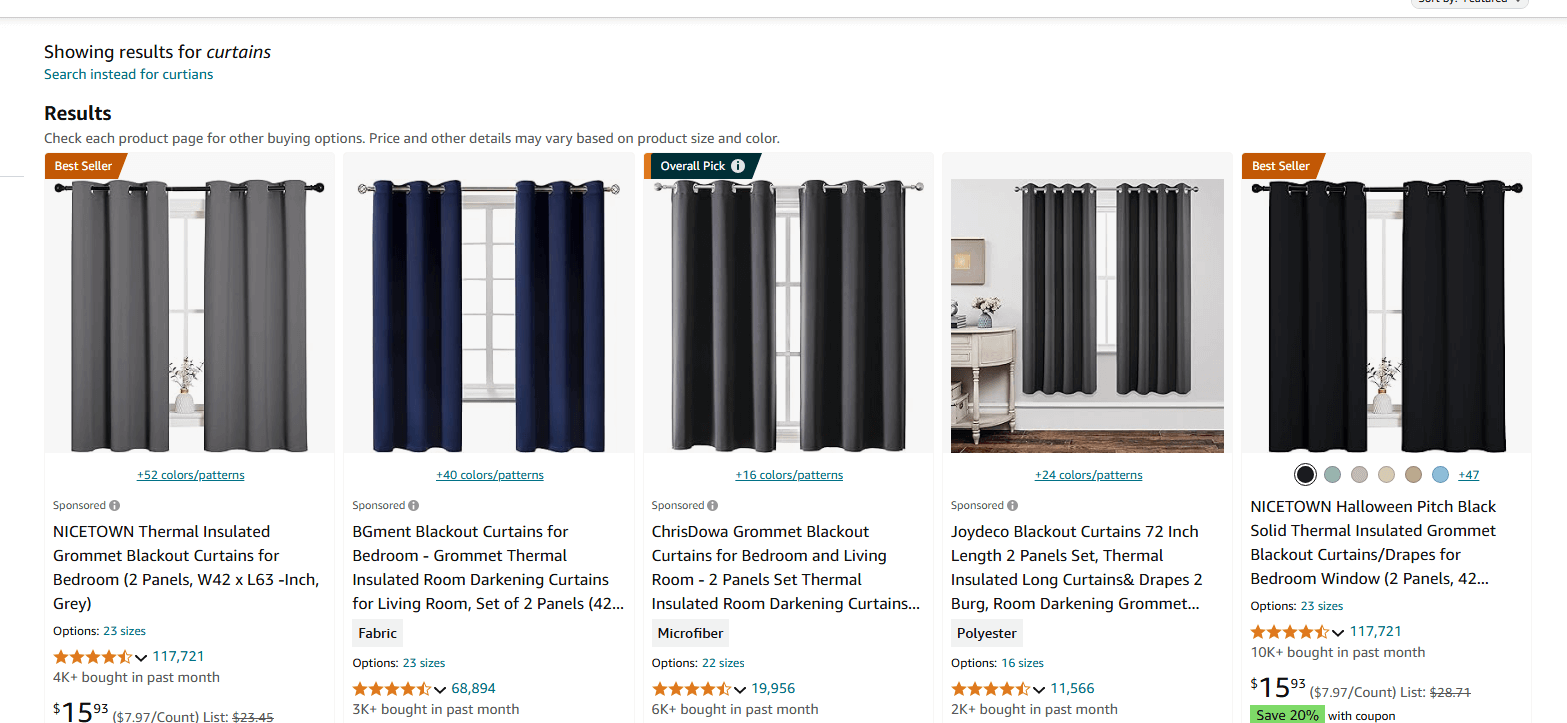
Curtain panels suit room sets and print-on-demand designs when the measurements are clear. State whether the buyer gets one panel or a pair.
Verify width, drop, top style, opacity, fabric, hem, care, and print placement. Hang the sample by day and night. The photos should show its color, drape, and light blocking.
Reject vague measurements and mockups that hide the panel count. One missing detail can cause a costly fit return.
7. Artificial plants and flowers
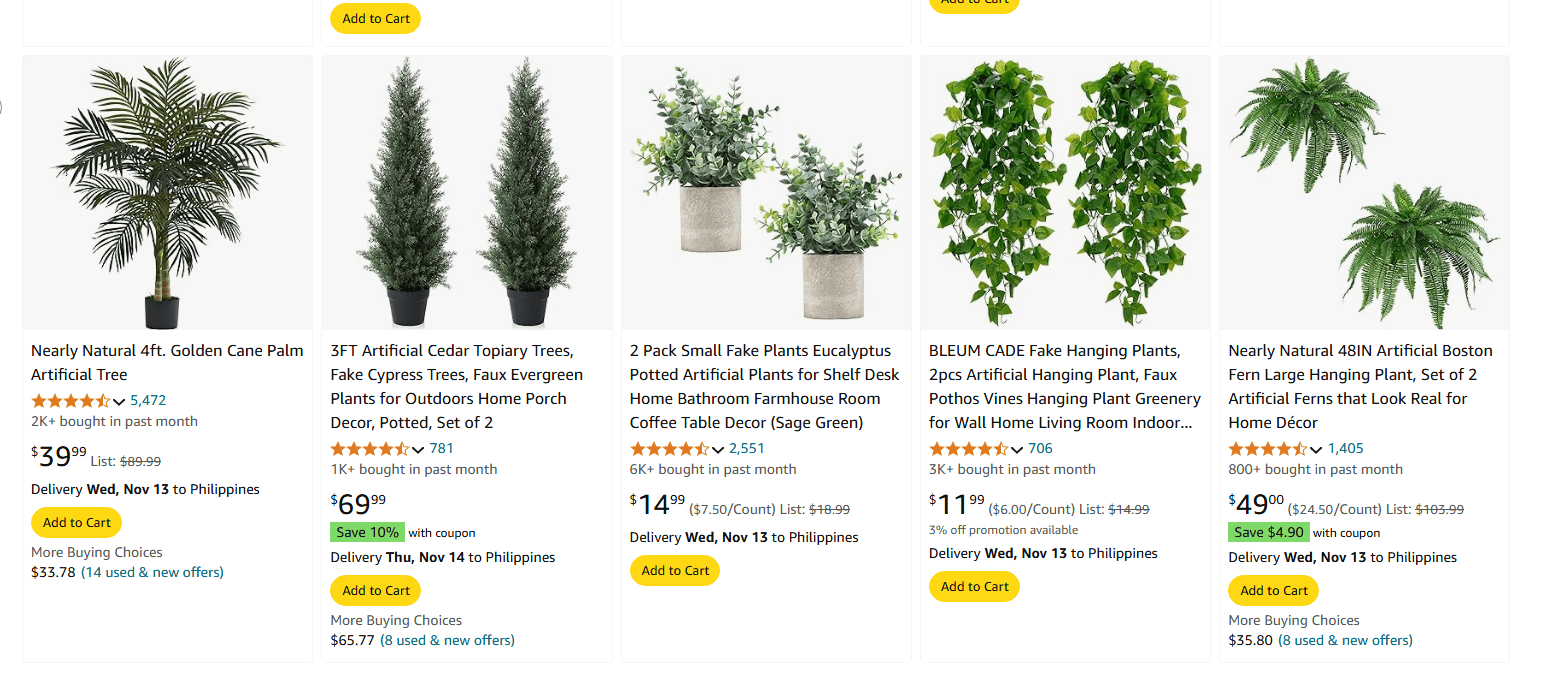
Keep compact artificial plants and flowers untested until one survives packing and reshaping. They avoid live-plant care and spoilage. Flexible stems may recover from a tight parcel better than rigid parts.
Check the material, size, pot, packed shape, odor, color, and reshaping steps. Bend one leaf and see whether it recovers. The base should also stand level.
Avoid heavy pots or brittle branches until the packaging proves itself. Crushing and a plastic look may hide behind listing photos.
8. Lamps
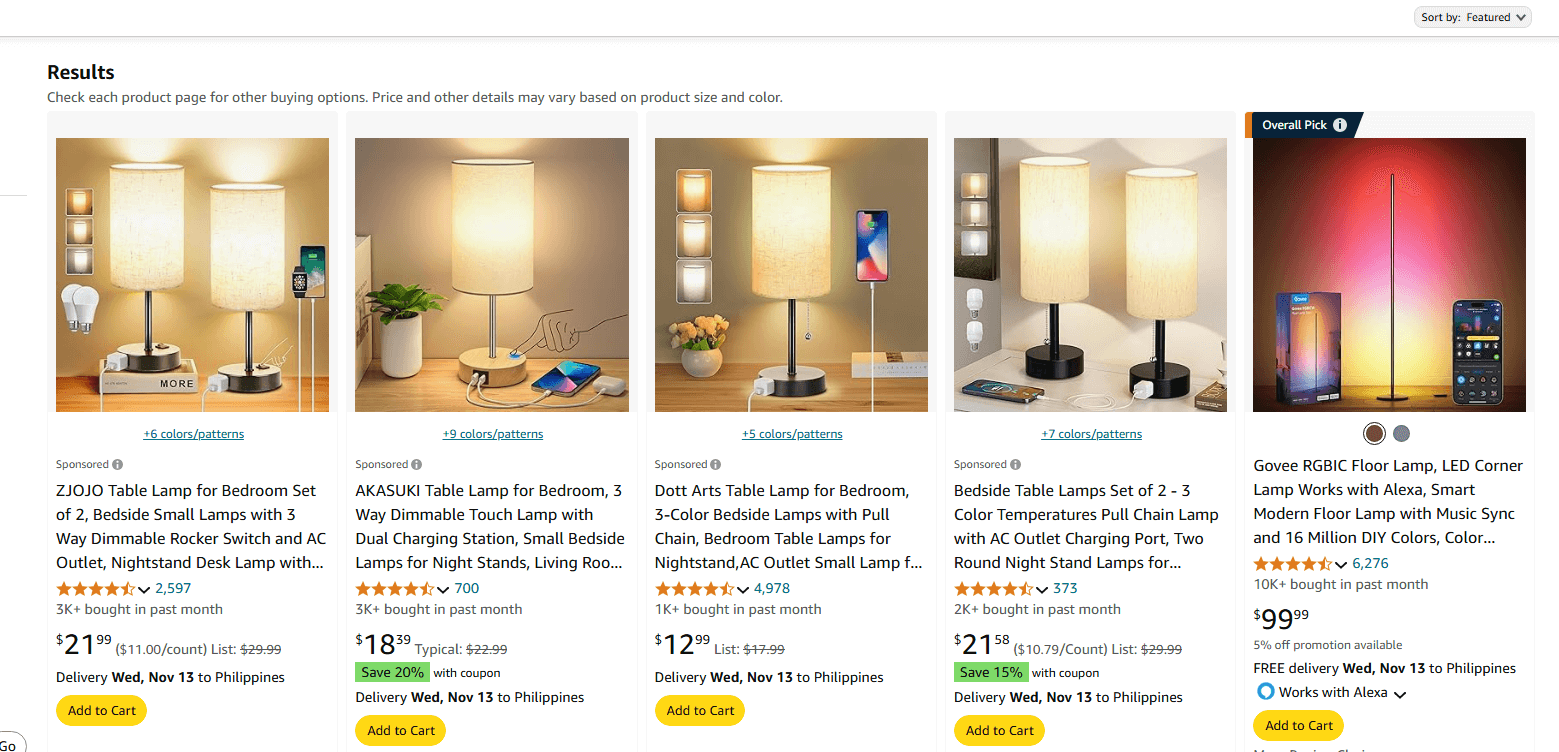
Test lamps as higher-risk candidates for task-lighting or room-set stores. Require written proof that the variant ships to the buyer's destination and matches its plug and voltage.
Confirm the plug, voltage, bulb, shade, cord, controls, parts, and product papers. Inspect the base, shade, socket, and cord before powering the sample.
Avoid an unverified cross-border lamp. One wrong plug, broken part, or missing piece can make the order useless.
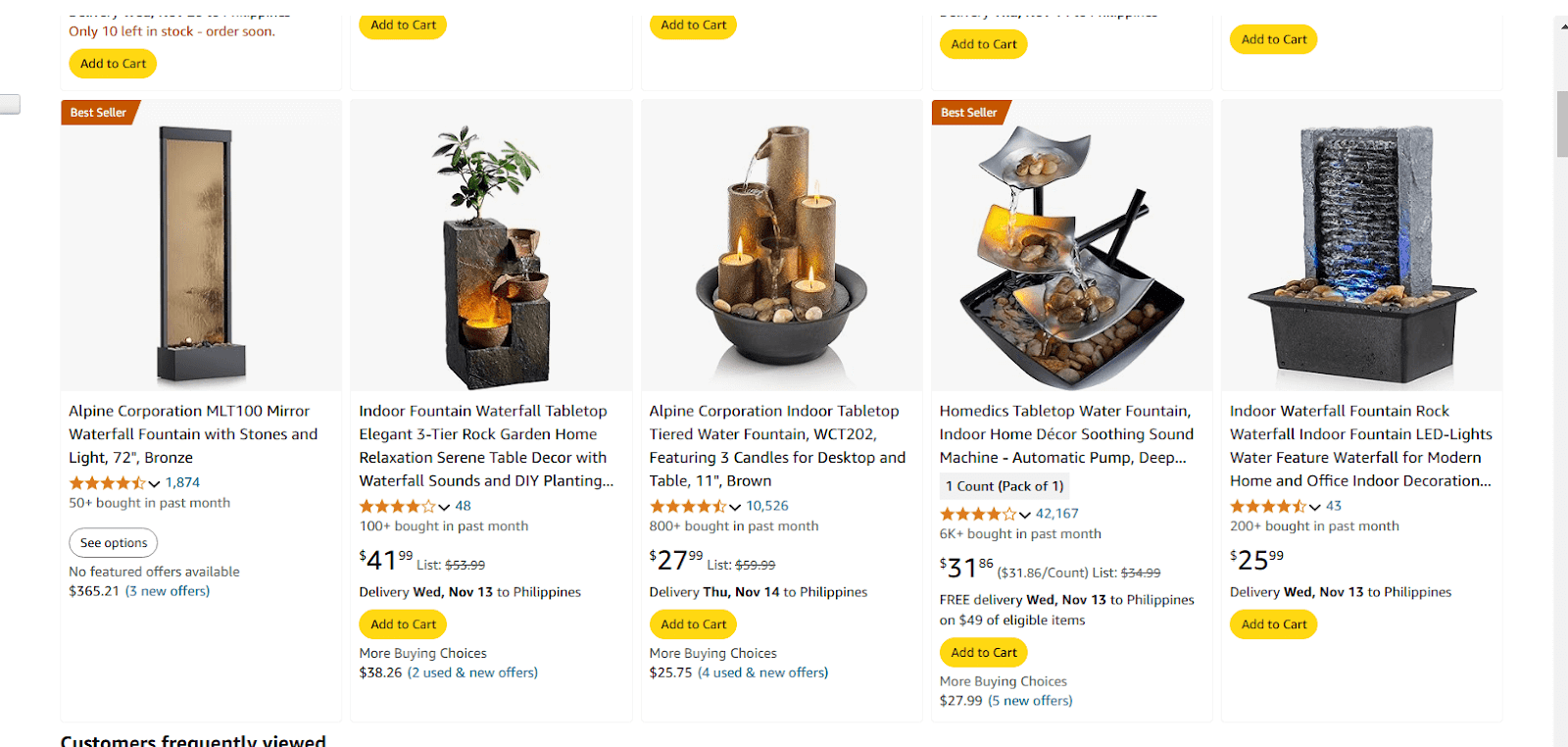
9. Indoor fountains
A small indoor fountain remains an untested idea for desk, entryway, or meditation-space decor. Test the pump and water path with a working sample rather than a silent video or styled photo.
Record the power details, tank size, pump access, packed size, spare parts, and care steps. Define one test cycle from the supplied guide. It should cover setup, operation, shutdown, and cleanup. Record leaks, heat, shaking, splash, and noise.
Reject a listing when the pump or replacement path is unclear. Leaks, noise, or pump failure can ruin the whole product.
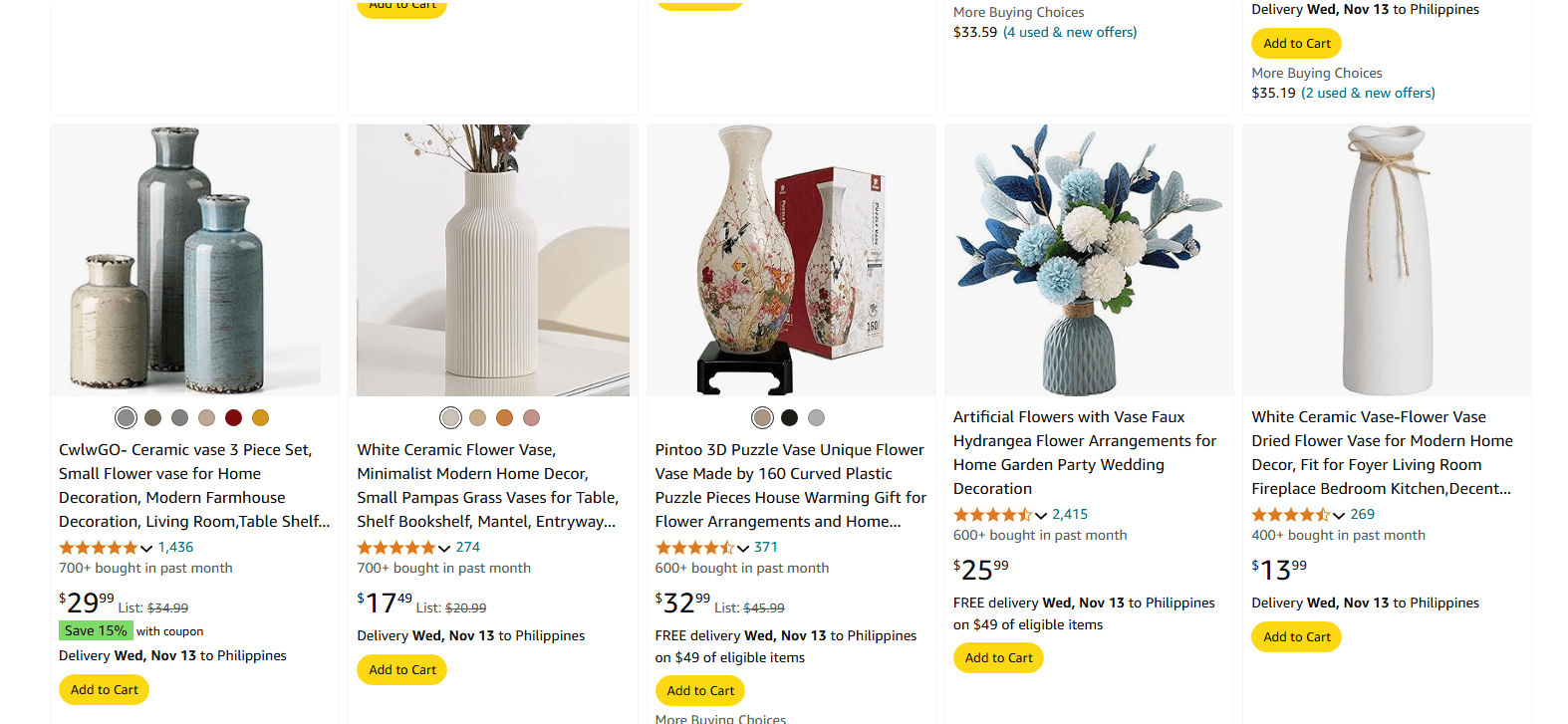
10. Ceramics and pottery
Small ceramics and pottery remain untested until the shape, packing, and damage process prove repeatable. Describe finish variation only when it's intentional and shown.
Verify the size, material, glaze, use, packing, and proof needed for a damage claim. Open the sample on camera to check the item and each protective layer.
Reject suppliers that dismiss chips or can't replace one damaged order. Breakage and finish changes are the core risks.
5 supplier routes for home decor
Syncee and AppScenic are marketplaces, HyperSKU manages fulfillment, Printify handles print-on-demand, and SaleHoo is a paid directory.
Choose the route by its real role in the order,
- Syncee
- HyperSKU
- AppScenic
- Printify
- SaleHoo
Each section separates what the platform does from what the item still needs.
1. Syncee
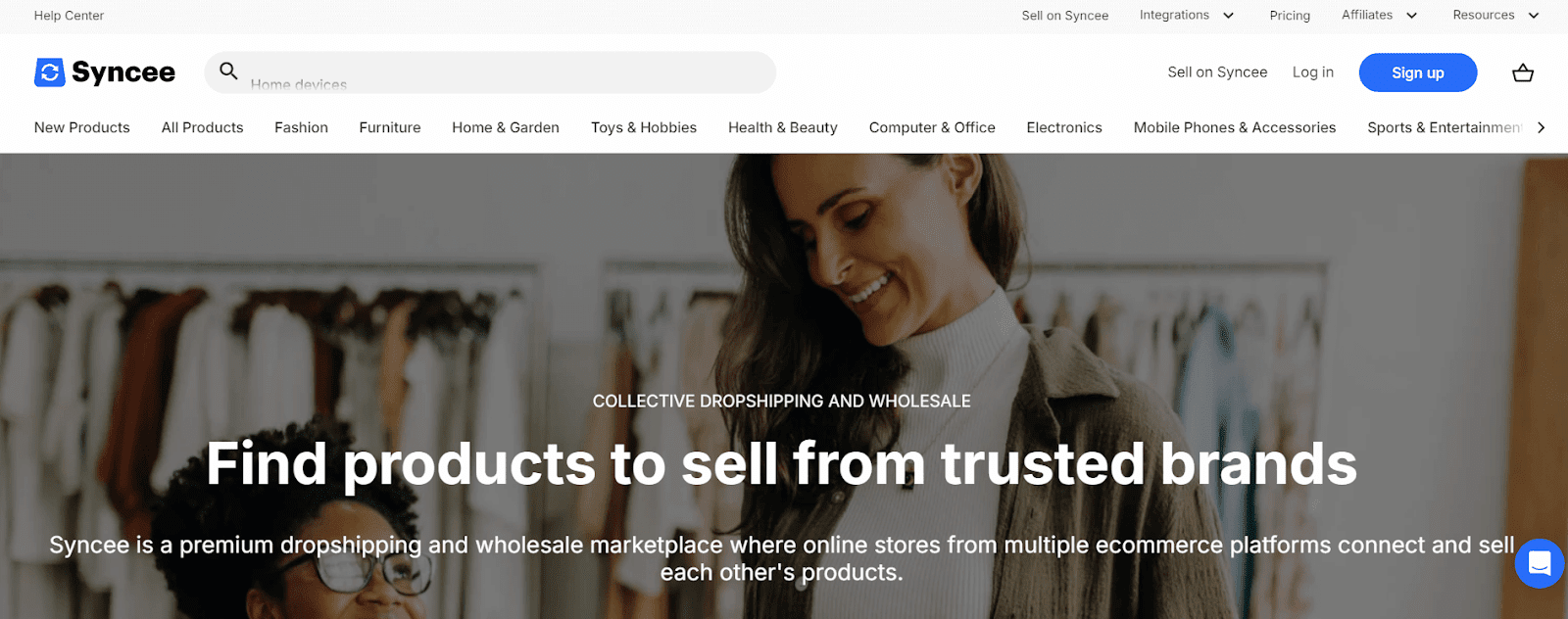
Use Syncee to browse supplier catalogs and connect chosen home products to your store. Syncee's current pricing page says the supplier ships while Syncee syncs orders and tracking.
Syncee currently has a free plan. On September 7, 2026, monthly Basic, Pro, and Business plans were $39.99, $59.99, and $99.99.
Supplier approval and shipping scope still vary. The same page says suppliers may decline a retailer. Retailers must check where the chosen supplier ships.
Use it to compare local and overseas suppliers. Before importing, save the item page, supplier, destination, returns, MOQ, and sample path. Terms still vary by supplier.
2. HyperSKU
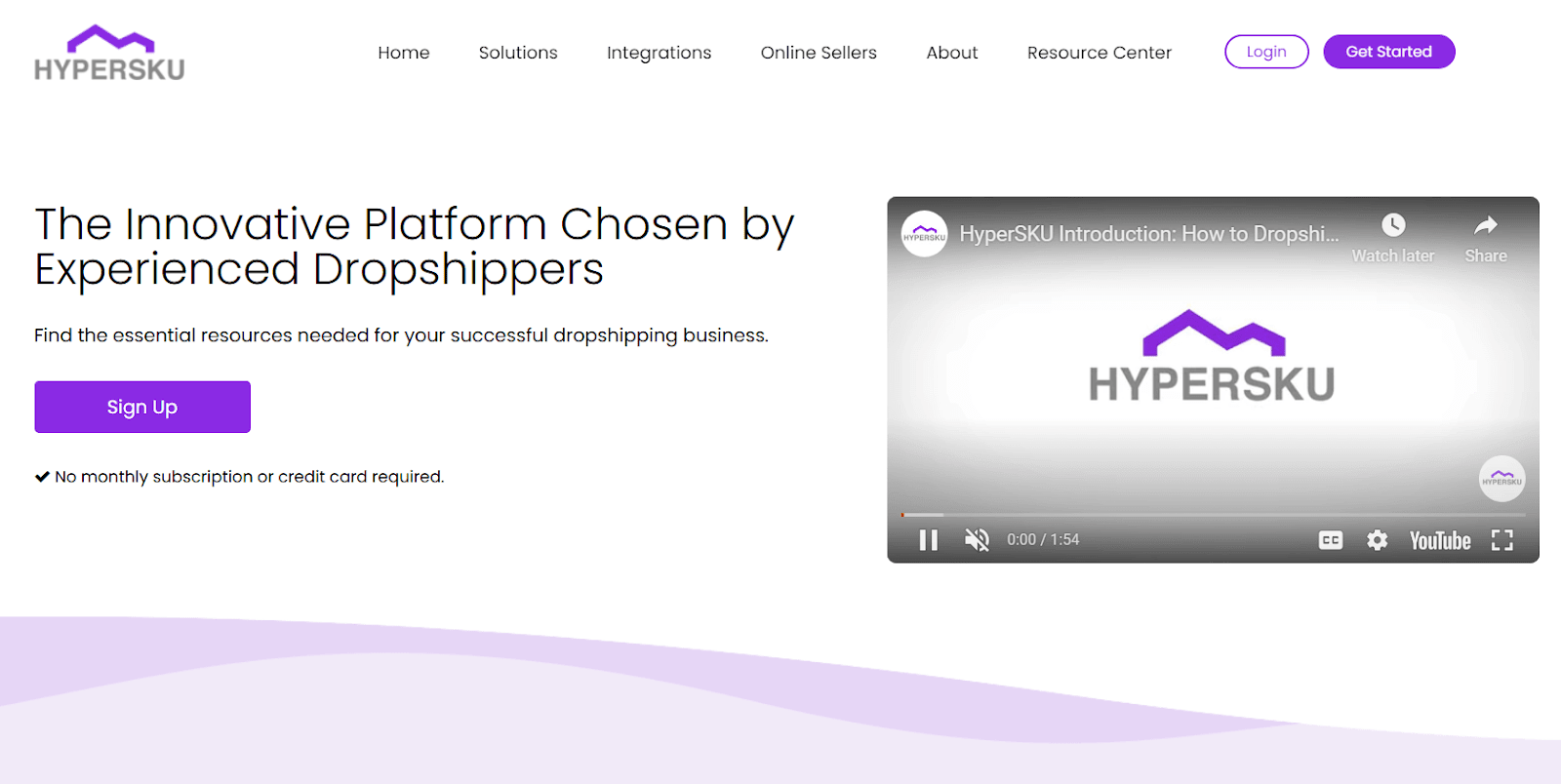
Managed sourcing and fulfillment make HyperSKU useful when an exact item needs route or packing help. Its shipping center separates processing, routes, tracking, fragile items, and overseas warehouses.
The HyperSKU aftersales policy shows why the item check matters. Suppliers can have their own terms. HyperSKU gives users a central route for covered refund and reshipment cases.
Fragile decor needs extra care here. For covered damage, the policy requires proof within 7 days of delivery. It excludes scratches and dents from damage cover. Extra packing can cost more, and custom orders face stricter terms.
Get the quote, packing option, claim window, and sample result in writing. Product and route details can change the outcome.
3. AppScenic
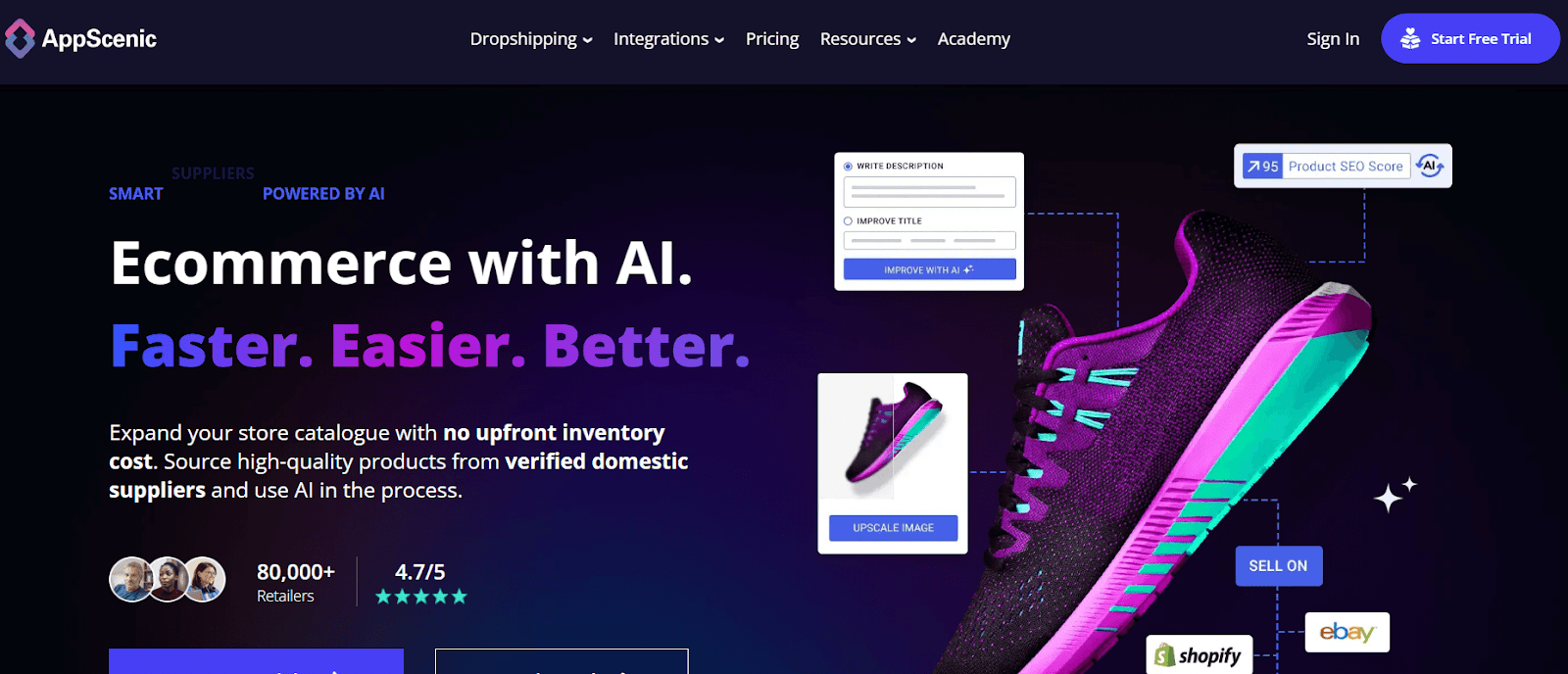
Choose AppScenic when escrow-based order payment and marketplace automation matter to the workflow. Its current category page lists home and garden products, inventory sync, automated ordering, and tracking.
The AppScenic terms describe escrow payments and supplier return duties. Suppliers also set prices, refund terms, and processing time.
Syncee centers retailer-supplier catalog links and store connections. AppScenic's written terms add an escrow-based order and refund flow. That distinction can change which marketplace fits your payment process.
Check the supplier, warehouse, destination, timing, delivery service, fees, returns, and sample. Listings still vary within the platform's rules.
4. Printify
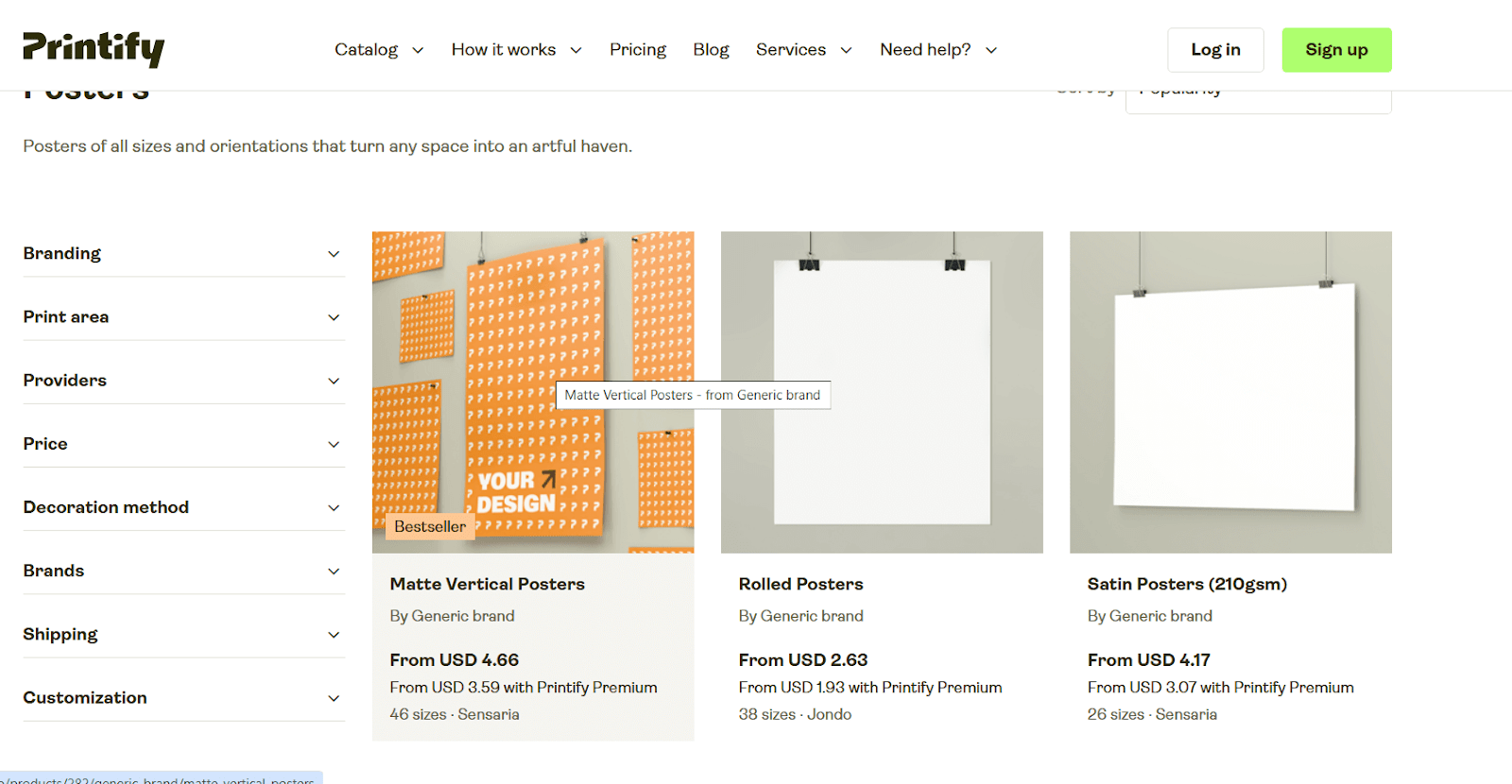
Printify is the clearest route here when your original design is the product. Its current home catalog includes wall art, pillows, covers, curtains, rugs, candles, and blankets.
The exact print provider still controls key parts of the order. Printify lists shipping by provider, while its packing help varies by product.
Its return policy covers some damage or print faults. A buyer's wrong size, color, or change of mind falls outside that cover.
I'd choose Printify over a marketplace only when the design earns the sale. Order the exact size, material, provider, and art you plan to sell. Production, delivery, packing, and returns vary by provider.
5. SaleHoo
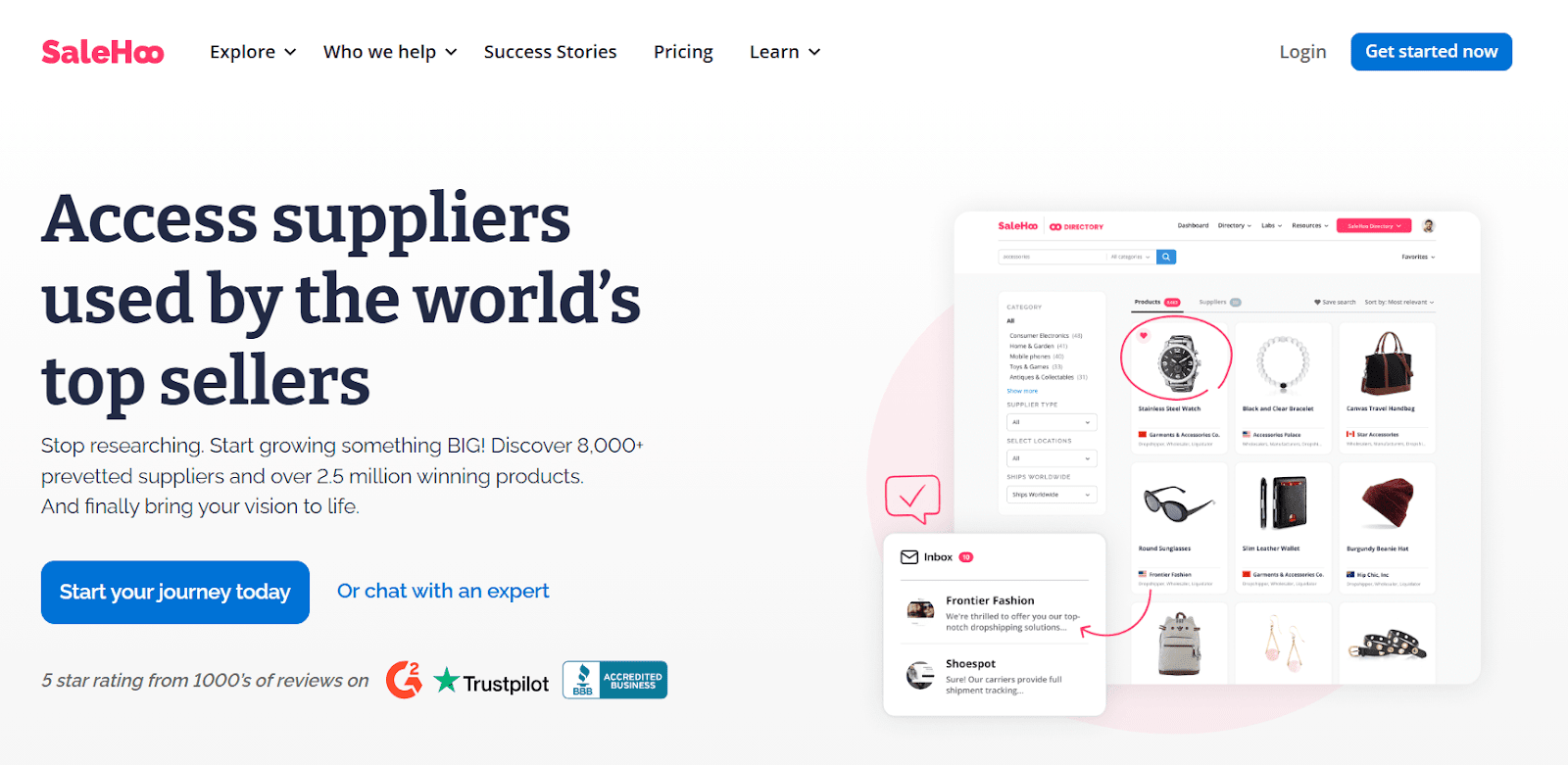
A paid directory makes SaleHoo useful when supplier discovery matters more than order automation. Its current sourcing guide lists filters for supplier type, location, and MOQ.
Use our supplier selection checklist on every SaleHoo contact.
Confirm single-order fulfillment and your destination. Then place a manual or connected test order and record its import, payment, tracking, and return steps.
On September 7, 2026, SaleHoo pricing listed Starter at $9 per month billed yearly or $299 for lifetime access. Pro was $49 per month billed yearly or $1,699 for lifetime access. You pay for search before a supplier passes.
Compare the home decor supplier evidence
One record should show each route's current role and every item fact that remains open. Use official pages for route details and the item record for listing details.
Use this evidence card before opening extra tabs or requesting quotes:
I'd choose the route whose open fields can be resolved with written facts instead of guesses.
Run the Home Decor Sample Test
Write the listing requirements, inspect the sample, test delivery, and compare a live order.
Take the four checks in order,
- Set the requirements
- Check the sample
- Test delivery
- Compare the live order
The first record becomes the standard for every later check.
1. Set the exact listing requirements
Write what the buyer must receive before you judge the supplier. Name the variant, size, material, color, parts, and use. Add the packing, destination, and delivery message from the product page.
Add one product-specific failure. A wrong curtain panel count breaks the buyer's set.
A large catalog doesn't show that any listing meets your needs.
State the requirements in a short record. If you can't, the listing isn't ready for a sample.
2. Check the received sample
Order the exact variant and inspect it against the recorded requirements. Judge it from photos and measurements of the parcel, packing, item, flaws, size, and parts.
Use the item checks above. Soft goods need fabric, seam, size, and print checks. Fragile or powered goods add breakage, fit, noise, leaks, or power checks.
Ask the supplier about any difference in writing. Reject any item whose terms change after payment.
3. Test delivery and packaging
Send a second sample through the route your buyer will use. Record the whole trip with the paid order, status notes, tracking, delivery, label, and arrival state.
Treat the sample as one route test. It shows where that trip worked or failed. Use more orders before you state a normal delivery range.
For breakable decor, check internal movement and hard contact points. Record crushed packing and arrival damage. Get any extra packing cost before launch.
4. Compare the live order with the sample
Place one buyer-style order after launch and compare it with the sample. Check the item, sender, packing, timing, tracking, delivery, and support again.
Pause the listing when the delivered product drifts. One good sample can't excuse a live parcel that breaks the listing claims.
Keep a backup only after it passes the same test. A second untested supplier adds risk instead of resilience.
The rail below keeps the four handoffs visible,
Compare the full delivered cost
A home decor product works only when the full order fits the price and listing claims.
Landed cost is the cost of getting one order to the buyer. Add the item, outbound shipping, item-level transaction fees, and extra packing.
Use this working formula. Delivered-order cost = item + outbound shipping + item-level fees + extra packing. Keep monthly software or directory access as overhead. Track returns and replacements as post-delivery exposure.
Compare quotes for the same item, destination, route, and service. Keep unknown costs open. Don't fill them with a hopeful guess.
Use one row per product and supplier pairing:
Start this calculation once product research gives you a candidate.
For a wider route view, review these dropshipping supplier options.
Use the separate Alibaba dropshipping workflow when that sourcing route fits the item.
Reject weak supplier evidence
Reject a supplier-product pairing when an unknown variant, route, packing method, or return term could make the order differ from the listing. A cheap quote can't fix those gaps.
Use these stop rules before you publish or keep a listing,
- Reject it when the business or fulfillment party can't be identified.
- Reject it when the exact sample differs from the listing in a material way.
- Reject it when the supplier won't quote the destination and current route.
- Reject it when damage, return, and replacement responsibilities stay unclear.
- Pause it when a live order no longer matches the approved sample record.
A failed listing shows only that this pairing hasn't earned a place in the store.
As noted in the introduction, I'd approve only after the recorded specification matches both the sample and live order.
FAQ
When should I re-check a supplier after launch?
Re-check before launch, once a year, or after the supplier, variant, route, packing, price, or return terms change. Compare the new page, quote, and parcel with your last record.
Can two suppliers fulfill the same product?
Yes, two suppliers can support one product when each passes the same item, destination, sample, and live-order checks. Keep separate records, and pause any route that can't support the same listing claims.
What if the sample and live order differ?
Pause the listing, save the difference, and ask the supplier for a written cause and fix. Resume only when new proof supports the recorded specification and the drift won't recur.


