

Best Dropship Suppliers In Japan: Shortlist to Verify
Compare six supplier routes connected to Japan, then verify the exact stock origin, delivery lane, sample, costs, and returns before listing a product.
The best dropship suppliers in Japan depend on what "in Japan" means. You may need Japanese goods for overseas buyers. You may need local shipping in Japan. Or you may need a cross-border route into Japan.
I've run a niche Shopify store and a print-on-demand apparel store. In both, delivery and returns remained part of my offer even when another company handled the parcel.
Official pages establish the published route, but each candidate still needs a test order before launch. Every entry gives its fit, evidence limit, open check, and main downside.
Key takeaways
Which dropship suppliers in Japan are worth checking?
For Japan-sourced exports, start with IChiba. For local orders, compare NETSEA, Marumoto Shoji, and Printful. For imports, quote HyperSKU and CJDropshipping. Treat each as a candidate until its exact product, destination, packaging, returns, and delivered cost pass a sample order.
Dropship.io Product Library can help record product candidates, but it can't prove the stock origin or Japan-bound route.
These options do different jobs, so classify each one by product origin and stock location. Then record the ship-to country and company address.
Start by choosing one of these routes,
- Source from Japan for overseas buyers with IChiba.
- Fill orders inside Japan with NETSEA, Marumoto Shoji, or Printful.
- Ship into Japan with a HyperSKU or CJDropshipping quote.
That route choice comes first. Write the route as one complete order before opening a supplier account.
A kitchen item bought in Japan and sent to a US customer follows the export route. A shirt printed for an Osaka buyer follows the local route. An accessory sourced abroad for a Tokyo buyer follows the import route.
The supplier evidence card records the route, supplier business identity, account rules, product fit, and stock origin. It also tracks packaging and blind-shipping confirmation, returns, links, open facts, and the next test. This applies our supplier selection checklist to Japan.
Treat the documented Japan role as an entry point. Stock origin and product origin can still differ by SKU.
Use this table to choose the right lane before reading the individual evidence cards:
Compare six ways to serve a Japan-bound order
IChiba covers exports, NETSEA, Marumoto, and Printful cover local orders, and HyperSKU plus CJDropshipping cover imports. Each candidate has an official page that documents part of the route. Every option still needs a product quote, written terms, or a sample.
Read each card for the route it actually documents. A company may offer other services. Keep them outside the shortlist until its page, written answer, and exact order agree.
This separates sourcing inquiries from consumer-direct fulfillment. It also separates a destination list from local stock.
The evidence cards appear in this order,
- IChiba by Ezbuy Japan
- NETSEA
- Marumoto Shoji
- Printful
- HyperSKU
- CJDropshipping
Each gets a full evidence card below.
1. IChiba by Ezbuy Japan
IChiba documents Japan-sourced exports across supported sales channels.
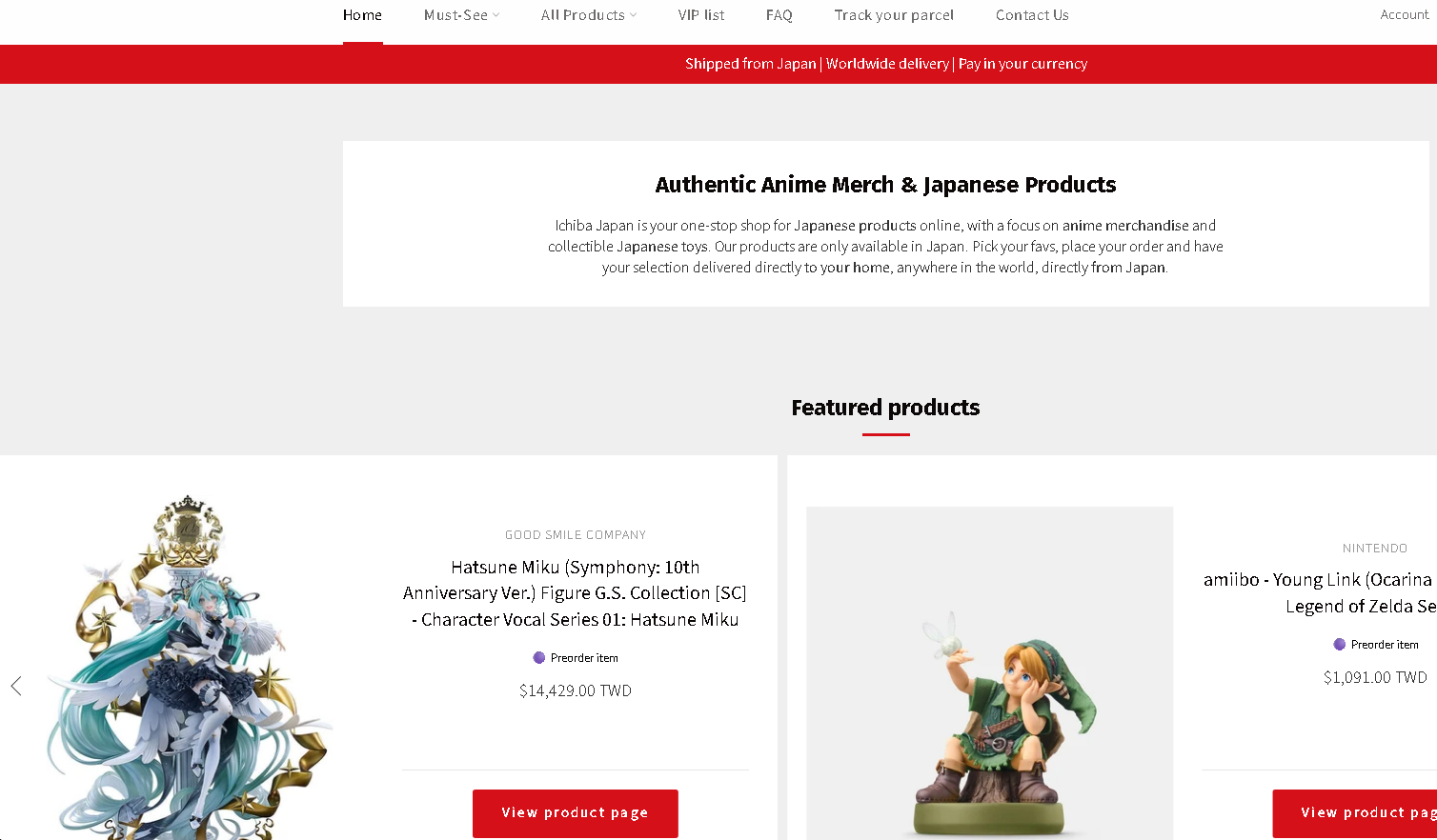
IChiba's seller page lists Japanese and Vietnamese goods. It also lists cross-docking, no subscription, and no minimum order. Supported channels include Amazon, eBay, TikTok Shop US, and Shopify.
It fits an overseas seller that wants a broad Japan catalog in one system. That system can cover listings, stock, routing, shipping, and tracking, and it fits poorly when every item must be Japanese-made. It also lacks a public fixed delivered-price table.
The Ezbuy service page says access varies by plan and market. That's the key limit. The pages don't settle your SKU, warehouse, ship-to country, package, return address, or final fee.
I would ask for those fields together. Then I'd sample the exact item. IChiba offers wide scope, but the final route still needs a quote.
Include the sales channel and ship-to country in that request. Ask which site will hold or route the stock. IChiba may choose a Japan, US, or Vietnam site based on the order.
That means a Japan-sourced listing doesn't always prove a Japan-origin parcel. Save the named warehouse and support owner in the evidence card.
2. NETSEA
NETSEA documents a domestic marketplace route for eligible Japan-based buyers.
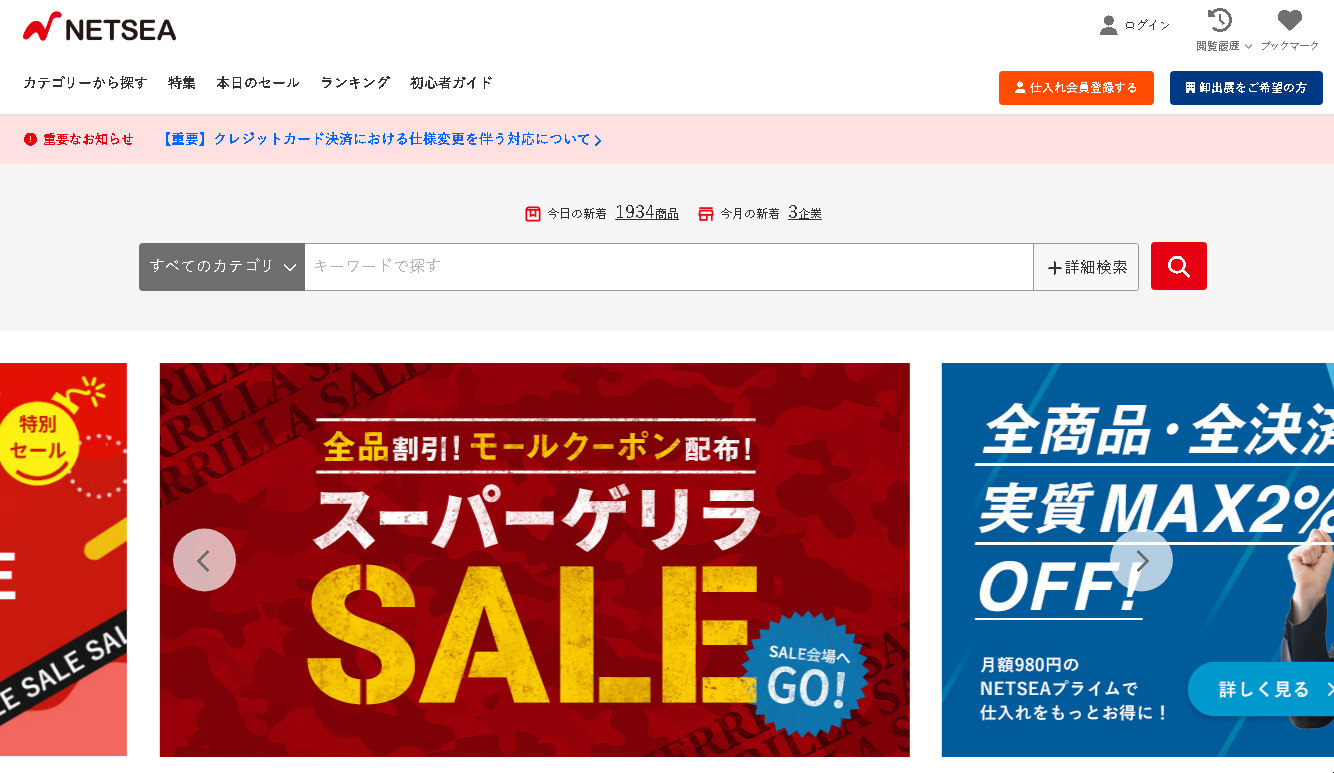
Its dropshipping manual tells sellers to choose items marked for post-sale orders. The listing must also allow direct delivery to the buyer.
It fits a company, sole trader, or new business with a real base in Japan. The buyer sign-up page says an overseas address or phone number won't work. A warehouse or forwarding agent can't stand in for that base either.
NETSEA fits poorly for an overseas operator without that access, and it also has no single policy for every seller. Payment, shipping, packing, and returns vary by listing. The store must handle buyer questions and return requests.
Those limits are clear on the current pages. I'd wait until the page and seller agree on dispatch, invoices, returns, and stock updates.
Look for both listing signals before ordering. Save the post-sale-order mark and consumer-direct approval with the seller's reply. Also ask whether the parcel includes your store details, a NETSEA form, or the supplier's own invoice.
3. Marumoto Shoji
Marumoto Shoji documents direct domestic shipping for household goods.

Its ecommerce partner page lists kitchen, bath, home, and daily-use goods. It supports direct buyer shipping and single-unit orders from its own shipping operation.
A Japan-based store can use this focused local catalog without holding a normal wholesale order. Overseas sellers need a different route, and public prices, app links, and return rules remain unavailable before application.
The page shows inquiry, company review, sign-up, and sales steps, and it doesn't publish account costs or a delivery range. Packing, order transfer, and defect steps are also missing.
Ask for one real quote and sample delivery. Include a mock defect case. The local warehouse is useful, but the account details stay hidden until you apply.
The public sign-up flow reviews the company and payment plan before sales begin. Use that call to settle how orders reach the warehouse. It may be a portal, file, email, or another process.
Ask when tracking returns to your store and how stock changes reach you. A local parcel still fails if the order handoff is manual and slow.
4. Printful
Printful documents local production for eligible print-on-demand goods.
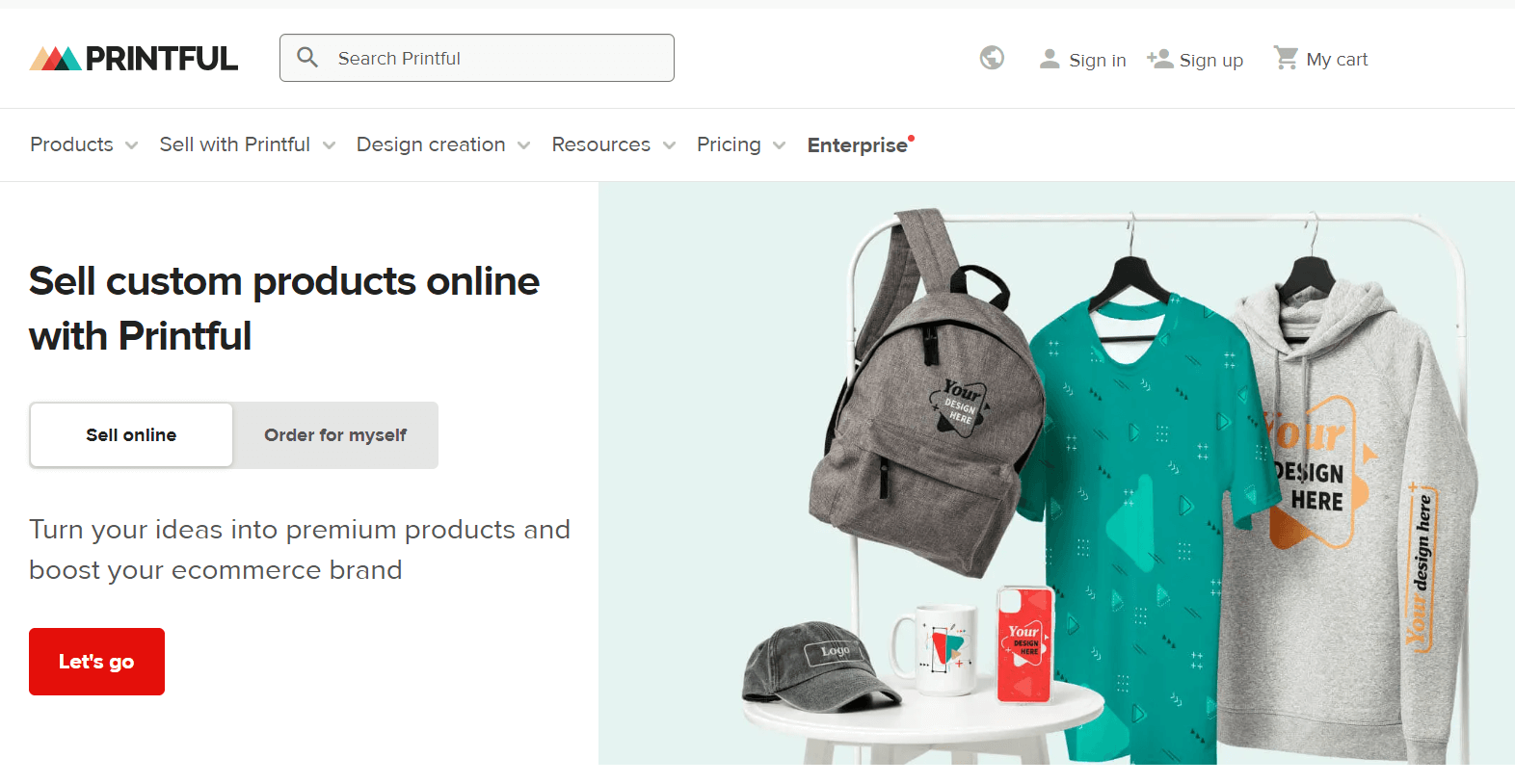
Printful's Japan page lists partner sites in Japan and single-unit orders. It also lists free sign-up, no monthly fee, order import, tags, and inserts.
For items printed in Japan, the page lists a dispatch range for local production. Printful fits clothing, accessories, and goods with your own art, though the range varies by catalog item. It fits poorly for resale goods or an all-Japan catalog, so confirm the plant on the exact item. Then send a sample through your store. The return location depends on where Printful made the order. The store links are useful, while item-level production and return routes are the downside.
Choose the Japan-made item before you build the listing. Upload the real design and order its planned size and color. Check print placement, color, fabric, label, insert, and parcel tracking.
Then repeat through the store link to test order import. A sample made at one site can't prove a different item will use that same site.
5. HyperSKU
HyperSKU documents managed cross-border shipping into Japan.
Its shipping page lists Japan and explains that methods depend on the product and destination.
Use the page to request an exact route, cost, and delivery quote. A general destination listing can't support one promise for all of Japan.
HyperSKU fits a seller that wants help with sourcing, checks, packing, and shipping. It fits poorly when the item must be Japanese, and it also doesn't prove that stock is in Japan.
Its aftersales policy sets proof windows and limits. Test a damage case before launch. Managed help is the strength. Per-item changes are the drawback.
Ask the quote to name the item cost, handling time, shipping method, packed weight, and ship-to postcode. Start with plain packaging. Test custom packing only after the basic sample passes.
A custom item may also have a narrower refund path. The public one-week wording should stay off your store until this exact route proves it.
6. CJDropshipping
CJDropshipping supports one-item cross-border product tests into Japan.
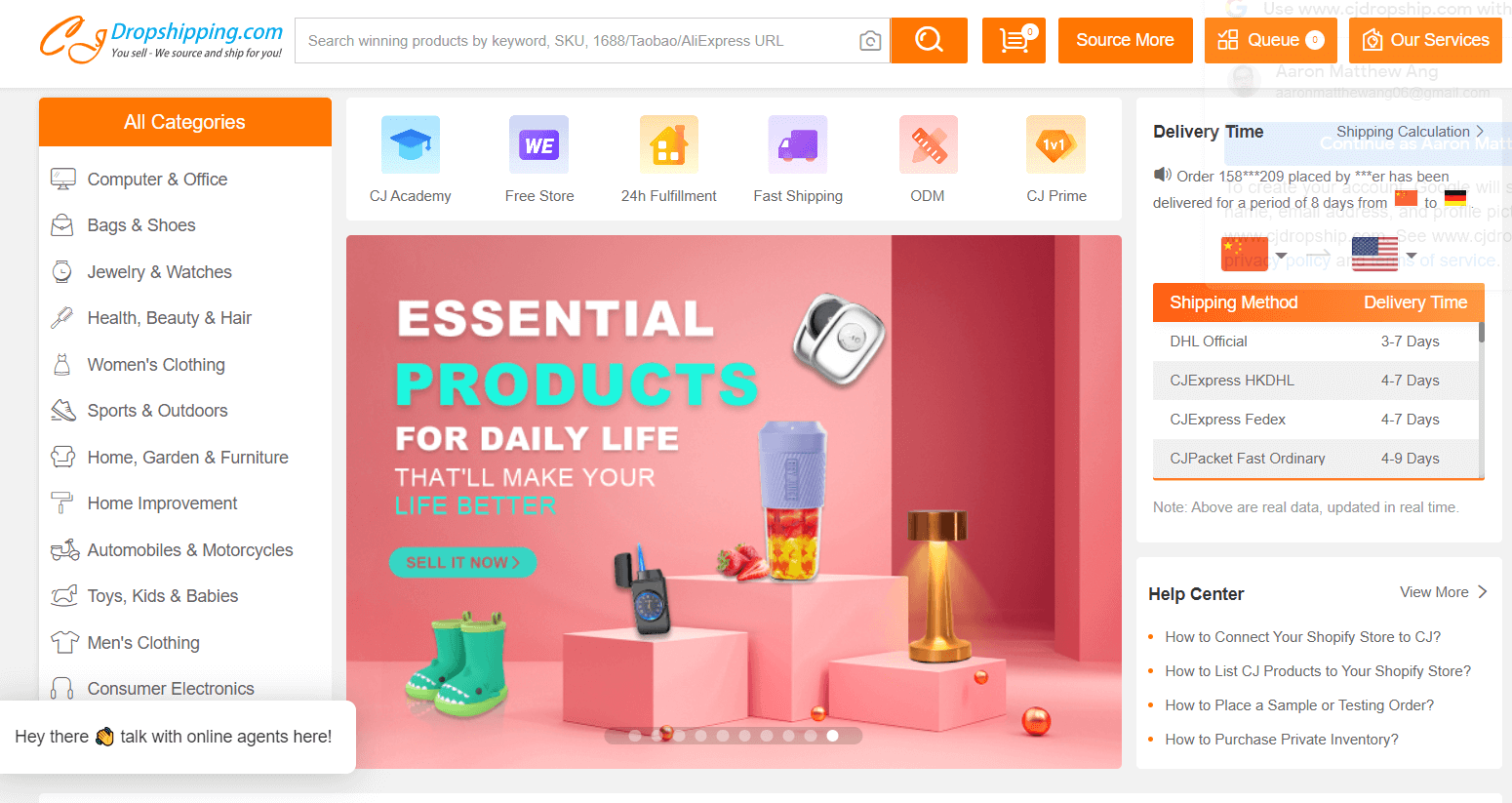
Its official FAQ says normal dropship orders have no minimum. One-item orders and samples are allowed.
The platform overview lists sourcing requests, store links, order import, manual orders, and a shipping tool. CJ supplies this shortlist's cross-border lane, with stock origin confirmed at the item level.
CJ fits a common product test when range matters more than local origin. It fits poorly for a local-stock promise or easy local returns because its public pages don't establish a Japan warehouse.
Quote the SKU and postcode. Save the origin, handling time, carrier, tracking, return address, and fix for a bad unit. CJ has range, but each SKU creates a new route check.
Run one order through the store link, not only the manual order form. Confirm that the right variant and buyer address reach CJ. Save the shipping-tool result beside the real tracking events.
If CJ must source a new item, wait for the final product match before listing it. A broad catalog doesn't protect you from a wrong variant or costly return route.
Prove the Japan lane before importing the listing
Define the route, verify the claim, sample the item, then test one store order. Only candidates that pass one stage move to the next.
Follow the stages in order,
- Define the route and customer promise.
- Check the candidate's current official evidence.
- Compare one exact sample with written terms.
- Send one live order and update the record.
Each stage uses the survivors from the last.
1. Choose domestic supply, Japan-sourced export, or import
Define the route, item, destination, and promise before comparing suppliers. Record whether you export from Japan, fill local orders, or import into Japan. Add the SKU, variant, postcode, sales channel, cost cap, dispatch limit, packing needs, and return path.
This prevents a common mismatch. A made-to-order shirt can allow more production time. The product page must say so. Use one destination that represents the planned launch area.
For a domestic Japan test, provide the full postcode and actual item variant. For an export test, name the receiving country and sales channel.
For an import test, request the stock origin and delivery service. The answer produces a quote you can compare with the sample.
A 10-day production time conflicts with a store page promising quick local dispatch. Apply the same Japan route field to each candidate. Use our guide to find dropshipping suppliers if you need more names.
2. Name the warehouse, seller, and ship-to route
Separate official proof from questions that still need a written answer. Save the item, shipping, price, store-link, and return pages, and write "not published" when a field is missing.
Confirm the company's real role. Search results mix suppliers, markets, agents, apps, and warehouses. Each owns a different part of the order.
Ask one message about stock, handling, shipping, packing, tracking, returns, fixes, and support. The reply proves only the SKU and route it names.
Take one Japan-made Printful item. Its public page names local production and a 3 to 10 business day dispatch range. The item stays unresolved until its SKU, facility, shipping quote, return location, and sample all agree.
3. Test the exact item, parcel, and Japanese address
Order the exact item and route, then compare the parcel with the written promise. Keep the listing, quote, payment, tracking, photos, labels, inserts, condition, and arrival date together.
Check the parcel in four groups,
- Match size, material, color, finish, and instructions to the listing.
- Inspect seller marks, packing, tracking, and the return details.
- Use the planned garment and print method for POD.
- Confirm the seller, listing, single-order fulfillment, or applicable minimum order quantity (MOQ).
The order model must match your real store flow.
4. Send one store order through the same route
A buyer-style live order is the last proof step before launch. Send one low-risk order through the linked store after the sample passes. Check order sync, address transfer, payment, dispatch, tracking, parcel contents, delivery, and support.
Update the evidence card afterward. Recheck after an SKU, seller, warehouse, route, return, price, or destination change. Do the same after a delay or poor support. Supplier proof gets stale when a platform routes work through another firm.
Choose domestic, POD, or cross-border sourcing
The main six document a Japan fulfillment role, while the alternatives provide discovery, wholesale, sourcing, or software without the same consumer-direct proof. Use each alternative for its narrower documented role.
Here is where the excluded routes still fit:
Compare broader dropshipping supplier options if these routes fail.
Use the Alibaba dropshipping workflow for a direct market search.
Price the Japan lane, packaging, and return path
Compare the full cost and delivery path for the same item, package, and destination. The item price is one field in that comparison, and build one record for the exact item and ship-to place. Landed cost means each quoted cost needed to deliver that order, and use the tax, carrier, and duty figures from the exact quote.
Keep the original quote currency beside the amount. Save the conversion date when the storefront reports another currency. Also record the amount that was charged.
The comparison should show which fees appear before payment and which could arrive later. Mark an unknown as open rather than entering zero.
Run the same defect example through every finalist. Ask what happens if the parcel contains the wrong color, arrives damaged, or cannot be delivered.
Record who answers the buyer and what evidence they request. Then record the remedy and return location. This turns a low unit price into a more realistic order-level comparison.
Record the same fields for each finalist:
Compare exact quotes for the same item and destination. Use the same package, defect case, and return case. Request any missing field in writing. Keep it open until a sample agrees.
Reject any route that can't prove where the parcel starts
Keep a candidate only when its proof supports the buyer promise. Acceptance requires a documented role, eligible account, exact quote, and suitable package. The sample and live order must match, and each change needs an explanation.
Use these stop rules,
- Confirm the candidate's business role and account eligibility.
- Obtain a written consumer-direct fulfillment path for the product.
- Obtain an exact quote for the SKU and destination.
- Approve the seller details, invoice, price, and inserts in the package.
- Match the sample to the listing and written terms.
- Match the live order to the delivery, tracking, and support promise.
- Get an explanation for each change before the next order.
A failed rule removes the route. As covered in the three-model split above, investigate IChiba first for exports. For local general goods, investigate NETSEA or Marumoto, and use Printful for local POD. Quote HyperSKU or CJ for imports.
Choose one route that matches the business. Compare up to three candidates within that route. Keep the one whose terms match the parcel.
FAQ
Use these answers for rechecks, backup suppliers, and sample failures. Keep the item evidence card as the controlling record.
When should I retest a supplier serving Japan?
Recheck after any key item or route change. Recheck the SKU, seller, warehouse, carrier, destination, package, price, returns, support, and store link, and set a review date before the quote becomes a fixed promise.
Can a domestic and cross-border route back up the same item?
Yes, and each backup needs its own evidence card and sample. Approve it when the listing, quote, parcel, and return path agree. Compare size, material, pack, color, and quality instead of relying on similar photos.
What if the Japan order differs from the sample?
Pause the listing and record the gap before sending another order. Compare the SKU, variant, method, seller, stock site, packing, tracking, and photos. Ask what changed and which fix applies, then resume after a specific answer and passing repeat order.


