

8 Best Dropshipping Suppliers in Mexico for 2026
Compare eight supplier routes for Mexican orders by product model, stock origin, postcode delivery, currency exposure, returns, and buyer remedies.
The best dropshipping suppliers in Mexico are Printify, Printful, CJDropshipping, HyperSKU, Spocket, AppScenic, SaleHoo, and AliExpress. These eight routes serve distinct sourcing jobs. Printify has the clearest proof of Mexico-based print providers, while the others cover broader sourcing and fulfillment models. A supplier still has to prove that shipping, returns, and support hold up after the sale.
I ran Shopify stores, and my hands-on limit is clear. I haven't placed a Mexico sample through all eight services. “Best” means best suited to the named job, subject to an exact-route test. It does not mean one brand wins every product or postcode.
Key takeaways
- Test each finalist 2 times, with a sample and live order.
- Use Printify or Printful when your design creates the product.
- Record the Mexico postcode, stock origin, and return address.
- Run four Mexico Supplier Proof checks before customer orders.
- Review its evidence 2 times, before listing and after supplier changes.
Build a Mexico ad budget with Dropship.io's CPA calculator after receiving the delivery quote.
Which eight routes are best for specific Mexico setups?
Printify, Printful, CJDropshipping, HyperSKU, Spocket, AppScenic, SaleHoo, and AliExpress are the best current checks for the jobs below. Start with your product and the control you need, then reject any route that cannot support its exact Mexican postcode.
Record supplier identity and single-order fulfillment or any minimum order quantity (MOQ). Add packaging, blind-shipping confirmation, landed cost for the destination, source date, and unresolved evidence. The EPROLO app provides one current route reference.
Dropified provides another platform reference.
SHEIN Mexico supplies marketplace context.
Shopify's supplier guidance explains broader screening criteria, and a print-on-demand platform makes custom goods after an order. A directory introduces you to suppliers. A marketplace leaves most terms at the seller or listing level. That difference decides who controls stock, packing, tracking, and returns.
The shortlist compares the shared operating fields first:
The public proof gets each route onto the list. The exact SKU and Mexican postcode decide whether it stays.
Match eight supplier routes to the Mexican order
The eight routes cover print production, managed sourcing, supplier software, direct search, and marketplace tests. Start with the model that matches your product. The brands don't hold the same stock or do the same job.
The eight routes are,
- Printify: Mexico-based print-provider choices.
- Printful: one integrated print-on-demand workflow.
- CJDropshipping: broad product sourcing and order tools.
- HyperSKU: quote-led sourcing and fulfillment support.
- Spocket: supplier discovery with store integration.
- AppScenic: catalog, stock, and order automation.
- SaleHoo: a paid supplier directory.
- AliExpress: low-commitment listing-level tests.
Take them in order of fit, then compare the exact product route.
1. Printify for Mexico-based print providers
Printify is the first check when your design turns a blank into the item you sell. Its shipping-rate list names Monster Digital and MWW On Demand as print providers in Mexico.
Those sites create a possible local print route. Your shirt, mug, or phone case may still use another provider. The product record controls the print site, handling time, shipping fee, and address.
I'd compare two providers with the same test item. For a black size-M shirt, inspect the label, print spot, tracking trail, and return remedy from both.
Printify's refund policy covers bad prints and damage. Your store still owns a buyer's wrong size or color choice.
Generic resale goods need another route. Printify works when the product needs your design. A broad wholesale catalog calls for a sourcing platform.
2. Printful for integrated print on demand
Printful fits a custom store that wants one platform for design, print work, orders, and shipping. Its Mexico page shows a no-stock workflow and store links.
The page supports sales into Mexico. It doesn't promise local print work for every item. Save the ship-from site and full delivery time for the exact variant.
Printful's return policy covers damaged, defective, misprinted, or lost orders. Buyer remorse and a wrong size choice fall outside that cover. Your store policy needs a budget and a clear remedy for that gap.
Use Printful for original designs and branded inserts where available. A store reselling ordinary electronics, toys, or fashion stock will outgrow its product model.
3. CJDropshipping for broad catalog tests
CJDropshipping has the broadest product-sourcing scope among these eight and an official Mexico portal. Its platform page covers sourcing requests, store orders, shipping, and a cost tool.
Normal dropship orders can start with a single item. CJ states this in its minimum-order answer. You can test a sample without buying stock first.
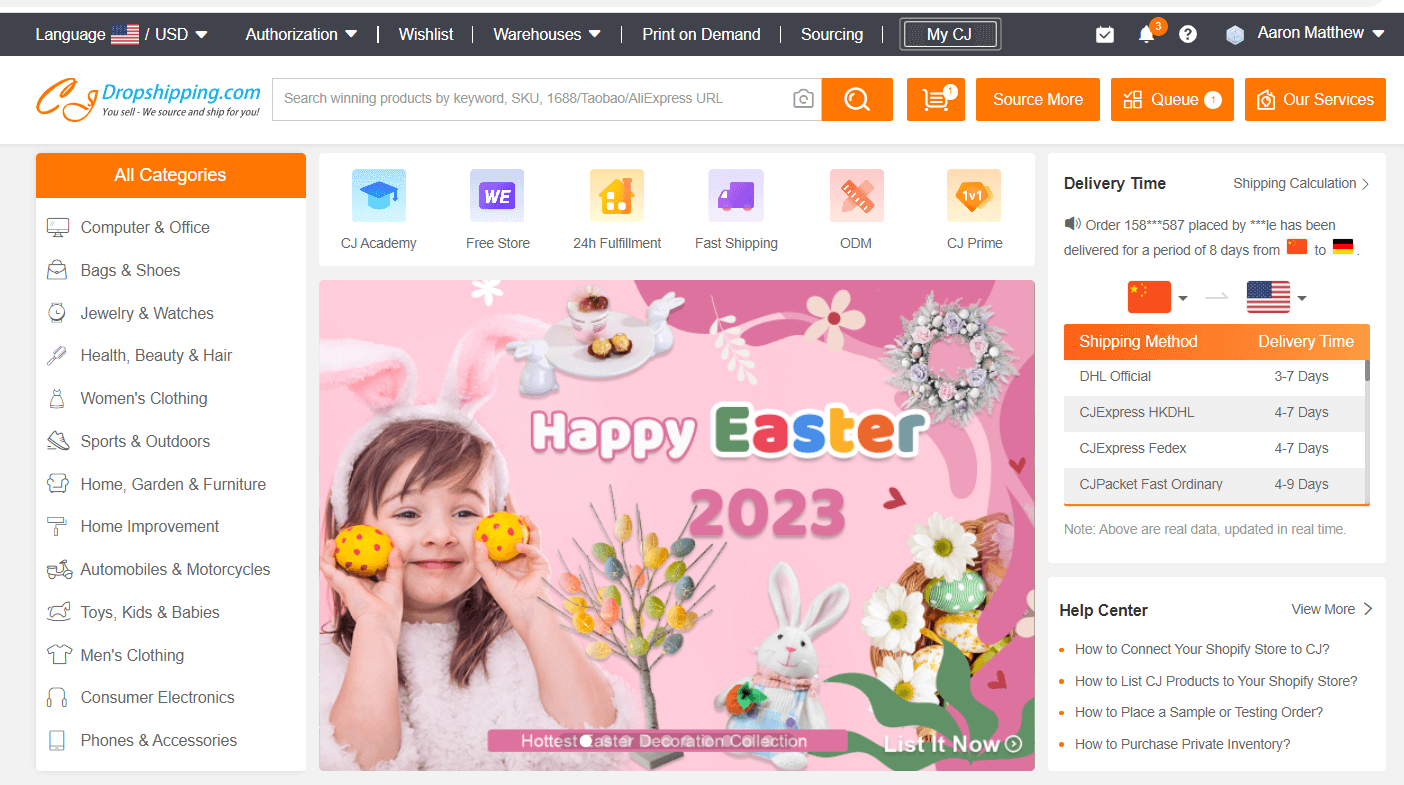
I'd keep CJ on a broad product list. Its Mexico portal doesn't prove local stock. Save the warehouse, handling time, carrier, packed weight, return address, and fix for a bad unit. Branding or pre-stock work can raise the cost to start.
The route fits an early test where range matters more than local origin. It fits poorly when every product must ship from Mexico under one return standard.
4. HyperSKU for managed sourcing
HyperSKU fits a tested product that needs sourcing help, shipping, and custom packs. Its shipping guide includes Latin America. It also says routes vary by product and address.
The workflow starts with a quote. Ask for item cost, handling, packed weight, route, tracking, and the target postcode. The quote guide says it includes shipping price and time by country.
I'd use HyperSKU after a product shows enough promise to justify a supplier conversation. If you need prices before contact, try a marketplace or print-on-demand catalog first.
Custom packs can add minimums and raise the cost of a failed product. Start with a plain sample. Add branding after the item and route pass.
5. Spocket for discovery and integration
Spocket fits a store that wants supplier search, product import, and order routing in one place. Its shipping guide lists handling and shipping for each product.
The item record is what matters. Set the address to Mexico. Save the origin, supplier, handling time, transit time, shipping fee, and return option. A region filter or badge can't replace those fields.
Spocket's supplier terms let suppliers set different return options. The platform works for a mixed catalog. It won't give the whole store one warehouse or return rule.
6. AppScenic for catalog automation
AppScenic fits sellers who want stock, price, order, and tracking updates across several suppliers. Mexico appears in its market list. Its terms say profiles can show location, handling, shipping, and supply terms.
The profile holds the product facts, and AppScenic says each supplier has its own return policy. Save the supplier name beside every SKU so a stock or delivery problem reaches the right business.
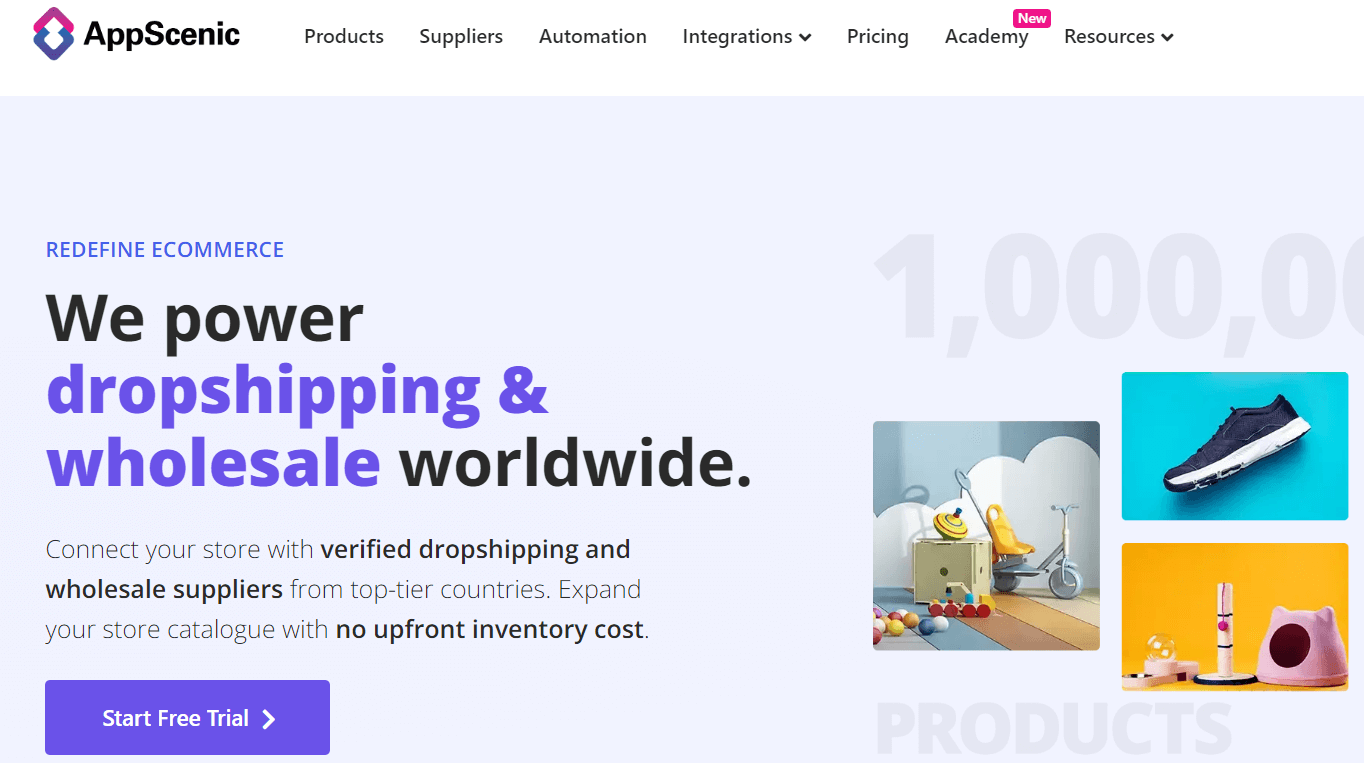
Automation saves manual work when the exact supplier already passes. It can't turn weak Mexico delivery evidence into a reliable route. Choose another model if one contract, warehouse, and support team must control every item.
7. SaleHoo for direct supplier discovery
SaleHoo fits a seller who wants supplier leads and will vet each business. Its directory page says members can filter by supplier location or shipping address.
That filter can find firms that claim Mexico coverage. SaleHoo doesn't hold stock, pack the parcel, or take the return. The named firm still owes you the quote, minimum, sample terms, origin, pack, and return address.
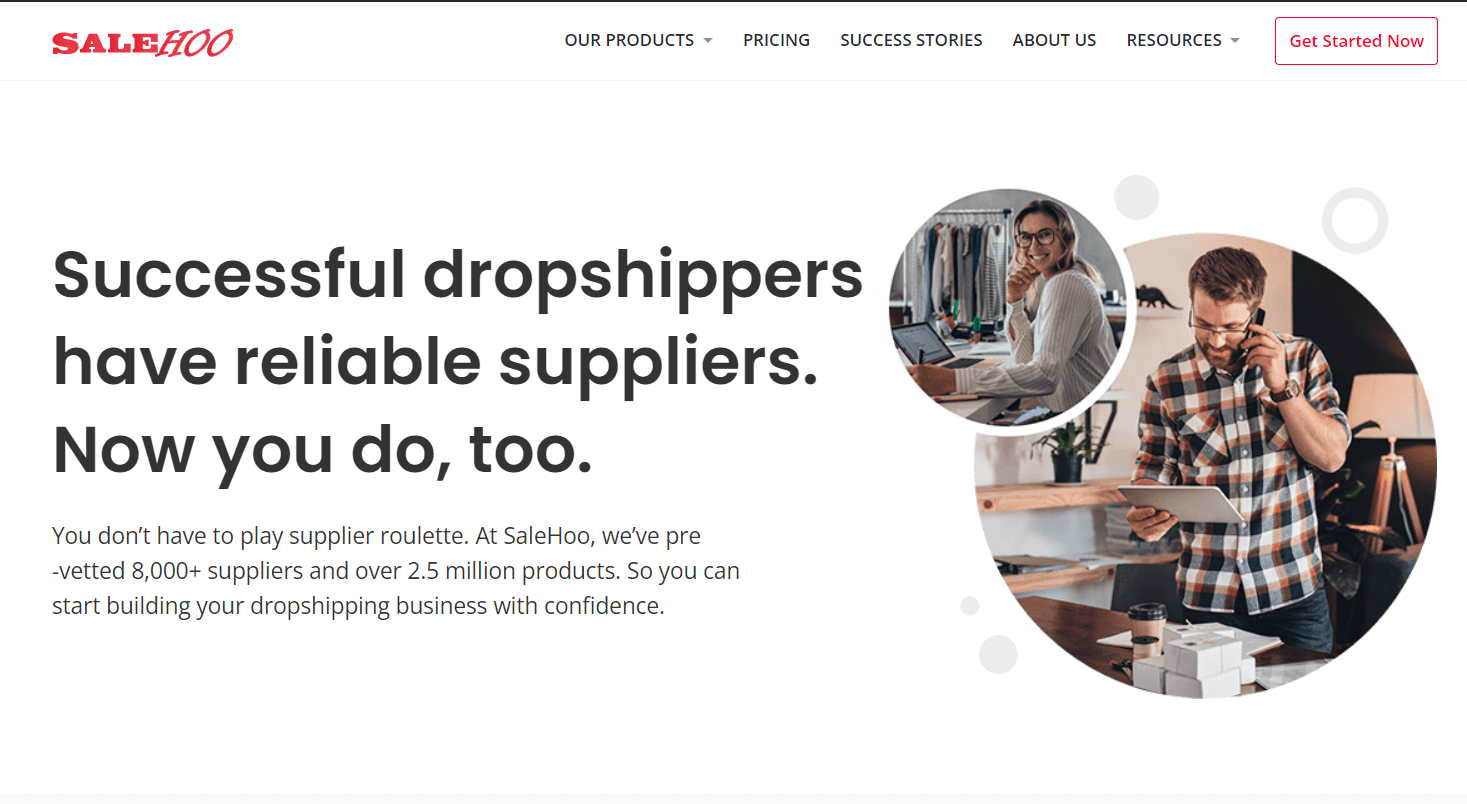
Use the directory when a specialist category needs direct contact. Sellers who want automatic order handling and one visible catalog should start with another route.
8. AliExpress for low-commitment tests
AliExpress fits small tests when you verify the exact listing, seller, and Mexican address. Its Business Program agreement names a dropshipper role. The Mexico store shows the product and checkout record.
The marketplace has no single stock site, handling time, pack, or support rule. Save the variant, seller, ship-from site, delivery time, tracking, and return terms.
A similar photo from a second seller doesn't prove the same item. Order both if you need a backup. Use the same postcode and checks.
AliExpress works for early tests and wide selection. It fits poorly when your brand needs uniform packaging, local returns, or one supplier accountable for every SKU.
Why were three legacy picks removed?
EPROLO, SHEIN Mexico, and Dropified remain source leads, but their public pages don't prove a Mexico supplier route comparable with the active eight. The dated decisions are,
- EPROLO: The app supports broad international fulfillment without establishing the Mexico-specific route used by this comparison.
- SHEIN Mexico: The page is a retail storefront rather than published supplier terms.
- Dropified: Its automation and sourcing offer doesn't publish a Mexico route or support the former toy-specific claim.
A candidate can return if a current Mexico warehouse, destination page, or supplier program supplies those missing fields.
Build the Mexico order path
A usable Mexico quote names the postcode, stock site, charge currency, carrier, buyer language, and return address. These fields show whether a local-looking page still creates a cross-border order.
Record the country-specific fields in one place,
- Fix the exact SKU, variant, packed size, and weight.
- Save the ship-from site, processing time, carrier, and postcode estimate.
- Separate the supplier charge currency from the customer's Mexican peso price.
- Record who quotes and collects any route-specific import charges.
- Check the Spanish tracking message and usable local-carrier link.
- Name the return country, address, deadline, evidence, and payer.
- Confirm order import, variant mapping, tracking sync, and cancellation timing.
- Resolve current tax, product, payment, and marketplace rules for the seller setup.
The payment and owner fields depend on your account, product, and route. Keep them separate from the supplier quote. A platform setting isn't a shipping promise.
Prove the Mexican postcode, parcel, and buyer remedy
Use four checks to narrow two or three picks to one tested route and one backup. Each check uses the record from the prior one. Weak picks leave before they reach a buyer.
Run the four stages in order,
- Fix the product and Mexico requirement: Define the order the supplier must support.
- Verify the exact route in writing: Fill every unknown from an official record or reply.
- Compare the sample and return path: Test the item and failed-order remedy.
- Test one live order and backup: Confirm the connected workflow and fallback.
Fix the SKU, Mexican postcode, and buyer promise
Start with one exact product, variant, postcode, and customer promise. A broad request for "fast shipping to Mexico" lets every supplier answer a different question.
Write the top delivered cost and arrival range. Add the pack, sales channel, return site, and support language. Use that record for every pick. Find dropshipping suppliers after you fix the need, or a larger list will add more weak fits.
Verify stock origin, carrier, and currency in writing
Match every public claim to the exact product and Mexican postcode. Save the date, business name, stock site, handling time, carrier, tracking, packed weight, charge currency, and return address.
Ask about blind shipping, invoice removal, branding, canceled orders, and replacements. Record who pays each failed-order cost. Our supplier selection checklist covers the wider checks without repeating this Mexico record. If the reply changes the public page, keep the reply with the quote and shorten the recheck interval.
Compare the sample with the Mexican return path
Order the exact product through the route you plan to use. A generic sample from another provider, warehouse, or variant can't prove the customer order.
Check the item, pack, label, tracking events, delivery attempt, and support response. Then ask how a damaged item, wrong variant, or buyer return would move and who would pay.
The sample also gives your backup a fair comparison. Use the same postcode and checklist so a cheaper quote can't hide weaker packaging or support.
Test one live order and its backup route
Run one order through the linked store before sending normal traffic. Confirm the SKU, address, tracking, buyer message, and canceled-order state move between both systems.
Keep the second tested route off but well recorded. Pause the listing if stock, origin, price, carrier, or returns change. Move only after the backup passes.
This is where I would approve a supplier. A good sample proves the item, while the live order proves the workflow that a buyer will experience.
Price Mexican delivery, currency exposure, and returns
A supplier works only when the full delivered order fits your price and buyer promise. The item quote is one field. The buyer gets the item, pack, transit, tracking, support, returns, and replacements as one product.
Build the total from these fields:
A low item quote can lose after shipping, support, and failed orders. Compare the same SKU and postcode. Keep the route that can fund your buyer remedy.
Reject a route that can't prove the Mexican handoff
Reject a supplier route when one blank field can break your product-page promise. Demand stock proof even when the catalog looks good. Failed samples and bad return paths outweigh a low quote.
Use these stop rules,
- Reject a business that won't provide a verifiable contracting name.
- Reject a sample that differs from the planned listing or repeat sample.
- Reject a route that can't name origin, processing, carrier, and postcode timing.
- Reject a route with no workable return address, remedy, evidence process, or payer.
- Reject a workflow that maps the wrong variant, address, or tracking event.
- Reject replies that stay vague after one clear written follow-up.
- Pause the product when no tested second route can keep the same promise.
I would pay more for a passed sample, saved terms, and a tested backup. Approve the route only after its record and live order match the promise on your product page.
FAQ
When should I retest a Mexico supplier route?
Re-check the route whenever the product, warehouse, destination, price, carrier, policy, or order result changes. Run a scheduled source review within a year even when nothing obvious changes.
Can two Mexico-ready suppliers back up the same SKU?
Two suppliers can support the same listing only when both pass the product and route test. Keep variant mapping and stock rules clear so the backup doesn't send a different item.
What if the Mexican live order differs from the sample?
Pause the listing and treat the live-order result as the current evidence. Ask the supplier to explain the changed item or route, then retest before selling again.


