

8 Best Dropshipping Supplier Options in New Zealand
Compare eight New Zealand supplier options by local or cross-border model, stock origin, processing, delivery, packaging, returns, and unresolved evidence.
The best dropshipping suppliers in New Zealand include Digitees, Common Goods Printshop, Dynamic Supplies, and Watches of NZ as four local options. SaleHoo, CJDropshipping, Spocket, and AliExpress widen the search when those catalogs miss the product fit.
Some options make or stock products in New Zealand. The rest are a directory, a sourcing platform, or listing marketplaces. Those models give you less control over each seller's fulfillment terms.
I ran one-product Shopify stores. The buyer held my brand to account for each supplier mistake. This shortlist contains eight options that still need order-level checks.
Key takeaways
Which supplier options are worth checking in New Zealand?
Start with a New Zealand supplier when its catalog and public terms fit your store. Use SaleHoo, CJDropshipping, Spocket, or AliExpress only when a broader search solves a clear product gap. Every route still needs an exact item and destination test. Record packaging, blind-shipping confirmation, and landed cost for the destination, and start with CJ's help center.
Check Spocket pricing for current entry costs.
Use Spocket's sample-order guidance to plan the route test. Digitees and Common Goods publish local production facts. Dynamic Supplies states nationwide dropshipping. Watches of NZ offers a local business connection, but its exact SKU origin still needs confirmation.
SaleHoo, CJ, Spocket, and AliExpress offer broader searches, and saleHoo helps you find suppliers. CJ adds sourcing and fulfillment services, and spocket and AliExpress expose individual listings with seller-level terms.
Pick the option that can support your product-page promise. Check the item, process time, delivery, packing, support, returns, and replacements. Your buyer sees all of them as part of the product.
Match eight supplier routes to a New Zealand order
These eight options cover local production, specialist resale, a Shopify supplier connection, a directory, one sourcing platform, and two listing marketplaces. I would check the local options first. Local fit sets the order. As seller-level checking rises, the list continues,
- Digitees for local print on demand
- Common Goods for no-minimum local merch
- Dynamic Supplies for technology resellers
- Watches of NZ for Shopify watch stores
- SaleHoo for a screened supplier directory
- CJDropshipping for sourcing and branding
- Spocket for listing-level supplier comparison
- AliExpress for seller-level product tests
Digitees and Common Goods show New Zealand production evidence. Dynamic Supplies states nationwide dropshipping. Confirm the Watches of NZ SKU origin before treating it as locally fulfilled.
1. Digitees for local print on demand
Digitees is a strong local option for a store selling custom apparel or branded merchandise.
Because the public evidence is narrow, start with the fields below,
- Evidence: The Digitees dropshipping page says it can fill store orders and offers a free merch-store option.
- Terms: Standard orders can take up to five working days, and it states no minimum order quantity.
- Best fit: Use it for custom apparel or merch, where one design can be tested before you buy stock.
- Poor fit: Skip it for products where printing has no role or when you need a broad general catalog.
- Limit: Printing must fit the product, and you still need the exact courier quote and buyer delivery estimate.
- Next step: Ask for one garment, print placement, packaging method, shipping price, and reprint process, then send a second order through your store flow.
- Backup: Approve a second local print provider against the same garment, print, packing, and delivery spec.
The page starts the check. It doesn't prove the full trip. Test the same item, print, box, courier, address, and reprint path you'll use for buyers. Keep it off the store until each part matches the written terms.
2. Common Goods for no-minimum local merch
Common Goods is worth checking for small custom-merch runs when you want Auckland production without a stated minimum.
To balance the private fields, use these route checks,
- Evidence: The Common Goods POD page states no minimums, a five-day turnaround, tracked New Zealand delivery, and Northwest Auckland production.
- Best fit: Creators, clubs, and niche stores can sell apparel before they buy stock.
- Poor fit: Skip it for non-merch catalogs or when you need a plug-and-play store link shown before contact.
- Limit: The page leaves its standard store link, neutral-packing rule, failed-delivery process, and return process unpublished.
- Next step: Send the exact garment and print spec, then ask how the order enters production, whose name is on the parcel, and where returns go.
- Backup: Keep another tested print shop ready for the same garment and artwork files.
Use the page to start the talk. Then get the terms in writing and place a test order. Check the box, delivery, and return path before you list the item. A local print claim can't replace those checks.
3. Dynamic Supplies for technology resellers
Dynamic Supplies is a provisional local option for approved technology and office-product resellers.
Until account approval confirms the details, record these limits,
- Evidence: The Dynamic Supplies New Zealand site describes reseller access, nationwide dropshipping, datafeeds, and a technology and office catalog.
- Best fit: It suits an approved reseller that needs local tech, IT, office, or electronics stock.
- Poor fit: Skip it when you lack reseller access or your niche sits outside its specialist catalog.
- Limit: Full prices, account terms, returns, and SKU stock sit behind reseller approval, so wait for access before building the catalog.
- Next step: Apply with a clear niche and sales channel, then ask for stock-update timing, destination quotes, warranty routing, returns, and dispatch proof.
- Backup: Approve another technology distributor before a key SKU depends on one reseller account.
4. Watches of NZ for Shopify watch stores
Watches of NZ is a New Zealand-branded Shopify Collective option whose SKU origin still needs confirmation.
Because Shopify Collective shapes the process, check these operating fields,
- Evidence: The Watches of NZ partner page uses Shopify Collective, where retailers import virtual stock and Watches of NZ handles direct shipping and returns.
- Best fit: It suits a Shopify store focused on watches or jewelry.
- Poor fit: Skip it for non-Shopify stores, broad product ranges, or a store that needs open partner prices.
- Limit: Watches of NZ has a narrow catalog, partner prices remain private, and the page names New Zealand and Dubai sites.
- Next step: Connect, pick one watch, ask where it sits, and confirm the merchant price, shipping estimate, packaging, stock sync, and return point.
- Backup: Approve another Collective supplier or tested watch source before relying on one catalog.
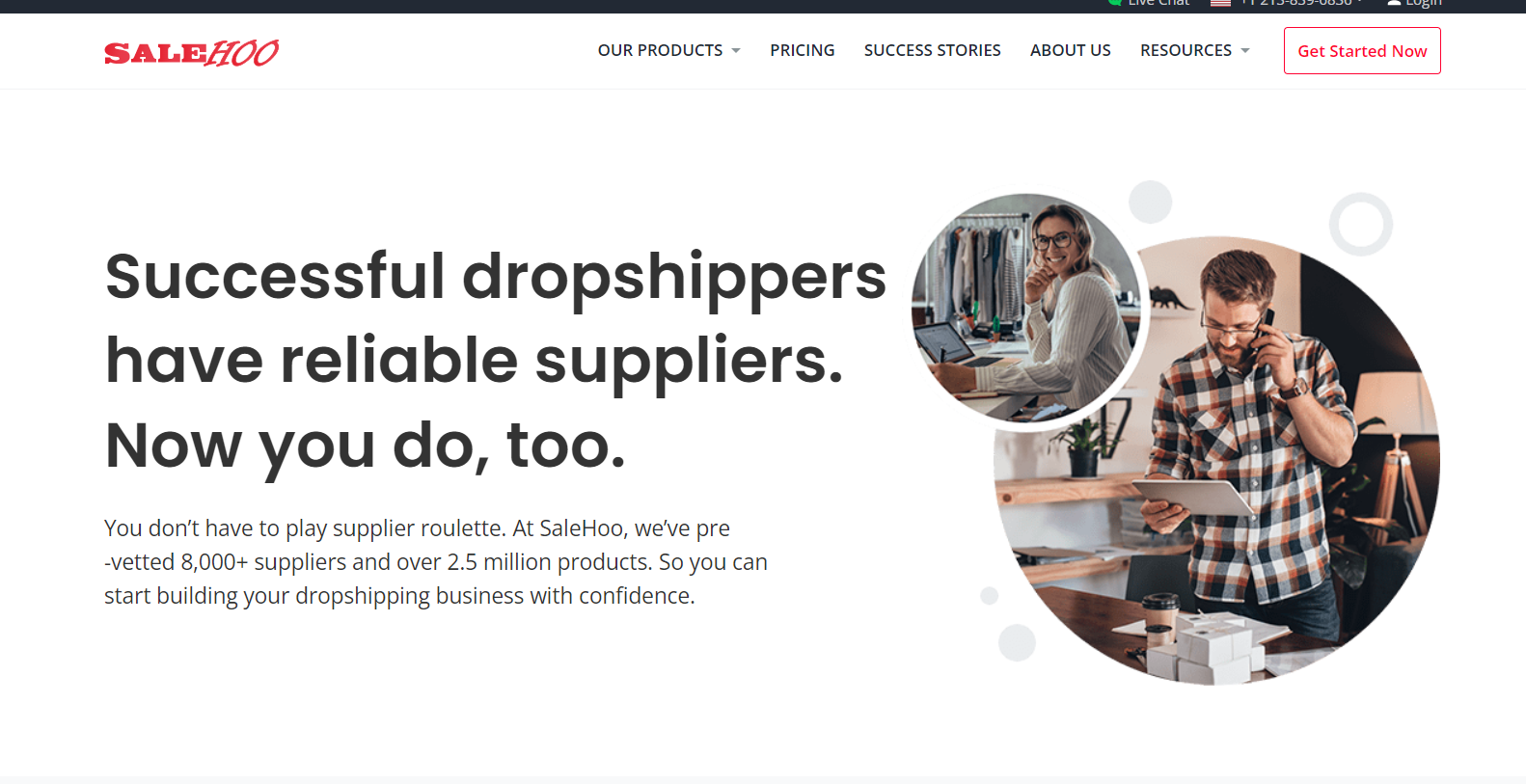
5. SaleHoo for a screened supplier directory
SaleHoo is a directory for building a supplier shortlist, while each listed supplier fulfills its own orders.
For directory-led discovery, record the supplier-level limits below,
- Evidence: The SaleHoo supplier directory lists more than 8,000 vetted suppliers.
- Search tools: Its filters cover location, ship-to country, and order minimum.
- Cost: The SaleHoo pricing page lists Starter at USD 9 per month when billed yearly.
- Best fit: Use it to turn a broad search into a short contact list.
- Poor fit: Skip it when you expect one company to own fulfillment, returns, and the shipping promise.
- Limit: Each listed firm sets separate terms for shipping, samples, returns, and packing.
- Next step: Find three firms that state they serve New Zealand and send each one the same SKU, address, sample, packaging, and return questions.
- Backup: Keep a second directory candidate after the first supplier passes its live-order test.
6. CJDropshipping for sourcing and branding
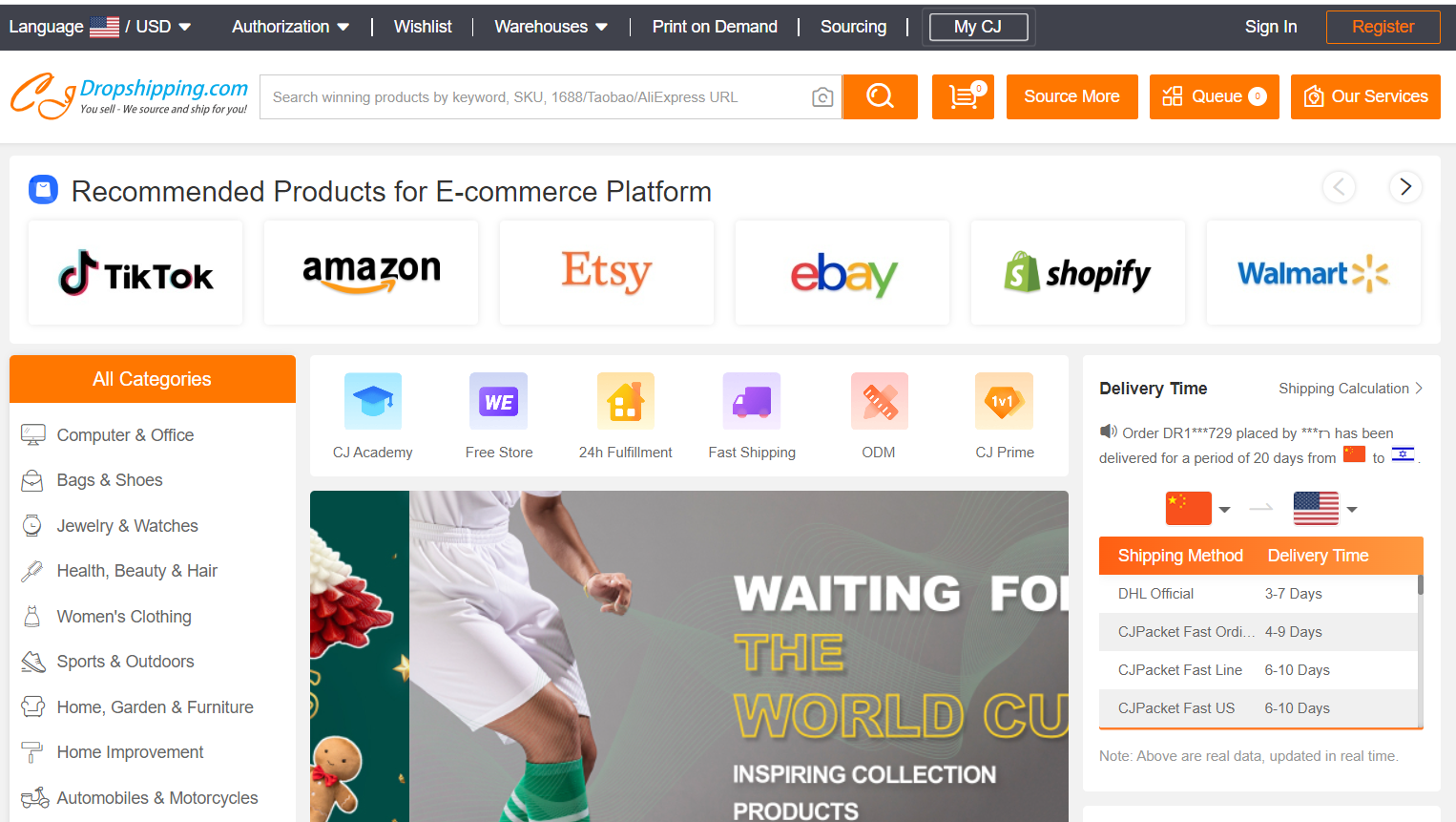
CJDropshipping is an unverified New Zealand-delivery option until one SKU and postcode receive a dated quote.
Because the warehouse list limits the claim, record these route details,
- Evidence: CJ's Shopify integration page lists sourcing, stock sync, automated fulfillment, tracking, print on demand, and branding.
- Warehouse: The CJ service-fee page names China, the United States, Poland, Germany, and Great Britain, with New Zealand absent.
- Best fit: It suits sellers who need sourcing, packing, or store links more than local stock.
- Poor fit: Skip it when your product page depends on a stated New Zealand warehouse or one local return point.
- Limit: A New Zealand ship-to option proves destination access only, so each SKU needs an origin, process time, last-mile service, and return route.
- Disputes: CJ uses set refund, resend, return, and evidence rules.
- Next step: Ask an agent to quote one SKU to one postcode and save the warehouse, process time, service, tracking handoff, packaging cost, and return point.
- Backup: Keep another quoted warehouse or supplier for that SKU before a live launch.
7. Spocket for listing-level supplier comparison
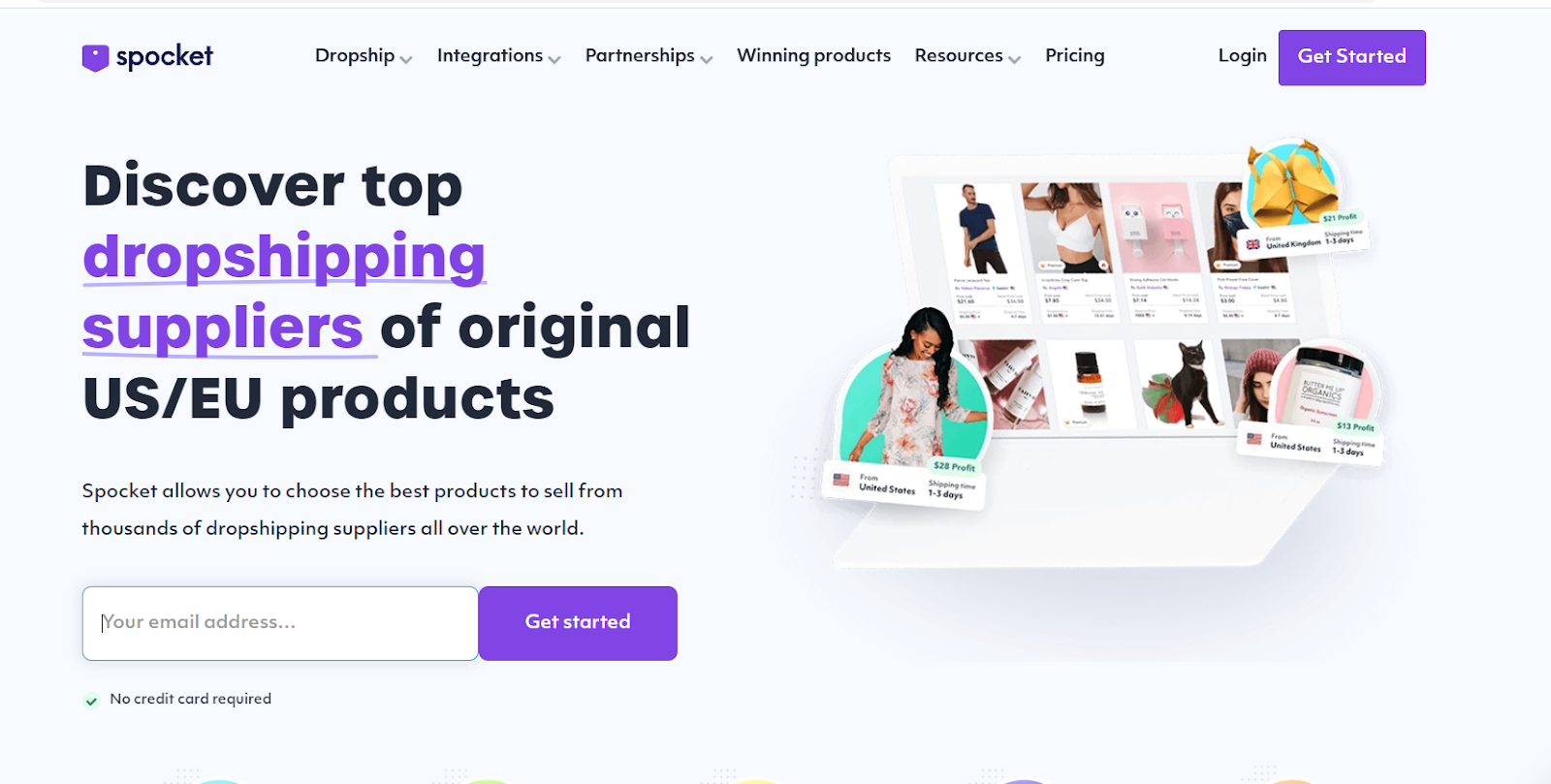
Spocket compares individual listings, and each supplier sets its own processing, delivery, and return terms.
For each listing's separate terms, record these fields,
- Evidence: Spocket's shipping guide splits process time from shipping time, and both vary by firm, place, and service.
- Samples: Its sample-order guide allows one to five products per sample order.
- Best fit: It suits a store that wants to compare single listings inside an app.
- Poor fit: Skip a listing when its supplier, process time, destination quote, or return terms remain vague.
- Cost: The Starter plan is USD 39.99 per month after a seven-day trial.
- Limit: Map shipping separately because the item price excludes it and Spocket exports the product without a separate Shopify shipping field.
- Next step: Filter for the ship-to country and niche, then check one listing's process time, transit, sample, shipping cost, and return terms.
- Backup: Save and test a second listing instead of assuming another Spocket supplier will match the first.
8. AliExpress for seller-level product tests
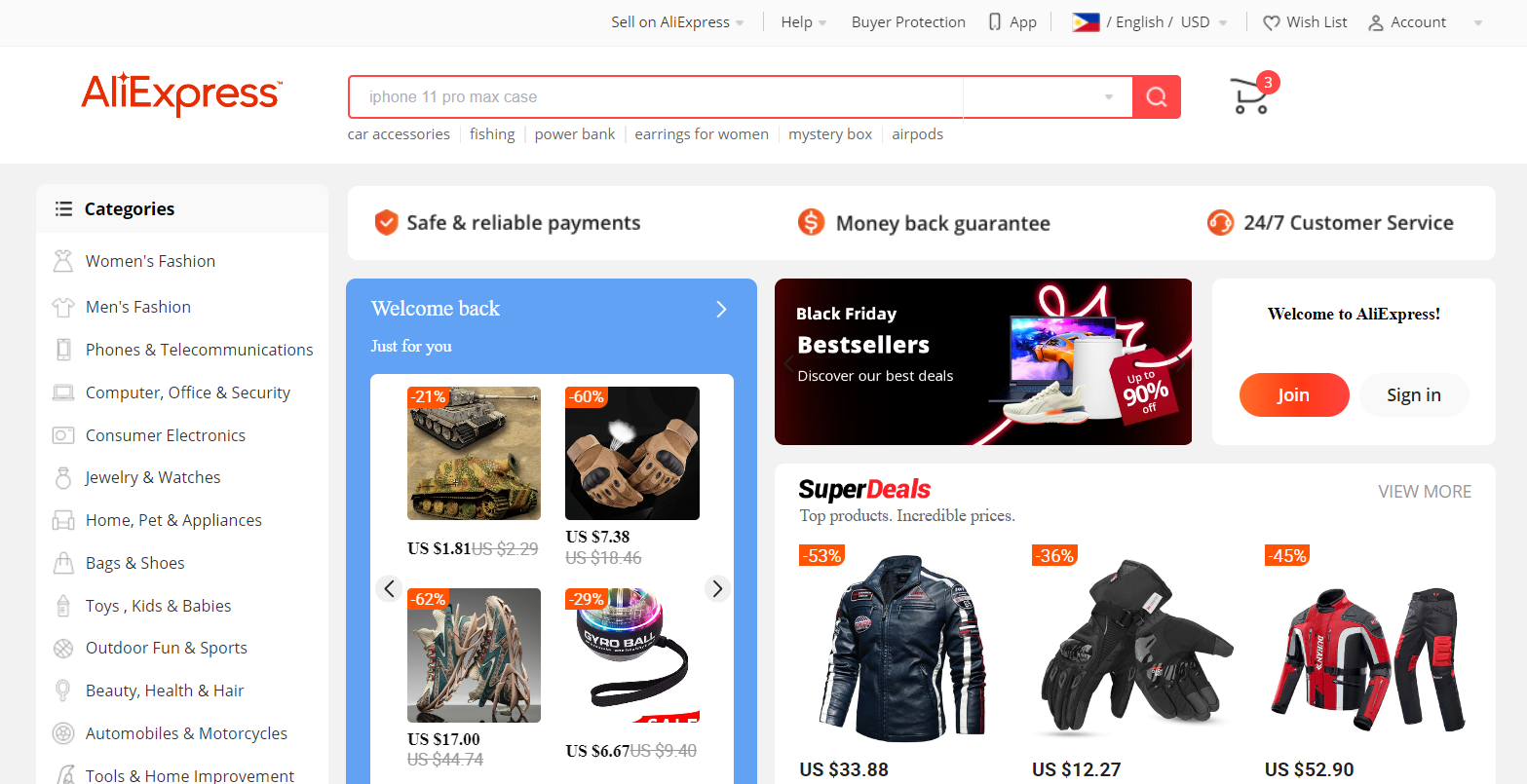
AliExpress is a low-commitment option for testing a broad product idea when you can tolerate seller-level variation.
Because the seller and listing stay linked, record these shared details,
- Evidence: The marketplace offers many listings without a directory fee or reseller approval.
- Best fit: Use it to test an early product before that product earns a closer supply deal.
- Poor fit: Skip it when you need fixed local stock, neutral packing, one return point, or stable seller-level control.
- Limit: Similar photos can hide seller differences, and the AliExpress Free Return terms apply only to labeled products that meet the terms.
- Next step: Place a normal-size order, save the seller, variant, ship method, time estimate, tracking, packaging, and return label, then repeat the test after a listing change.
- Backup: Test a second seller and exact variant before the first seller becomes a single point of failure.
Prove the New Zealand stock point, parcel, and return route
The New Zealand Supplier Proof reduces a broad supplier search to a live-order decision in four dependent stages. Run the stages in order,
- Set the operating requirement.
- Verify the current official claims.
- Compare a sample and written terms.
- Test one live order and re-check it.
Reject failures after each stage, before paying for the next test.
Fix the SKU, destination, and delivery promise
Write the customer promise before you search for a supplier. Set the product type, sales channel, buyer location, packing need, and delivery window. Add the return address and support standard. Delivery and return terms matter more than catalog size.
Apply the operating requirement before collecting product ideas. Reject any option that misses the product, destination, packing, delivery, return, or support requirement. A shirt store and a tech store need different supplier lists. Use our guide to find dropshipping suppliers after those pass-and-fail fields are written.
Verify production, stock origin, and carrier terms
Turn each candidate's public claims into a supplier evidence card. Record the business name, model, stated location, product fit, store connection, and order minimum. Also save processing, delivery, return, support, and source details, and Mark each field as pass, fail, or unresolved.
The evidence card keeps different business models clear. SaleHoo is a directory, while Spocket and AliExpress hold many sellers.
CJ may use one of several warehouses. Approve the exact SKU, fulfillment origin, carrier service, and return address.
Match the delivered sample to the written terms
Use the sample and written reply to test the claims that matter to your customer. Send each survivor the same SKU, variant, postcode, order size, packing need, return case, and replacement question. Order through the same store and fulfillment process you would use after launch. Use our supplier selection checklist to keep the replies side by side.
Accept a reply only when it names the return address and delivery service.
Run one New Zealand order through the store
One representative order can provisionally approve the tested SKU, seller, warehouse, shipping method, postcode, and date. Place the order as a buyer would. Record the order-created time, supplier acceptance update, carrier acceptance scan, and tracking number.
Inspect the parcel, item, and brand marks. Save the result beside the first evidence card and limit the approval to a small launch test. Repeat the evidence-card, quote, sample, and live-order checks after a seller, SKU, warehouse, ship method, store link, or return change.
Choose local production or a cross-border catalog by the SKU
New Zealand production can reduce domestic fulfillment distance, while cross-border platforms offer wider catalogs with more SKU-level checks. Use this comparison to decide where to begin:
The table identifies which party must provide each missing fact. Local work can still face a print queue or courier delay. A cross-border supplier can still work when its quote, tracking, and returns are clear.
Ask for urban and rural quotes when both buyers are in scope. Record the invoice currency, store currency, and exact postcodes served.
I would start with a local supplier only when its catalog fits. Product fit still controls the decision.
Price New Zealand delivery, failed orders, and returns
Compare the full delivered order before you choose a quote. Build the quote from fields you can verify:
This is a schematic until you add current quotes. Add the product price, shipping, packing, payment fee, and return or replacement reserve.
A cheaper quote that omits the return destination carries an unpriced gap. Compare that with a higher quote that includes tracking, return steps, and a replacement process.
I would pay more for a supplier that closes a real tracking or return gap. A vague promise earns no premium.
Sales Tracker reports observed activity for tracked TikTok shops and products. This is a scoped TikTok-shop product signal. Supplier choice still depends on New Zealand order and fulfillment evidence.
Reject a route that can't prove its New Zealand handoff
Reject a candidate when its identity, sample, delivery evidence, or return process fails your store promise. Use stop rules before an attractive catalog or low quote changes the decision,
- Reject a New Zealand business when its name and NZBN or company number fail to match the official register.
- Reject a listing when the supplier omits a quote for the exact destination.
- Reject a candidate when no representative sample is available.
- Reject a supplier when processing and transit remain combined in one vague estimate.
- Reject a product when the fulfillment origin remains unclear.
- Reject terms that leave packaging, failed delivery, returns, or replacements unanswered.
- Reject a live-order result that differs materially from the approved sample.
- Reject stale evidence after the seller, SKU, warehouse, or shipping method changes.
Reject only the tested supplier, SKU, warehouse, shipping method, and postcode combination. Then test the next candidate against the same requirement. I would stop after one missing core field rather than fill it with an assumption.
FAQ
These answers help you manage a supplier after launch.
When should I retest a New Zealand supplier route?
Re-check after any major change and during each planned review. Repeat the evidence-card, quote, and sample checks. Also repeat the live order after a seller, SKU, site, carrier, price, store link, packaging, or return change.
Can a local and cross-border supplier back up the same SKU?
Yes, but each supplier needs its own approved spec and tested fulfillment process. Before switching suppliers, match the item, packing, tracking, delivery, and return promise shown to the buyer.
What if the New Zealand live order differs from the sample?
Pause new orders, record the gap, and request a documented process change. Ask who owns the failed step and when the change takes effect. Resume only after a fresh order matches the approved spec.


