

15 Best Summer Product Ideas to Research in 2026
Compare 15 warm-weather product ideas by buyer, demand window, fulfillment risk, and test economics to build a market-specific summer shortlist.
The best summer products solve a clear warm-weather problem and still leave time for samples, delivery, and a small paid test. Use the 15 products below as research candidates and validate them in your target market.
I ran Shopify stores that sold one-time products. That experience taught me to check the product, supplier, shipping route, and offer before listing an item.
The comparison shows the buyer, seasonal use case, demand window, advantages, drawbacks, and fulfillment checks for each idea.
Key takeaways
Which 15 summer product candidates should you research?
This shortlist covers cooling, water, travel, beach, car, patio, and camping products, but every item remains a research candidate rather than a guaranteed winner. Compare demand in the target market, buyer use, supplier route, sample, packed shipping, returns, and the final viable order date before choosing a paid test.
Each entry is an unvalidated hypothesis for research in your target market.
Start with these product ideas,
- Portable neck fans
- Quick-dry cooling towels
- Insulated water bottles
- Waterproof phone pouches
- Waterproof Bluetooth speakers
- Inflatable pool loungers
- Polarized sunglasses
- EVA flip-flops
- Quick-dry beach towels
- Beach shade tents
- Car windshield sun shades
- Solar outdoor string lights
- Packable daypacks
- Packing cubes
- Portable hammocks
Use all six fields for each product.
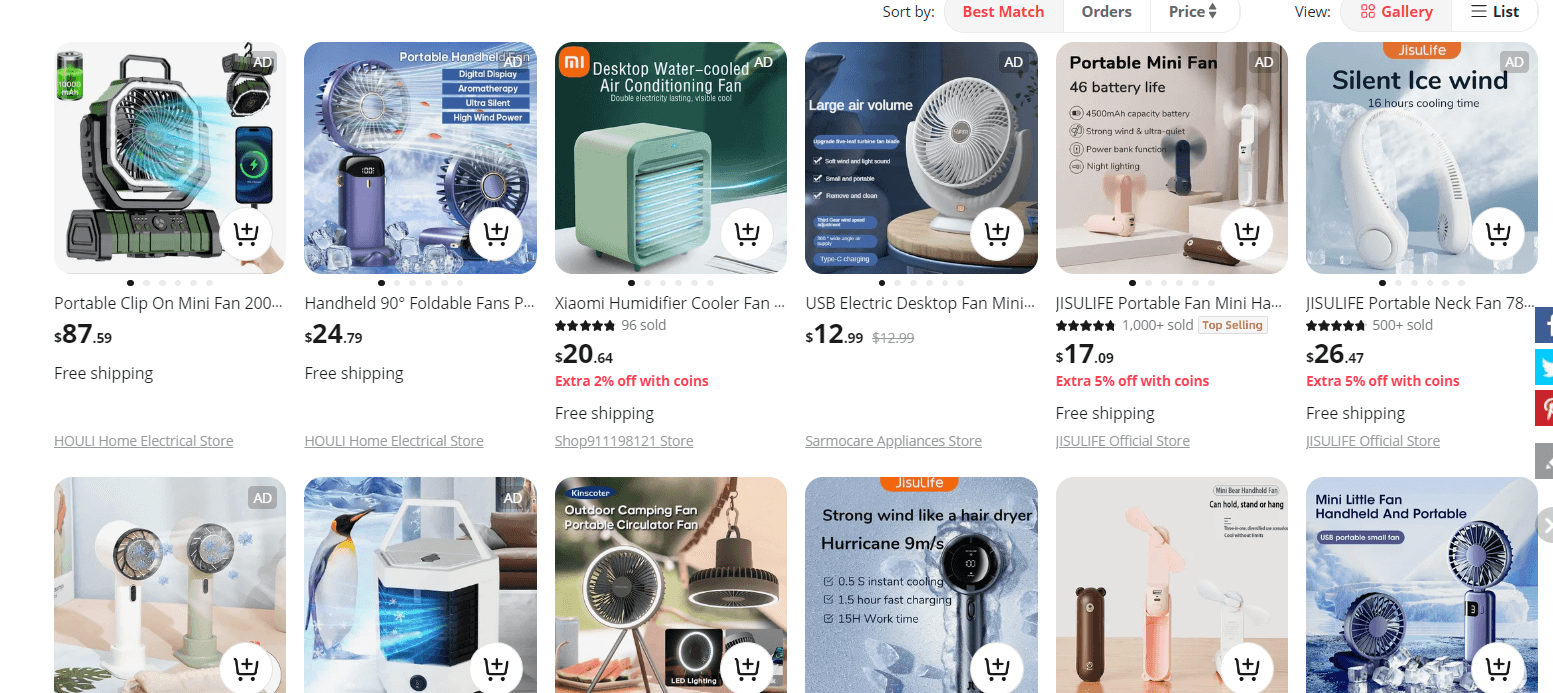
1. Portable neck fans
Portable neck fans need a strong sample because buyers notice weak airflow immediately.
Evaluate the product on these points before you sample it:
- Use case: Cooling during commutes, festivals, outdoor work, travel, and sports sidelines.
- Likely buyer: Commuters, festival visitors, outdoor workers, parents, and travelers.
- Demand window: Test in spring for local heatwaves and outdoor-event season.
- Advantages: Clear video demo, compact parcel, color variants, and bundle potential.
- Drawbacks: Crowded offers, noisy motors, weak airflow, and battery complaints.
- Fulfillment: Ask for carrier-required battery documents, then confirm acceptance in writing.
Check the airflow first. Confirm the shipping route in writing.
2. Quick-dry cooling towels
Cooling towels need repeat wash tests because poor fabric quickly loses buyer trust.
Record these details before you sample one:
- Use case: Wiping sweat and cooling exposed skin during hot activities.
- Likely buyer: Runners, gym users, hikers, coaches, workers, and campers.
- Demand window: Late spring through hot-weather sports and outdoor-work periods.
- Advantages: Lightweight shipping, simple demo, low breakage risk, and easy bundles.
- Drawbacks: Thin materials, color bleed, weak stitching, and exaggerated cooling claims.
- Fulfillment: Wash samples repeatedly and verify dimensions, fabric, seams, and packaging.
Run the final wash test. Keep the towel only if it still looks ready to sell.
3. Insulated water bottles
Insulated water bottles need leak-proof packaging because one failure can damage the whole parcel.
Check the candidate against these fields:
- Use case: Carrying cold water for work, travel, exercise, and day trips.
- Likely buyer: Commuters, gym users, hikers, students, drivers, and sports parents.
- Demand window: Spring through summer travel, hiking, sports, and heat periods.
- Advantages: Many buyer groups, personalization options, bundles, and sales beyond summer.
- Drawbacks: Crowded market, heavy parcels, leaks, dents, and coating defects.
- Fulfillment: Test seals, insulation, materials, finish, drop damage, and packed weight.
One leaking sample is enough to pause the supplier.
4. Waterproof phone pouches
Waterproof phone pouches carry high complaint risk because a failed seal can damage an expensive device.
Use these checks for the first sample:
- Use case: Keeping a phone accessible around water, sand, and wet weather.
- Likely buyer: Beachgoers, cruise guests, boaters, paddlers, travelers, and festival visitors.
- Demand window: Before beach trips, cruises, water parks, and boating season.
- Advantages: Small parcel, obvious demonstration, broad phone fit, and bundle potential.
- Drawbacks: Seal failures, touchscreen problems, fogging, and expensive damage complaints.
- Fulfillment: Test every seal, size range, lanyard, screen use, and instructions.
Treat a failed seal as a stop. This item carries more risk than a simple accessory.
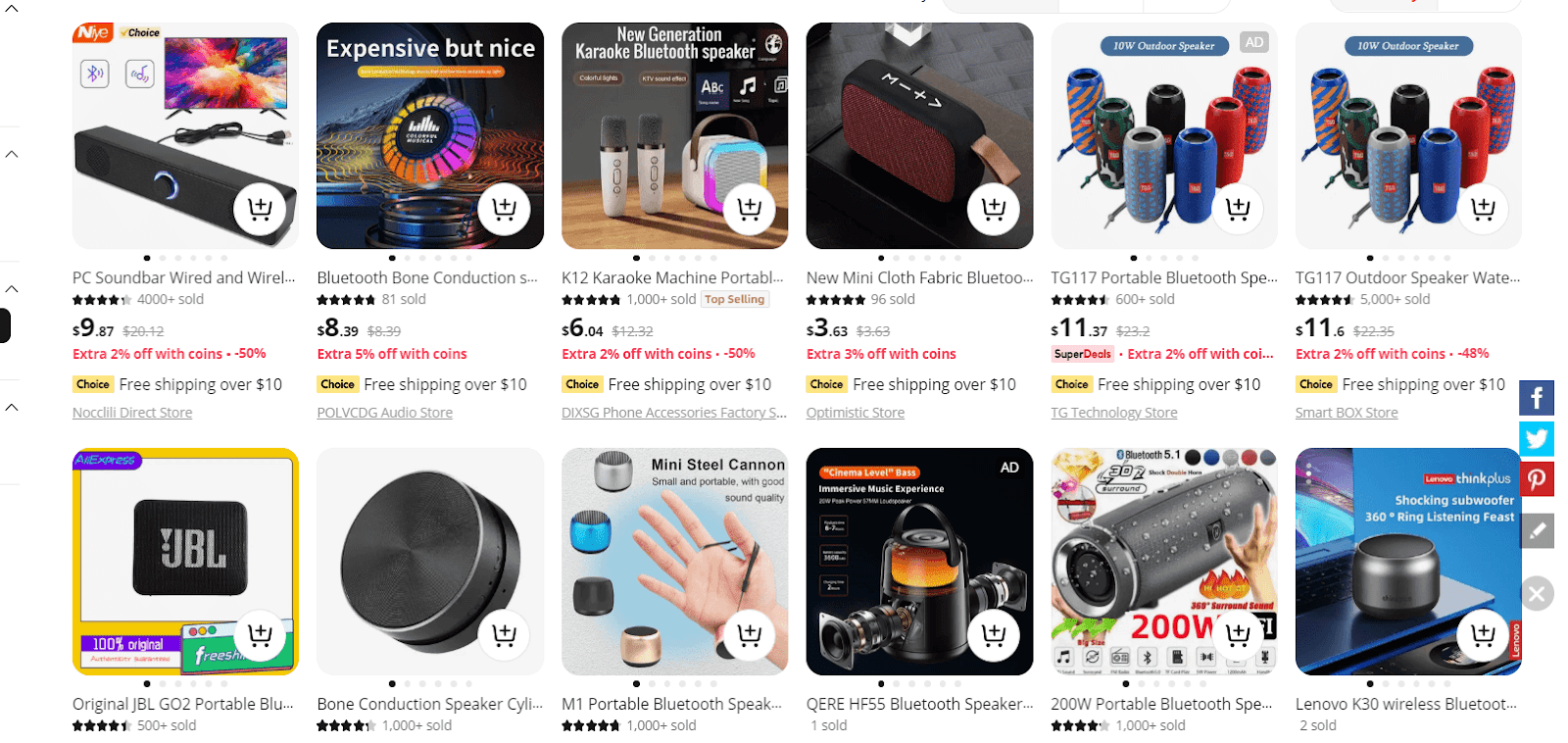
5. Waterproof Bluetooth speakers
Bluetooth speakers need evidence for audio quality and water resistance before a test.
Check these fields before you sample one:
- Use case: Playing audio during outdoor gatherings, trips, workouts, and camping.
- Likely buyer: Travelers, campers, hosts, students, beachgoers, and outdoor exercisers.
- Demand window: Before pool parties, beach trips, camps, and outdoor gatherings.
- Advantages: Strong demo content, gift appeal, variants, and year-round demand.
- Drawbacks: Sound disappointment, pairing issues, weak batteries, and false water claims.
- Fulfillment: Verify audio, pairing, runtime, charging, water-rating evidence, and written battery acceptance from the carrier.
A passing sample must support every claim shown in the ad.
6. Inflatable pool loungers
Pool loungers need full inflation tests because small valve faults appear slowly.
Write down these details before listing one:
- Use case: Relaxing in pools during vacations, rental stays, and home gatherings.
- Likely buyer: Pool owners, vacation renters, hosts, families, and young adults.
- Demand window: Before pool openings, vacations, rentals, and warm-weather parties.
- Advantages: Poolside video demos, many shapes, compact uninflated parcels, and party bundles.
- Drawbacks: Punctures, slow leaks, misleading scale, and short usable life.
- Fulfillment: Inflate samples, measure dimensions, test valves, and include repair guidance.
Compare the dimensions with the listing. Reject the supplier when a valve fails.
7. Polarized sunglasses
Polarized sunglasses need supplier evidence for every protection claim in the listing.
Assess the offer with these fields:
- Use case: Reducing glare while driving, traveling, fishing, exercising, or relaxing outdoors.
- Likely buyer: Drivers, travelers, anglers, runners, cyclists, and fashion buyers.
- Demand window: Spring through vacations, driving, sports, festivals, and beach season.
- Advantages: Small parcel, style variants, accessory bundles, and year-round use.
- Drawbacks: Fragile frames, scratched lenses, fit issues, and unsupported protection claims.
- Fulfillment: Test hinges, lenses, packaging, sizing, and every advertised lens rating.
Save the supplier test document for every advertised lens rating.
8. EVA flip-flops
EVA flip-flops need sample-based measurements because supplier size labels can vary.
Check these parts of the product:
- Use case: Easy footwear for beaches, pools, showers, holidays, and casual errands.
- Likely buyer: Travelers, students, families, beachgoers, and pool users.
- Demand window: Late spring through beach trips, pools, camps, and holidays.
- Advantages: Low weight, many colors, bundle options, and clear seasonal use.
- Drawbacks: Sizing returns, odor, weak straps, slippery soles, and thin margins.
- Fulfillment: Verify sizing, strap strength, sole grip, odor, shape, and packaging.
Measure each insole and build the size chart from those results.
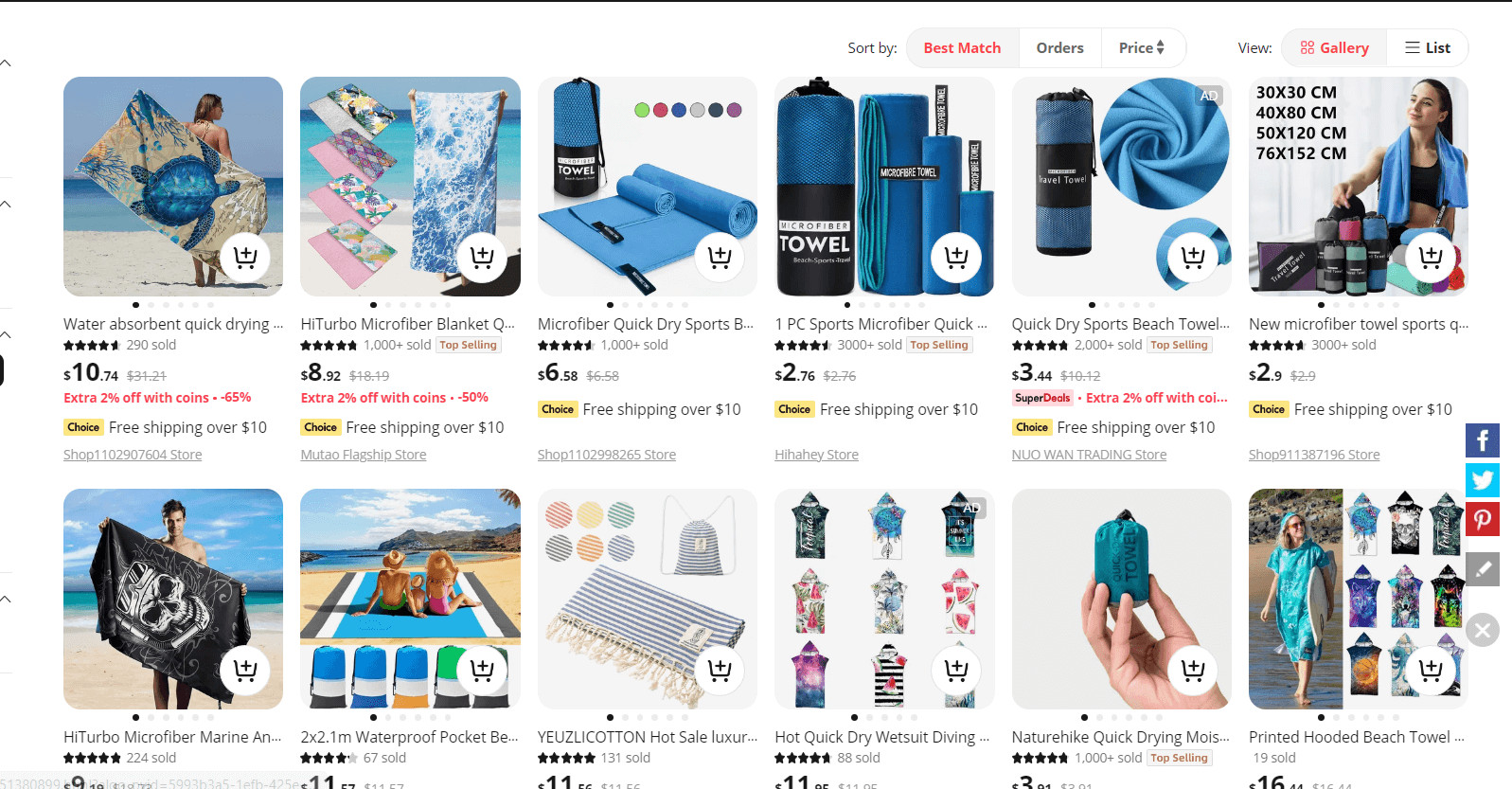
9. Quick-dry beach towels
Beach towels need post-wash measurements because photos can hide thin fabric and small dimensions.
Compare these product details,
- Use case: Drying off at beaches, pools, camps, gyms, and hostels.
- Likely buyer: Travelers, swimmers, campers, families, surfers, and gym users.
- Demand window: Before beach trips, pools, camps, and summer-rental stays.
- Advantages: Foldable parcel, print options, family bundles, and sales beyond summer.
- Drawbacks: Thin feel, weak absorbency, color bleed, and misleading size photos.
- Fulfillment: Wash samples, test absorbency, measure unfolded size, and inspect seams.
Use the post-wash dimensions and absorbency results in the listing.
10. Beach shade tents
Beach tents need wind and setup tests because returns can be costly.
Review the candidate on these points:
- Use case: Creating shade for beach days, parks, camps, and outdoor events.
- Likely buyer: Families, beach groups, campers, festival visitors, and sports parents.
- Demand window: Before beach weekends, vacations, lake days, and family trips.
- Advantages: Setup videos, family appeal, variants, and higher order value.
- Drawbacks: Bulky parcels, wind failures, confusing setup, tears, and costly returns.
- Fulfillment: Test packed size, setup, anchors, seams, ventilation, and return shipping.
A bulky return can erase the value of a higher order price.
11. Car windshield sun shades
Windshield sun shades need exact measurements for every listed vehicle range.
Use these fields to narrow the variant:
- Use case: Covering a windshield while a car sits in direct sun.
- Likely buyer: Commuters, parents, road-trippers, rideshare drivers, and outdoor workers.
- Demand window: Spring through road-trip season and the hottest driving months.
- Advantages: Quick setup demo, compact folding options, many buyers, and low breakage.
- Drawbacks: Poor vehicle fit, weak frames, awkward folding, and crowded offers.
- Fulfillment: Publish exact measurements and test folding, fit, stitching, and storage pouch.
Sell only the vehicle sizes you measured.
12. Solar outdoor string lights
Solar string lights need overnight tests because weak charging appears after sunset.
Record these parts of the offer:
- Use case: Lighting patios, tents, balconies, gardens, weddings, and outdoor dinners.
- Likely buyer: Renters, homeowners, campers, hosts, event planners, and venue owners.
- Demand window: Before patio season, camping, weddings, and outdoor entertaining.
- Advantages: Nighttime demos, multiple lengths, decor bundles, and sales beyond summer.
- Drawbacks: Weak charging, tangled wires, weather damage, dim output, and battery failures.
- Fulfillment: Test charging, runtime, cable length, controls, packaging, and rating evidence.
Record the full-night result before you write the listing.
13. Packable daypacks
Packable daypacks need loaded wear tests because low weight often means thinner fabric.
Inspect these parts before choosing a supplier:
- Use case: Carrying essentials during hikes, sightseeing, festivals, camps, and day trips.
- Likely buyer: Travelers, hikers, campers, festival visitors, students, and families.
- Demand window: Before hiking, camps, city breaks, festivals, and day trips.
- Advantages: Folds small, year-round demand, color variants, and accessory bundles.
- Drawbacks: Thin fabric, weak zippers, poor straps, leaks, and vague capacity.
- Fulfillment: Test weight, seams, zippers, packed size, comfort, and stated capacity.
The bag should stay comfortable at its stated capacity.
14. Packing cubes
Packing cubes need every zipper tested because one failed compartment reduces the set's value.
Evaluate these product fields:
- Use case: Sorting clothes, shoes, laundry, and accessories inside luggage.
- Likely buyer: Frequent flyers, families, cruise guests, road-trippers, and students.
- Demand window: Before school breaks, flights, cruises, road trips, and vacations.
- Advantages: Light parcel, set-based pricing, color variants, and broad travel appeal.
- Drawbacks: Weak zippers, torn mesh, misleading sizes, and heavy price competition.
- Fulfillment: Test every zipper, seam, handle, size, fabric, and packed set.
Reject a set when one compartment fails its zipper test.
15. Portable hammocks
Portable hammocks need load evidence and clear instructions before a test.
Check these details before a test:
- Use case: Resting at campsites, beaches, parks, festivals, and backyards.
- Likely buyer: Campers, hikers, festival visitors, travelers, and backyard users.
- Demand window: Before camping, festivals, beach trips, and backyard leisure season.
- Advantages: Campsite and backyard demos, compact options, accessory bundles, and gift appeal.
- Drawbacks: Seam failures, confusing setup, damaged straps, and serious misuse risk.
- Fulfillment: Test stitching, straps, hardware, instructions, packed weight, and rating evidence.
Reject any load claim that lacks test evidence.
Now narrow the shortlist with four checks.
Plan the Summer Sell-Through Window
The Summer Sell-Through Window is a four-part check covering demand, offer, costs, and delivery.
Run these checks in order, starting with current demand evidence:
- Demand: Confirm dated interest in the target market.
- Offer: Define the summer offer.
- Economics: Set cost and loss limits before ads.
- Delivery: Fit sampling and shipping inside the season.
Start with current demand evidence and retain the pull date beside each result.
Read current demand before peak heat arrives
Use two current sources before you check a supplier. Record the market, date, and query or product behind each result.
Two Dropship.io tools support different checks,
- Product Library filters by price, sales, revenue, category, and other fields.
- Sales Tracker follows one product over time.
Use both tools on the same candidate, then record where their results agree or differ.
Google Trends data is relative to the selected time and place. Keep that setting beside the result you use.
Google notes in its comparison guidance that comparisons need the same context. Match the settings before you compare two results.
Use our trend discovery process to collect a second current result from a product or shop. Note the source and context that produced it.
Place both results inside your broader product research workflow. That record makes the next supplier check easier to audit.
Make the offer useful for a summer occasion
Match one product to one buyer, occasion, and reason to buy. That constraint makes the offer and its evidence easier to compare.
Then compare active sellers in the same market and currency.
Record these offer fields,
- Buyer: Name the person and summer situation.
- Use: State the problem the product handles.
- Difference: Choose one feature you can show and verify.
- Promise: Record the price, delivery, return, and product claims.
Active listings show how sellers position the product. Use dated search or sales evidence to assess demand.
Set a loss limit before seasonal demand declines
Write down the cash available for samples, ads, refunds, and replacements. Subtract committed product and delivery costs. Use the remainder as the maximum test loss.
Landed cost is the total price at the buyer's door. Calculate it before you set a test budget or an advertised price.
Keep these figures in one record,
- Supplier quote: Save the product price, currency, minimum terms, and date.
- Delivery: Add insurance, shipping, freight, duties, tariffs, taxes, and other fees you pay.
- Order handling: Include packaging, payment fees, refunds, and replacements.
- Test limit: Write the maximum loss and stop rule before ads start.
Keep the final amount in your record. Use the same expected costs and refund allowance when comparing high-margin products.
Fit delivery inside the remaining season
Get written processing, tracking, delivery, and return terms before ordering a sample. Compare those terms with the buyer's last useful order date.
Check the route with one sample,
- Record the order, dispatch, and delivery dates.
- Inspect the packaging and compare the item with its listing.
- Leave time for a replacement or refund before the buyer's occasion.
Save all three dates and add inspection notes to the same product record. Track the candidate before its last useful order date.
Build a calendar-based summer record
For each recommendation, save the dated evidence, unanswered questions, and next check.
Use the completed record before you make a sales or profit claim. The record uses these fields.
Each row tracks one decision. Add these details,
- Place the matching screen or supplier document beside the row it supports.
- Add its pull date and target market.
- Redact customer, account, store, sales, and revenue data.
Test your exact ad-cost assumptions with a BEROAS calculation before you spend on ads.
Keep the completed record when you find winning products so every shortlist decision remains traceable.
Reject candidates that arrive after their moment
Apply one final rejection check to the product-specific risks above.
Strong demand will not offset late delivery, weak quality, or unverified claims.
Apply these rejection rules before launch,
- Timing failure: Delivery can miss the buyer's event or the local season.
- Sample failure: The item arrives damaged, inconsistent, or unlike its listing.
- Cost failure: Recorded costs exceed the maximum test loss or leave too little cash for refunds.
- Return failure: The supplier terms exceed your cash or support capacity.
- Claim failure: A key performance, safety, or protection claim lacks evidence.
- Shipping failure: The route lacks reliable processing, tracking, or carrier acceptance.
- Restriction failure: Research safety, marketplace, and carrier restrictions before a test, and reject the item while the applicable rules remain unclear.
Save the failed rule and its source.
Use these official resource pages for the next check,
- The CPSC Business Education Library collects product-safety resources for businesses in the United States.
- The FTC Advertising and Marketing page collects federal advertising resources for businesses.
Keep the relevant page with the record. A written reason stops the same weak idea from returning.
FAQ
How far ahead should you research summer products?
Count backward from the first local demand peak. Allow time for supplier confirmation, sample delivery, page work, a short paid test, and one replacement.
Can one search spike prove summer demand?
Treat one search spike as a research lead. Pair it with dated product, shop, or sales activity before you spend money on ads.
When should you stop advertising a summer product?
Start with the buyer's event date, then subtract processing, delivery, and service time. Stop ads on that date.


