

How to Find Winning Products on AliExpress
Evaluate AliExpress candidates with an eight-step product-and-supplier process that connects exact listings and variants to outside demand, delivered costs, samples, and test decisions.
How to find winning products on AliExpress starts with a buyer problem. Lock one exact variant, then check recent reviews, seller history, delivery, and full-order cost. Confirm demand beyond AliExpress and message the seller before ordering the exact sample. Only then should you buy ads.
A 100-ring order taught us to research the product and supplier separately. This article gives you five products to research and a dossier for deciding which one to sample.
Key takeaways
Can AliExpress orders identify a winning product?
Order volume shows that a listing is active, but it can't prove which variant buyers want. AliExpress can group several choices on one page. Price and delivery may then change by SKU and destination. Treat the count as a reason to inspect the listing, then check the seller, delivered quality, and your costs.
AliExpress calls itself a transaction platform in its terms of use. The terms say sellers control product quality, safety, legality, and availability. The seller's reply, checkout, and sample must fill the gaps left by the listing.
Orders can and can't support these decisions:
The ring order shows why those open fields matter. The seller photo promised a detailed black-and-silver center on the selected design.
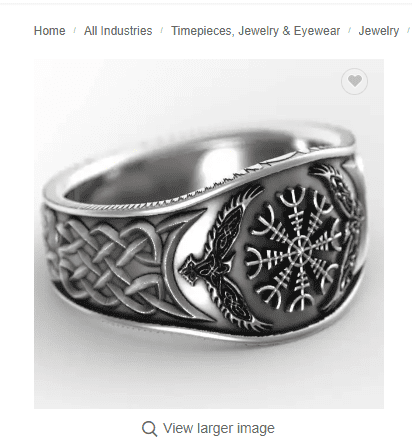
The delivered batch had a simpler finish and felt lighter, so we'd reject that seller and batch. A similar ring from another seller would still need its own test.
How to find winning products on AliExpress step by step
The eight-step check starts with a buyer problem and locks one exact offer at step two. Later evidence stays tied to the same product, seller, variant, destination, and route.
Work through the eight stages in order,
- Search the buyer problem
- Lock the listing identity
- Confirm outside demand
- Compare sellers and reviews
- Price the delivered route
- Question the seller
- Inspect the sample
- Record the decision
Continue to step one, and keep going only while the required checks pass.
1. Search a buyer problem, not a viral product name
Start with the buyer's job, surface, setting, and visible result. A viral name can hide products that work in different ways. A pet-hair search may return rollers, reusable brushes, sticky balls, vacuum heads, and fabric scrapers with different return risks.
Write one sentence naming the buyer, problem, and visible result. Then build literal queries from those nouns. "Pet hair remover for sofa" is easier to inspect than "viral pet gadget" because it states the surface and action.
The first page shows how AliExpress sellers describe the product. Note repeated materials, mechanism names, pack sizes, and promises. Exclude a claim when you can't reproduce its result on a named surface or under a measured condition.
We prefer problems with a visible result and a test you can repeat. That's why a reusable roller makes sense here. Any claim about fabric safety stays open until the exact SKU touches the named surface.
2. Save the exact listing, seller, variant, and destination
Lock the listing identity before you compare orders, reviews, prices, or delivery. Save one record with the product ID, seller, selected SKU, and included parts. Add the ship-from point, destination, and retrieval date. You'll also need the displayed price, shipping charge, and delivery range.
Click every choice that changes the item. A color can hide a different size, while a pack option may change the unit count. The displayed price may belong to an accessory rather than the main product.
Copy the selected option text and save the stock-keeping unit when the page shows one. Otherwise, record each choice in click order and add the product ID to the file name.
Public archives can confirm that an item page existed, though some seller and checkout fields may remain hidden. Put the candidate on hold when the seller, destination quote, or selected SKU is missing. Keep it there until those fields point to one offer.
3. Confirm demand outside AliExpress
Confirm the product type appears in a second demand source before you negotiate with a supplier. Search the same buyer wording on Google Trends, Amazon, a social marketplace, or Dropship.io. Check whether buyers show interest outside AliExpress.
Match the product form closely enough to make the comparison useful. A self-cleaning brush doesn't validate a washable sticky roller. A rigid heatless rod set also says little about a soft headband. Save the outside offer's title, image, market, date, and visible activity beside the AliExpress record.
Google Trends shows direction through relative search interest. Amazon reviews show that buyers discussed a particular offer, while Best Sellers reflects Amazon's marketplace. Use these sources for outside-demand evidence, then verify delivery with the AliExpress seller and sample.
Our guide to researching AliExpress products gives the wider evidence process. For this check, write which exact AliExpress field the second source supports.
4. Compare two sellers and read low/photo reviews
Compare two sellers only after their selected variants support the same customer promise. Put the listings side by side. First match the mechanism, material, size, and included parts. Then check the pack count, destination, and delivery method before comparing price or rating.
Read recent low-star reviews first because they turn vague risks into sample checks. Group complaints by the result that failed. You may find weak adhesive, loose magnets, shallow seals, rough edges, missing parts, or the wrong size. Photo reviews may show the delivered item, but check which option the buyer reviewed.
Seller history and feedback add context, though one fixed threshold won't fit every category. Record store age, recent matching-SKU complaints, reply detail, and sample consistency for each seller. A long-running store may ship a poor batch, while a newer specialist may answer exact questions well.
The product is only half the test. When reviews mix different mechanisms or SKUs, mark the theme as uncertain instead of applying it to your chosen variant.
5. Calculate the exact delivered route
Calculate the selected SKU for one real destination. The crossed-out price leaves out parts of the delivered cost. Record the item price, shipping, checkout taxes or duties, payment fees, packaging, and a refund or reship reserve. Your acquisition limit equals the selling price minus those costs and your target profit.
Run the calculation with repeatable pricing and the tracked route you plan to offer. If an accessory or smaller pack owns the displayed price, recalculate for the main product.
Use contribution margin rather than a simple markup. Our guide to dropshipping profit margin explains how each cost changes what remains from a sale. These costs include the product, delivery, payment, ads, and operations.
Reject a route when honest costs leave no room for your acquisition limit and refund reserve. Hold it when a tax, shipping, or selected-SKU field is missing. Products that look cheap often don't once every cost uses the same destination.
6. Ask product and fulfillment questions
Send both sellers the same written questions. Matching questions let you compare their answers against one promise. Ask for details that can change the sample or customer experience,
- What are the exact material, measurements, color, and included parts?
- Will the parcel contain supplier logos, invoices, or promotional inserts?
- Which tracked method serves the destination, and when will it dispatch?
- What happens after damage, a missing part, or a delivery failure?
- Where would a customer return the item?
- Will the sample match the batch available after testing?
A useful reply names the material, tracked method, and dispatch window. Save the message thread so you can check the sample against the seller's promise.
Seller messages form one part of finding a dropshipping supplier, and you still need a sample. Hold the candidate if a seller avoids a key question. Reject the offer when a written answer confirms a bad condition, such as branded inserts you can't remove.
7. Order and inspect the exact sample
Order from the exact seller using the SKU, destination, and route in your dossier. Write the inspection sheet before the parcel arrives. It keeps a polished first impression from replacing the tests behind your product promise.
Start by checking the parcel against the listing and seller answers, then follow a written plan for that product. Each test needs a named surface, measurement, or condition plus a pass or fail result.
Record the package, dispatch time, tracking events, and delivery time. Then note the size, materials, included parts, finish, and each repeatable result. Photographs can help you compare samples in your internal file, but the inspection still needs performance tests.
One sample shows whether the selected offer deserves a small market test. It also reveals which batch questions you'll need to keep checking, though later batches may still differ.
8. Assign test, hold, or reject
Assign the outcome from the weakest required field. This stops a serious failure from hiding inside a high score. Apply these three decision rules,
- Test: Every required product, supplier, route, and economics field passes.
- Hold: One decision-changing answer is missing but can still be obtained.
- Reject: A required promise fails or the seller's evidence contradicts it.
The magnetic cable clips are on hold pending seller outreach, route cost, and a sample. Two public records show similar six-piece forms.
The reusable pet-hair roller also stays on hold because the public records mix sticky and collection methods. The ring documented earlier is the reject example.
Write the evidence beside the outcome and name who owns the next action. Replace "promising" with a usable status.
For example, write, "Hold until the sourcing lead confirms the six-piece SKU's US shipping route." This gives the team a question, an owner, and a reason to wait.
5 AliExpress product examples to research
These five products are useful research candidates because each exposes a different risk.
Start with these five product ideas,
- Reusable pet-hair roller
- Heatless curling rod kit
- Waterproof phone pouch
- Magnetic cable-clip set
- Adjustable drawer-divider set
Each example starts with two public product records. Use them to compare product forms. You'll still need the current AliExpress listing, a seller message, destination checkout, and a sample.
1. Reusable pet-hair roller
Research a reusable pet-hair roller for homes with fabric furniture, but verify how it collects hair. The AliExpress search set mixes products that look alike but work in different ways:
The washable sticky-roller record uses an adhesive surface. That mechanism needs tests for pickup, residue, cleaning, and reuse on the promised fabrics.
The mini reusable-roller record leaves its collection method unclear. Hold the theme until two sellers use one method and promise the same result.
2. Heatless curling rod kit
Research a heatless curling kit for buyers who want to style their hair overnight. The current AliExpress heatless-curling search is a lead source, not proof that either form fits a buyer. Define the comfort, hair length, and included pieces before choosing between the two public forms:
The soft rod record centers the routine on one headband. It's a poor fit when the buyer's hair length, sleep position, or fastening needs conflict with that design.
The multi-piece record uses several rods for a different routine. Pick one form before comparing offers. Then test overnight comfort, closure hold, seams, odor, piece count, and the shown routine on the target hair type.
3. Waterproof phone pouch
Research a waterproof phone pouch for beach or pool use, within the limits you can test. The AliExpress search set may mix slim universal sleeves with bulkier floating designs:
The clear universal-pouch record suits a slim-sleeve promise if its inner size and closure pass inspection. Its fit and touch response need their own sample tests.
The floating-pouch record adds bulk and buoyancy. Choose the customer promise first. Then close and submerge an empty pouch several times, and limit claims about depth, time, touch, and device safety to the result.
4. Magnetic cable-clip set
Research magnetic cable clips for desk users who need to move charging cables often. Two six-piece records give you a clean seller comparison, and the AliExpress search set includes similar adhesive desk organizers:
The colorful six-piece record gives you one comparable pack once you've confirmed its materials, clip width, and color set. Keep it on hold until those fields match the selected SKU.
The adhesive six-piece record is the second pack for seller outreach. Confirm its destination route and allowed surfaces, then test cable removal, magnet hold, residue, and repeat use before advancing it.
5. Adjustable drawer-divider set
Research adjustable drawer dividers for homes with storage spaces you can measure. The AliExpress search set includes expandable sets built in different ways:
Start the four-pack clear-divider record with a size check covering its usable range, height, end pads, and pack contents. Drawers outside that range or height are poor fits.
The expandable-partition record may use a different holding method. Confirm a safe spring pressure or lock, then test slipping, bowing, drawer damage, and repeat adjustment.
Check 6 product and supplier factors
Check product and supplier evidence separately because one bad offer can sink a strong idea. Use the same six factors for every candidate:
Applied to the cable clips, the public records support a like-for-like six-piece comparison. They also name the adhesive and cable-fit risks. Current stock, seller replies, route cost, and sample quality remain unresolved, so the candidate stays on hold.
We'd reject a confirmed product failure but hold an offer when a missing route answer can still be obtained. The weakest required factor sets the outcome, which keeps a high total score from hiding a deal-breaking flaw.
5 tools for AliExpress product research
Use each tool only for the evidence it shows, then return to AliExpress for supplier proof.
The five sources divide the work like this,
- AliExpress search and listing filters
- Dropship.io Product Library and store research
- Google Trends
- Amazon search and Best Sellers
- Google Lens or reverse-image search
These five tools help you find candidates and compare activity. Copied-image searches and review themes can also sharpen seller questions. The seller, cost, and sample checks decide whether a candidate is ready to test.
1. AliExpress search and listing filters
AliExpress search reveals offer language, variants, sellers, orders, and review fields. Start with a literal buyer problem, then borrow repeated terms for the material, method, and size to narrow the results.
Filters can cut down a noisy set, but their ranking isn't a recommendation. For each candidate, save the SKU, seller, destination, shipping route, and shown evidence. Only put two results in one price comparison when they promise the same method and parts.
Save the selected filters with each candidate so another researcher can reproduce the set. The seller and offer fields still come from the live listing, checkout, written reply, and sample.
2. Dropship.io Product Library and store research
Product Library and store research compare products, shops, and social sales beyond one supplier page. Product Library can filter by price, sales, revenue, images, and variants. Store research shows what a shop carries and how its catalog changes.
Search the same method and buyer wording you saved in step one. Keep the title, image, market, date, and visible activity fields. A related TikTok Shop product may justify more research when you state what its record supports. The AliExpress seller, SKU, delivered cost, and sample need separate proof.
Compare the live activity field with the longest and shortest historical views available for the same item. Hold the trend claim when activity appears only in one short slice. Base the final decision on your ads, audience, service costs, and supplier deal.
3. Google Trends
Google Trends compares search direction and seasons for the words buyers use. Set the target country and time range, compare a broad topic with its narrower product phrase, and check related queries for hidden product types.
Google explains that Trends normalizes each data point against all searches for the selected place and time. It scales interest from 0 to 100, where 100 marks the peak relative interest in that comparison rather than a count of searches or sales.
Compare the past 12 months for recent direction with the past five years for seasonality. A rise that survives both views can move the idea forward. Check purchase intent, the AliExpress offer, and delivery timing separately.
4. Amazon search and Best Sellers
Amazon exposes buyer wording, offer structure, and repeat complaints in a second marketplace. Search the method instead of copying a broad AliExpress title. Note how similar products describe size, fit, included parts, use cases, and common objections.
Amazon Best Sellers can help you scan active categories, while reviews may reveal questions for a sample sheet. Amazon's rank, price, shipping, and review history describe its own offers. Demand and seller performance on AliExpress need separate proof.
Let the review theme improve the test plan. If buyers often mention weak drawer-divider tension, check slipping and spring pressure on the AliExpress sample. Validate the idea with its supplier, route, and result.
5. Google Lens or reverse-image search
Reverse-image search finds similar offers and shows how widely sellers reuse a product form. Google Lens can return objects, similar images, and websites with a matching image.
Run both the supplier image and a clean crop of the product. Then compare size, extras, seams, closures, controls, and packaging. Even identical photos may hide different stock. Matches can still uncover other sellers, original descriptions, or complaints that sharpen your questions.
Treat every image match as a lead for sharper seller questions. Before making a decision, confirm the factory claim, rights, stock, and quality through listing fields, seller answers, and a sample.
Build the product-and-supplier dossier
Build one dossier that keeps observed, confirmed, estimated, and unresolved fields separate.
Use observed for a field from a saved source. A seller answer or finished test marks it confirmed. Estimated marks a labeled calculation, while unresolved marks a fact that can still change the decision. Your minimum dossier contains these fields:
Public product records help us compare forms, though some seller answers and US checkout routes remain hidden. Keep those fields unresolved until someone opens the live offer. They must select the exact SKU and destination, then record the result in the dossier.
We'd start seller outreach with the magnetic cable clips because the two public records show the clearest six-piece pair. Cable fit and adhesive hold are also cheap to test on named surfaces. If sellers confirm different pack contents, materials, or delivery routes, we'd change that choice.
FAQ
What are the best-selling products on AliExpress?
AliExpress rankings and order signals show offers with recorded past activity. Before assigning a test decision, compare the exact variant, target market, supplier route, costs, and sample.
Can AliExpress order volume identify a winner?
Treat order volume as a shortlist signal with no safe winning-product cutoff. Use it to find pages with past activity, then confirm current demand, route costs, seller answers, and a sample.
What should I ask an AliExpress supplier?
Ask for materials, measurements, parts, packaging, dispatch time, tracking, remedies, returns, and batch consistency. Send the same questions to two sellers and save their written answers beside the selected SKU.
How do I find similar products on AliExpress?
Search the product's method, material, use, and size, then run an image search for similar offers. Match the SKU, parts, seller, destination, and route before treating two results as comparable.


