

Dropshipping Golf Products: Validate Before Listing
Compare yoga-product ideas and supplier leads while prioritizing lighter products, sample evidence, fulfillment risk, and specific product claims.
Golf dropshipping means selling golf apparel, practice gear, accessories, or gifts while another company fills the order. The model can be worth testing.
I've operated one-time-product stores. I'd rather reject a weak candidate early than explain a poor order later.
This guide gives you golf product ideas and current supplier routes. You also get a record for choosing what to list, test, or reject.
Start by checking one product, one supplier, and one delivery promise.
Key takeaways
What makes golf products worth testing?
Golf products are worth testing when the exact item solves a clear golfer problem. The supplier must also support your promise. The category covers apparel, practice gear, travel protection, accessories, and gifts.
Each product type can fail for a different reason.
For a beginner, look for a clear buyer problem and few unknowns. A simple item with good photos and clear dimensions is easier to check. Light shipping also helps. A flashy product with vague specs makes a poor first test.
Use our product research workflow to move from idea to evidence.
Golf products to dropship
Use these ten golf products as research candidates before you choose one to test. Each product below comes with the checks it needs before a real test.
Start with the products that fit your supplier access and shipping promise,
- Customized golf polos
- Women's golf apparel
- Golf chipping net
- Practice mat
- Golf gifts
- Novelty driver headcovers
- Travel cover
- Golf GPS watch
- Golf ball retriever
- Golf cleaning set
Check demand first. Then compare the short list against supplier terms and returns.
1. Customized golf polos
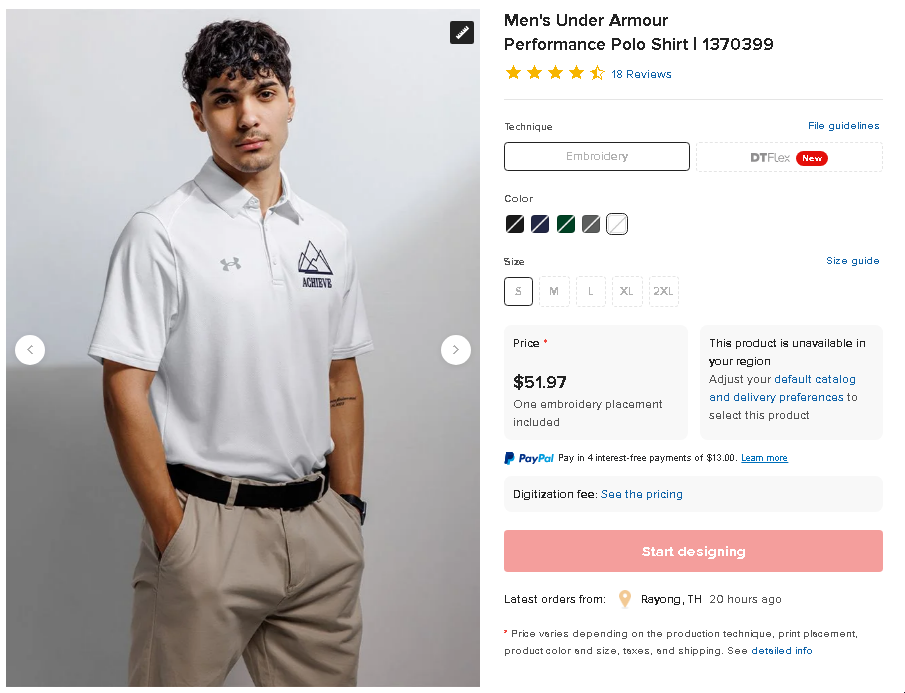
Customized golf polos need strict sizing and production checks. They can serve gift, team, event, and club buyers. Ask for size charts, decoration limits, fabric details, and sample photos. Read the return terms before you run ads.
2. Women's golf apparel
Women's golf apparel works better when the fit, style, season, and promise are specific. Generic tops are hard to defend. Start with one buyer need, such as sun coverage or cold weather. Check size consistency and return handling before listing.

3. Golf chipping net
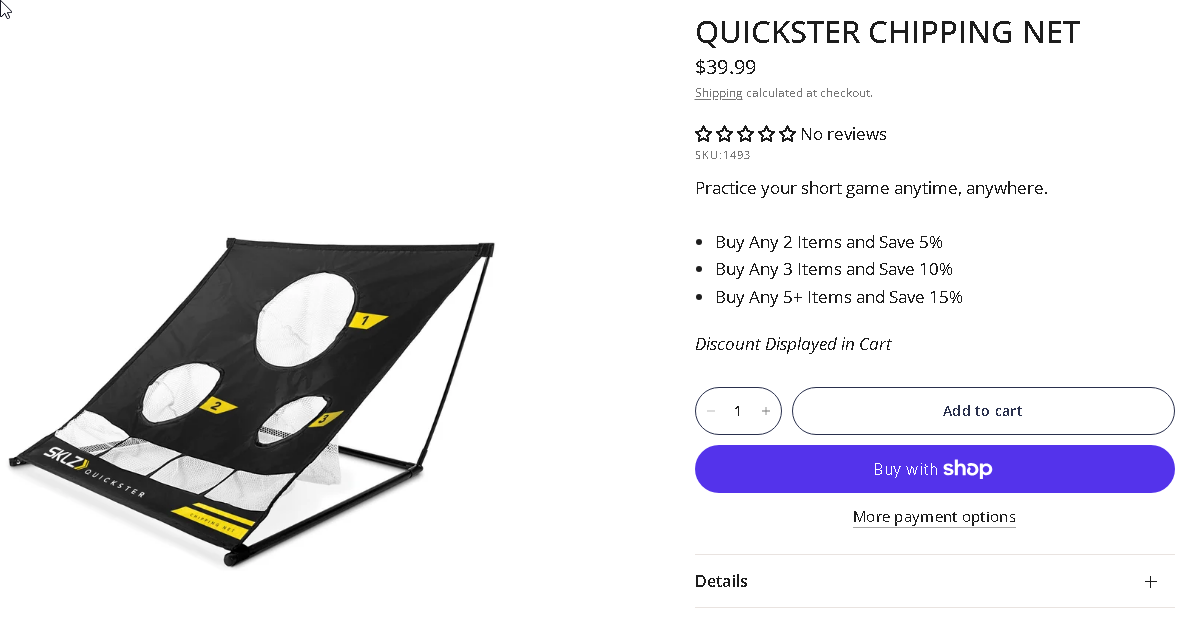
A golf chipping net is a compact practice product with strength and packaging risks. The buyer wants an easy backyard or garage setup. Check its folded size, frame material, assembly photos, and replacement parts. Leave out score claims you can't prove.
4. Practice mat
A practice mat needs the right thickness, turf feel, and shipping weight. Thin mats may disappoint serious buyers. Heavy mats can break your margin. Get material specs, packed dimensions, sample photos, and carrier options before you promise a date.

5. Golf gifts
Golf gifts are easier to position when the occasion is clear. A Father's Day buyer may want something different from a tournament host. Keep the design or bundle simple. For any logo or name, ask the supplier for licensing proof and record the owner.
6. Novelty driver headcovers
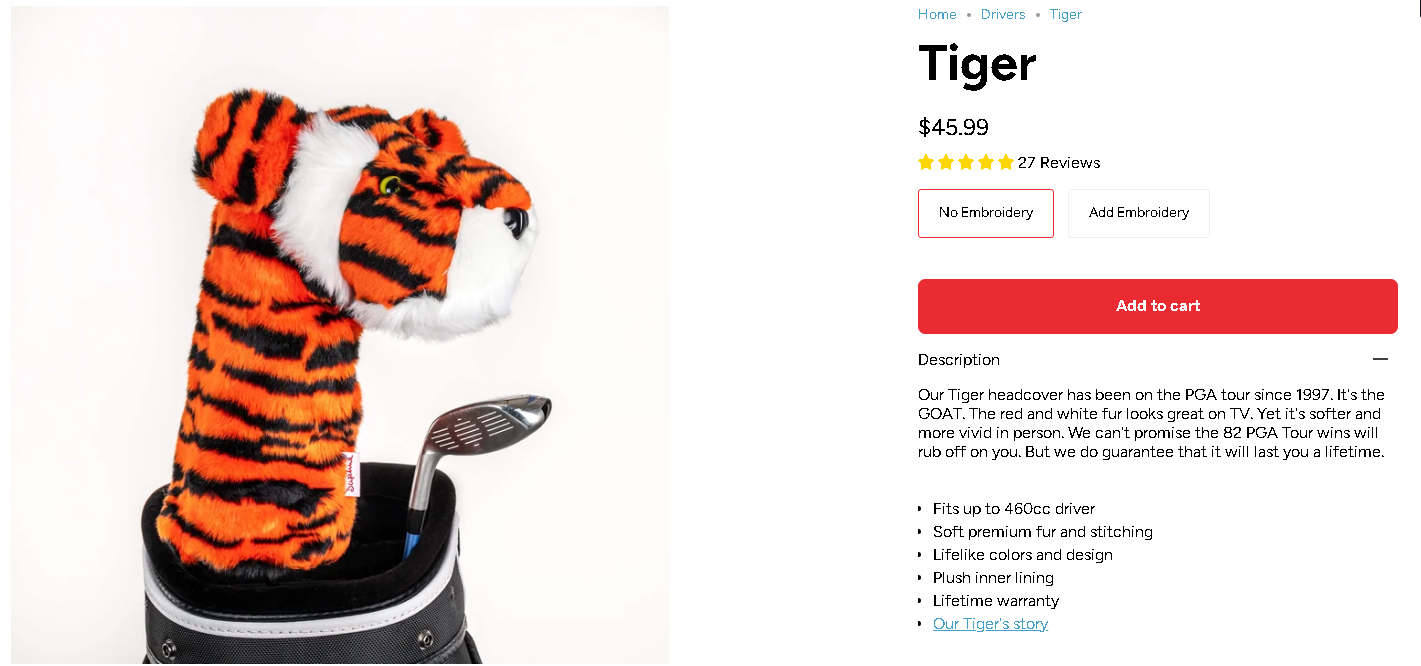
Novelty driver headcovers must look like their product photos. Poor quality shows fast on a visual item. Check the size, lining, stitching, and packaging. Save the supplier's license proof for any character or mascot design.
7. Travel cover
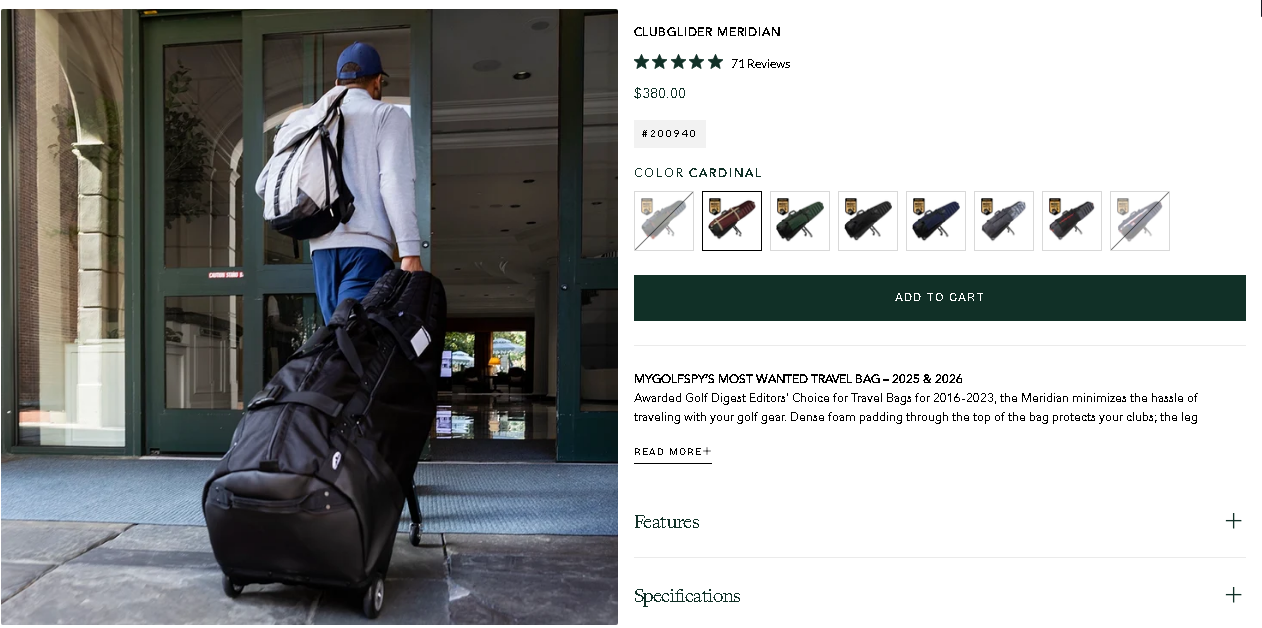
A golf travel cover has a clear job because it protects clubs in transit. The promise is easy to grasp. Returns get costly when zippers, wheels, padding, or handles fail. Check packed size, weight, warranty terms, and carrier cost before testing.
8. Golf GPS watch
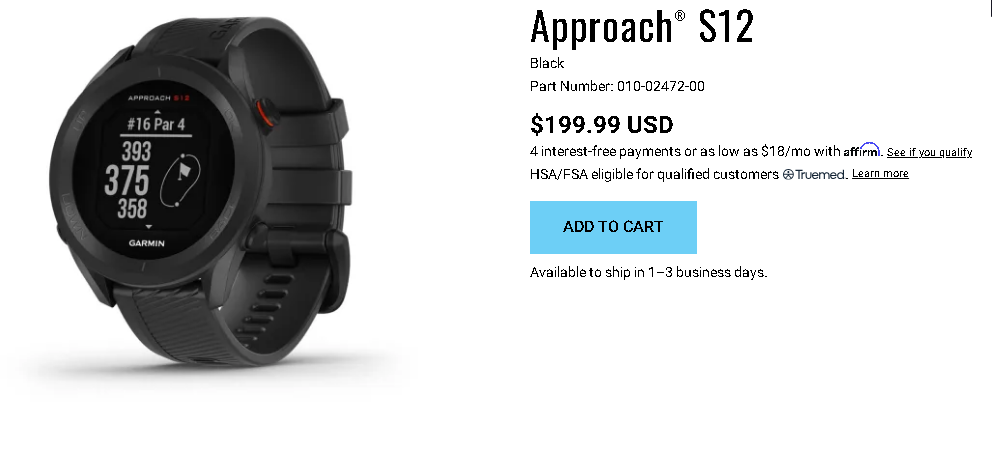
A golf GPS watch is a harder product because buyers care about specs, updates, and support. Treat it as an advanced candidate. Verify the model number, battery life, supported courses, app needs, warranty, and replacement policy. Don't trust a marketplace listing alone.
9. Golf ball retriever
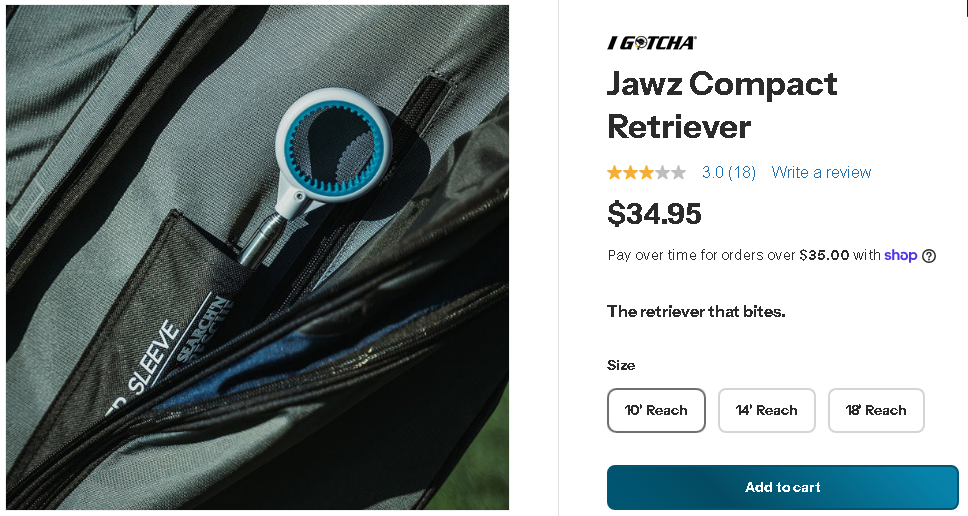
A golf ball retriever is a simple item when its length, lock, and handle are clear. It solves an obvious course problem. Cheap construction is the catch. Ask for both lengths, the material, grip details, and sample photos before listing. Confirm the collapsed pole fits your carrier's parcel limits.
10. Golf cleaning set
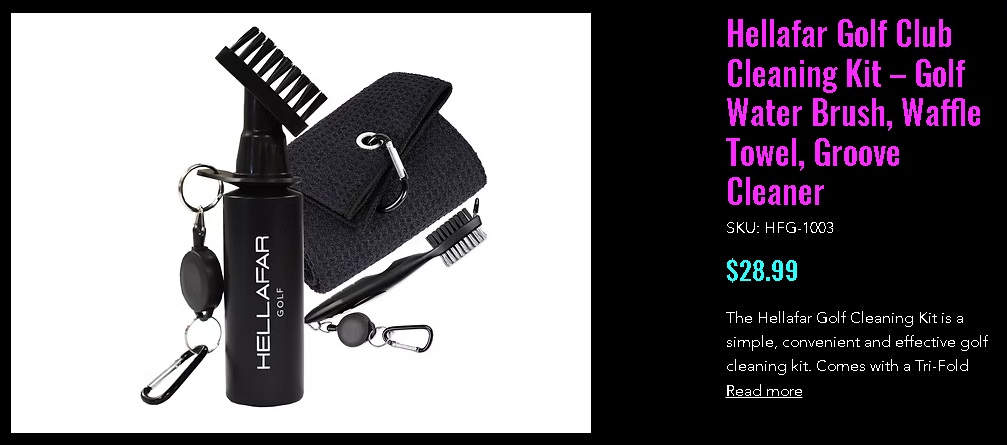
A golf cleaning set is a simple bundle when you can inspect every item. Brushes, towels, and groove tools can work as add-ons. Liquid bottles add leak and shipping questions. Confirm the full contents before using the set as an order bump.
Our find winning products guide separates demand evidence from supplier evidence.
You need both before a golf product gets a real test.
Golf dropshipping suppliers to check
Use these six supplier names to choose a sourcing or fulfillment path. Their current roles differ, so the old "best" labels can mislead.
Check the supplier routes in this order,
- Zazzle
- J and M Golf
- Reydon Sports
- Golf4Her
- AliExpress
- Second Chance
Save the page, date, terms, and exact product before you rely on any source.
1. Zazzle
Zazzle is a print-on-demand marketplace for custom gifts and designs. Its current creator guide explains how creators sell work on Zazzle products. Your store won't get a private supplier relationship through that route.
Before listing, verify production time, design rights, and margin.
2. J and M Golf
J and M Golf is a U.S. wholesale distributor with public drop-shipment terms. J and M's terms say a drop-shipment order can go somewhere other than your store. They also list order fees and return rules. Confirm account approval and SKU fit.
3. Reydon Sports
Reydon Sports is a trade wholesaler with a UK-only dropship service. Its current dropshipping page says it sends orders straight to your customer. Orders go through email or phone. Check trade access, delivery charges, returns, and catalog fit.
4. Golf4Her
Golf4Her's current role is a retail partnership lead. Its current retail-partner page says brands supply Golf4Her shoppers through Golf4Her. Treat dropshipping as unverified until the company confirms how your store could fulfill customer orders.
5. AliExpress
AliExpress is a marketplace route that you must check seller by seller. Each AliExpress listing needs its own review. Compare recent feedback, delivery windows, return costs, and the exact item. Order a sample before you rely on the photos.
6. Second Chance
Second Chance is a wholesale source with dropshipping still unconfirmed. Its current bulk golf ball page sets a minimum order of 500 balls. That may suit a reseller with stock space. A no-inventory test needs a confirmed dropship route. Ask about account terms and territory before buying.
Check suppliers and fulfillment
The Golf Products Validation Record collects four types of proof before you publish. Dropship.io is research software. Your supplier makes, stores, or ships the product.
Check these four evidence areas in order,
- Supplier evidence
- Landed cost
- Shipping and returns
- Policy screen
Finish each area for one SKU before you add another product.
1. Gather supplier evidence
Match the seller, account terms, product page, and exact SKU. Save the specs, images, size chart, manual, and stock notes. Compare a sample with the photos, labels, and included parts. Record each mismatch and ask who handles a bad order.
2. Calculate landed cost
Add the item cost, shipping, fees, duties, and likely refund cost. This total is your landed cost. Use it to set the price and ad result your test needs to break even.
3. Check shipping and returns
Write the delivery window, return address, and payer for each return. Save a checked backup source for stock or shipping failures. A fallback plan needs verified terms too.
4. Run the policy screen
Record the open rights, safety, claim, ad, and marketplace questions. The next section gives you three checks for clearing or rejecting them.
Use Product Library filters with store research signals from Sales Tracker and Shop Library.
Ask the supplier to confirm current terms, stock, and sample quality.
Compare research layers in our research tools guide while you confirm fulfillment with the supplier.
Screen Golf Products risks before listing
Hold a golf product until its rights, safety, claims, ads, and marketplace checks are clear. Save each source and the date you checked it.
Only cleared checks belong in a live listing.
Use these three checks,
- IP and branded-product exposure
- Safety, claims, and labeling exposure
- Advertising and marketplace limits
Take the checks one at a time.
1. Check IP and branded-product exposure
Record who owns each brand, logo, team name, course name, character, and pattern. Start with USPTO trademark basics. Ask the supplier for proof it can use the design and save that file.
2. Check safety, claims, and labeling exposure
Match the guidance to the exact product and the places where you will sell it. The CPSC Business Education Library routes sellers to product-specific topics. Remove claims that your documents and sample cannot support.
3. Check advertising and marketplace limits
Check the rules for the exact ad, listing, product, and sales channel. Use the FTC advertising guidance to review product claims. Record the official policy URL for each ad platform and marketplace you plan to use.
Record the product specification before you list a golf product.
Decide before you launch
Choose list, test, or reject from the completed record before you buy traffic. Your stop point should be clear before the test starts.
Use these three outcomes,
- List when the evidence is complete
- Test with a fixed budget and stop condition
- Recheck current terms before scaling
Choose the first outcome whose conditions your record meets.
1. List when the evidence is complete
List only when the supplier terms, specs, cost, shipping, returns, and risk notes are complete. A gap in any one field can change the offer you are able to make.
2. Test with a fixed budget and stop condition
Set a spending cap, target order count, delivery promise, and refund limit. Reject the item if a supplier gap or sample problem stays open.
Use our BEROAS calculator to set the break-even ad target from your landed cost.
3. Recheck current terms before scaling
Read the supplier terms again before you raise spend or add products. Prices, stock, delivery areas, and return terms can change faster than this guide. Date the new check in your record.
FAQ
What supplier evidence should I collect?
Collect evidence you can trace back to the supplier. Save screenshots or files with a contact name and last-checked date so a changed page doesn't erase the basis of your decision.
Which risks could make a golf product unsuitable?
Open brand, safety, claim, ad, marketplace, shipping, or return risks can make a golf product unsuitable for a test. The exact product and sales channel decide which risks matter.
How can I test demand before launching?
Test demand with one product page, one supplier record, one traffic budget, and one stop condition. Track views, carts, orders, refunds, and buyer questions against that limit.


