

Print on Demand Store Examples Reviewed for 2026
Evaluates 31 print-on-demand and customization stores with a three-part scoring method that separates current POD models from closed, adjacent, or misclassified businesses.
I tested 31 print-on-demand store examples against the three checks below, separating active POD models from closed stores, conventional retailers, and useful boundary cases.
I checked each current domain, product catalog, and cart or quote path. An attractive storefront proves little when the order path is gone. The result is a set of ideas you can adapt without confusing survival with a formula.
Key takeaways
What are the best print-on-demand store examples right now?
The best print-on-demand store examples are active stores with a clear path from design choice to made-to-order product. The best candidates pass all three Live-Check tests below. Keep an example on your shortlist only when its audience, order path, and operating model match the tactic you want to borrow.
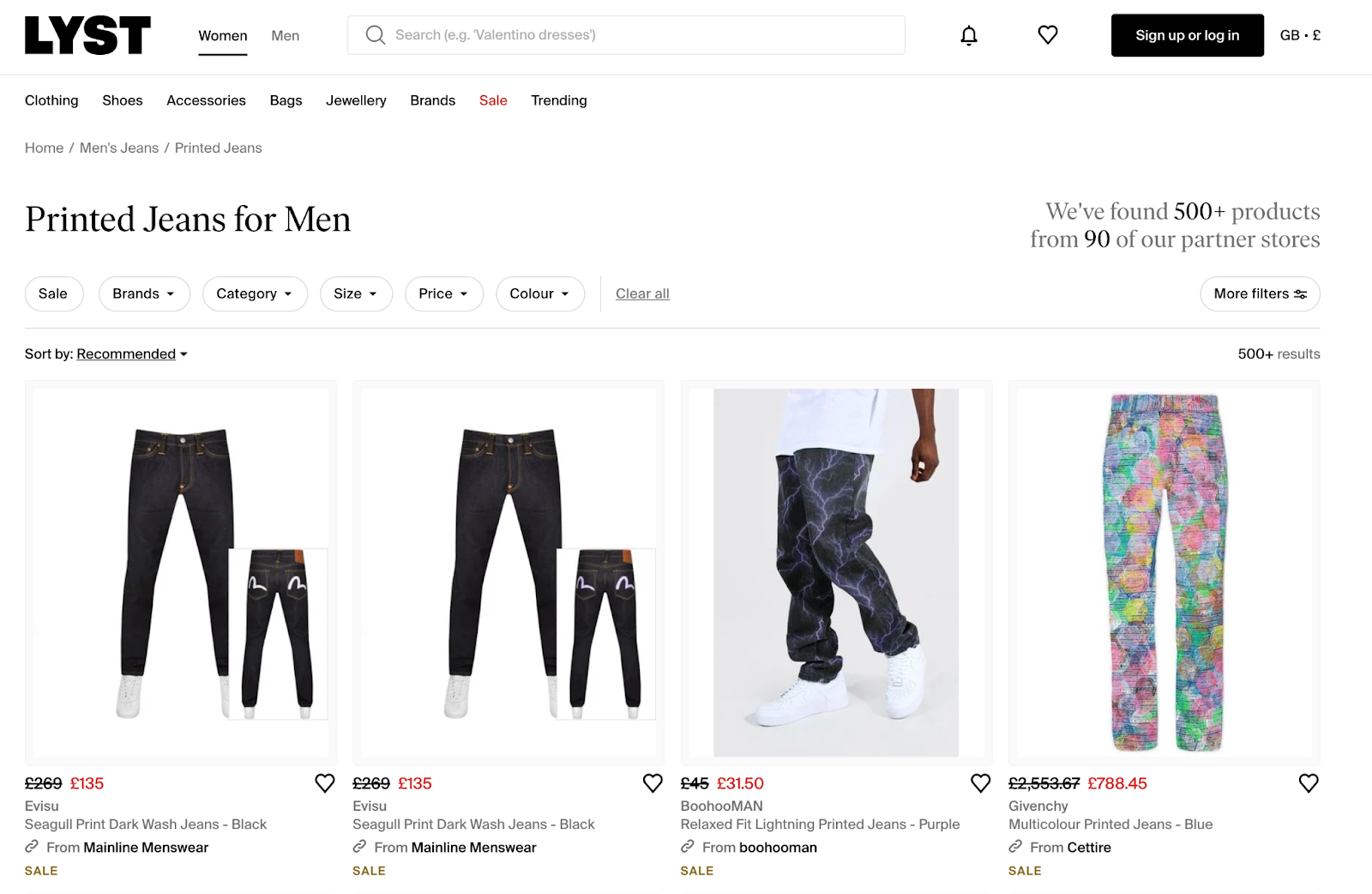
Max & Modern and Circle Square Diamond no longer have usable storefronts. Iconspeak also couldn't be verified. Lyst was removed because it's a marketplace rather than a store-level POD model.
How does print on demand differ from dropshipping?
Print on demand makes or prints an item after the order, while general dropshipping sends an existing supplier product. Both models avoid the seller holding stock. POD gives the seller more control over artwork, custom options, and audience fit.
Our guide to how dropshipping works covers the broader model, where a seller can offer ready-made goods from a supplier catalog.
Custom printers that accept bulk orders and retailers that hold finished stock sit outside the core POD model. Use those businesses for design or merchandising ideas. They don't prove that a POD workflow will transfer.
Use POD when artwork, a name, a photo, or another buyer choice changes the item made after checkout. Ordinary dropshipping works when the supplier already stocks the finished product. That decision affects your product pages and fulfillment checks. It also changes return risks and the amount of customer service each order needs.
The Live-Check Scoring Method
Three checks determine whether a store belongs in this review and what you can learn from it. Use them in this order:
- Live and trading: Confirm that products, current pages, and an order path still work.
- Platform: Identify the storefront system without treating it as proof of success.
- Niche specificity: Find the audience and reason someone would choose this offer.
1. Live and trading
A current catalog, selectable product options, and a working cart or quote path provide the strongest signs that a store trades. Policy pages can support that evidence.
If a site blocks a direct check, use indexed official pages and state the lower confidence clearly.
2. Platform
Most reviewed stores use Shopify, while Mapiful and Aussie Chef use Magento and Talia Designs uses Squarespace. The platform shows how the site was built. Demand and reliable fulfillment decide whether it can make money.
3. Niche specificity
A useful POD example serves a recognizable buyer or custom job. “Mental-health advocacy apparel” gives you an audience and message to study. “Printed fashion” is too broad to explain the purchase.
A narrow niche can still be crowded. Search the exact audience-and-product phrase, record active stores, prices, reviews, and custom options, then proceed only when you can name a gap your offer can serve.
Print-on-demand stores worth studying right now
Fourteen entries are current models worth studying, while The Oodie, Tote Bag Factory, and Iconspeak show where the model check changes the verdict. Use this order as your scan list:
- The Happy Givers: Cause-led apparel and gifts.
- IKONICK: Licensed motivational wall art.
- Famous in Real Life: Pop-culture apparel.
- The Oodie: A single recognizable product category.
- Classic Dad: Dad-humor merchandise.
- Funky Dunky: Novelty socks.
- Tote Bag Factory: A focused bag catalog.
- Shadawear: African-diaspora streetwear.
- Mapiful: Personalized map prints.
- Pop Chart: Information-rich poster art.
- Alice Potter: Illustrator-led gifts.
- Canvas Freaks: Gaming and neon wall art.
- NerdyKeppie: Queer, Jewish, and nerdy merchandise.
- Iconspeak: An unverified legacy entry.
- Own Your Stigma: Mental-health advocacy apparel.
- Yes We Vibe: Pattern-led shoes and apparel.
- Turned Yellow: Personalized cartoon portraits.
1. The Happy Givers
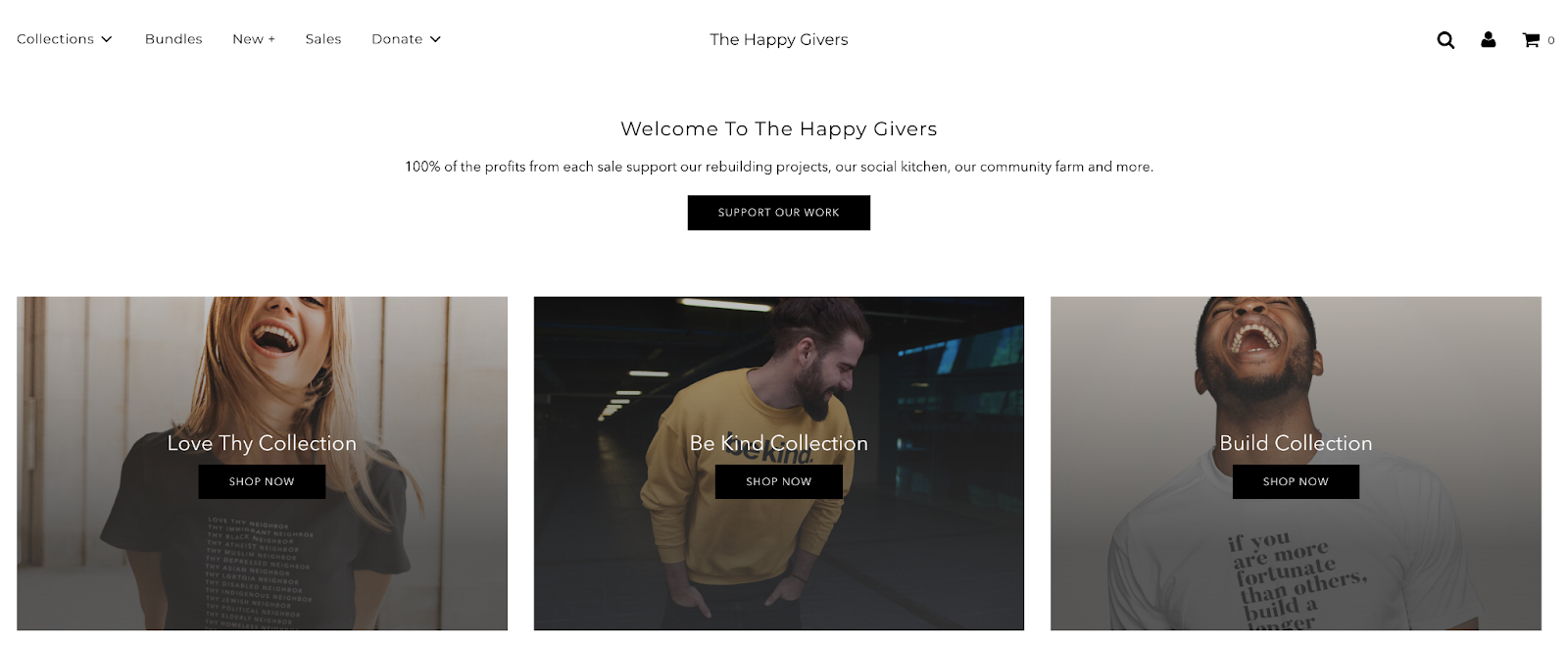
The Happy Givers is a live Shopify store that connects apparel and gifts to a nonprofit mission. Its audience buys into the product and the community work. The cause is part of the offer from the start.
This is useful if your brand has a real mission. You must also show where the money or work goes because a generic slogan shop gives buyers no cause proof to verify.
2. IKONICK
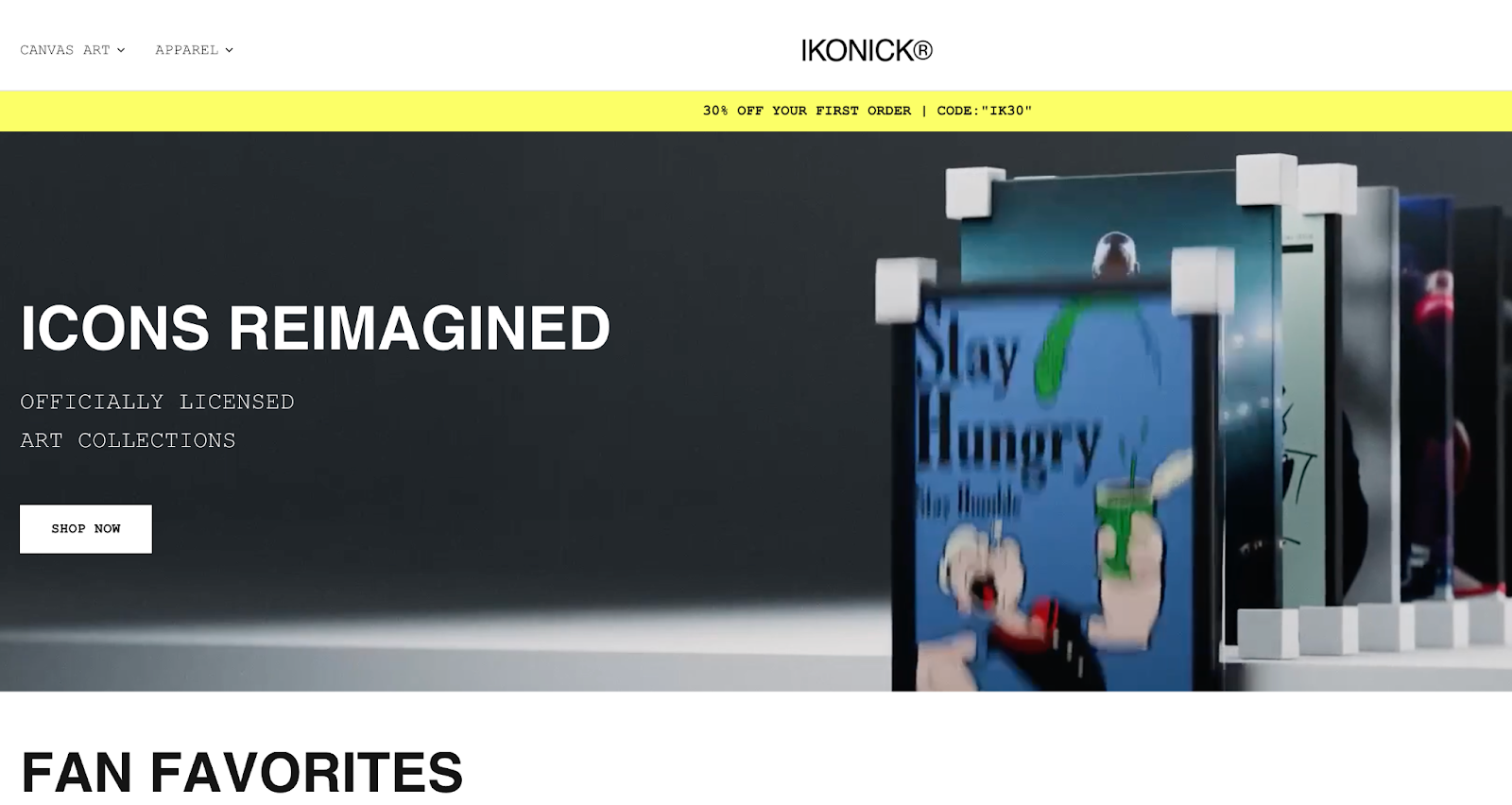
IKONICK is a live Shopify art store with licensed collections and a focused wall-art offer. The catalog organizes designs around recognizable subjects, which gives a buyer a faster route than browsing hundreds of unrelated posters.
Study its collections and product pages if you sell distinctive wall art. Without brand partnerships, a new seller can't reproduce the catalog or its built-in recognition.
3. Famous in Real Life
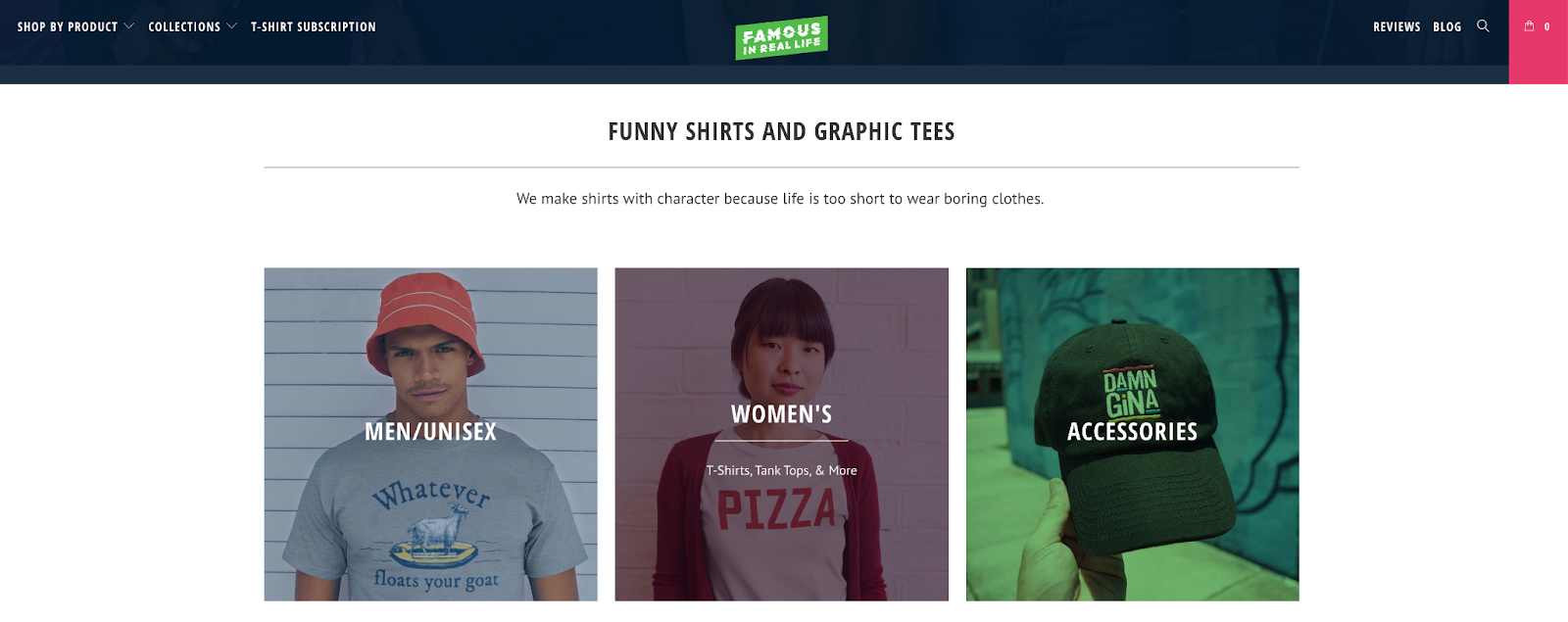
Famous in Real Life is a live Shopify apparel store built around topical humor and pop-culture references. Its collections make the joke or interest the browsing path, which is more useful than sorting only by shirts, hoodies, and accessories.
The model fits sellers who can publish timely concepts for a defined subculture. Copied characters and recycled memes make a weak base. Fast-moving subjects can also leave products dated soon after a trend fades.
4. The Oodie
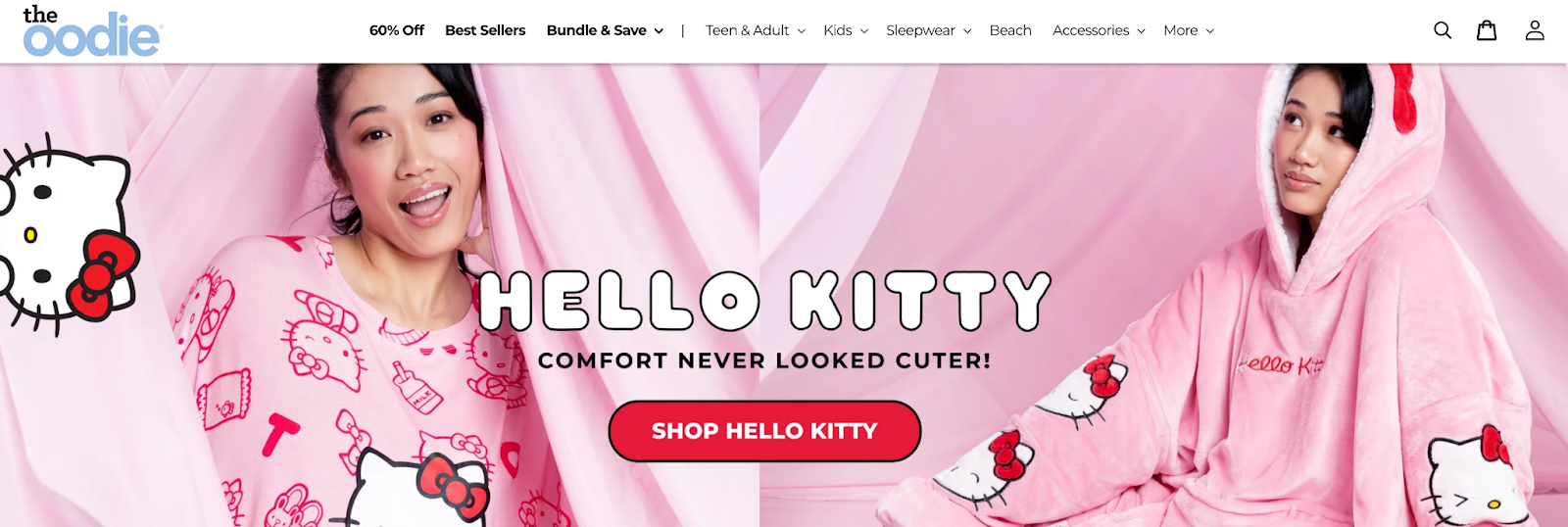
The Oodie is a live Shopify store whose strength is a memorable product category rather than a classic POD catalog. Oversized blanket hoodies give the brand one instantly understood hero product, while licensed designs and bundles expand the offer.
Study the category name and bundles if you want to build around one clear product. Standard POD blanks won't reproduce its product construction, materials, or stock setup.
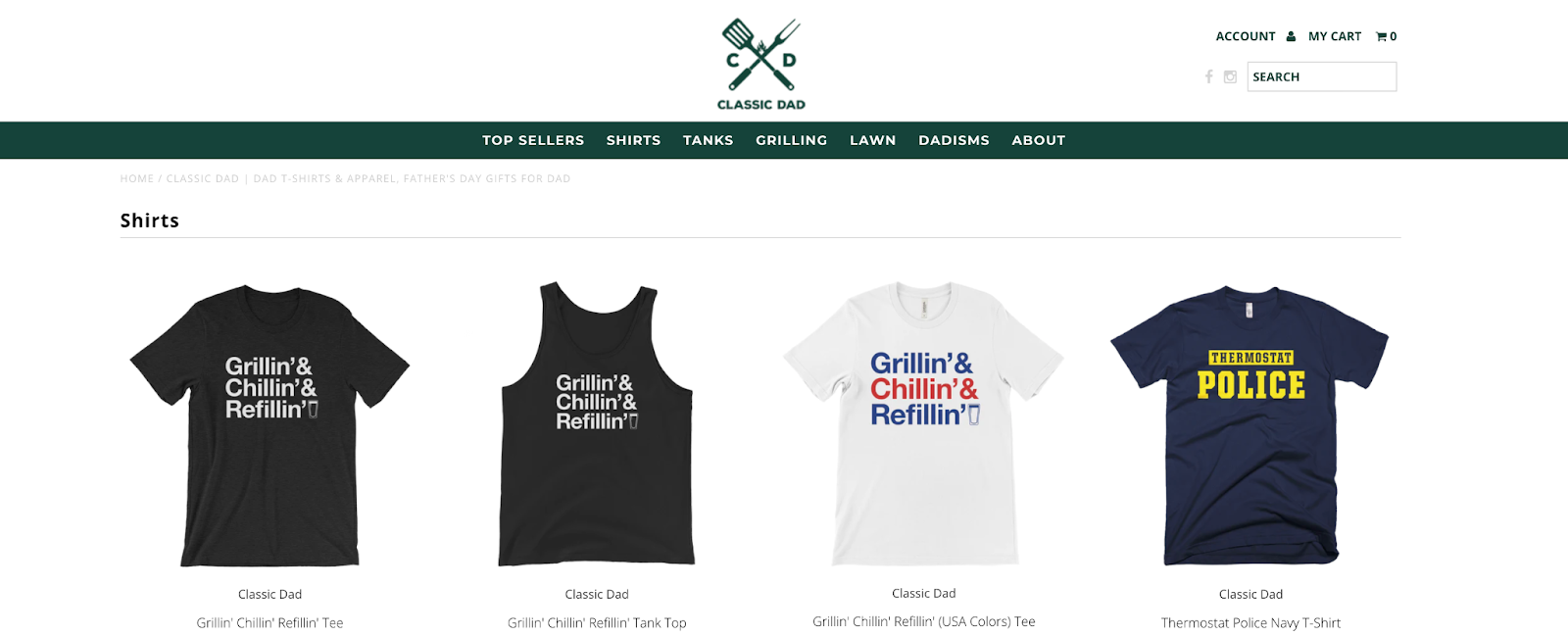
5. Classic Dad
Classic Dad is a live Shopify store that turns a defined audience into the entire sales plan. Its grilling, DIY, and dad-humor gift collections tell visitors exactly who the shop serves.
This model suits an audience-first gift brand with enough ideas to stay fresh. A broad or borrowed audience label gives buyers no reason to choose the shop. Dad humor is also easy to copy without a community or distinct voice.
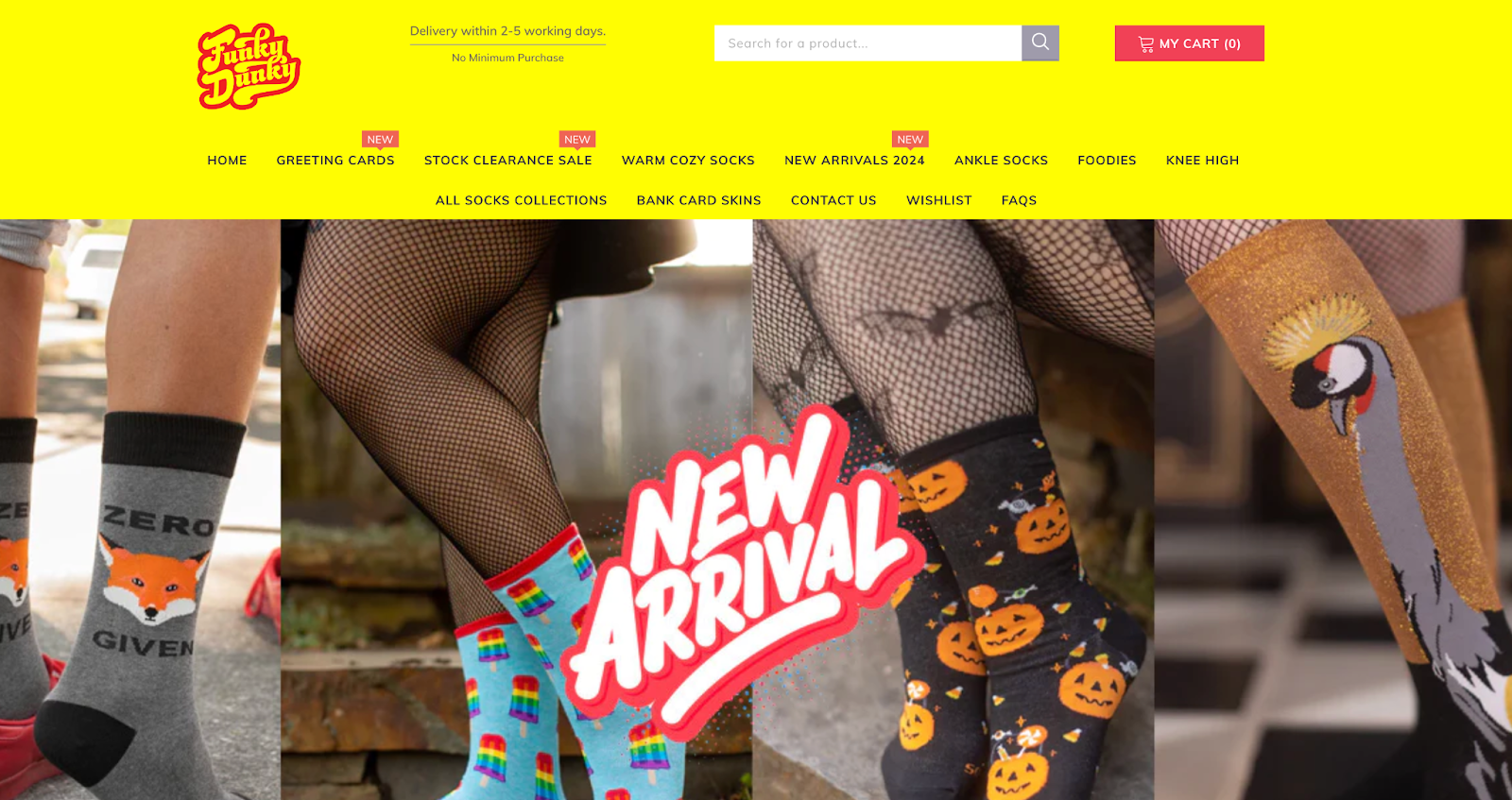
6. Funky Dunky
Funky Dunky is a live Shopify sock store with a playful, product-specific niche. The narrow category lets shoppers browse by color, pattern, and gift theme instead of sorting through unrelated blanks.
Use it to study how one product type can support many themes. The model won't suit sellers who need broad sizing or higher order values, and socks give complex designs little room to stay clear.
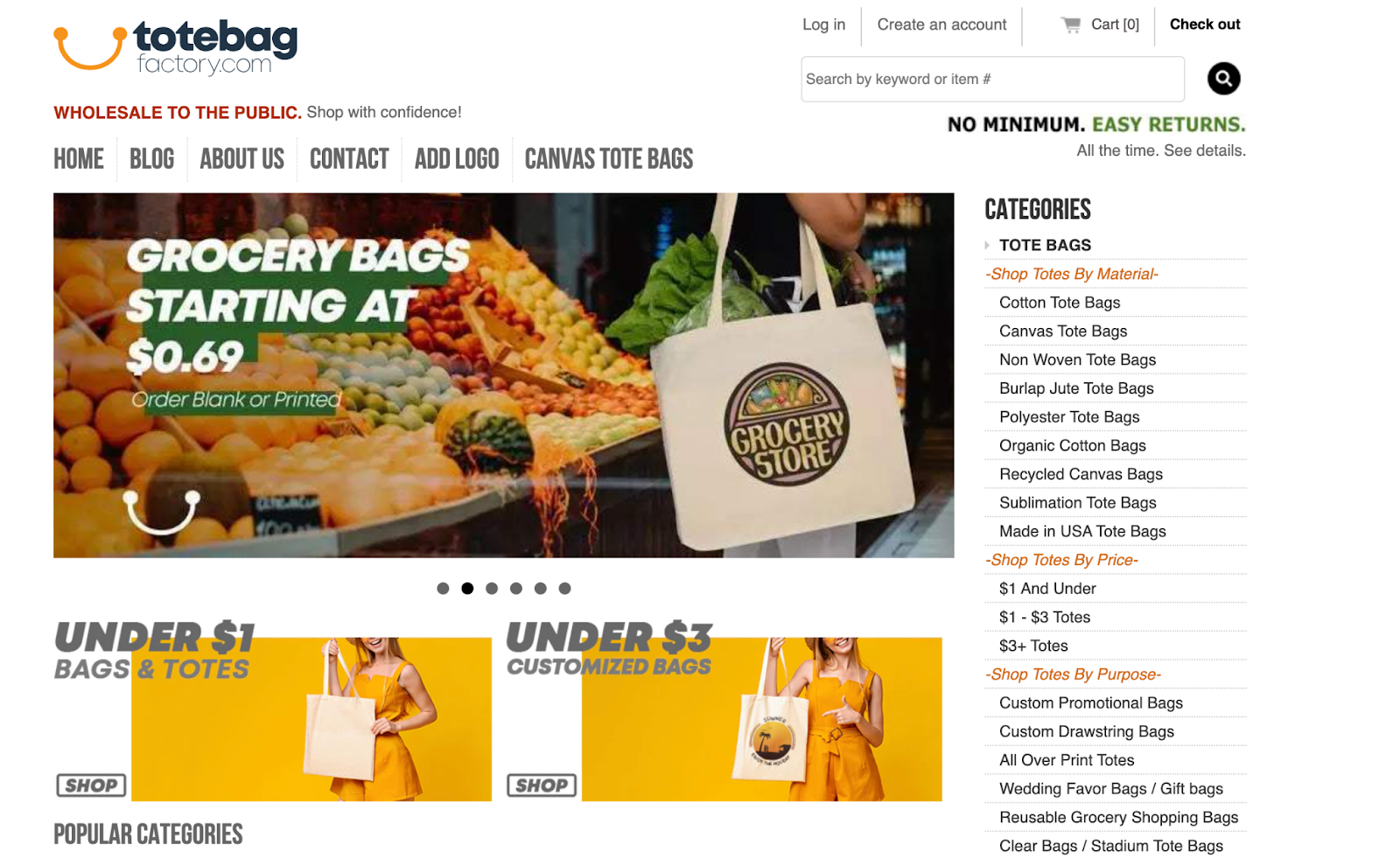
7. Tote Bag Factory
Tote Bag Factory is a live Shopify wholesaler with a focused bag catalog, but it isn't a pure POD store. Its value comes from category depth, blank options, and bulk ordering rather than an independent design brand.
Study its filters and product groups if bags are your main category. One-off custom-design sellers will learn little from its wholesale ordering model or blank catalog.
8. Shadawear
Shadawear is a live Shopify store selling African-diaspora streetwear across apparel and accessories. Collections such as Africa Future Culture and Africa Represent give its identity-led designs a clearer structure than a catalog of unrelated slogans.
The store shows how one cultural point of view can support many collections. Without a real link to the audience, the themes risk feeling borrowed, while the large catalog can make browsing harder for a new buyer.
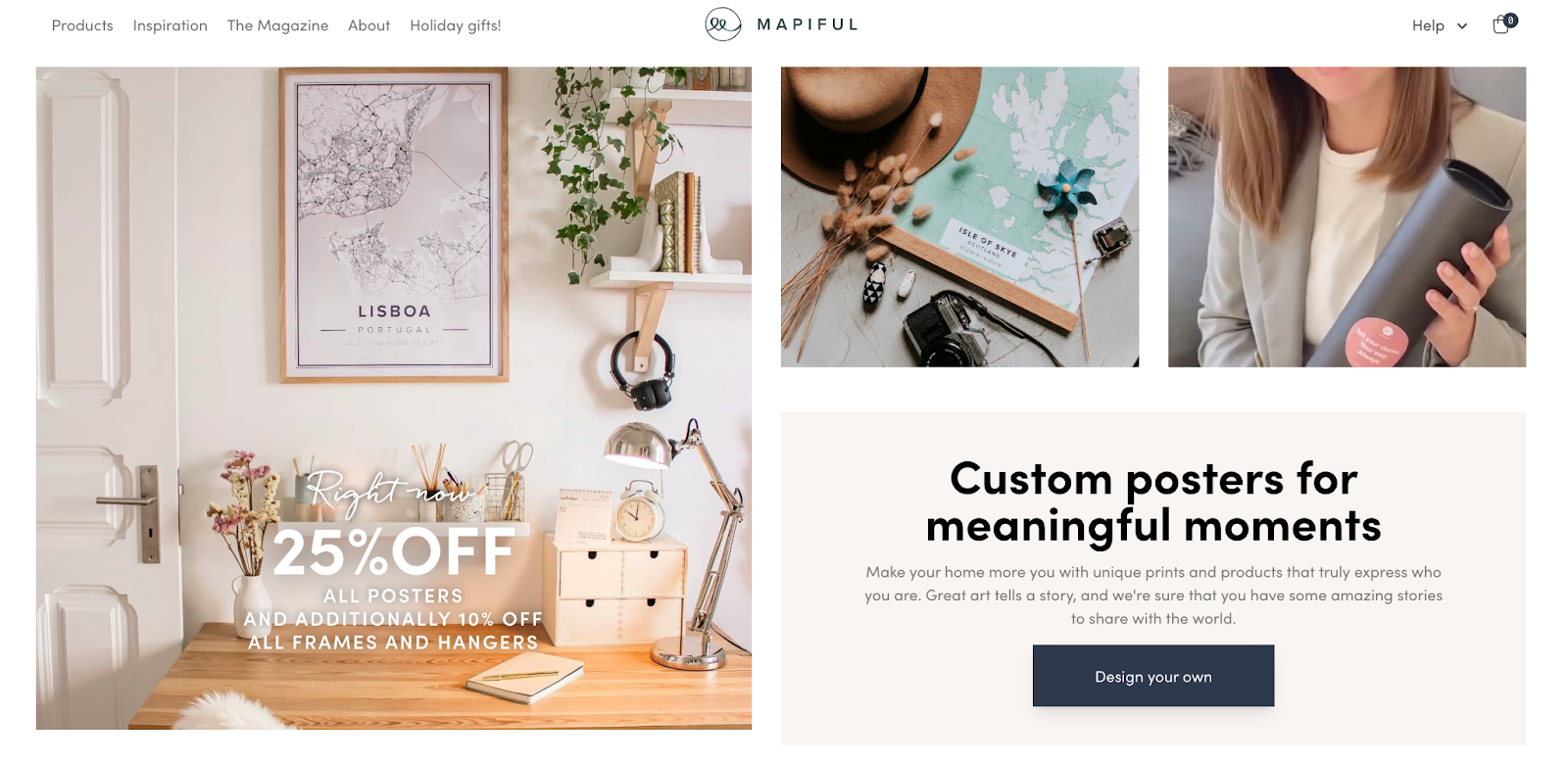
9. Mapiful
Mapiful is a live Magento store built around a custom map editor and printed wall art. The customer supplies a meaningful place, then chooses the layout and text. Those choices create the product instead of adding a name to fixed art.
Study it if your offer can turn customer input into a repeatable design. Fixed artwork gets little value from the costly editor. The tool also adds build and review work that a basic POD store doesn't need.
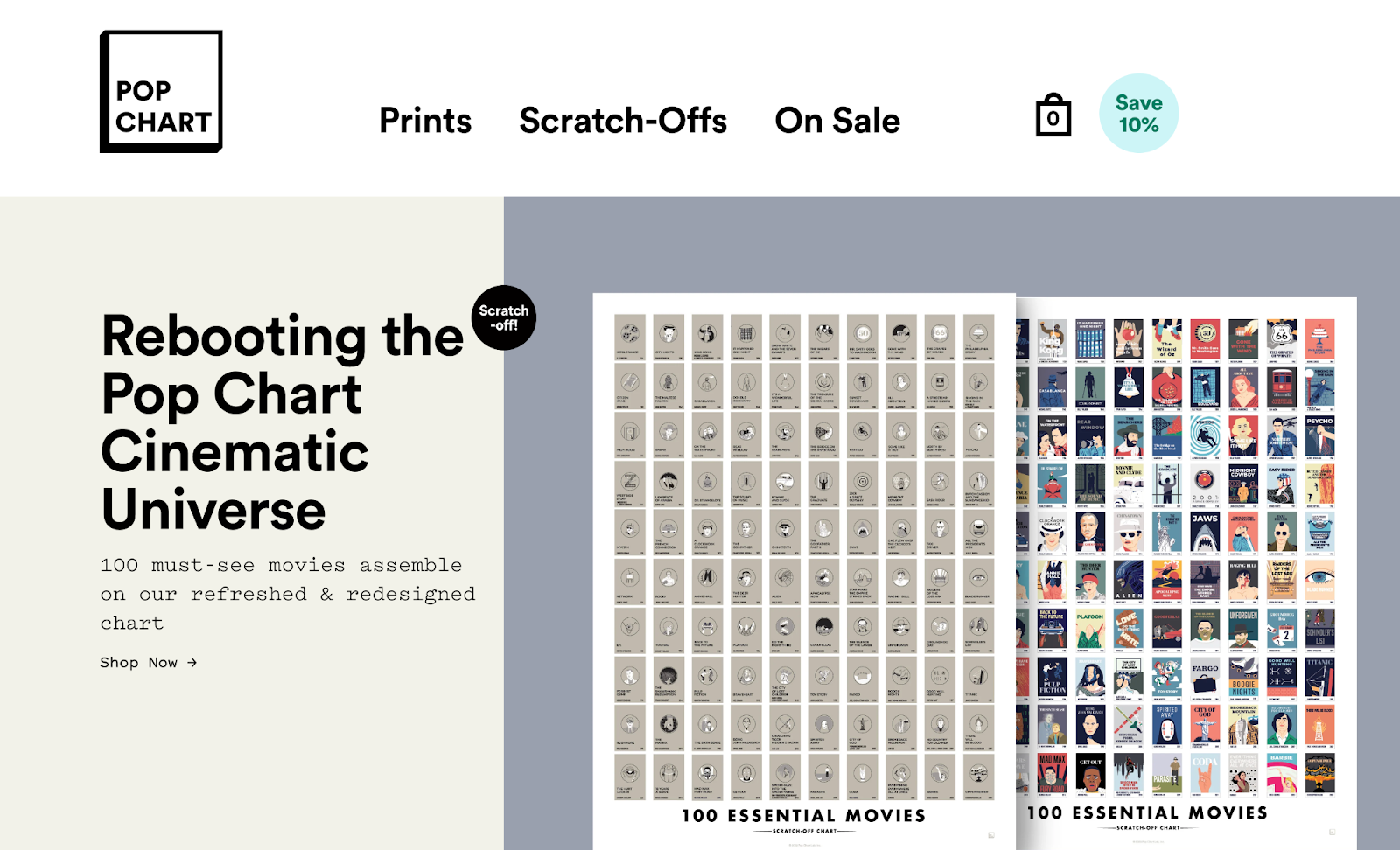
10. Pop Chart
Pop Chart is a live Shopify store that turns researched subjects into dense infographic posters. The subject range is broad, but each print helps a fan display knowledge about one interest.
This model suits designers who can research, sort, and draw information well. Fast trend sellers won't have time for the research and illustration each chart needs.
11. Alice Potter
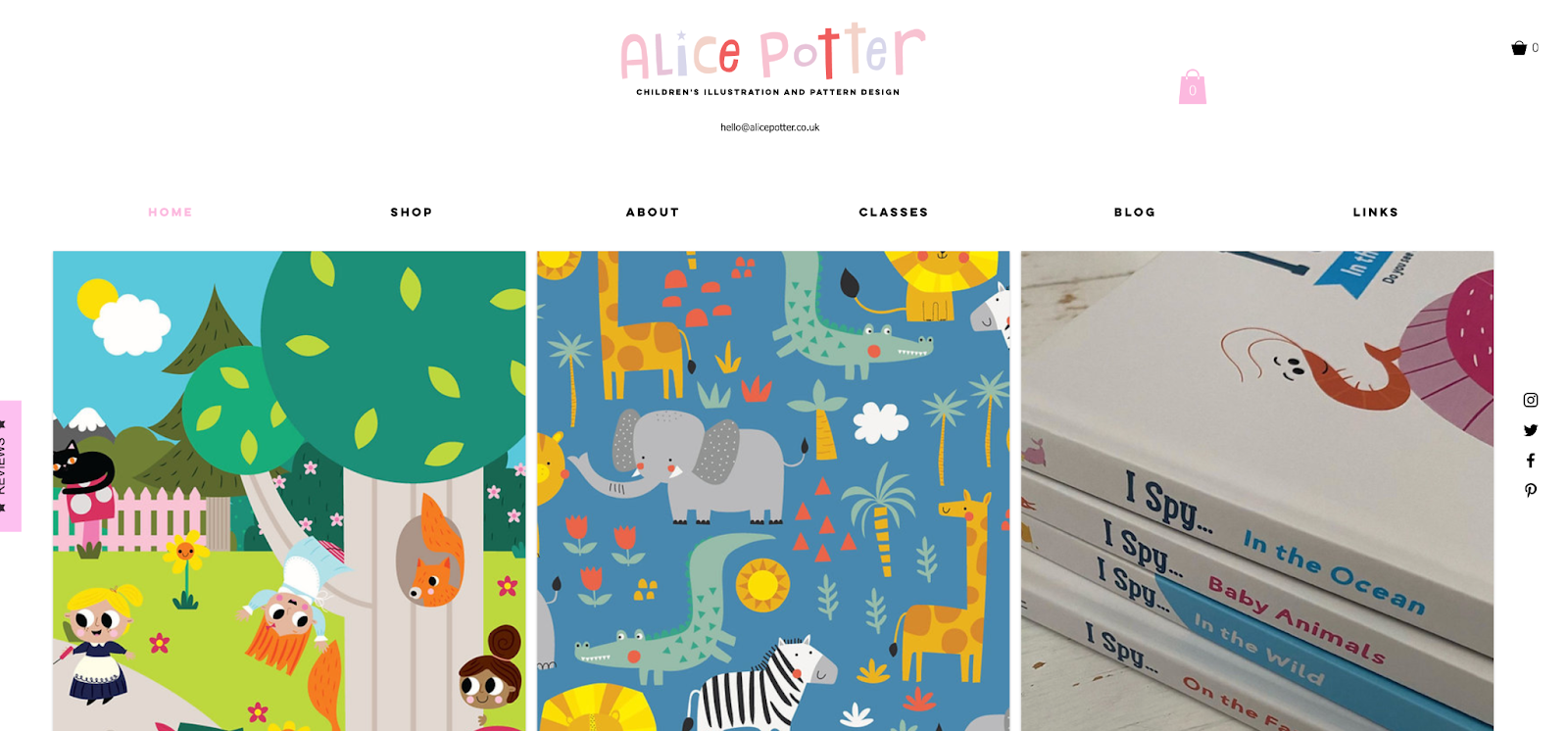
Alice Potter remains an active illustrator-led shop for prints, cards, textiles, and gifts. The artist's visual style ties different products together, giving the catalog a recognizable hand even when the item types change.
Use this model when your art has a clear point of view across formats. Anonymous template sets lose the artist-led identity that holds the catalog together.
12. Canvas Freaks
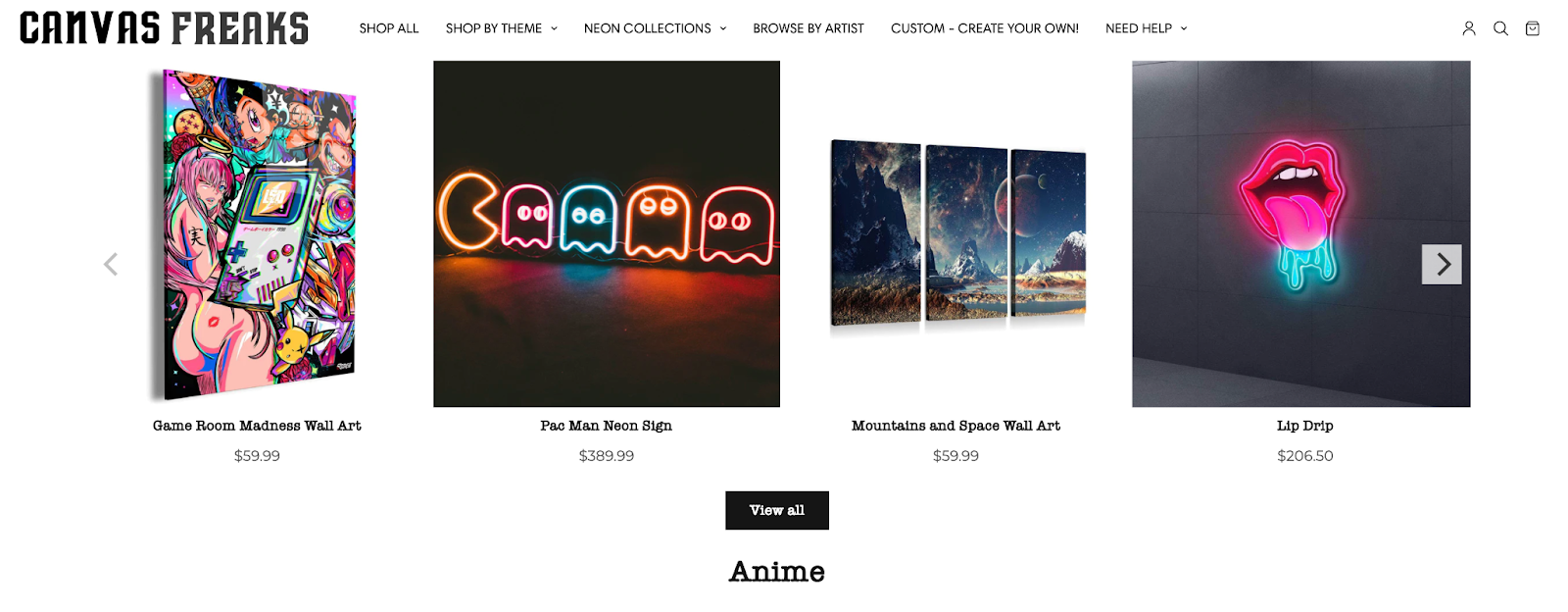
Canvas Freaks is a live Shopify wall-art store focused on gaming, anime, and neon aesthetics. The visual direction makes the audience clear before a visitor reads product copy, which is a useful lesson for design-led categories.
It suits sellers with original art for a defined fandom or room style. Copied characters weaken that distinction. A strong look alone can't prove demand or stop rivals from copying the design.
13. NerdyKeppie
NerdyKeppie is a live Shopify store serving queer, Jewish, disabled, and nerdy communities with made-to-order goods. Its official story explains that partner-made designs ship after ordering, which gives this entry unusually clear evidence of the operating model.
The store shows how community knowledge can shape products. Outsiders risk flattening those communities into generic labels. Its deep catalog can also overwhelm a shop that hasn't learned which themes buyers want.
14. Iconspeak
Iconspeak is an archived travel-shirt concept. This review found no usable official storefront or catalog. Its shirts used travel icons for a bed, bus, meal, or phone. A traveler could point at the needed symbol without sharing a language.
The product idea shows how a print can solve a real problem. I wouldn't model the current business because its domain returned no usable store. Searches also found no active official catalog. Treat Iconspeak as an archived concept.
15. Own Your Stigma
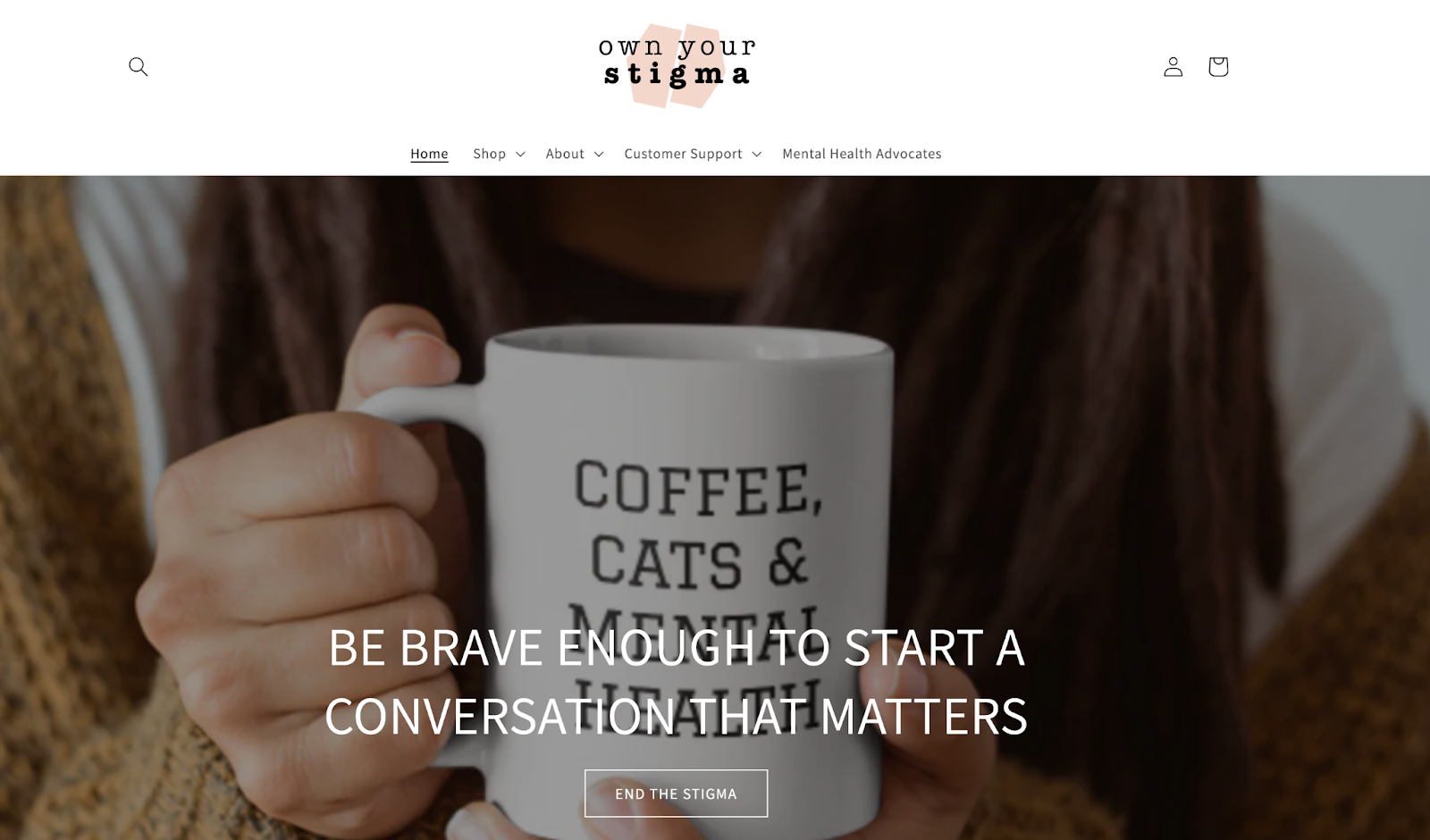
Own Your Stigma is a live Shopify store focused on mental-health advocacy apparel. Its message-led shirts name mental-health experiences directly, giving customers language for identity and conversation.
This suits a founder who knows the community and can handle a sensitive topic with care. Trend chasing or unsupported health claims can damage that trust.
16. Yes We Vibe
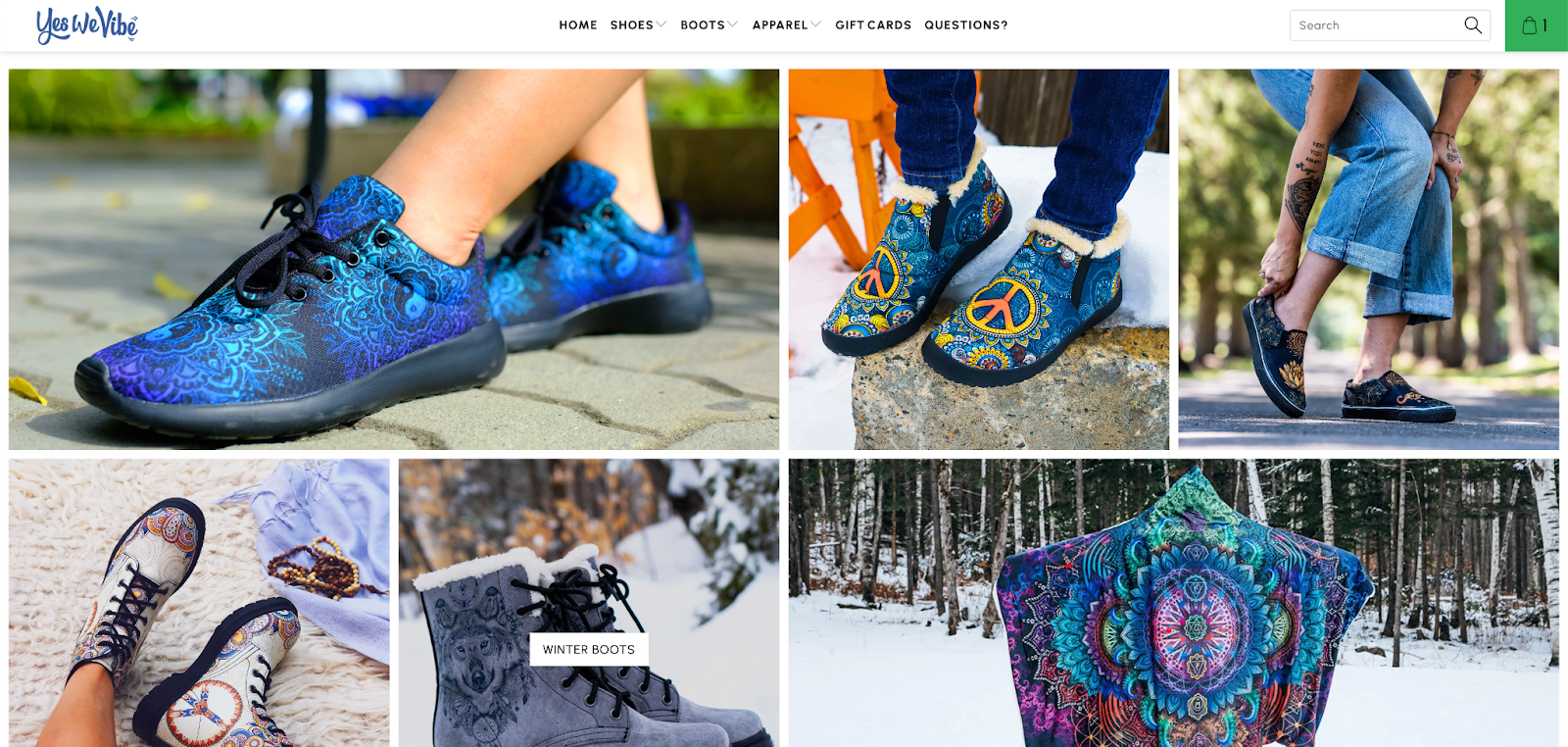
Yes We Vibe is a live Shopify store with pattern-led shoes, apparel, and home goods. Its clearest lesson is product visualization because a buyer needs to see how a detailed pattern wraps around an unusual blank.
Study it if your art needs all-over printing and stays clear across several shapes. Flat-front designs won't transfer to every product, while custom shoes add size and return risks.
17. Turned Yellow
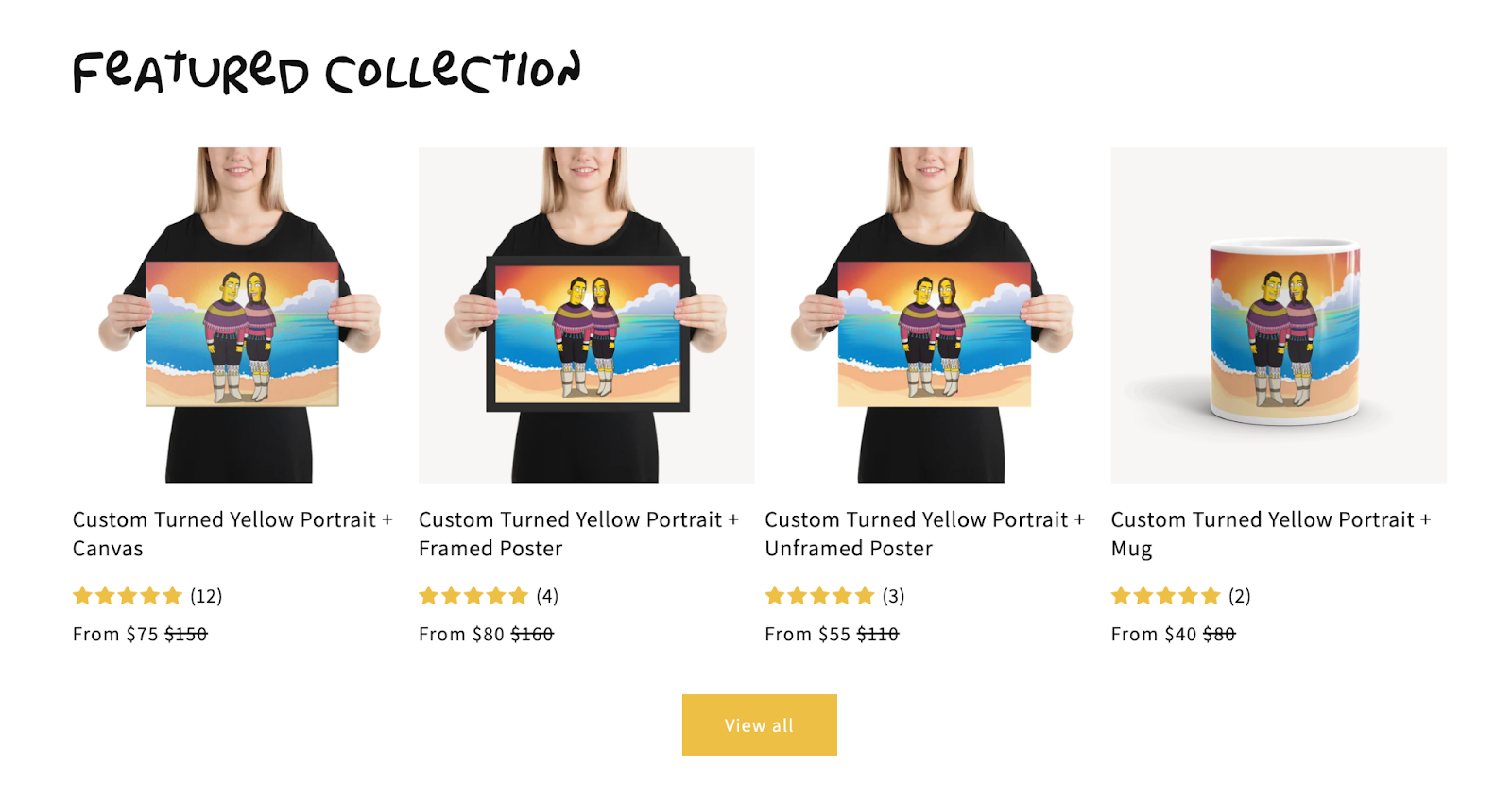
Turned Yellow is a live Shopify store that converts customer photos into cartoon portraits. Buyers understand what they must send and what they will get. Finished examples set expectations before the custom product exists.
This shows a clear custom workflow and gift use. The workflow fails if you can't review art and photo quality. Each order also adds service work that a fixed-design shop avoids.
More print and customization businesses to compare
These 14 businesses widen the comparison from consumer POD brands to custom printers, made-to-order goods, and three conventional retailers that fail the model check. Continue the review in this order:
- Crown & Paw: Personalized pet portraits in the United States.
- Skinit: Device customization in the United States.
- Extreme Canopy: Printed event canopies in the United States.
- Coastal Reign: Custom apparel printing in Canada.
- Wohlford & Co.: Made-to-order boots in Canada.
- Kiss the Paper: Letterpress goods in Canada.
- Talia Designs: Artist-led phone cases in Australia.
- Strandbags: An Australian retailer that fails the fit test.
- Aussie Chef: A uniform supplier that fails the fit test.
- Totally Covers: Custom vehicle interiors in the United Kingdom.
- Allure Bath Fashions: A retailer that fails the fit test.
- Singhania's: Printed ethnic wear in India.
- AINA: Block-printed clothing in India.
- Wear Your Opinion: Message-led merchandise in India.
18. Crown & Paw
Crown & Paw is a live Shopify store selling personalized pet portraits on prints and gift products. Pet owners upload the subject, choose a style, and review the expected result before receiving the custom composition.
It suits sellers who set clear image and revision rules before purchase. Every order needs review, so a low-touch operator can't reproduce the workflow reliably.
19. Skinit
Skinit is a live Shopify store for device skins, cases, and licensed customization. Device selection comes before design choice, which prevents a buyer from falling in love with artwork that doesn't fit the hardware.
Study its compatibility menus if your product depends on exact models or sizes. Without sound product data, wrong device options cause returns, while new hardware makes the list costly to maintain.
20. Extreme Canopy
Extreme Canopy is a live Shopify store for custom-printed tents, banners, and event structures. The offer proves that on-demand printing can serve expensive business equipment rather than only shirts and mugs.
This is useful if your buyer needs art help, exact specs, and a custom quote. Large shipping costs and expensive print errors make the model unsuitable for cheap impulse buys.
21. Coastal Reign
Coastal Reign is an active Canadian custom printer serving businesses, schools, teams, and merchandise brands. Its official pages show in-house printing, art review, and mockup approval. The firm also offers several print methods instead of remote POD fulfillment.
Study the approval process if customers bring their own artwork. This bulk workflow needs staff, equipment, and close customer contact beyond a solo consumer brand.
22. Wohlford & Co.
Wohlford & Co. is a live Shopify store for made-to-order boots, which makes it adjacent to POD rather than a printing example. The transferable idea is the guided custom-order process for a high-consideration product.
It helps readers study custom options, order details, and high-consideration sales pages. Handmade shoes need different skills, lead times, and checks from artwork-based POD.
23. Kiss the Paper
Kiss the Paper is a live Shopify letterpress studio offering stationery, cards, and custom print work. Its tactile production method gives the product a reason to cost more than a standard digital print.
This example suits designers who want to sell tactile paper goods. Letterpress setup requires hands-on production and makes tiny one-off orders less useful than repeat runs.
24. Talia Designs
Talia Designs is a live Squarespace store built around an Australian artist's floral phone-case designs. The consistent watercolor style links the products more strongly than the phone-case category alone.
Study it if one artist can make a small catalog easy to recognize. Unrelated trends would weaken its consistent watercolor identity, while device support still creates the upkeep problem of any case shop.
25. Strandbags
Strandbags is a live Shopify retailer, but it fails the print-on-demand model test. Its range of handbags, luggage, and accessories comes from an established retail operation rather than a customer-triggered printing workflow.
You can study its menus and product pages. A new POD seller shouldn't treat its stores or stock range as a fair match. It appeared here because products carried prints. Surface appearance is a weak test.
26. Aussie Chef
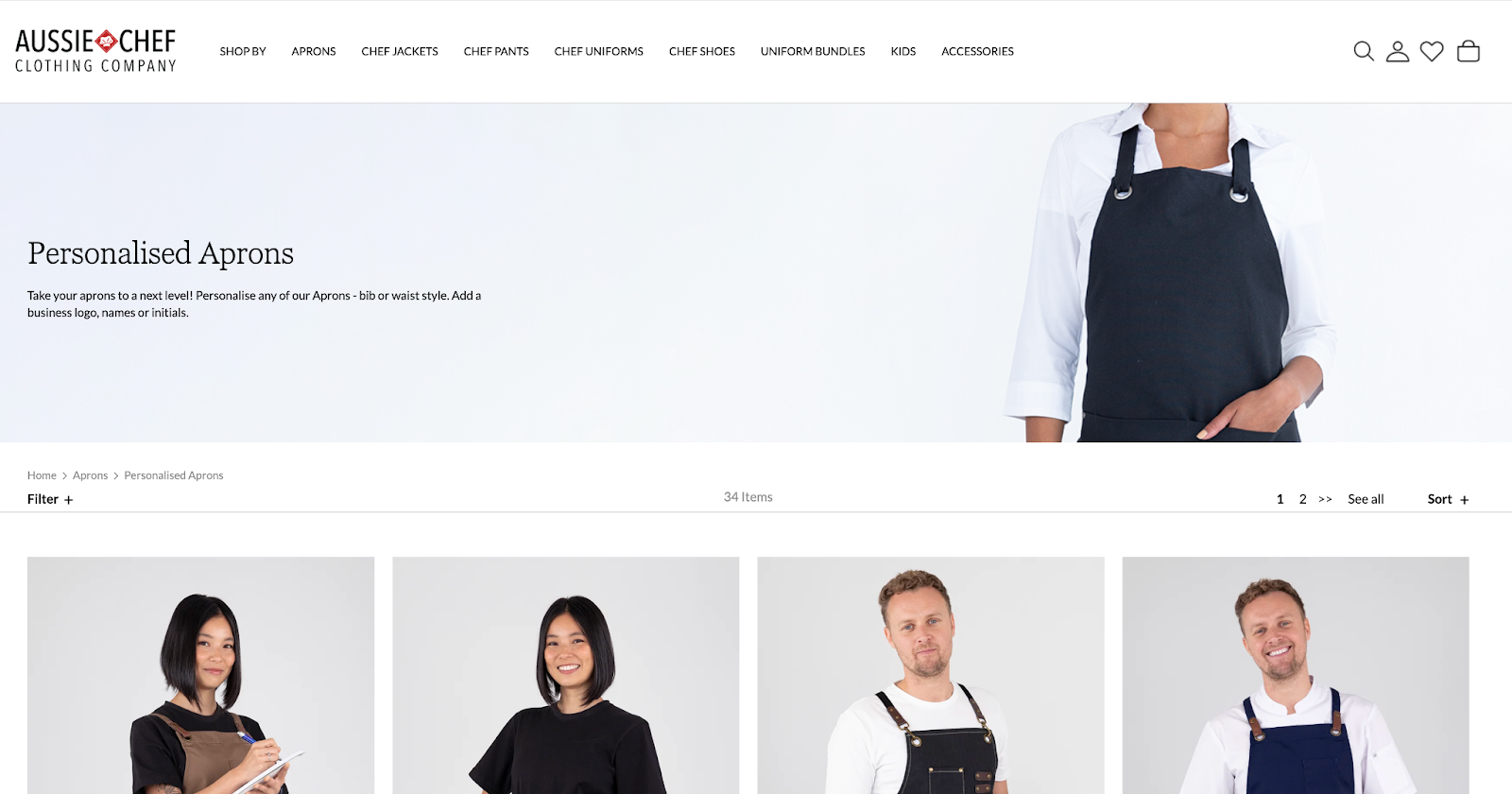
Aussie Chef is a live Magento uniform supplier with customization services, not a conventional POD brand. Apron materials, embroidery, and logo options can still teach you how business buyers specify a custom order.
It helps readers study branded workwear and service-led printing. Quotes, uniforms, and supplier ties belong to an established trade business. A cheap consumer shop can't reproduce that model.
27. Totally Covers
Totally Covers is an active custom vehicle-interior store with an indexed UK catalog and order path. Buyers choose colors or prints, then add text or a logo. Vehicle details help the company make covers that fit.
This is useful for studying custom orders with many specifications. Simple fulfillment is impossible because one wrong vehicle detail can ruin the final product.
28. Allure Bath Fashions
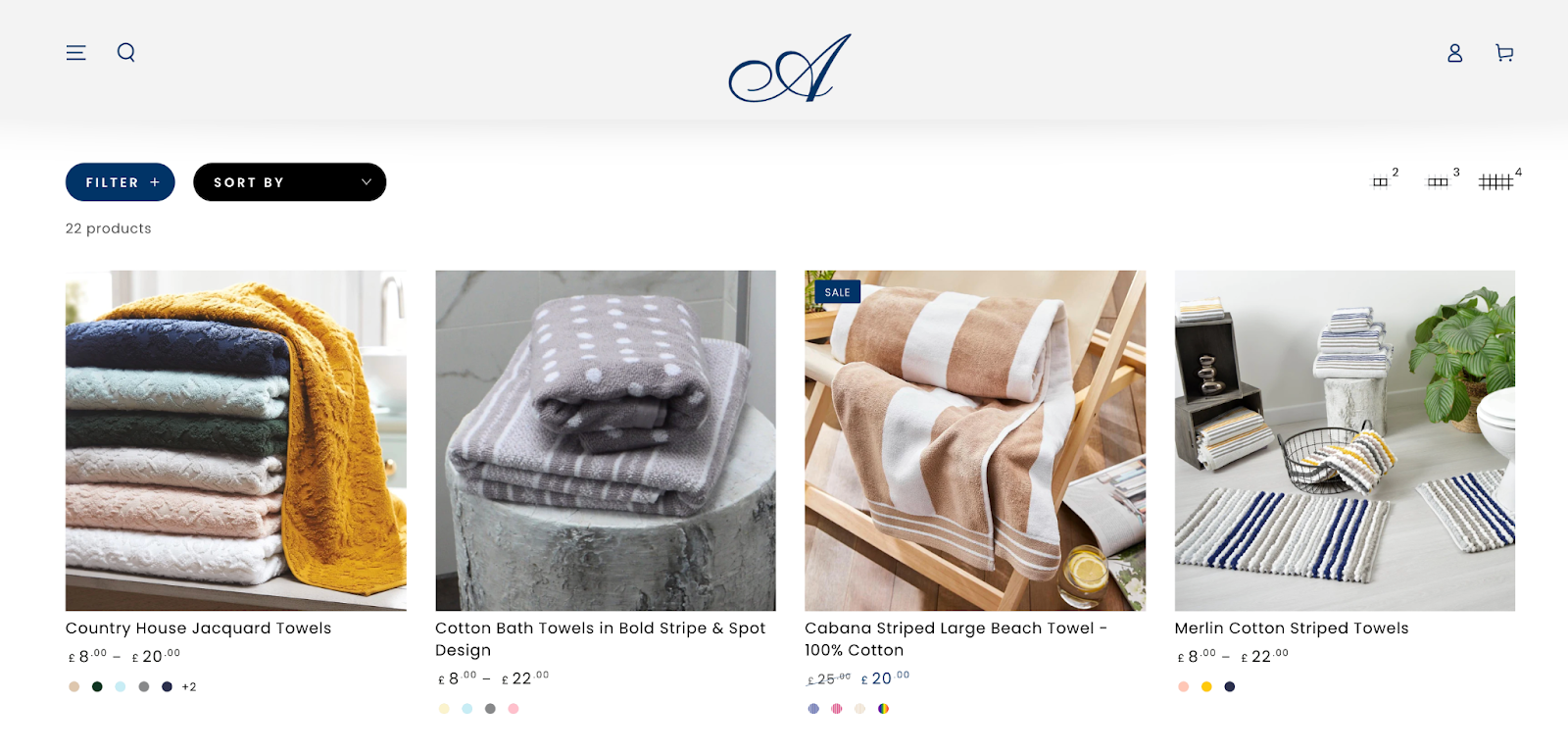
Allure Bath Fashions is a live Shopify home-textile retailer, but it isn't a useful POD operating example. Its current catalog centers on finished towels, mats, robes, and throws rather than customer-triggered artwork or personalization.
The store can inspire printed home-goods pages. A POD seller shouldn't copy its stock model. Patterns alone don't show whether items are printed only after an order.
29. Singhania's
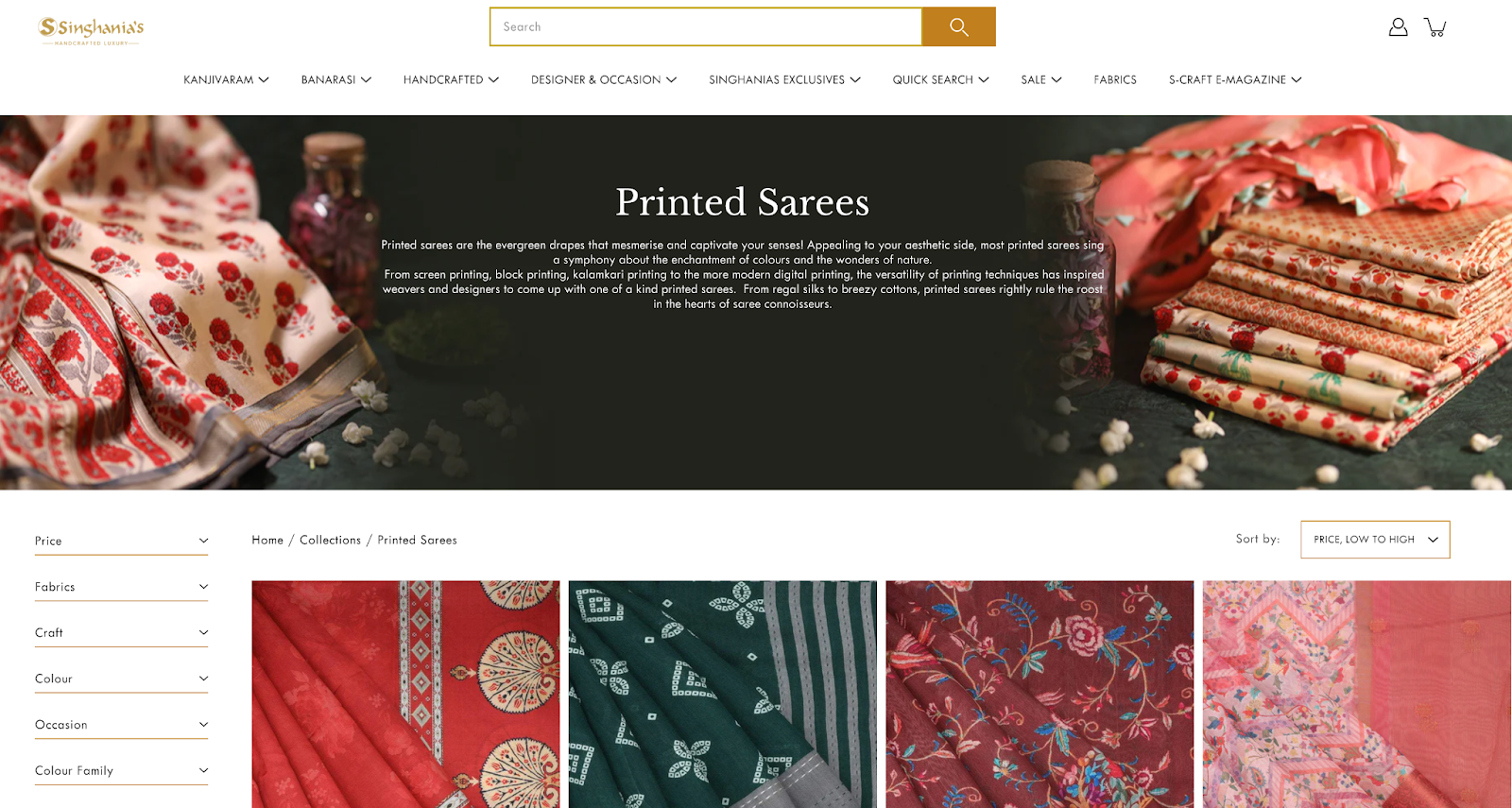
Singhania's is a live Shopify fashion retailer with a deep catalog of printed and woven Indian clothing. Its useful lesson is how fabric, technique, occasion, and garment type help buyers navigate a visually dense category.
It helps readers study how to sell printed fashion. Traditional textiles and stocked clothing make this a merchandising reference. They don't show a POD operating model.
30. AINA
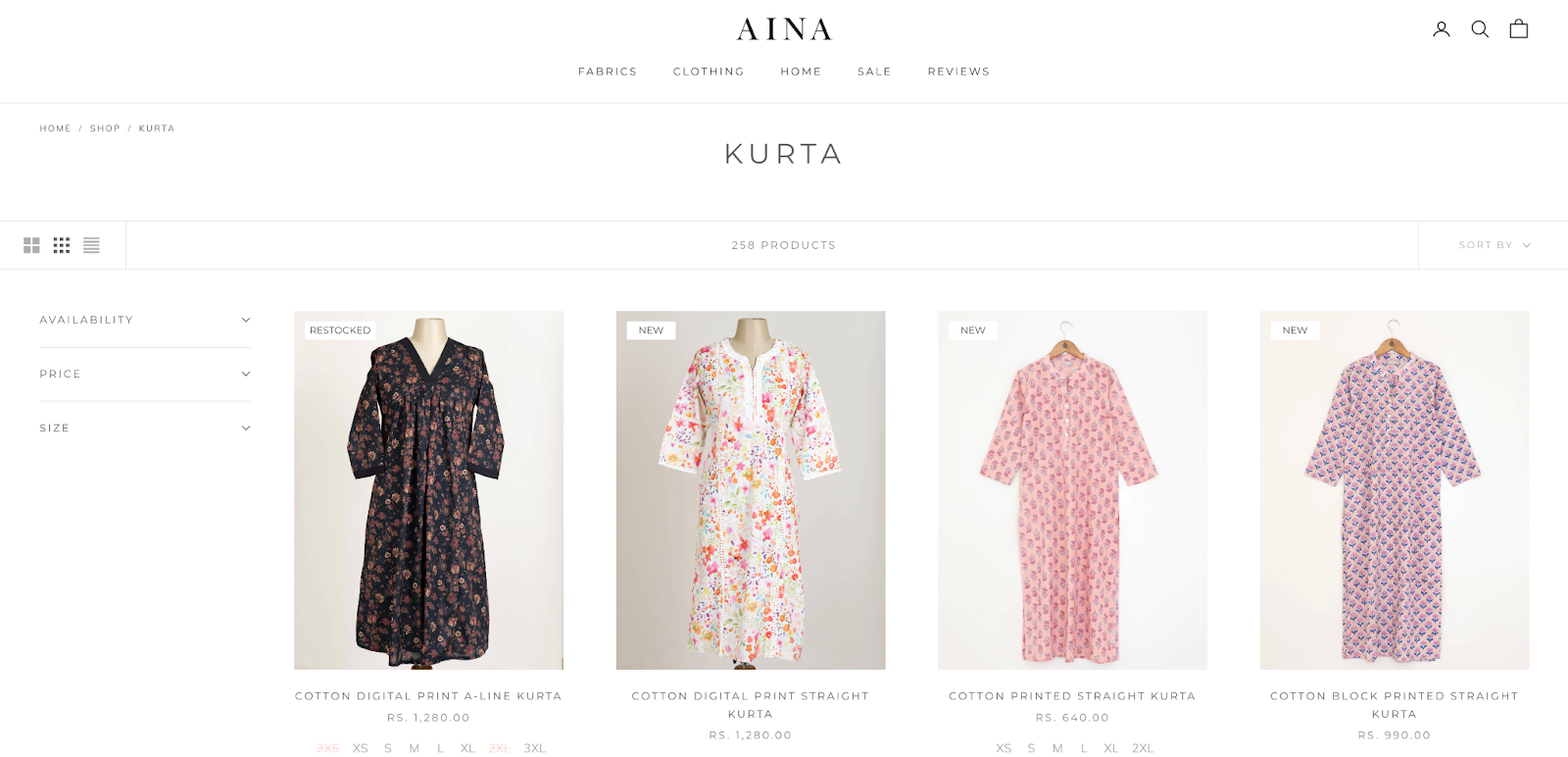
AINA is a live Shopify clothing store centered on block prints, embroidery, and Indian silhouettes. The collections show how one production tradition can organize a brand without reducing every product to the same design.
Study its steady look if your niche draws on a real craft or local style. Automated print partners and generic blanks can't reproduce its traditional cloth and methods.
31. Wear Your Opinion
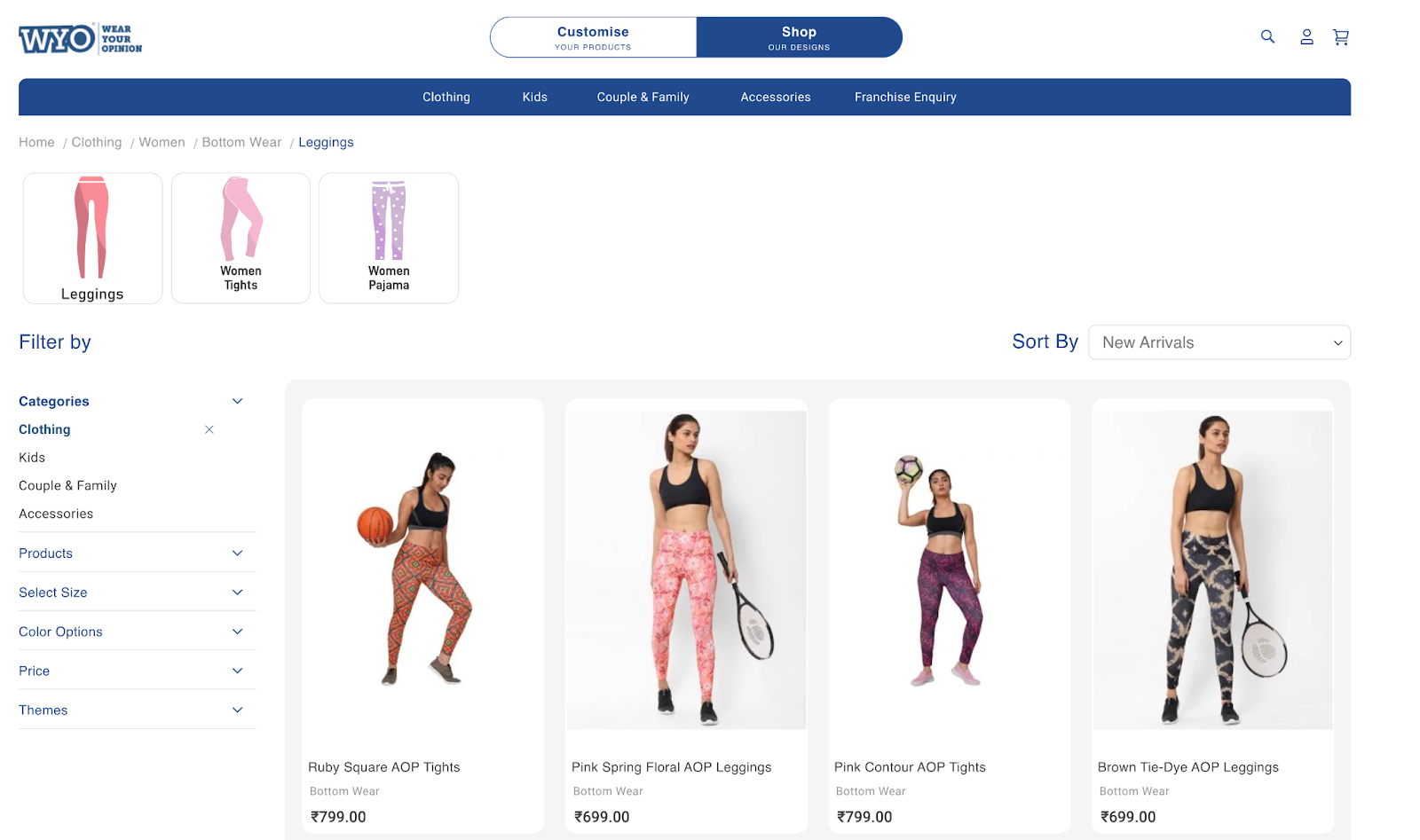
Wear Your Opinion is a live Shopify store selling message-led apparel, accessories, and phone cases in India. The brand makes self-expression the common thread across product types, which gives the broad catalog a clear reason to exist.
This fits a seller with original messages for a known audience. Generic or copied phrases are a poor base. A wide range can also spread attention before the store knows what buyers prefer.
Is print on demand still profitable?
Print on demand can still be profitable, with typical net margins at 20-40% according to Printful. Production cost, shipping, platform fees, refunds, and customer acquisition all reduce the money you keep.
The market is large enough to support real demand. Printify cites a $15.19 billion global POD market in 2026 from Mordor Intelligence. That total can't tell you whether a given design will sell.
I would check whether the price still works after every cost. Personal goods can support higher prices when the result matters to the buyer, while basic apparel often leaves less room after ads and returns. Ordinary dropshipping profit margins subtract product, shipping, platform, refund, and acquisition costs from the selling price.
Build a per-order cost sheet before setting the retail price. Add the supplier's base price, shipping, payment fees, expected refund cost, and average ad cost. Then run the same sheet with a discount and a replacement order. If either case removes your profit, change the product or price before buying traffic.
How can you find more print-on-demand stores to study?
Find more useful examples by filtering active stores by niche and platform, then checking the offer yourself. This avoids depending on roundup pages that keep closed stores and misclassified retailers for years.
Shop Library can narrow the field by niche, revenue, and recent sales growth. Apply the same three checks to confirm that each store uses POD and that its niche suits you.
I would shortlist stores with the same buyer and product type, then compare their product pages, custom steps, and proof. Dropshipping stores worth studying usually sell ready-made supplier products, while POD stores print goods after an order.
Record each store's product range, lowest delivered price, custom choices, delivery promise, and visible buyer proof in one sheet. The side-by-side view will expose differences that disappear when you browse each shop alone. Keep tactics your supplier can support and discard the rest before you design a full catalog.
Key elements of successful print-on-demand stores
The strongest examples pair a narrow audience with a clear made-to-order offer and visible proof that buyers trust the result. Those qualities appear in different forms across the review:
- Audience: The buyer can tell within seconds that the designs are for them.
- Offer: Personalization or artwork changes the product in a meaningful way.
- Proof: Reviews, customer examples, or current work reduce uncertainty.
The Oodie makes one category easy to understand, while Mapiful turns customer input into a repeatable product. NerdyKeppie proves its made-to-order process. Those visible choices matter more than the storefront platform.
One-product Shopify stores can be easier to understand than broad catalogs because the customer sees one clear job and fewer unrelated choices.
A narrow audience still needs original work and reachable demand. Building a distinct brand identity helps people remember the offer, but it can't rescue weak economics or copied designs.
Survival doesn't prove that niche focus, Shopify, or social proof caused the result. Borrow one clear tactic and test it against your costs and audience. Reject anything that needs partnerships, equipment, or service work you don't have.
FAQ
Do you need an LLC to sell print-on-demand?
Your business structure depends on your jurisdiction, ownership, risk, and tax situation. A qualified accountant or business lawyer can assess those facts before you choose a structure.
Which print-on-demand company pays the most?
POD suppliers charge production and fulfillment costs rather than paying sellers a fixed rate. Your margin depends on the product's base cost, shipping, selling price, platform fees, refunds, and marketing cost.
Can I start a print-on-demand store with no design skills?
You can start without drawing by hand if you can direct, license, or commission original design work. You still need enough judgment to reject weak artwork and check how every design prints on the chosen product.
How do I know if a print-on-demand niche is crowded?
Review the first page of search results and record repeated designs, price bands, review counts, and custom options. Choose the niche only when you can name a buyer need or personalization gap those stores leave open.


