
15 Best Dropshipping Niches to Research
Compare 15 dropshipping niches and use a validation record to test product demand, supplier evidence, landed cost, delivery, and risk.
The top 15 best dropshipping niches are research leads, not proof that an item will sell. A niche is easier to test when it points to a specific product, buyer, and listing promise.
Treat each of these 15 categories as a research lead. Sales and profit still depend on the product, offer, and test.
I ran a print-on-demand apparel store and changed how I judge niche lists. I look for a product angle I can test.
Use the list to pick one candidate at a time. Then complete one validation record.
Key takeaways
What makes a dropshipping niche worth testing?
A dropshipping niche is worth testing when one product has enough evidence for a small, bounded test. Confirm the buyer problem, supplier terms, landed cost, delivery promise, return route, and category risks before you buy traffic. A niche label can start a shortlist, but it cannot establish product demand or a workable order experience.
Create a Dropshipping Niches Validation Record for every product you consider.
For each field, log what you found, its source, and the check date:
Shortlist Dropshipping Niches
Use the 15 niches below as research starting points in the order shown.
Start with these niche categories,
- Baby organization and textiles.
- Electronics accessories.
- Print-on-demand apparel.
- Beauty tools and organizers.
- Pet supplies.
- Kitchen and dining tools.
- Home and bedroom organization.
- Educational toys and activity kits.
- Sports and fitness accessories.
- Travel organizers.
- Jewelry storage and accessories.
- Gardening accessories.
- Arts and crafts supplies.
- Car organization accessories.
- Party supplies.
Each section names products to check and one reason to stop.
1. Baby organization and textiles
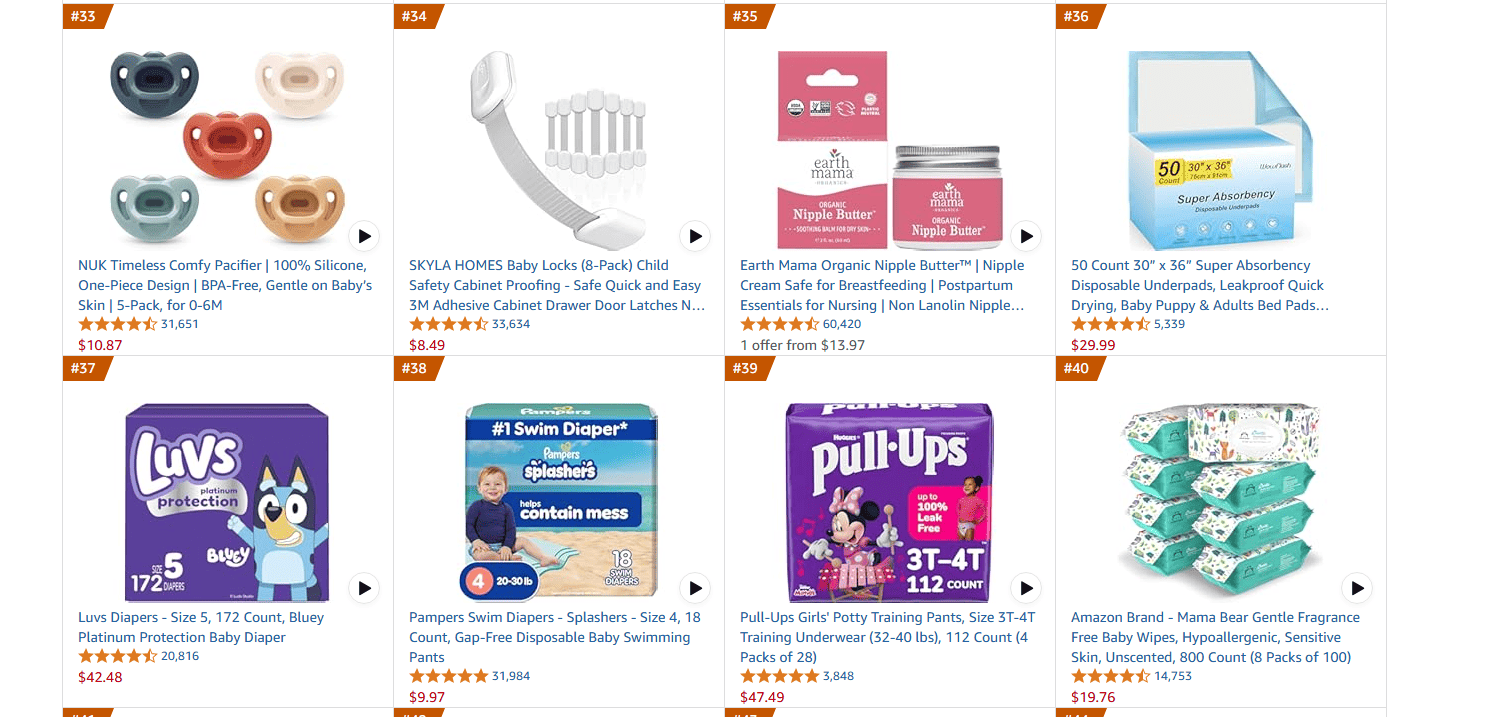
Baby organization and textiles include useful, giftable products such as diaper caddies, burp cloth sets, and stroller organizers. These products can support bundles by use or color.
Reject items when the supplier can't document materials and care instructions. Check age grading separately. List only details the supplier can support.
2. Electronics accessories
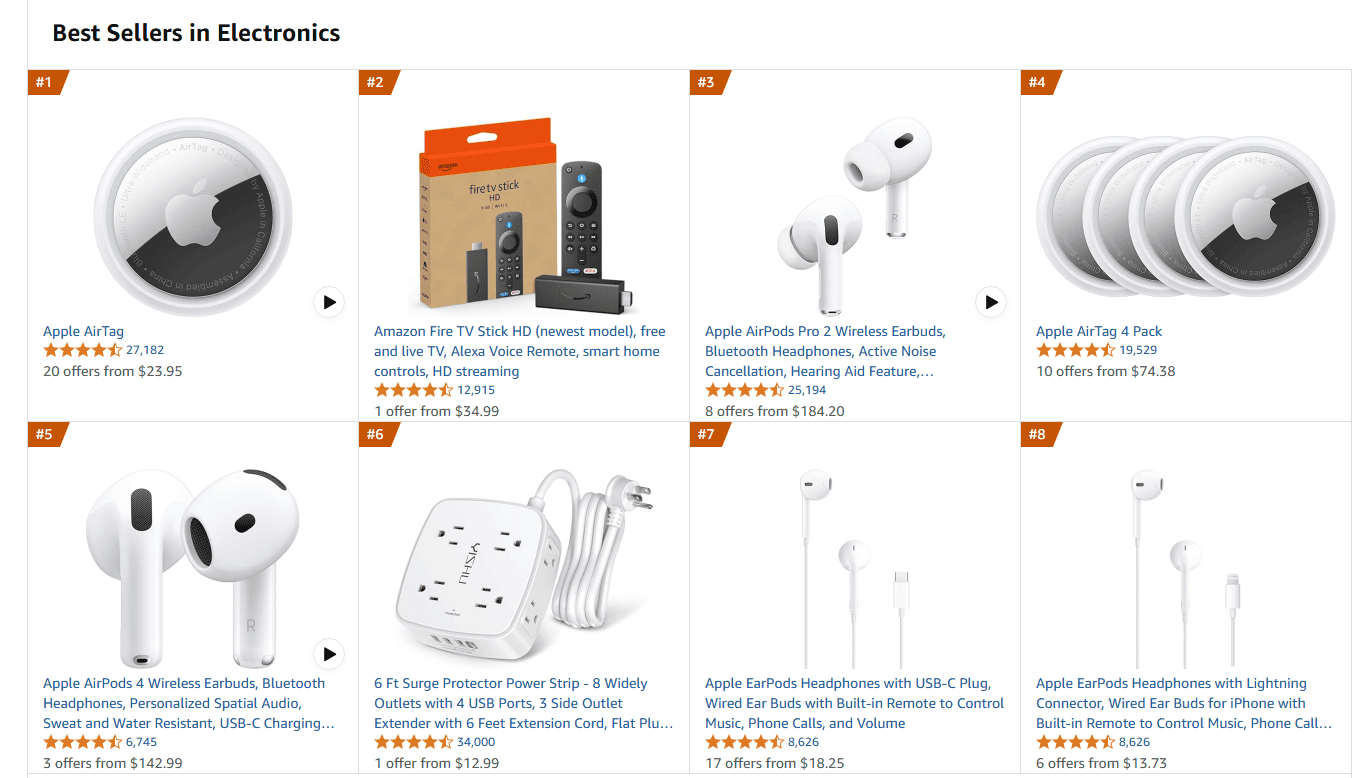
Electronics accessories help with desk, charging, and device storage problems with folding phone stands, cable clips, and laptop sleeves. Fit and compatibility are the main return risks.
Check measurements, device sizes, included parts, and materials on the sample. Treat batteries and mains-powered items as higher-risk candidates. Record their documents and shipping limits before deciding.
3. Print-on-demand apparel
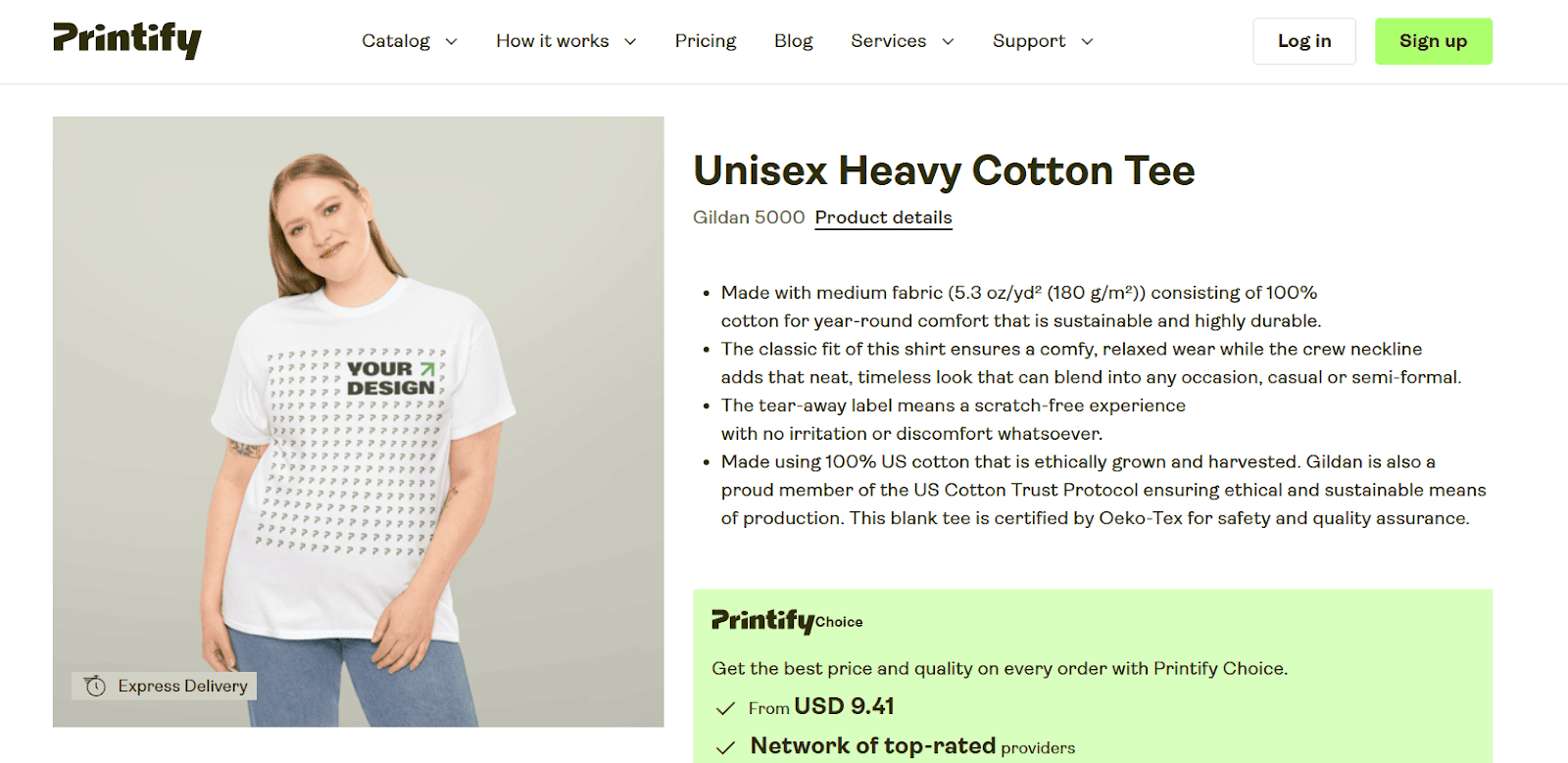
Print-on-demand apparel works best when an original design serves a clear audience instead of copying a broad trend. Graphic shirts, embroidered caps, and tote bags give one idea several formats.
Order samples in the colors and sizes you plan to sell. Stop for weak print quality or uneven sizing. Uncertain artwork rights should also stop the listing.
4. Beauty tools and organizers
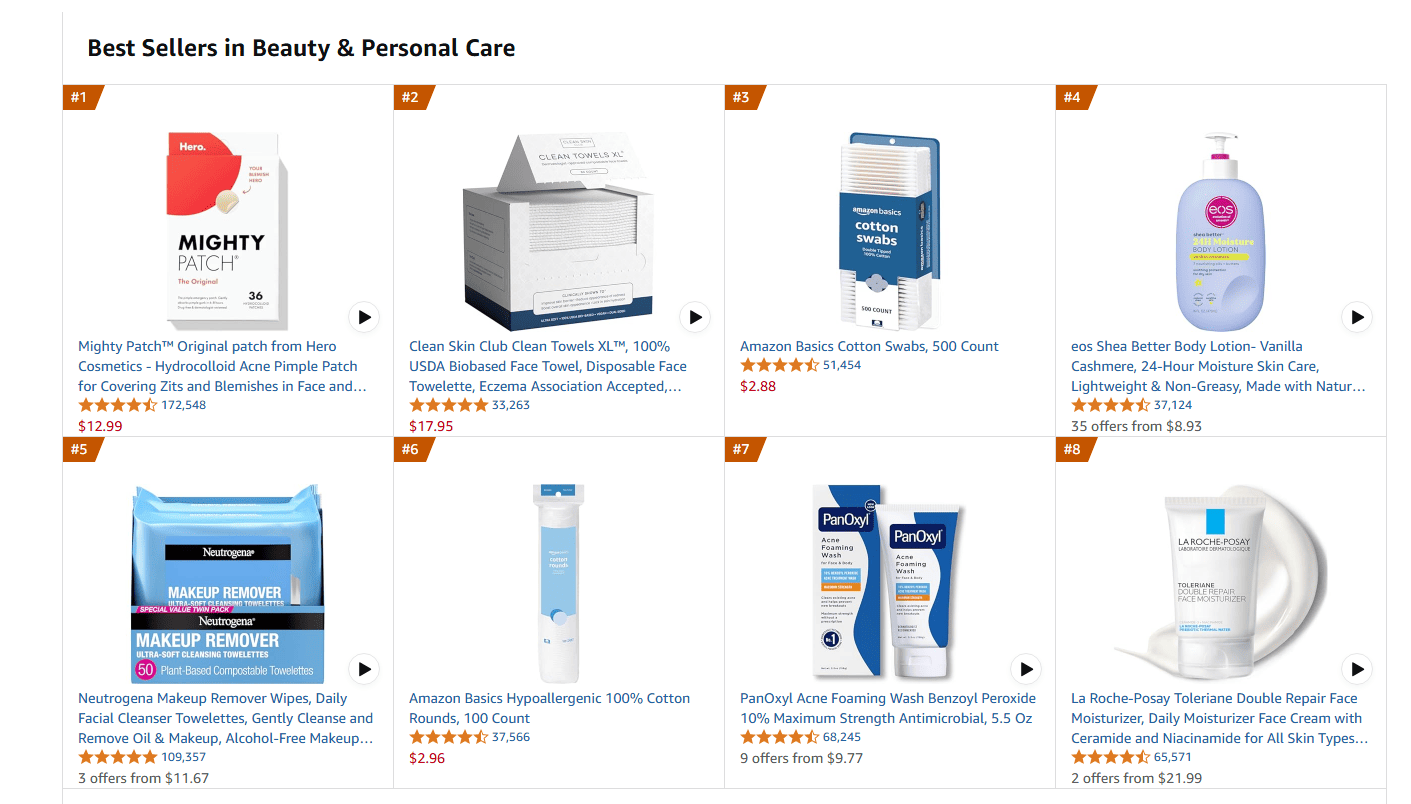
Beauty tools and organizers let you build visible demos with heatless curlers, brush cleaners, and makeup organizers.
Check materials, dimensions, cleaning instructions, and sample finish. Keep cosmetic-tool claims narrow. Use only what the product and evidence can show.
5. Pet supplies
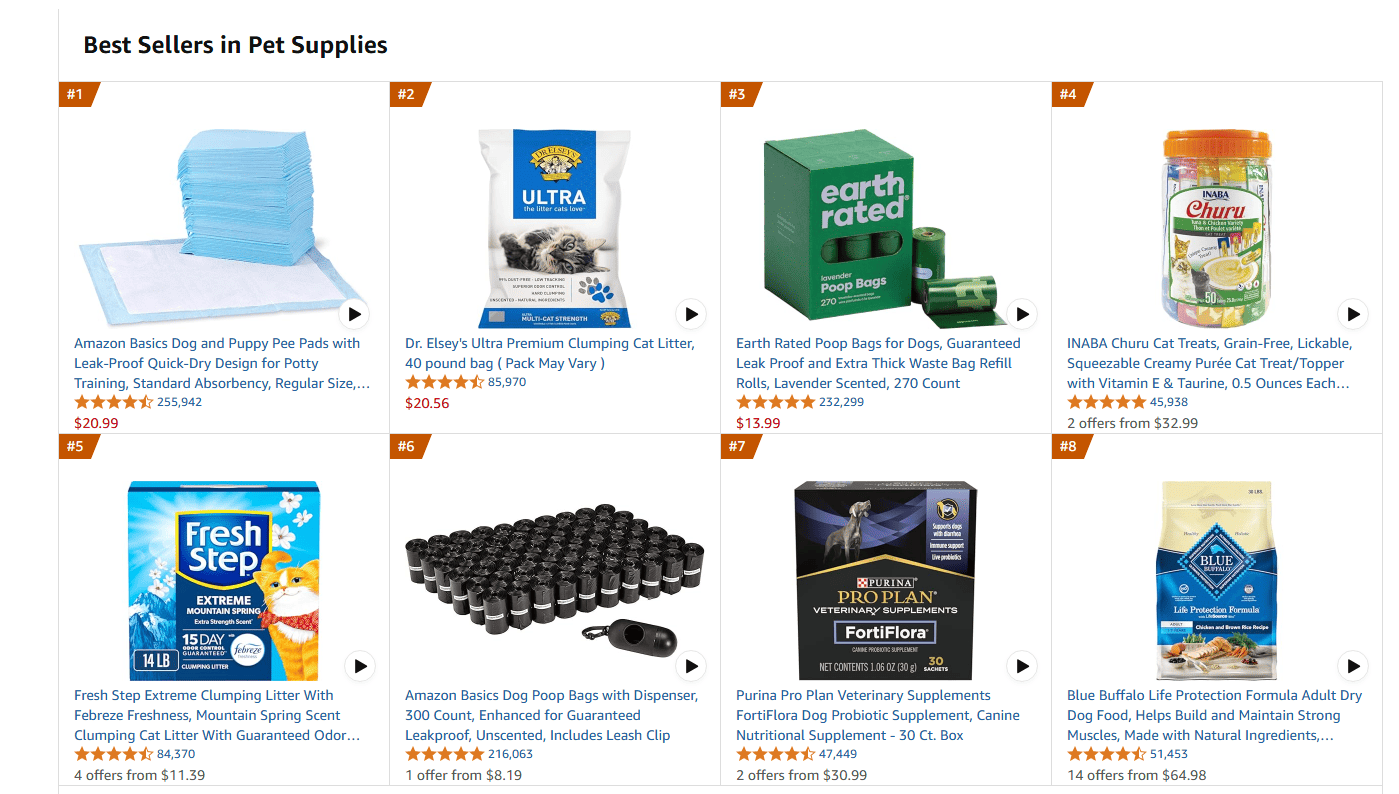
Pet supplies include slow-feeder mats, grooming gloves, and portable water bowls for feeding, grooming, travel, or cleanup. Product size and durability affect customer fit and returns.
Sample the item, measure it, and check its cleaning instructions. Save the supplier documents in the record. Use only the health or safety wording they support.
6. Kitchen and dining tools
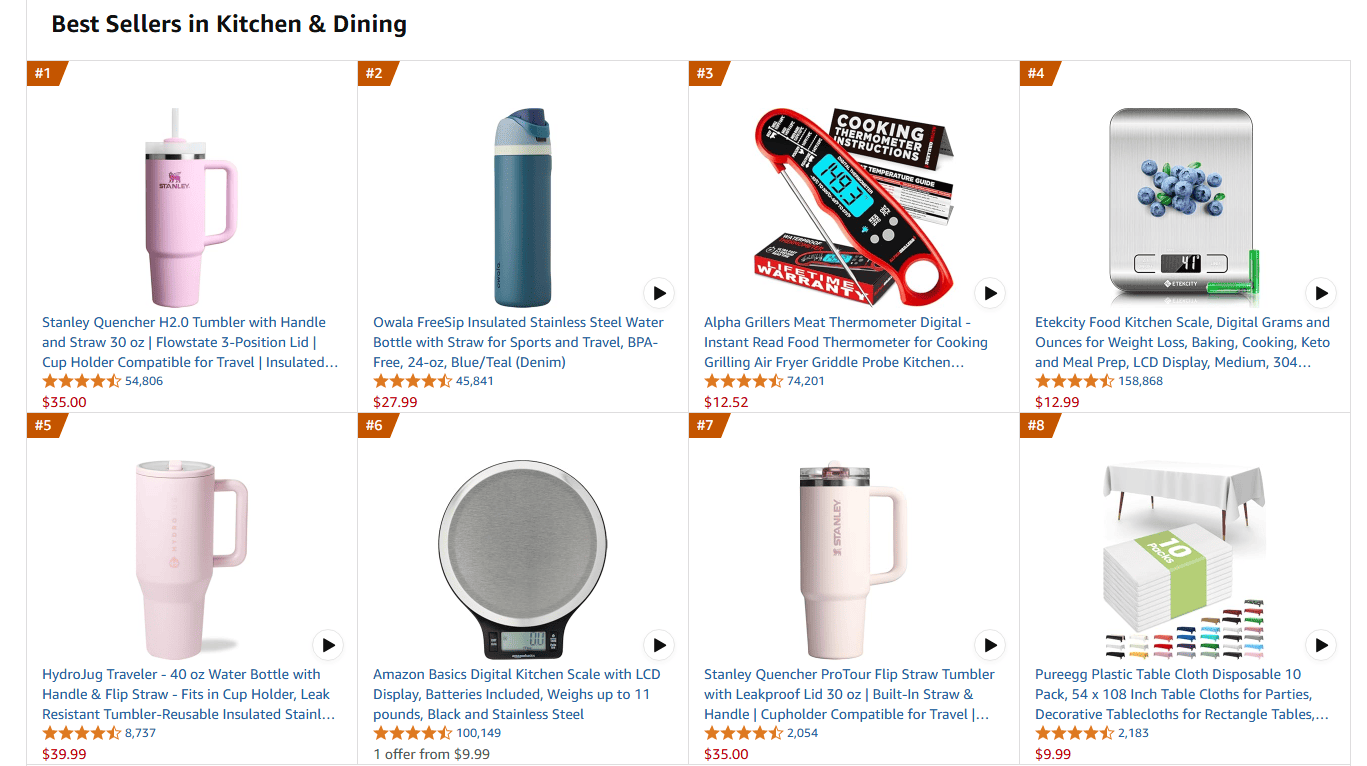
Kitchen and dining tools turn familiar tasks into demos with utensil rests, drawer organizers, and manual choppers. Check materials, cleaning, dimensions, sharp parts, and food-contact information when relevant.
A damaged product or vague listing details can undo a clever demo.
7. Home and bedroom organization
Home and bedroom organization includes under-bed storage bags, drawer dividers, and bedside caddies for small spaces. Show the exact space, dimensions, and weight the product can handle.
Bulky packages can raise shipping costs. Vague measurements can create avoidable returns.
8. Educational toys and activity kits
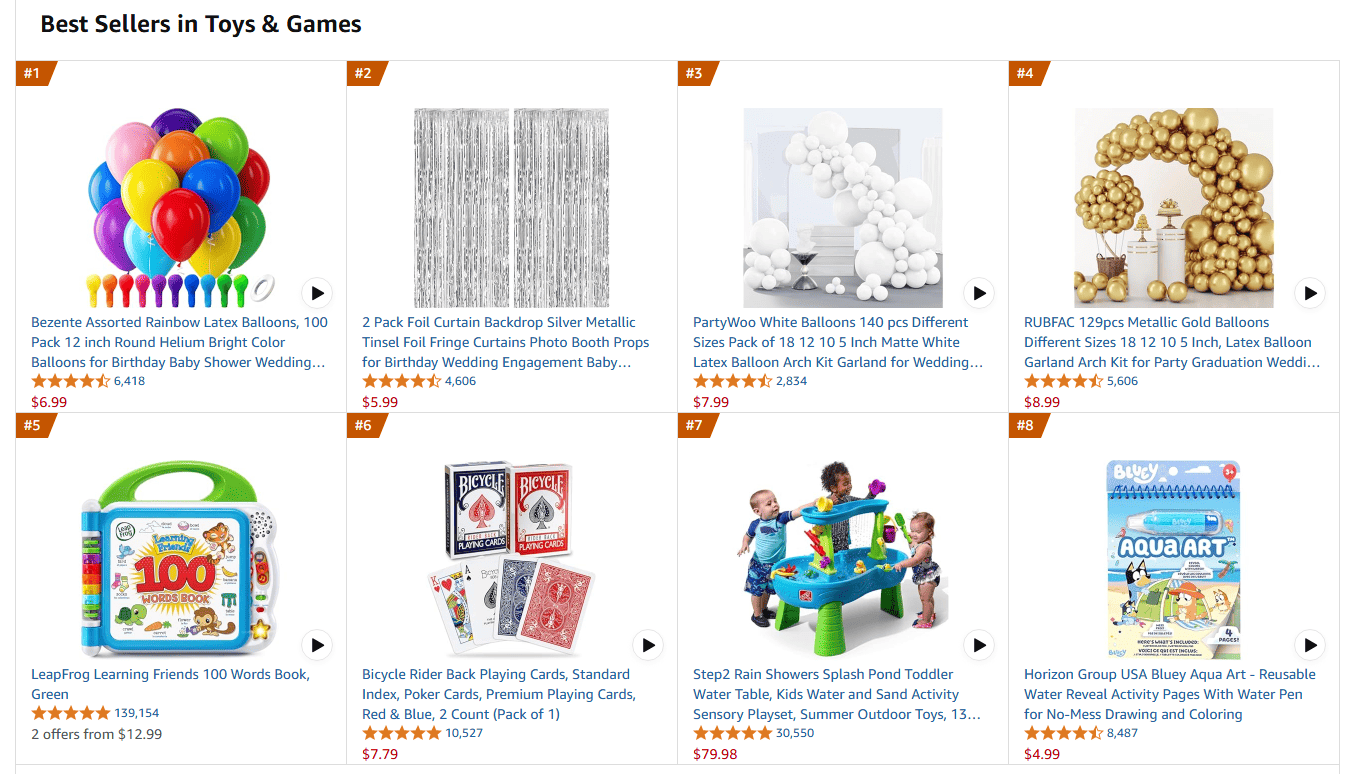
Educational toys and activity kits include tracing boards, felt activity sets, and sorting games. Age grading, small parts, instructions, materials, and safety information need close attention.
Use only development claims you can verify beyond supplier copy.
9. Sports and fitness accessories
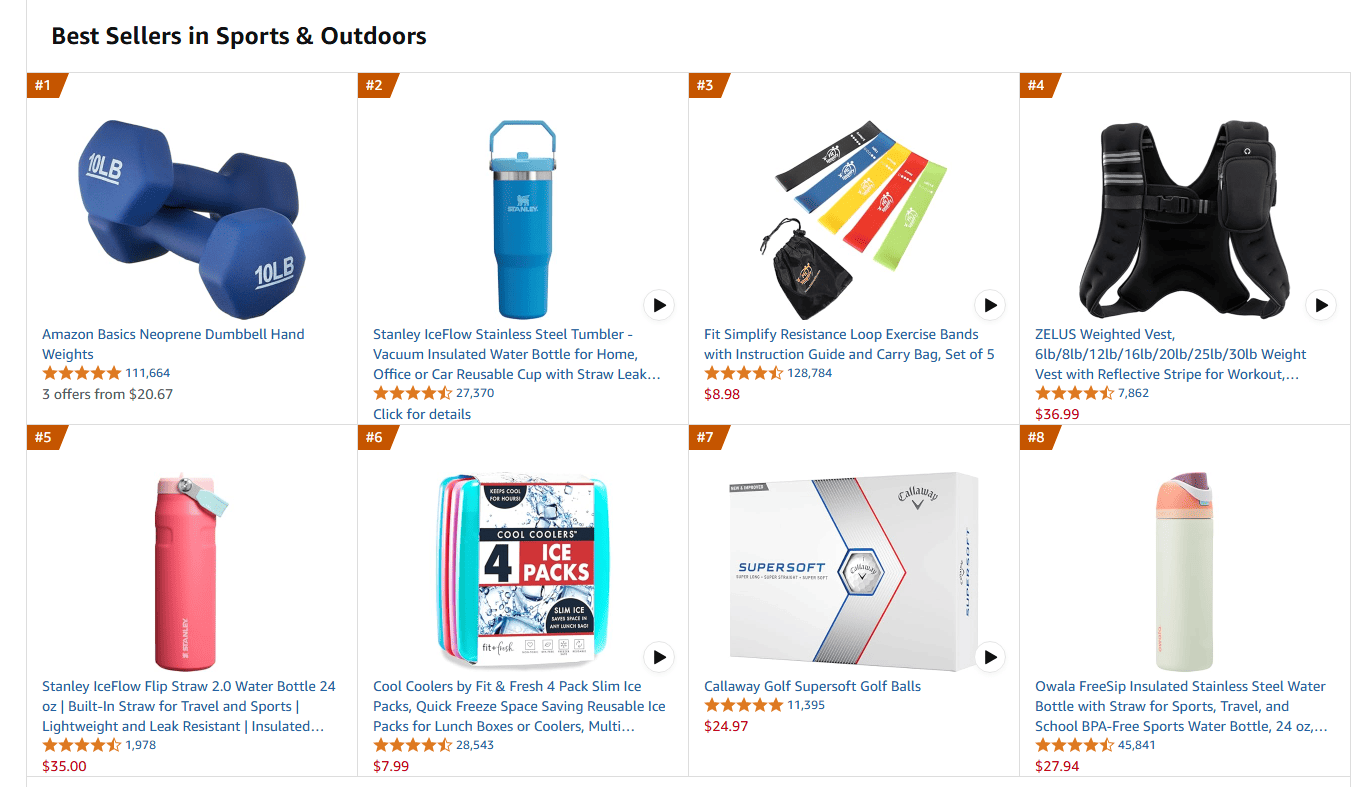
Sports and fitness accessories include lifting straps, exercise-band bags, and running belts for grip, carrying, or storage. Test stitching, closures, materials, sizing, and stated load limits. Apply a higher evidence standard when product failure could cause serious harm.
10. Travel organizers
Travel organizers help with packing and access problems with compression cubes, passport wallets, and cable pouches.
Compare packed dimensions, zipper quality, fabric weight, and compartment layout on a sample. Fill each compartment and open every zipper several times. Photograph the organizer both flat and packed so buyers can judge its size.
Seasonality and cheap lookalikes can make ads harder to pay for. Tie the offer to a specific traveler or packing problem.
11. Jewelry storage and accessories
Jewelry storage and accessories include compact products such as travel cases, necklace separators, and display stands. Photograph scale clearly and verify materials, closures, finish, and packaging.
State the metal type and design details only when supplier evidence supports them. Screen the rights risk before listing.
Open and close the sample several times. Check the dividers, lining, and necklace holders for snags or loose stitching. Packaging must also protect the finish during transit.
12. Gardening accessories
Gardening accessories can target planting, labeling, and storage with reusable plant ties, seed organizers, and tool pouches. Match the product to a specific indoor or outdoor use. Leave outdoor samples in sun and rain, then check fading, stretch, and fasteners.
Compare demand timing with the growing season in your target market. Weather, seasonal demand, and weak materials can turn an inexpensive item into a high-return offer.
13. Arts and crafts supplies
Arts and crafts supplies support demos and bundles through bead organizers, brush sets, cutting mats, and storage rolls. Check material consistency, counts, dimensions, and the skill level implied by the listing. Count every piece in the sample instead of copying the supplier title.
Test brush shedding, organizer latches, and printed measurements where relevant. Use original, generic, or documented licensed designs.
14. Car organization accessories
Car organization accessories address clutter and storage problems with trunk organizers, seat-gap pockets, and compact car bins. Vehicle fit is the main return risk. Test dimensions, attachment points, heat exposure, and product movement.
Record the seat or trunk measurements behind every fit claim. Show where straps, hooks, or rigid panels sit in the product photos. Then state compatibility narrowly instead of calling the item universal.
15. Party supplies
Party supplies include reusable banners, cake toppers, table signs, and guest books for a specific occasion. The delivery date matters as much as the product. Set the last safe order date from observed processing and transit times.
Build a fallback for delayed or damaged parcels before the event date. Reject suppliers with uncertain timing. Use original or documented licensed artwork.
Use our guide to find winning products after you have one product candidate to validate.
Check suppliers and fulfillment
Keep researching a niche when supplier evidence matches the product and fulfillment route you plan to advertise.
Use this four-step check,
- Confirm supplier identity and evidence.
- Order and inspect the exact sample.
- Calculate landed cost and realistic delivery.
- Write the return and backup plan.
Complete these checks in order before relying on the supplier's page.
1. Confirm supplier identity and evidence
Record the supplier's business identity, location, contact route, terms, and product documents before you build a listing from it. Ask which facility ships the item and whether another seller's photos or specs were copied into the page. Save dated answers in the record.
2. Order and inspect the exact sample
Order the same variant and packaging you plan to advertise. Check measurements, materials, assembly, labels, instructions, finish, and tracking. Photograph problems and compare the sample with each claim you plan to publish.
3. Calculate landed cost and realistic delivery
Add product cost, shipping, duties, transaction fees, expected returns, and any packaging or app cost tied to each order. Use observed processing and transit times instead of the fastest estimate on the supplier page.
4. Write the return and backup plan
Decide where returns go, who pays, what evidence a refund needs, and what happens when stock or quality changes. The product is ready only after you have a return plan in place before complaints start.
Use the Product Library filters to narrow candidates. Repeat the supplier check for each one.
Supplier verification and outcome risk still need separate checks.
The article-wide record shows the full sequence. Follow the detailed product research workflow to collect evidence for the record.
Use current research tools when they help you document a check faster.
Screen Dropshipping Niches risks before listing
Log the product information, claim evidence, intellectual property search, and sales-channel limits before you write the listing.
Run these three screens,
- Product and safety information.
- Marketing claims and customer expectations.
- Names, designs, and channel rules.
Log one result for each screen before you write the listing.
1. Check product and safety information
Use the product type and target market to find the information your listing and supplier review need. Browse the CPSC Business Education pages for topic pages on testing, certification, labeling, and recalls.
Pause when documents are missing or product identity is unclear.
2. Check marketing claims and customer expectations
Match every performance, health, material, and comparison claim to evidence you hold. Use the FTC advertising and marketing guidance to review claim support and endorsements. Keep the wording within what the product and evidence can show.
3. Check names, designs, and channel rules
Search product names, logos, slogans, and similar marks before building the offer around them. Use the USPTO trademark search as one part of that screen.
Check the current rules for every channel you plan to use. Include the marketplace, payment provider, and ad platform.
Run a USPTO trademark basics check before you name or promote a branded product.
Use Dropship.io Sales Tracker to record a dated store-sales observation before supplier outreach.
Use Dropship.io Shop Library to compare TikTok Shops by revenue, growth rate, and niche.
Record the product specification, return policy, and marketplace policy before you list a candidate.
Decide before you launch
Launch only when the validation record has enough evidence for one small test and a clear stop decision.
Make the decision in three steps,
- List only with complete evidence.
- Set a budget and stop condition.
- Recheck the record before scaling.
Pause, replace the supplier, or choose another product when a required record field is empty.
1. List only with complete evidence
List the product when the validation record matches the offer you plan to publish. Use demand signals only after the promise and fulfillment route have supporting evidence.
2. Set a budget and stop condition
Define the test spend, duration, traffic source, success measure, and stop condition before launch. Write down what justifies another test and what would make you revise the offer or reject it.
Use our BEROAS calculator to compare your break-even and target return on ad spend.
3. Recheck the record before scaling
Verify stock, costs, delivery, returns, documents, and channel terms again before increasing spend. A niche can remain interesting while a specific supplier or product stops being workable.
FAQ
Can I research a niche without a paid tool?
Yes, you can compare listings, reviews, searches, supplier terms, samples, and official guidance. A paid tool may help you work faster.
Should one store sell products from several niches?
It can, but the products should make sense for the same buyer and store promise. An unrelated mix makes the store harder to understand.
How often should I review a niche after launch?
Recheck the record when costs, stock, delivery, returns, supplier terms, product details, or channel rules change. Check it again before you increase spend.


