

How to Avoid Chargebacks Dropshipping: 6 Tips Plus the Real Cost
Dropshipping chargebacks cost more than the refund, covering six prevention steps, the cost breakdown, and the ratio that risks payment-account intervention.
Here's how to avoid chargebacks dropshipping. Close the gap between what a customer disputes and what your supplier repays.
I've run Shopify stores and handled the disputes on them myself. Fixing the billing descriptor and turning on alerts lowered my own rate, before I ever fought a case. Both changes took me an afternoon.
Six fixes close most of that gap, and each one costs you something worth knowing about. Sell from overseas suppliers on two-week or three-week windows and all of it applies to you.
Key takeaways
What is a chargeback, and why do dropshippers get so many?
A chargeback is a forced reversal your customer's card issuer puts through without your agreement. Dropshippers get more of them because overseas fulfillment creates two conditions that make a dispute easy to win. Shipping takes weeks, and the charge looks unfamiliar on a statement.
Here's the sequence a dispute travels. Your customer calls the bank and says the charge is wrong. The issuer credits their account within a day or two.
That credit is provisional, but the cash leaves your balance right away. Your acquirer, the bank that processes your payments, pulls it. Then it passes you the case with a reason code and a deadline.
You can accept the loss or send evidence, and the network decides.
Four parties sit in that chain. The cardholder wants their money back. The issuer wants to keep them happy, your acquirer wants someone else to eat the loss, and you want the sale.
That provisional credit is why the process feels rigged. Your customer has their money and you argue from behind.
Merchants surveyed for the 2024 Chargeback Field Report, published by Chargebacks911, put friendly fraud at about 45% of the disputes they receive.
That survey covers merchants generally, not dropshippers, and it's the reason a dispute rarely means someone stole a card. Most of the time the customer bought the thing and disputed anyway.
Which is why the fixes below target confusion and delay rather than fraud screening.
What a chargeback actually costs you
A dropshipping chargeback costs you the retail refund plus a fee within days, and the wholesale cost you rarely get back. It's two money events on two clocks, and nearly every guide stops at the refund.
Your processor takes the disputed amount plus a fee immediately, before anyone investigates. The sale you counted comes back out, and your next payout lands smaller than your ad spend assumed.
Your supplier repays on their own schedule, and it's slower. They run their own dispute window, often close it first, and want photos and order IDs.
Many credit your next order, so the money comes back as inventory rather than cash. Hold two weeks of cost of goods in cash and one reversal won't stop your next supplier order.
Two costs sit outside the table below, an hour of evidence work and the product itself, already gone.
Take a $40 order with a $15 wholesale cost. Here's where that money sits once it settles against you:
The fee is the least you can lose, either way. Add the hour of evidence work and the $15 of product you'll never see again. Chargeback Gurus puts the real total at more than double the transaction.
A few suppliers will put their disputed-order policy in writing. Ask before you scale with anyone, in the chat where you place orders.
Skip the question and you'll find out when it costs you.
The number that gets your payment account closed
Cross a 1.5% monthly dispute-and-fraud ratio and Visa flags you as Excessive, which is what puts your payment account at risk. That number was cut from 2.2% on April 1, 2026. Mastercard triggers its own program at 100 chargebacks, or the same 1.5% in a month.
Once you're flagged, your acquirer can demand a fix-it plan, add per-dispute fees, or move you into high-risk processing. That plan lists your reason codes and your fixes.
A rolling reserve is the part that hurts. Your processor holds a percentage of every sale, often for six months, while you keep shipping.
The ratio counts chargebacks and fraud reports against your total transactions, divided by order count. So a small store hits the number on a few disputes.
Say you run 40 orders a month. One dispute puts you at 2.5%.
When a notice arrives, ask which reason codes drove it, then map each to the fix below.
Both programs and their triggers:
Check the date on any threshold you read.
VAMP replaced Visa's older VDMP and VFMP programs on June 1, 2025. The 1.5% and 2.2% figures come from Visa's current program rules. The 0.9% figure still circulating in dropshipping guides belonged to VDMP, which Visa retired.
Why item-not-received is the dispute you will actually get
The dispute an overseas-fulfillment dropshipper sees most is item not received, code 13.1 on Visa. It arrives as a delivery claim rather than fraud, and slow or untracked shipping hands the bank the gap it needs.
The network asks one question. Can you prove the order reached the address?
It doesn't ask whether your customer is honest, which is what makes this dispute type so hard to argue.
That proof is a delivery scan, which the carrier timestamps when the driver hands the parcel over. Networks weight it heavily because the carrier has no stake in your dispute.
Three scans get confused, and only one wins a case:
- Acceptance scan: the carrier took the parcel.
- Transit scan: the parcel moved.
- Delivery scan: the parcel arrived.
Only the third one proves your customer got it, which is the only question being argued.
Fraud disputes are easier, because address and device data answer who used the card. Item not received turns on delivery.
Alerts matter more here than in most retail, because they reach you while the customer is still disputing with their bank. Our general chargeback prevention guide has the store-wide basics.
Alerts stop a dispute before it reaches your processor.
Winning one without full tracking is its own evidence problem, and the reason code decides what you send. Read how reason codes work once a case is open.
6 ways to prevent chargebacks before they happen
Six changes close most of the gap that turns a dropshipping order into a dispute. They run roughly in order of leverage per hour spent:
- Billing descriptor: make the charge recognizable on a statement.
- Shipping estimate: publish the real delivery window with buffer days.
- Listing accuracy: show the product the customer will actually receive.
- Tracking: pass a working number that scans to delivery.
- Support speed: reply before the customer calls their bank.
- Alert software: catch the disputes the first five miss.
Each one removes a specific trigger a customer's bank treats as dispute-worthy today.
1. Fix your billing descriptor first
Set your descriptor to the store name the customer bought from. Add a phone number or support URL if your processor allows the extra characters. This is the cheapest fix on the list and usually the one with the most leverage.
Your customer scans a statement two weeks after checkout. They recognize the store name, and your LLC name means nothing to them.
Gateways default to something generic or to your legal entity, and neither matches the site your customer remembers.
An unrecognized charge sends them to the bank first. That call becomes a fraud-coded dispute you'll struggle to win, even though you shipped the order.
Here's where each processor hides the field:
Set the shortened descriptor too, because that's the one most card apps display. The usual mistake is filling the long field and leaving the short one on its default. The app then shows the default string, and your fix never reaches the customer.
Verify it the only way that counts. Place one test order from your own store. Then read the charge in your banking app on your phone, since that's where most customers look.
The tradeoff is small. Changes take a day or two to reach live charges, so don't judge the fix on yesterday's transactions.
2. Set an honest shipping-time estimate
Publish the delivery window your supplier actually hits, on the product page and in the order confirmation email. Add buffer days rather than shaving them. A blown estimate is a common route to an item-not-received dispute.
Overseas fulfillment runs long, and your customer judges the wait against the number you published rather than your supplier's average.
Promise 7 to 14 days on a service that takes 20 and your customer will dispute. Widen it to 15 to 30 and the same delivery arrives early.
Get the number from your own data. Pull your last 30 fulfilled orders, find the slowest one, and make that the top of your published range.
Put the window on the product page, at checkout, and in the confirmation email. A promise that appears once gets missed, and the customer remembers whichever number they saw last.
Then send a status email at the halfway mark. Silence in a long window reads as a problem. That email is also evidence you set expectations.
On that same test order, read every message it sends. Watch for an app or theme that overrides your text with its own default estimate.
The tradeoff is honest. A longer window costs you some conversions at checkout. Those lost sales are cheaper than the disputes a short window buys you.
3. Keep product listings and photos accurate
Use supplier photos of the actual item at its actual size, and state the dimensions in the description. Cut any image you can't match to what ships. A customer who opens a box that doesn't match the page files a dispute they'll win.
Supplier catalogs are full of composited images that exaggerate scale. The inflatable pool that looks family-sized in the listing arrives sized for one child.
That customer has a fair complaint, and the bank reads the listing the same way they did. This is the one dispute type where your own product page becomes the evidence against you.
So order a sample of anything you plan to advertise, then photograph that unit yourself. Put a hand or a soda can in one image so scale can't be misread.
State dimensions and weight in text too, since skimming customers miss what's baked into an image.
Check the listing against the sample on your desk before you spend on ads. Suppliers also swap catalog photos after you publish, so recheck anything you've sold for a few months.
Write the description against that sample. List what's in the box and any assembly the photos don't show.
The cost is time and sample orders. You'll publish a slower catalog than your competitors, with far fewer disputes you can't defend.
4. Pass working tracking numbers to the customer
Email the tracking number the moment it exists. Confirm it scans on the carrier's own site first. A number that returns nothing tells the customer you're guessing.
Suppliers on economy lanes often issue a number that only updates after export. Some never record a delivery scan at all, and those lanes cost you the disputes you can't defend.
You won't know which kind you have until an order goes missing, so check a delivered order's history now.
Ask your supplier which carrier and service each product ships on, per product. One supplier often uses a cheap service for light items and a tracked one for heavy ones.
Then check the number on the carrier's own website. A store widget pulls its status from a feed, and a feed can show movement for a parcel nobody scanned as delivered.
Pay for end-to-end scanning on your higher-value orders, where one undefended dispute erases several sales.
Paste the number into the order's fulfillment record so it shows on the order status page. Hold the email until the first scan appears.
The tradeoff is a day of quiet at the start. State that in the confirmation email and nobody chases you for it.
5. Answer support requests before they become disputes
Reply to every pre-purchase and post-purchase message within one business day. Refund on the spot when an order is late or wrong. A chargeback counts against your ratio, and a refund you issue yourself doesn't.
The customer disputing with their bank has usually tried you first. An unanswered message pushes them toward the faster option every hour it sits. Once the bank is in, you've lost the refund choice and gained a fee.
Support speed catches the disputes the other five fixes never touch. Put a support email and your reply time on the product page and in the confirmation email. Set the autoresponder to state that same one-day window.
Give yourself a rule you don't have to think about. I refund any first-time buyer's order past its published window, because the fee plus the wholesale cost beats that sale's margin.
Then try canceling an order from your own store's customer side and count the clicks. If complaining is harder than calling the bank, they'll call the bank.
Watch the abuse case on repeat buyers. Track refunds by email so a pattern shows up before it costs you three sales.
The tradeoff is your time. A one-day reply window means weekend inbox checks, or a product-page line saying you answer on weekdays.
6. Add chargeback-alert software as a backstop
Add alerts once the first five fixes are in place. An alert on a charge the customer still can't recognize buys you a refund window and little else. Alerts tell you sooner, and fixing the cause is still your job.
Alerts notify you when a cardholder opens a dispute with their issuer. Refund inside that window and the case never books as a chargeback.
That window runs in hours, so set the provider's notification to SMS or push rather than email. Write the refund rule down before the first alert lands. Mine is to refund any alerted order still inside its published shipping window, no questions asked.
Pricing is per alert, so you pay on every one, including the ones that would have resolved anyway. Those are orders where you refund a customer who was never going to file.
Weigh the alert price plus the refunded sale against the fee you avoid, then run that math again on a month of your own volume.
An alert never fixes the descriptor or the shipping service that produced it. Buy alerts first and you'll pay monthly for a problem an afternoon of setup removes.
Check our Stripe dispute settings guide first, since Stripe exposes controls most stores leave at default.
PayPal hides a similar set behind its resolution settings, and our PayPal guide walks through each one.
Pricing decides the rest. Our chargeback protection rundown covers what's worth buying at a starter store's volume.
What to do if a chargeback is already filed
Your window to submit evidence is set by your processor, commonly 7 to 21 days. Your customer had far longer to file, 180 days on PayPal and Stripe, or 120 days on Square. Speed beats completeness in the first 24 hours.
Read the reason code first, because it names the one thing you have to prove. Item not received needs delivery, and not-as-described needs your listing and specs.
Then pull four things:
- Order record: the billing and shipping addresses you captured.
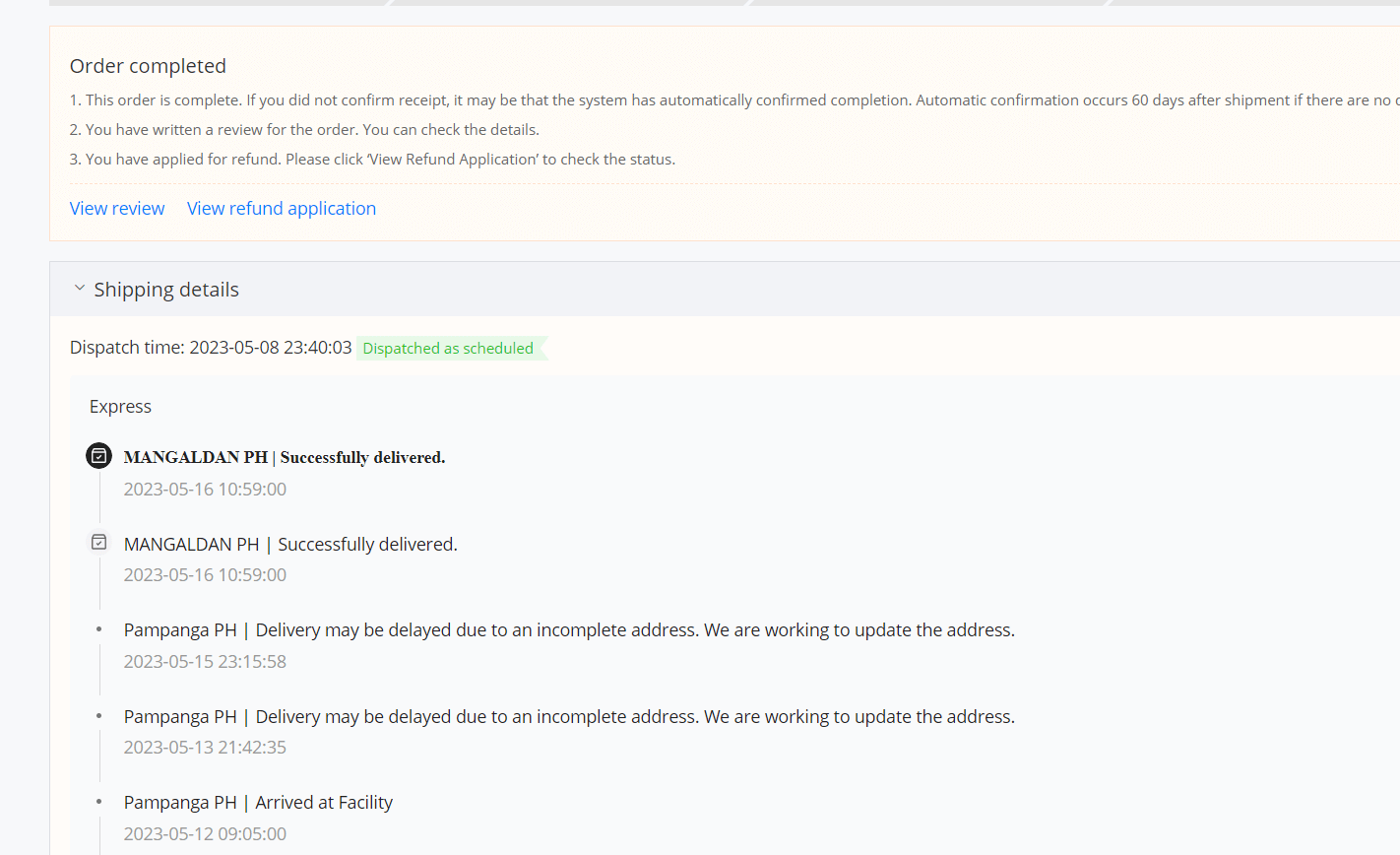
- Tracking: the number with its delivery scan.
- Shipping window: the estimate your customer accepted at checkout.
- Support replies: every message you sent about the order.
Upload that on day one even if it's incomplete. Your processor owes the network a response before your own deadline, so submit early and add to it.
I lost a winnable case waiting on a supplier screenshot.
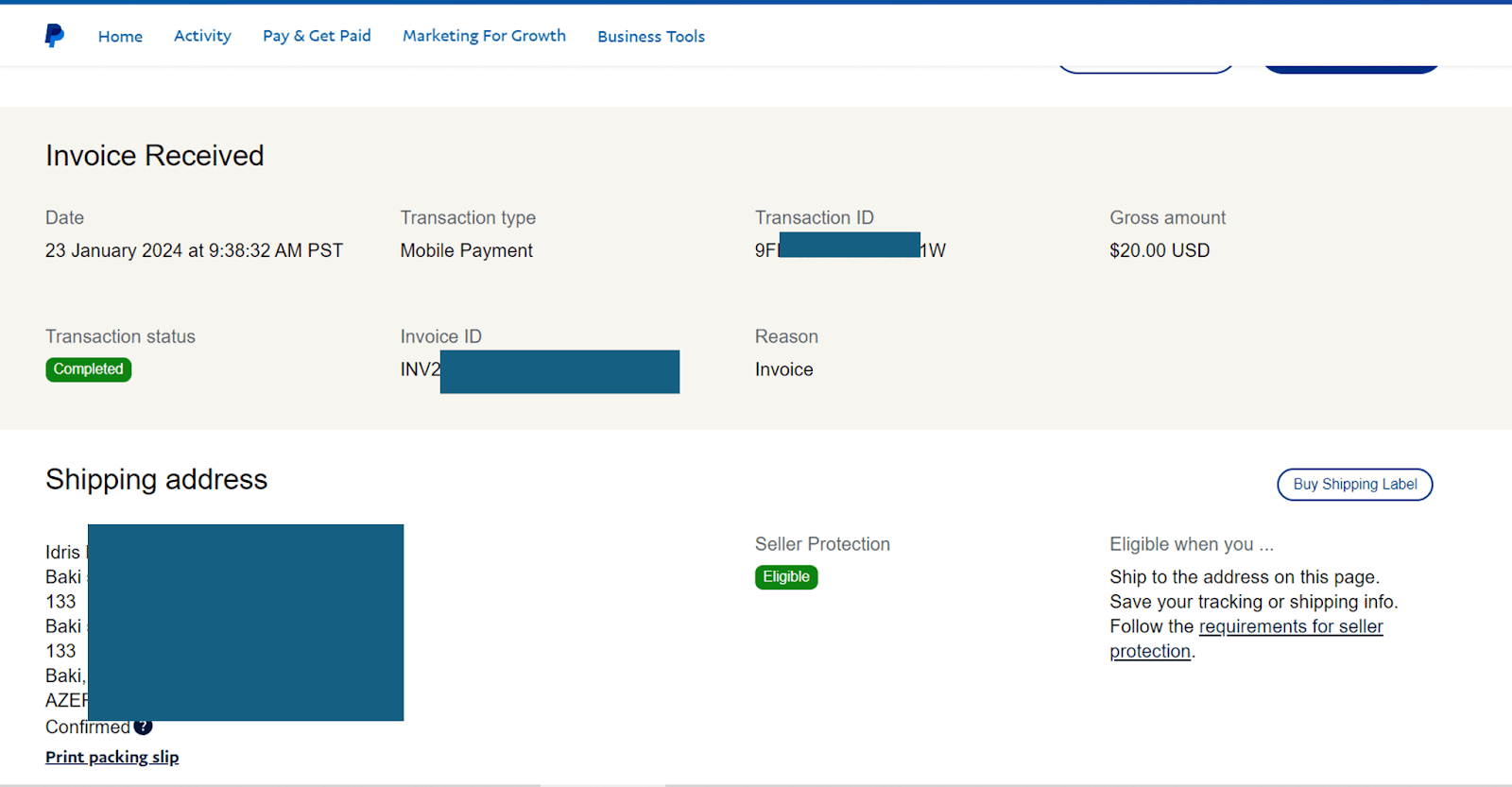
Accept liability when you have no delivery scan. Our CPA calculator shows what that order nets you, so you can weigh a fight's hours against a margin you won't win anyway. Fight the ones where a scan backs you up.
After you submit, the issuer either restores the funds or upholds the customer's credit. Your processor can escalate to pre-arbitration, where fees climb fast.
Our guide on fighting a chargeback has the full rebuttal structure.
FAQ
If a customer wins, do I recover from my supplier?
Supplier refunds for disputed orders are a separate request, on their policy and their timeline. Many overseas suppliers pay nothing back once an order has shipped.
How long do I have to fight a dropshipping chargeback?
Your processor sets the evidence deadline, commonly 7 to 21 days. The customer's own filing window runs far longer, up to 180 days on PayPal and Stripe.
Is protection software worth it for a small store?
Compare your dispute volume against the per-alert price. At low volume the descriptor and shipping fixes pay back more than a subscription does.
Can I just refund every complaint to avoid chargebacks?
Refund a late or wrong order on the spot, since a pre-dispute refund keeps your ratio clean. Refunding every complaint on reflex trains repeat abuse and erases a thin product margin.


