

8 Best AdPlexity Alternatives for Dropshipping in 2026
Eight AdPlexity options are compared by network coverage, access limits, commerce evidence, and the research workflow each one fits best.
The best adplexity alternative is the option whose features, data coverage, and workflow best match the job you need done. This 2026 review compares 8 named options across usability, integrations, support, and non-price limits to build the shortlist below.
Key takeaways
What is the best AdPlexity alternative for dropshipping?
Dropship.io, PiPiAds, Minea, and GetHookd are the strongest AdPlexity alternatives for dropshipping. They lead on the shared criteria used here, including network coverage, entry price, usage limits, and commerce data. Dropship.io adds store sales estimates, PiPiAds goes deeper on TikTok, and the other two cover several social networks.
AdPlexity focuses on deep research within separate traffic sources. Broader alternatives trade some depth for bundled networks or commerce research. Start with the network where you already spend money. A large archive on the wrong network won't help your next campaign.
A useful shortlist should leave you with two or three candidates. One should fit your main network. Another can cover a second channel, while a third may add store or product data. Remove any candidate whose limits don't match the searches your team performs each week.
Compare AdPlexity alternatives by ad network and budget
The right alternative covers your active ad network at a price and usage limit your normal research won't exhaust. The matrix uses a public entry price when this article owns the figure. Other price cells point to the detailed comparison below:
Price alone won't settle the choice because ordinary searches can drain a cheap credit plan. A higher flat fee can make sense for daily research.
Use the matrix in two passes. First, remove every tool that misses your main network. Then compare billing models and the extra evidence you need. This keeps a large feature list from beating a smaller product that answers your actual question.
Free access works best for a narrow check, such as viewing one advertiser on one network. Pay when the tool fixes a repeated problem. That problem might be missing history, slow searches, weak filters, or no way to compare networks. Name it before you choose the plan.
The best AdPlexity alternatives for dropshipping
The AdPlexity baseline and seven alternatives cover distinct combinations of networks, commerce evidence, and budgets. Use this quick map before reading the detailed verdicts:
- AdPlexity: Deep research for one specialist traffic source.
- Dropship.io: Ad search paired with store sales evidence.
- PiPiAds: TikTok-first creative and advertiser research.
- Minea: Dropshipping product discovery across three social networks.
- GetHookd: Low-cost research across Meta, TikTok, and Google.
- BigSpy: Broad coverage across many ad networks.
- Anstrex Instream: Native and in-stream ad research.
- Native platform libraries: Free advertiser spot checks.
Each entry explains who should use it, who shouldn't, and the drawback that matters most.
1. AdPlexity, the per-module baseline
AdPlexity is best for deep research on one specialist traffic source. Its public plans cover Native, Desktop, Mobile, Adult, Push, and YouTube as separate products. Each archive focuses on a different format, publisher set, and landing-page workflow.
That separation is useful when native or push ads are central to your acquisition plan. It gets expensive when your research crosses several sources because AdPlexity doesn't offer one bundled plan. Its listed modules also exclude Meta and TikTok, which makes it a poor fit for many first-time dropshipping campaigns.
Before paying, write down the traffic source you need to study for the next 30 days. Search for five advertisers you already know. The plan earns its price when the results lead to a clear creative or placement decision.
I would keep AdPlexity on the shortlist only when one of its specialist archives matches where you already buy traffic. A broader social-ad tool gives most dropshippers a more useful starting point.
2. Dropship.io, best for ads plus sales data
Dropship.io is best when you want to compare Meta ad activity with store and product sales estimates. The Ad Library helps you find competitor ads, while Sales Tracker lets you inspect the commerce signal behind the store or product.
Use ad activity to see what a seller promotes. Then check sales estimates before you pay for samples or launch a test.
The workflow suits stores that research products and ads in the same session. Save the advertiser, find the product, and inspect recent store activity. A seller who only collects creative references may prefer a dedicated archive.
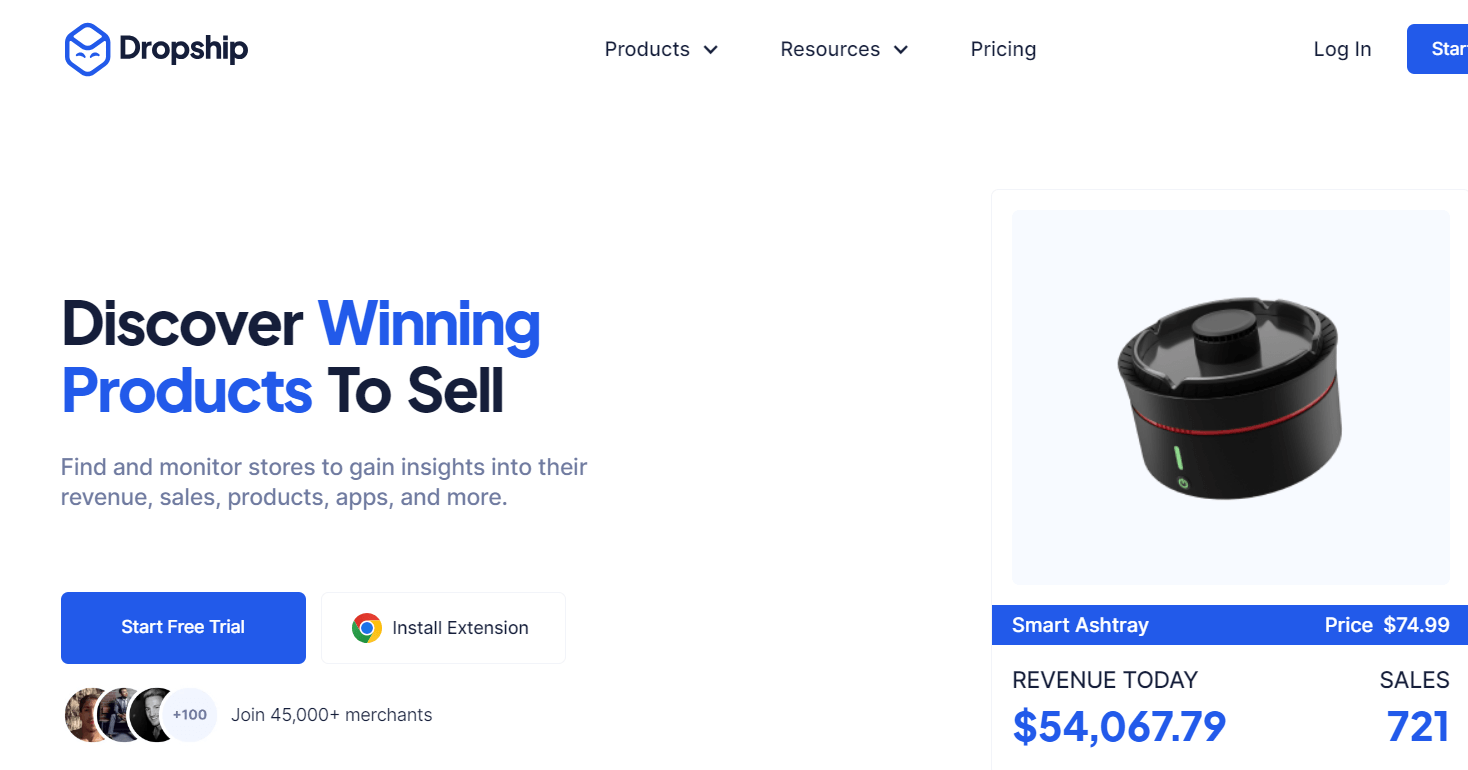
The tradeoff is creative-search depth. A specialist platform can give a heavy media buyer more filters or a deeper archive. Choose Dropship.io when product validation matters as much as collecting ad ideas.
3. PiPiAds, best for TikTok-first research
PiPiAds is the strongest fit for a TikTok-first advertiser who also wants Meta coverage. It puts TikTok and Meta research in one product. You can follow advertisers and creative patterns without buying separate network modules.
PiPiAds meters usage through credits, which makes the allowance as important as the subscription price. A plan can look inexpensive until normal searches, ad views, or downloads consume credits faster than your weekly workflow allows.
Track how many credits one real research session uses during the trial. Multiply that amount by your normal weekly sessions. This check turns a vague allowance into a clear monthly limit.
The current tiers, credit mechanics, and billing evidence sit in our PiPiAds alternatives comparison. That evidence shows the practical limits a headline price leaves out.
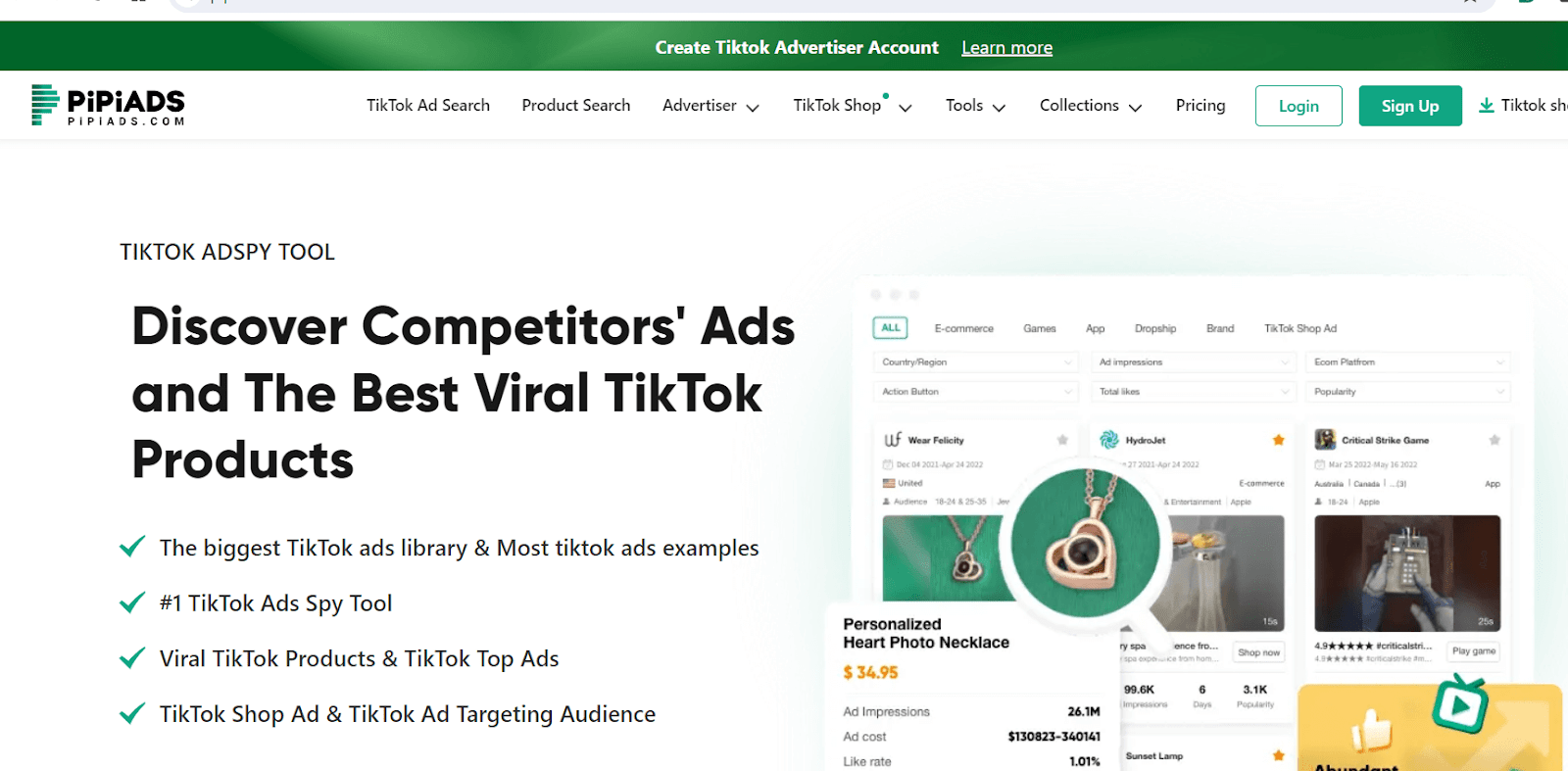
I would choose PiPiAds when TikTok creative is the research job you repeat most. Sellers who rarely advertise on TikTok will pay for depth they don't use.
4. Minea, best for product discovery
Minea is best for dropshippers who want product discovery beside social-ad research. It covers Meta, TikTok, and Pinterest, then uses those signals to recommend products through Success Radar. The feature surfaces 10 product picks a day from Minea's ad and shop data.
That workflow suits a seller who wants a daily shortlist instead of an empty search box. Archive size still matters less than network fit and product evidence.
Minea suits sellers who want daily product suggestions. It makes less sense when you already have a stable product list and inspect only a few advertisers. A narrower ad library can remove a layer you won't use.
Minea also offers free credits rather than a time-boxed trial.
Metered access is the main drawback because credits don't roll over, so light users can lose unused capacity. Our Minea alternatives comparison covers tools that suggest products under different billing models.
5. GetHookd, best low-cost multi-network pick
GetHookd is the lowest-cost paid entry here for Meta, TikTok, and Google ad research. Every plan covers the same networks, while credits and seats increase as you move from a solo plan to a team account.
GetHookd is newer than the established tools in this list, so independent evidence about long-term reliability remains limited. Its own comparison pages rank GetHookd first. I would test its results against real advertisers during the trial.
Run the same five advertiser searches in GetHookd and a free native library. The paid product should find useful history, landing pages, or cross-network matches that the free source misses. Those extra results should justify the subscription.
The low entry price makes GetHookd appealing to a solo operator. A team can burn through credits every week. Test normal usage against a flat-price alternative before committing.
6. BigSpy, best for broad network coverage
BigSpy is best for advertisers who need one search dashboard across many networks. Its coverage reaches up to 10 channels, including Unity, which the other options here don't index.
Higher BigSpy plans make sense only if you search several networks and need larger viewing or download limits. A Meta-only seller can end up paying for channels that never affect a campaign decision.
List the networks your team used during the last month, then ignore the rest of the coverage count. BigSpy earns its place when several appear in one workflow. A seller working on one platform should compare specialist tools first.
Our BigSpy alternatives comparison carries the reconciled pricing because public descriptions have conflicted. Its limits provide context for the weekly-volume decision here.
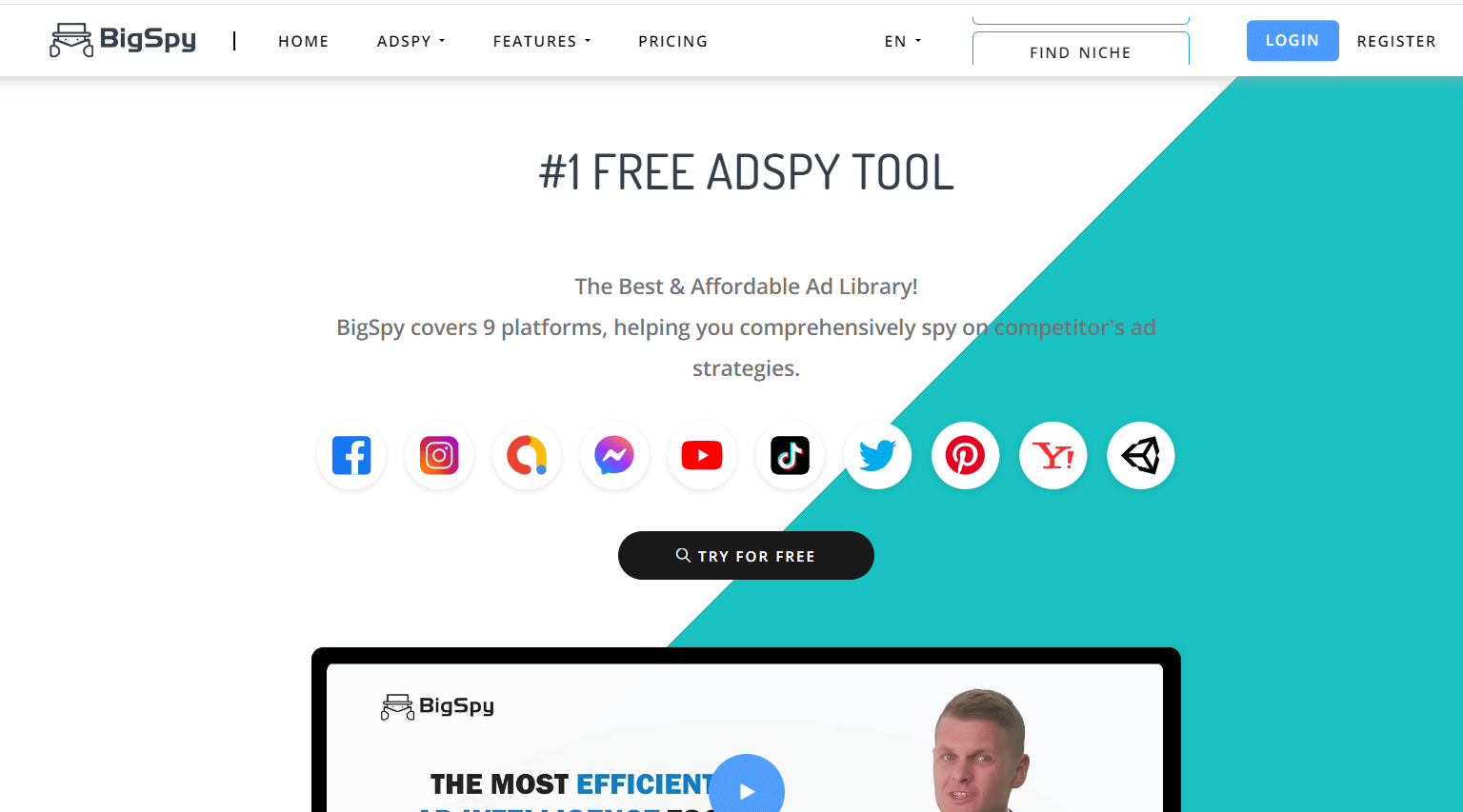
Choose BigSpy when two or more of its networks already appear in your media plan. Its free positioning is a weak reason to choose it because repeated research usually requires paid access.
7. Anstrex Instream, best for native formats
Anstrex Instream is best for researching in-stream, native, push, or pop ads. Its paid ad-intelligence products focus on those specialist formats, while Anstrex Dropship is a separate free product-discovery add-on.
The free product gives a new seller a no-cost way to explore product ideas. Deeper creative research requires the paid Anstrex product built for the relevant ad format.
Keep the two jobs separate during a trial. Product discovery should produce items worth checking. Ad intelligence should reveal creatives and placements on the network you use. Buying an ad module to solve a product-shortlist problem creates an expensive mismatch.
The current price of each product appears in our guide to Anstrex alternatives. The separate modules can cost more together than a social-ad subscription. Pick Anstrex only when native or push traffic is central to your plan.
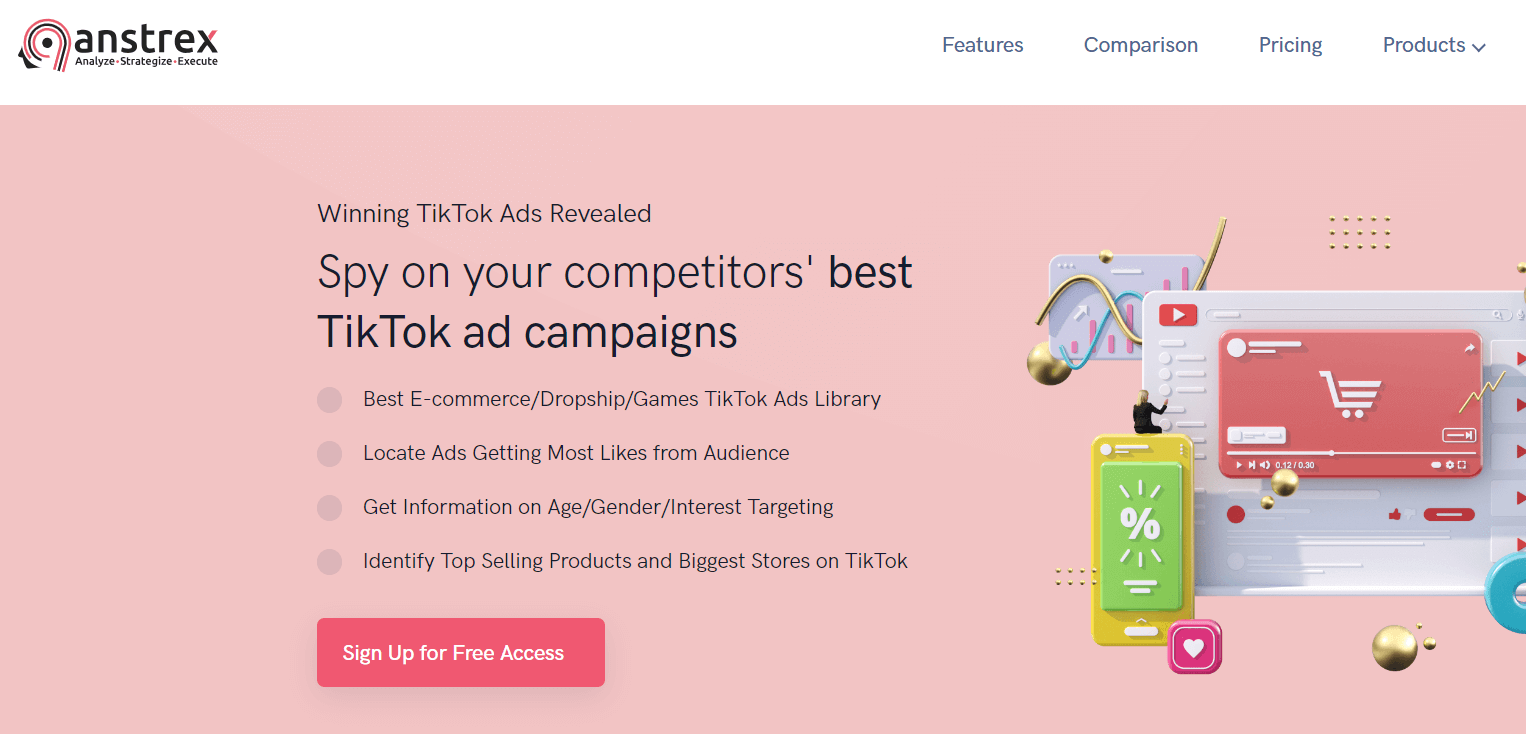
Meta- or TikTok-first sellers should choose a social-network specialist. Use Anstrex only for the ad formats it was built to inspect.
8. Native platform ad libraries, best free option
TikTok Ads Library and Meta Ad Library are the best permanent free options for advertiser spot checks. Each platform maintains its own library, so the results come directly from the network and require no third-party subscription.
TikTok lets you filter by country, industry, objective, and language, then inspect engagement such as likes, comments, and shares. Meta shows advertiser details, target countries, and reach. Both work well when you already know the advertiser or creative category you want to inspect.
The libraries also make a useful control for a paid tool test. Search the same advertiser in both places and compare the results. The paid product should save time, reveal useful history, or connect data across networks.
Record what the paid search adds before the trial ends. Useful additions include an older creative, a landing page you couldn't find, or the same advertiser on another network. A larger result count alone doesn't earn a subscription because many extra ads may be irrelevant to your store.
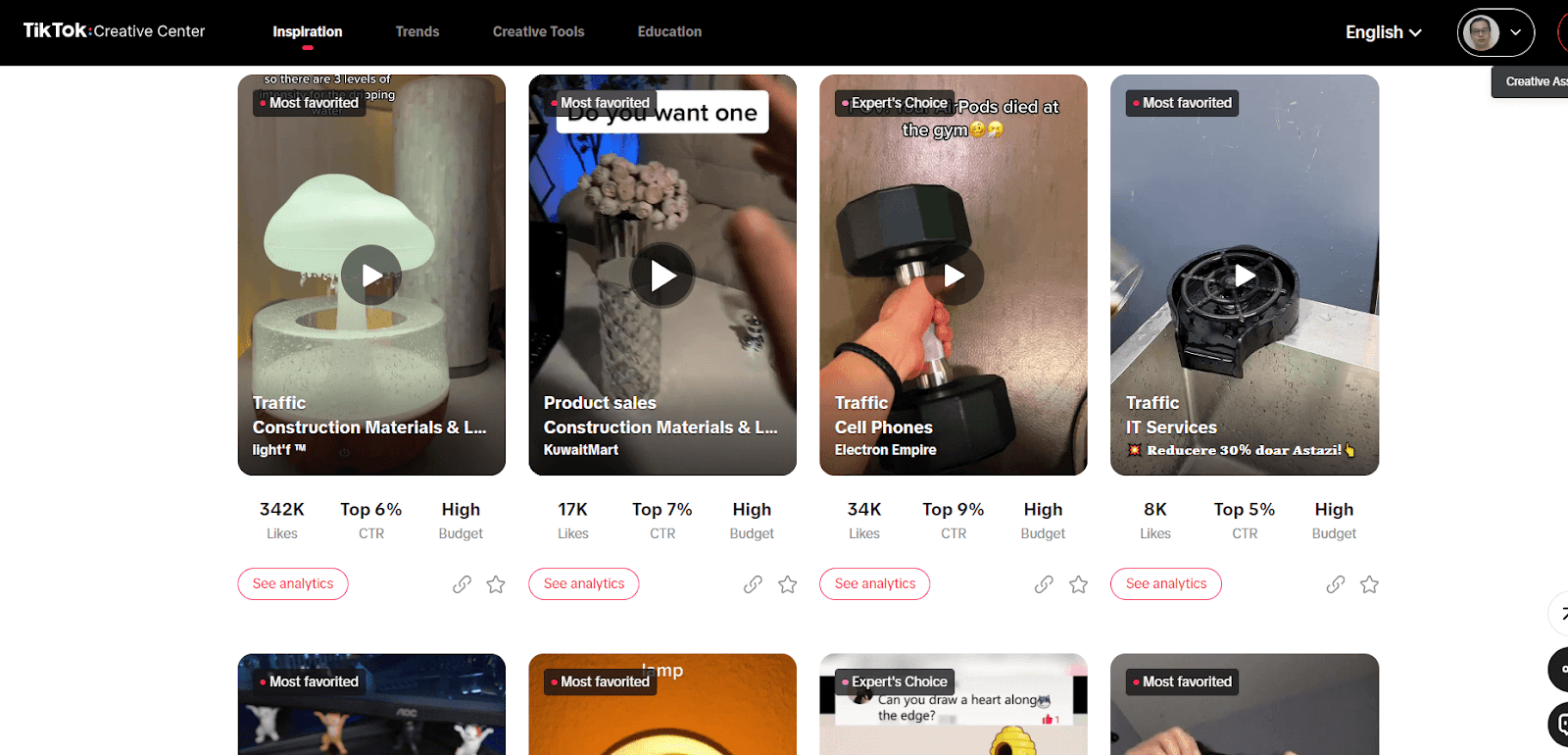
The free libraries stop at their own network. They don't provide one cross-platform search, creative downloads, or sales evidence. Start here for occasional checks. Pay for a third-party tool when repeating searches in separate libraries wastes time every week.
Why dropshippers use an ad-spy tool at all
Ad-spy tools help you find competitor activity, creative trends, platform signals, and buyer language before you fund a campaign. Each job uses a different source. A free library can answer one question without replacing a paid research product.
The four useful research jobs are:
- Competitor activity: See which products and creatives stores keep advertising.
- Creative trends: Filter recurring hooks, formats, and engagement patterns.
- Platform fit: Judge whether your buyers and rivals use the network.
- Buyer language: Collect repeated phrases for keywords and ad copy.
An ad's presence proves that someone paid to run it. I cross-check promising products against store or marketplace evidence because the ad can't prove profitable sales. Our PowerAdSpy alternatives comparison covers other tools for broad social-ad research.
A brand-new store without live campaigns can begin with native libraries and a short product list.
Paid access helps when manual checks waste time or when you need history and cross-network data. My recommendation is to name that repeated limit first. Pay only when the tool removes it.
FAQ
Is AdPlexity still worth the price in 2026?
AdPlexity is worth its price when you need deep intelligence for one of its specialist traffic sources. For mainstream social campaigns, use the baseline entry above to compare its scope with the alternatives.
Which alternative is best for product research?
Dropship.io is better for store sales evidence, while Minea is better for a daily feed of product ideas. Choose the evidence workflow you will actually use each week.
Do any alternatives offer a free plan?
Native platform libraries are the no-cost option, while Minea offers free credits and several paid tools offer trials. Anstrex also has a free product-discovery tool. Its deeper ad-intelligence products are separate paid services.
What's the difference between AdPlexity and Minea?
AdPlexity sells deep, separate archives for specialist ad formats, while Minea combines social-ad research with dropshipping product discovery. AdPlexity fits native or push research better, while Minea fits sellers comparing products across Meta, TikTok, and Pinterest.


