

16 Best Dropshipping Software Tools by Operating Job
Compares 16 tools by the operating jobs they perform so sellers can build a focused stack for research, storefronts, sourcing, fulfillment, print-on-demand, and accounting.
The best software for dropshipping are the options whose features, data coverage, and workflow best match the job you need done. This 2026 review compares 16 named options across usability, integrations, support, and non-price limits to build the shortlist below.
Key takeaways
What is the best software for dropshipping?
The best dropshipping software is the smallest stack that covers your store, research, sourcing, fulfillment, and finances without duplicating the same job. A practical setup might pair Shopify with one research tool and one supplier platform. Print-on-demand sellers need Printify or Printful. Amazon sellers have a stronger reason to add Jungle Scout.
Each product has a clear boundary. Dropship.io handles research. Shopify runs a storefront. QuickBooks records the finances. That separation lets you replace one layer without rebuilding the entire business.
How I compared these dropshipping tools
I compared every product against the same six questions before deciding where it belongs in a dropshipping stack. That keeps a specialist from losing simply because a broader product has more menu items.
The questions were:
- What operating job does the tool perform?
- Why does it belong in this comparison?
- Who gets the clearest value from it?
- Who should choose something else?
- What does useful access cost?
- What limitation could break the workflow?
Pricing deserves special care. A free platform can still carry hosting, product, shipping, payment, or extension costs. A cheap base plan can become expensive after add-ons, extra stores, users, or research credits.
16 best dropshipping software tools compared
These 16 products cover seven different operating jobs, so the right comparison starts with the job column. Use the table for a shortlist, then read the matching entry for the poor fit and drawback.
The full list is:
- Dropship.io
- Ecomhunt
- SaleHoo
- Minea
- Dropship Spy
- AutoDS
- Sell The Trend
- Shopify
- WooCommerce
- Spocket
- CJdropshipping
- Jungle Scout
- Printify
- Printful
- QuickBooks
- Xero
Here is the job and useful entry point for each tool:
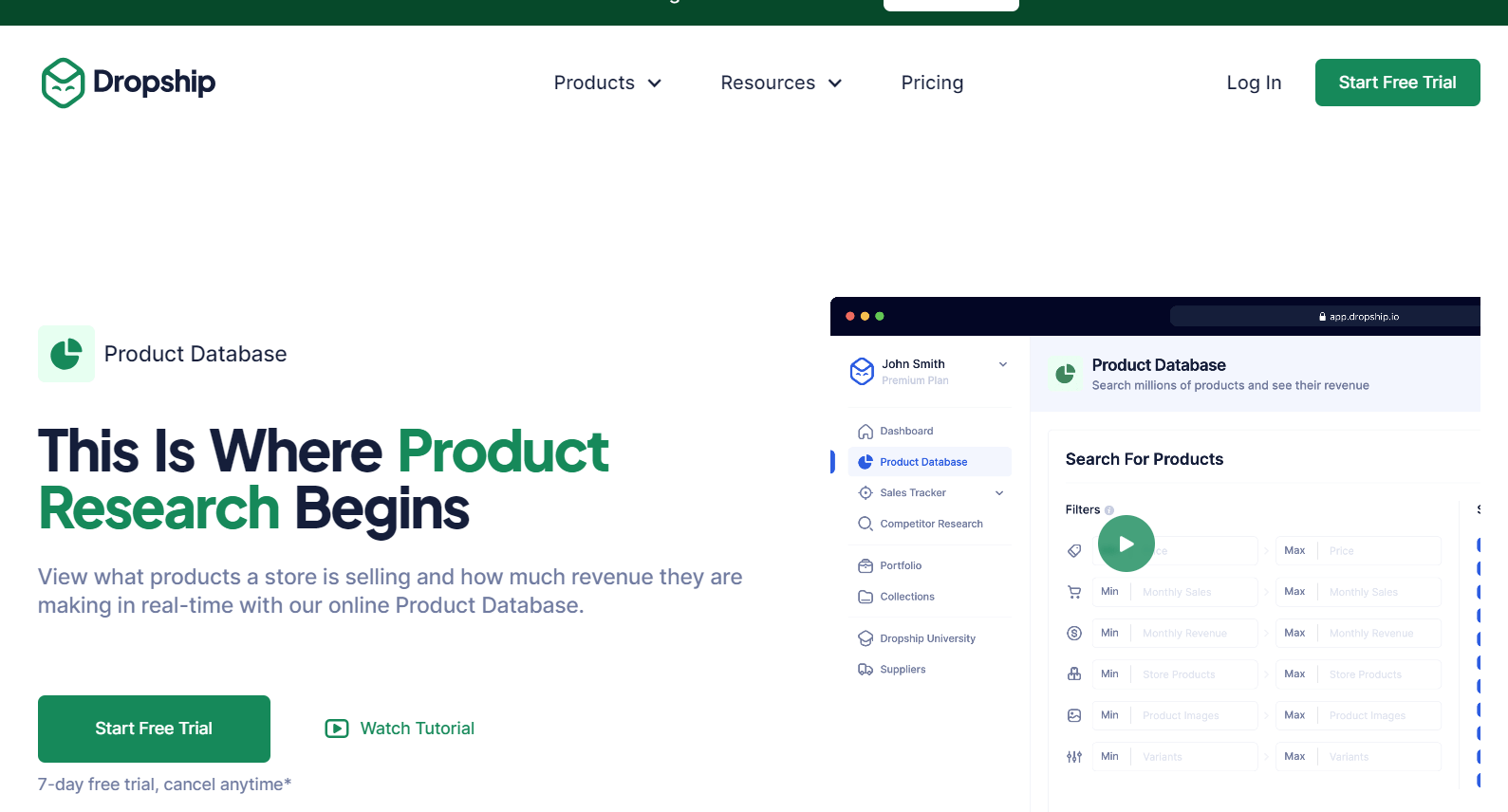
1. Dropship.io for product and competitor research
Dropship.io belongs in the research layer because it helps sellers compare products, shops, competitors, ads, advertisers, and creators before committing to a test. It fits sellers who want buyer activity and sales estimates beside other market signals. Anyone who needs suppliers or automatic fulfillment should pair it with another tool.
The normal workflow is to filter products, inspect competing shops and ads, then track the strongest candidates. I wouldn't choose a higher tier just for a longer feature list. The deciding factor is whether its credits and tracker limits cover your weekly research volume. It also isn't a fulfillment product, so it can't replace AutoDS, Spocket, or CJdropshipping.
2. Ecomhunt for a curated product shortlist
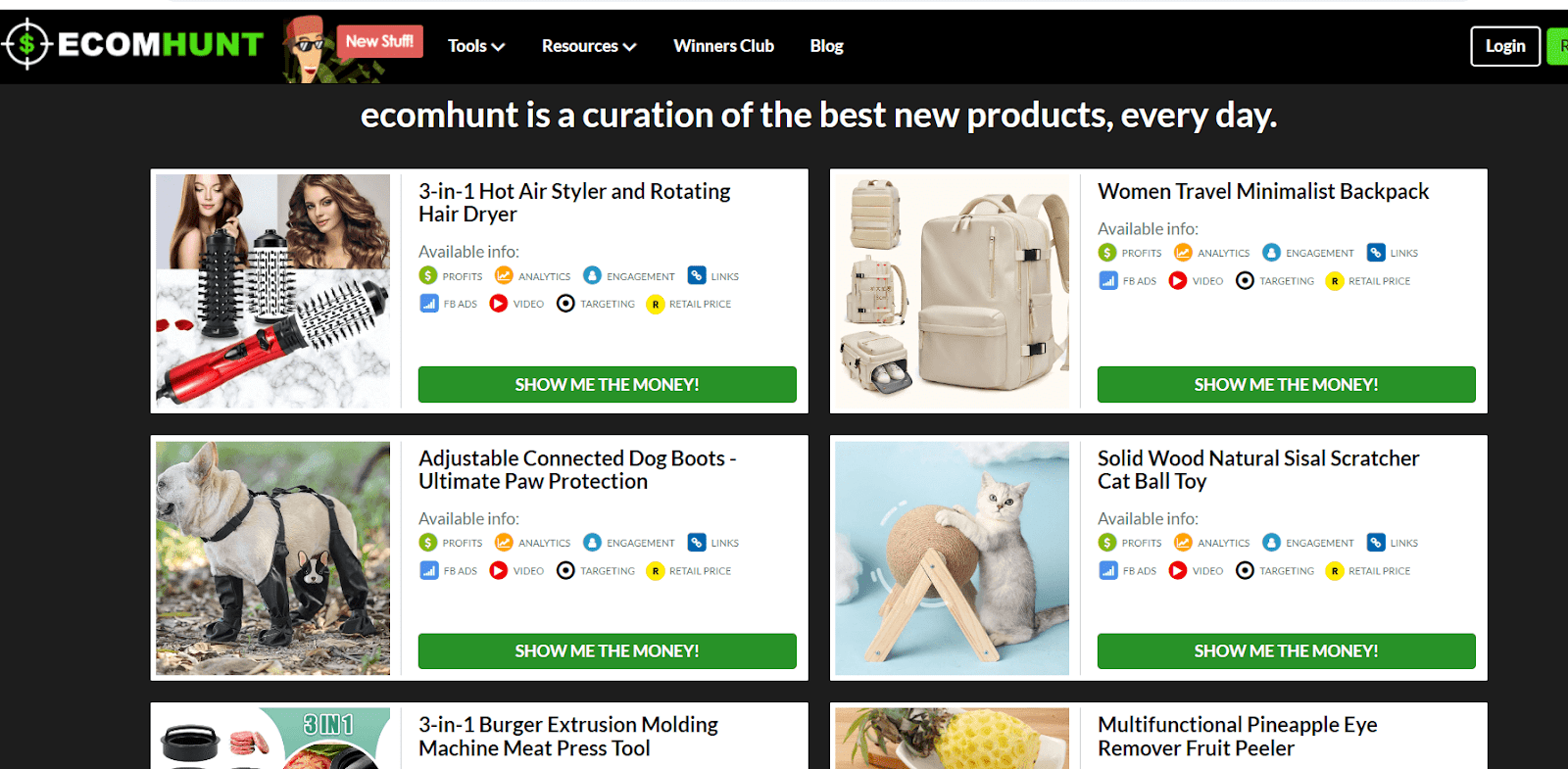
Ecomhunt is included because it replaces open-ended database searching with a curated feed of product ideas and trend data. The free tier suits a beginner who wants ten live trending products and a few tracker sessions. It fits poorly when you need deep research on one named competitor or unlimited tracking.
Ecomhunt's pricing includes free access. Higher tiers expand product access, history, alerts, and tracker sessions.
Ecomhunt works best as a shortlist tool. It can't prove that a product will work for your audience. Its curation saves browsing time. However, lower tiers restrict the number and depth of ideas you can inspect.
3. SaleHoo for vetted suppliers
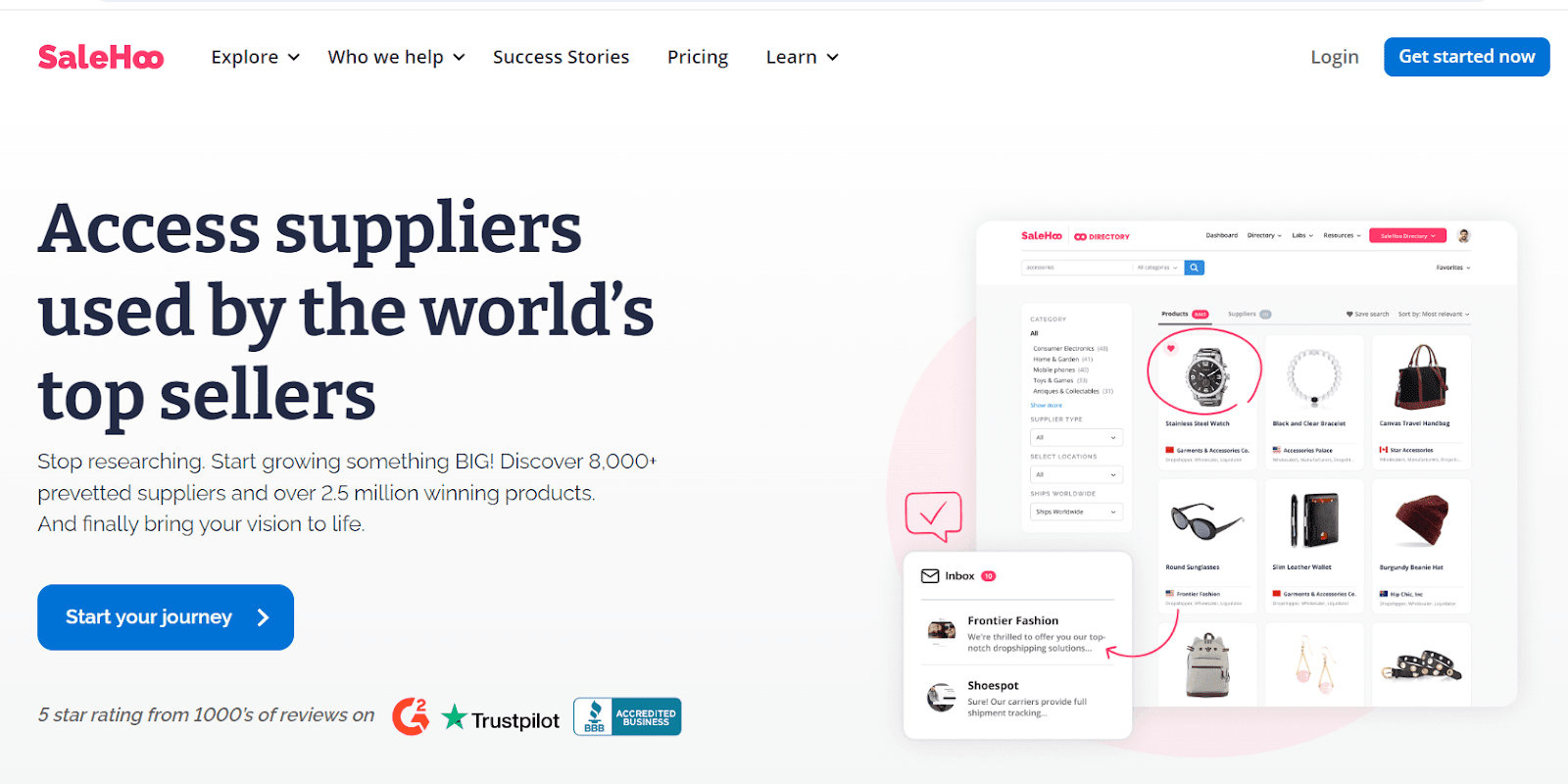
SaleHoo earns a place for supplier discovery, not because it replaces sales or ad research. Its Dropship product combines a vetted supplier network, product search, one-click Shopify importing, inventory syncing, and pricing controls. That makes it useful when supplier confidence is the missing layer.
Pro supports more stores, products, users, and supplier contact. The poor fit is straightforward because SaleHoo Dropship's direct integration is for Shopify. WooCommerce, Amazon, eBay, and Wix sellers miss that connected workflow. Meanwhile, the tool also lacks live competitor sales and ad intelligence.
4. Minea for ad-led product research
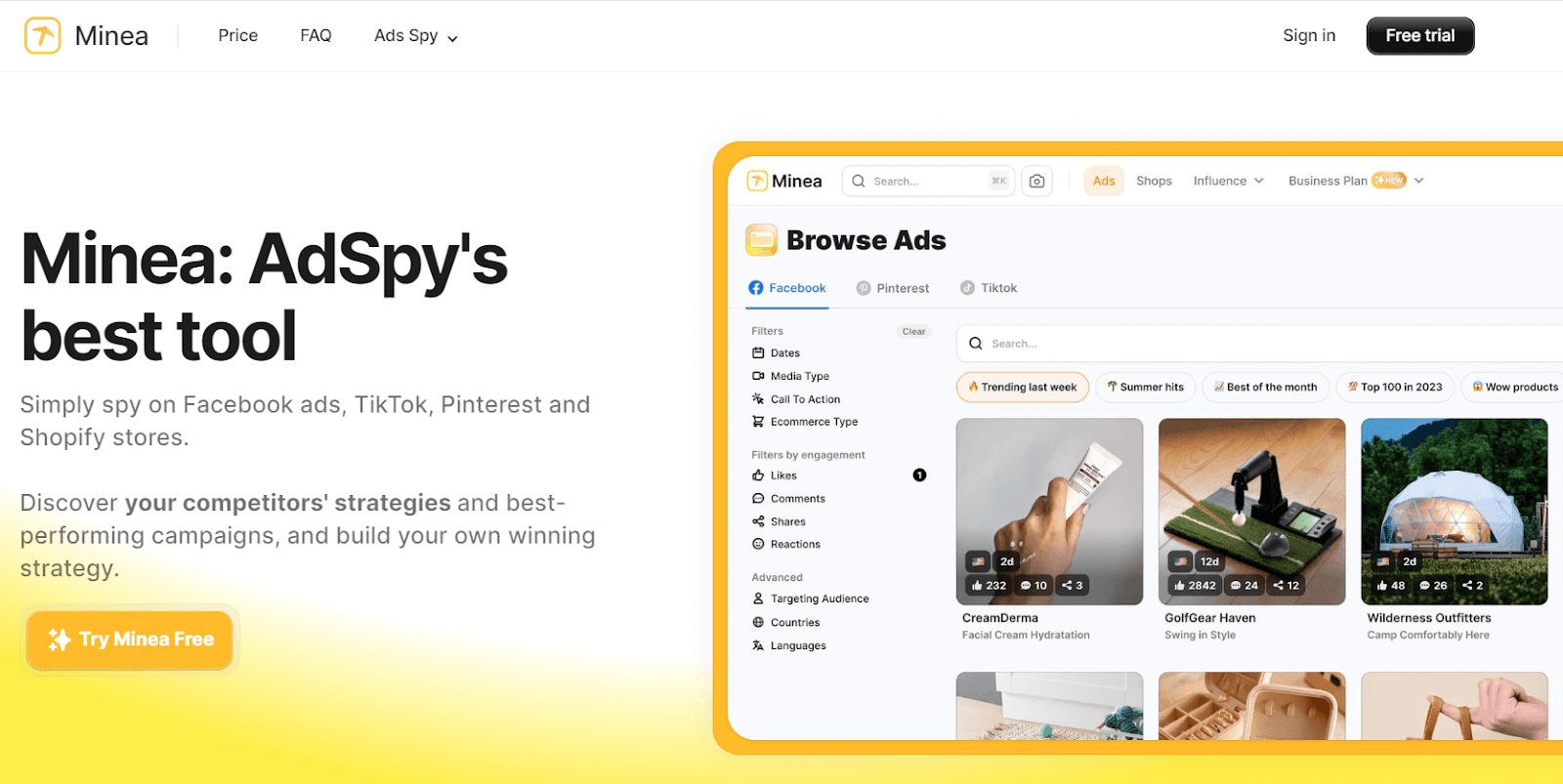
Minea fits sellers whose product research starts with Meta ads, shops, brands, and the offers competitors keep promoting. It deserves inclusion because ad activity answers a different question from sales estimates. The best fit is a seller studying creative angles and advertiser behavior. A small product shortlist rarely justifies the price.
Lower plans meter AI ad analysis, transcripts, searches, and tracking. Persistent ad activity is a lead. However, it doesn't prove a profit. An advertiser can spend on a weak offer, and a strong creative can still hide poor shipping or margin economics.
5. Dropship Spy for research-to-creative tests
Dropship Spy fits a compact test workflow because one credit balance covers product research, AI video generation, and landing pages. You bring a product idea, run research, then turn the result into test assets. That's more useful for preparing a launch than continuously monitoring a large competitor ad library.
Unused credits roll over. However, there's no free tier or trial. Research costs one credit, landing pages cost two, and video use varies by engine and length. The honest limitation is that an AI verdict can be wrong. Treat the evidence trail as decision material because it can't promise that the product will sell.
6. AutoDS for store automation
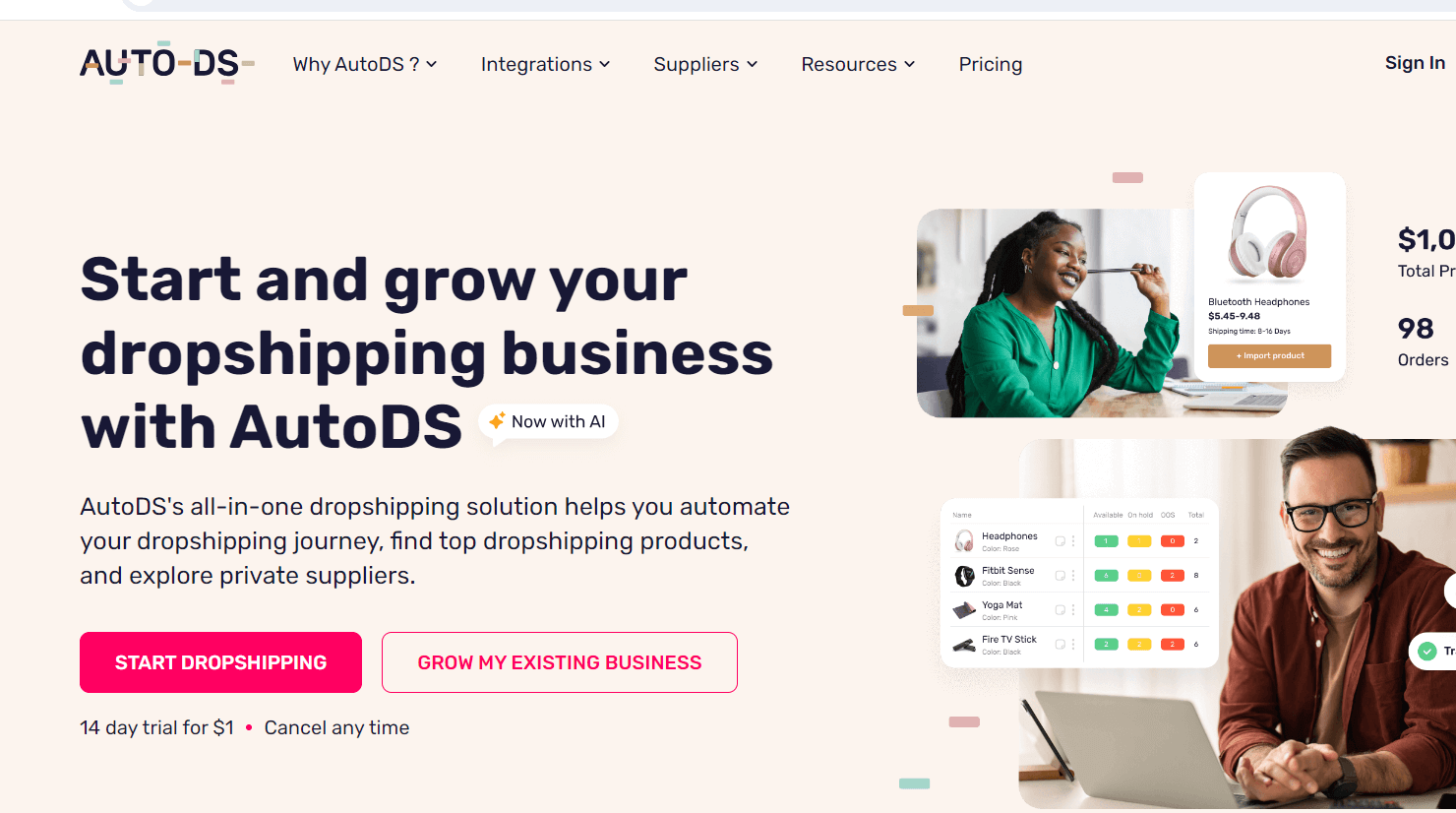
AutoDS belongs in the operations layer because it connects product importing, price and stock monitoring, order processing, and product finding. It fits a seller who wants research to feed directly into store operations across supported channels. A research-only user will pay for a broader system than needed.
AutoDS prices depend on the selling channel, plan, billing term. add-ons. Its signup guidance explains that the selected channel determines available subscriptions. A paid trial renews at the regular plan price.
I'd total the base plan and every required add-on before comparing it with a specialist. If you already have reliable fulfillment and monitoring, the overlap can erase the convenience. See the dedicated Dropship.io and AutoDS comparison for the research-versus-automation split.
7. Sell The Trend for a bundled workflow
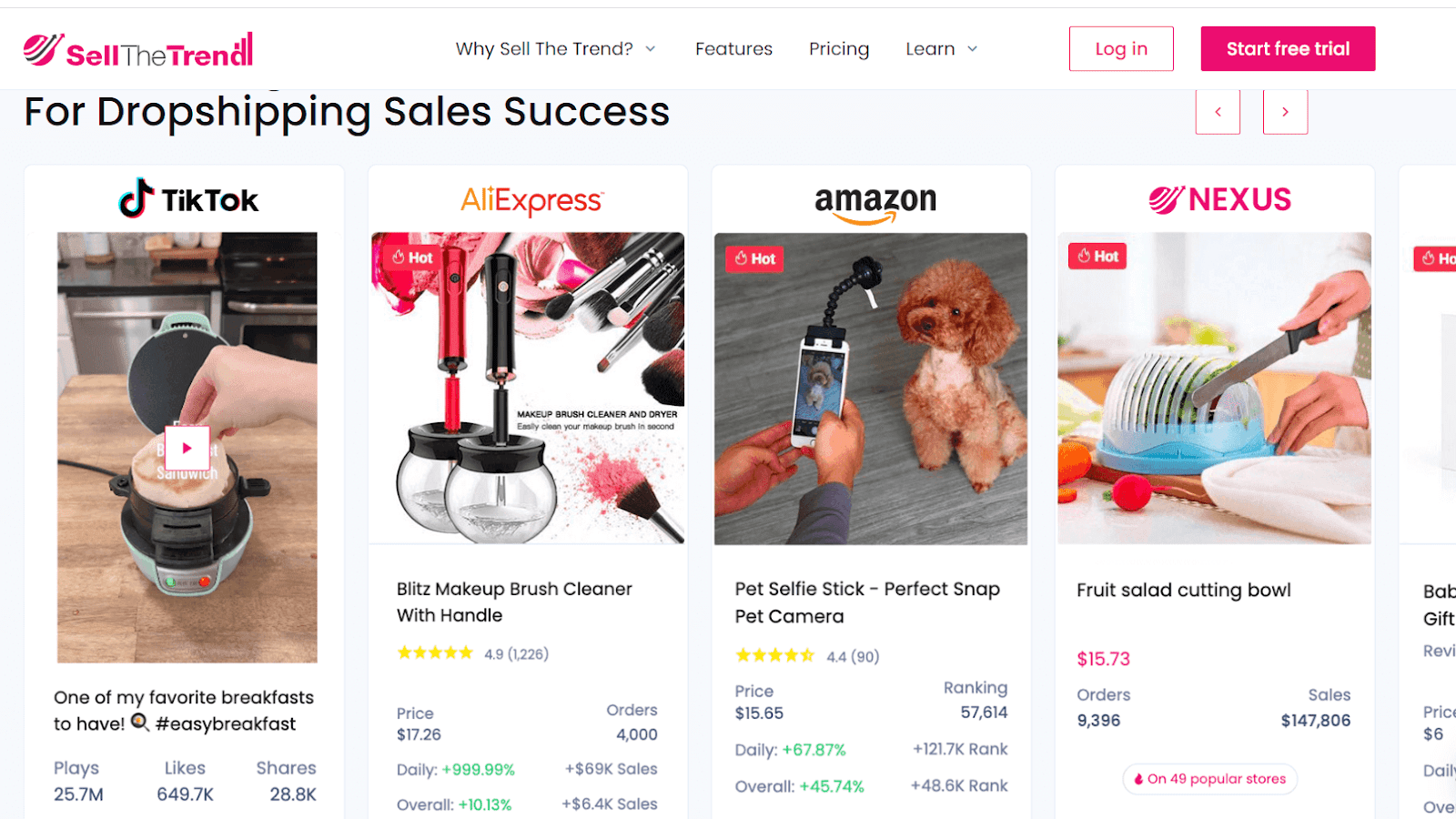
Sell The Trend suits a beginner who wants product research, a storefront option, importing, store intelligence, and fulfillment in one account. Its wide bundle earns inclusion because it can cover several early stack layers. It fits poorly when an established seller already pays for a storefront and automation.
Research, connected stores, imports, and monitoring limits rise by tier.
The bundle is also the drawback. Paying for duplicated store and fulfillment features makes less sense if you only want NEXUS research. The Sell The Trend alternatives break those specialist options apart.
8. Shopify for a managed storefront
Shopify is the clearest managed storefront choice for sellers who want hosting, checkout, catalog, orders, and an app ecosystem in one service. It belongs here because every research and supplier workflow eventually needs a place to sell. It fits poorly when full code, hosting, and database control matter more than convenience.
Basic supports the online store, products, orders, customer records, reports, and international selling tools.
The subscription isn't the full store cost because paid themes, apps, payment processing, and third-party transaction fees can change the economics. List the minimum app stack before choosing a plan.
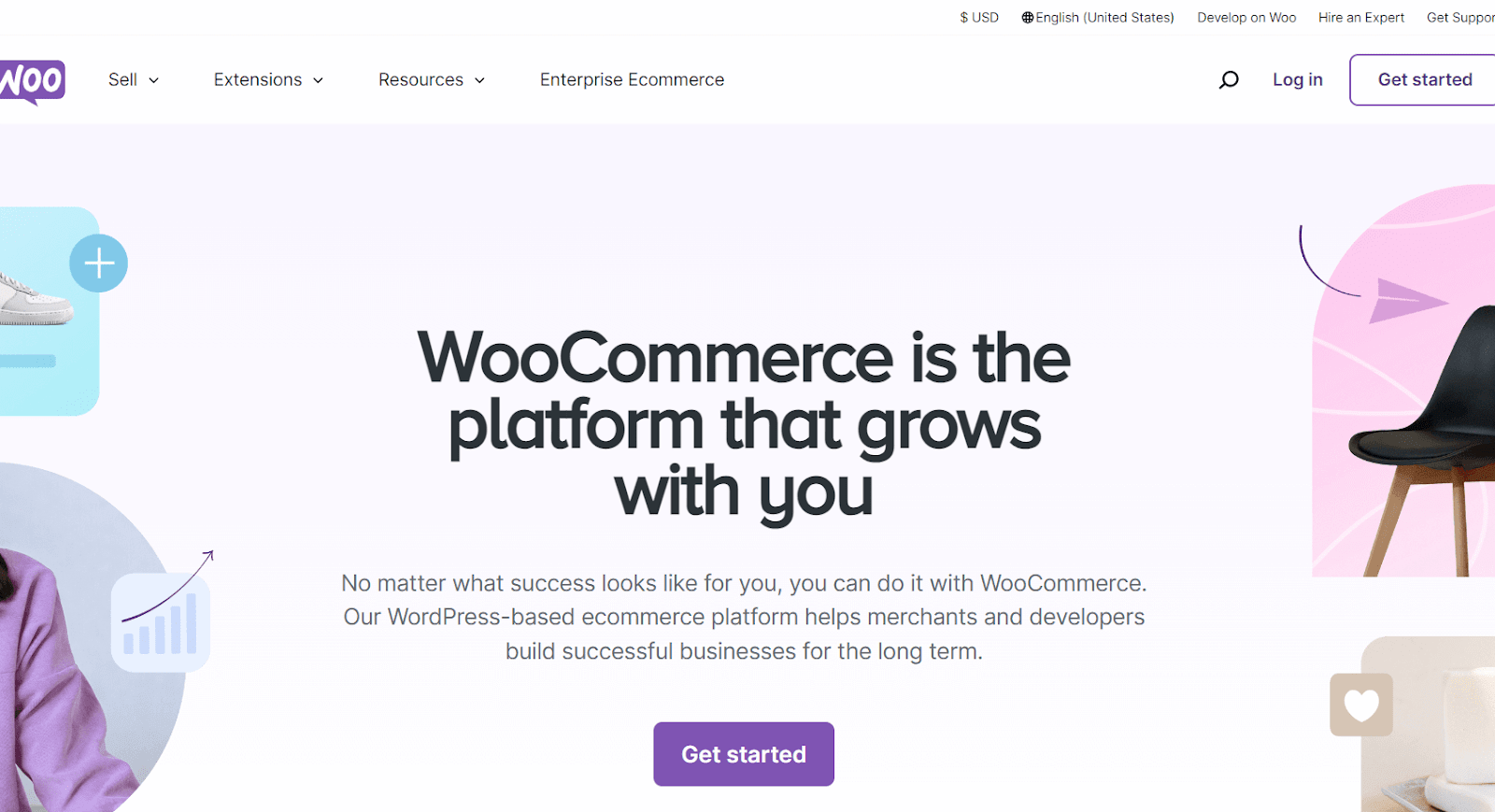
9. WooCommerce for storefront control
WooCommerce is the better storefront fit when you want WordPress ownership, flexible hosting, and control over extensions. The core plugin is free and open source, so it can suit a technical operator or a team with WordPress support. It fits poorly when you want one vendor to manage hosting, security, updates, and checkout operations.
Payment processing and development remain separate costs, and free core software doesn't mean a free operating stack because control comes with maintenance. Avoid WooCommerce when nobody can own hosting, updates, security, and checkout work.
10. Spocket for US and EU suppliers
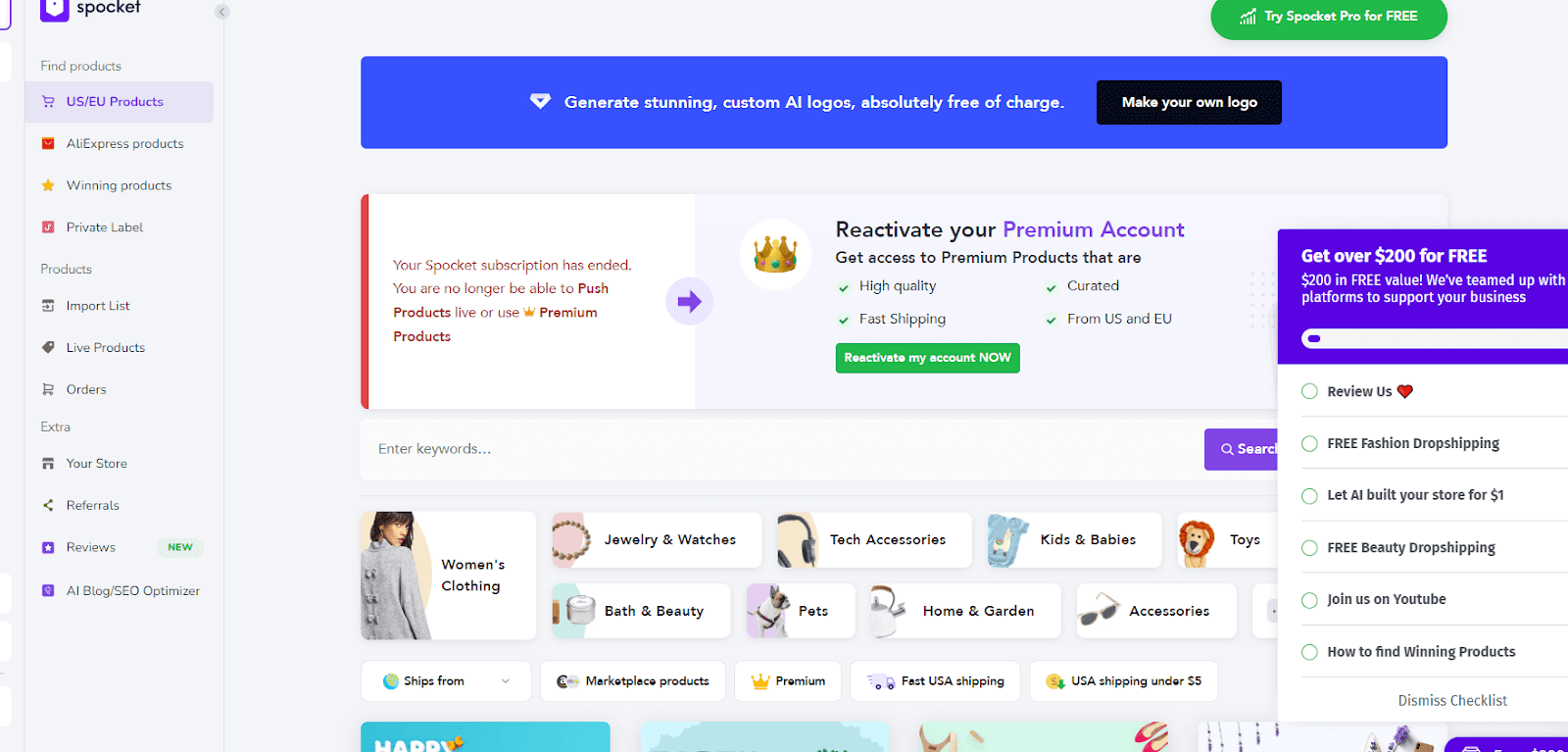
Spocket fits sellers who want supplier discovery, importing, stock monitoring, order tracking, and fulfillment with an emphasis on US and EU options. It belongs in the supplier layer, so compare it with SaleHoo and CJdropshipping rather than a research dashboard. Research-only users won't get enough value from the operational features.
Larger tiers expand unique and premium product allowances, stores, support, and bulk features.
The catalog headline isn't enough to choose a plan. Check whether suppliers can meet your target market, shipping promise, and margin before comparing inventory allowances.
11. CJdropshipping for sourcing and fulfillment
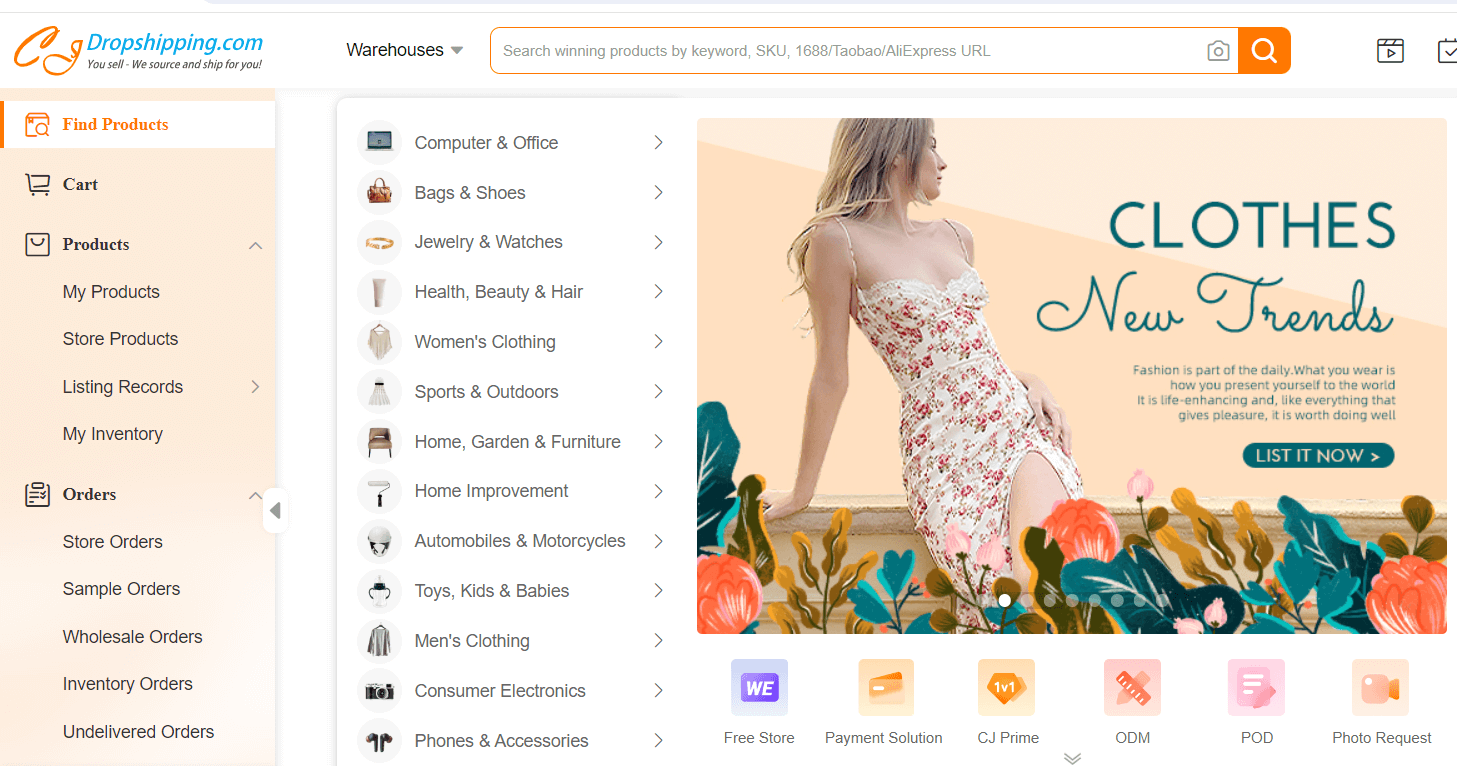
CJdropshipping is a flexible sourcing and fulfillment route with a free basic account, product listing, store connections, order monitoring, and global warehouses. It fits sellers who want to source, customize, and fulfill without a required base subscription. It fits poorly when a tightly curated supplier set matters more than route flexibility.
CJdropshipping's membership page lists a free plan with five daily sourcing requests. Optional memberships add requests, recommended products, coupons, and other benefits. Product, shipping, warehousing, and optional service charges still apply.
Model the landed cost of every order from its destination, weight, warehouse, packaging, and service choices.
12. Jungle Scout for Amazon research
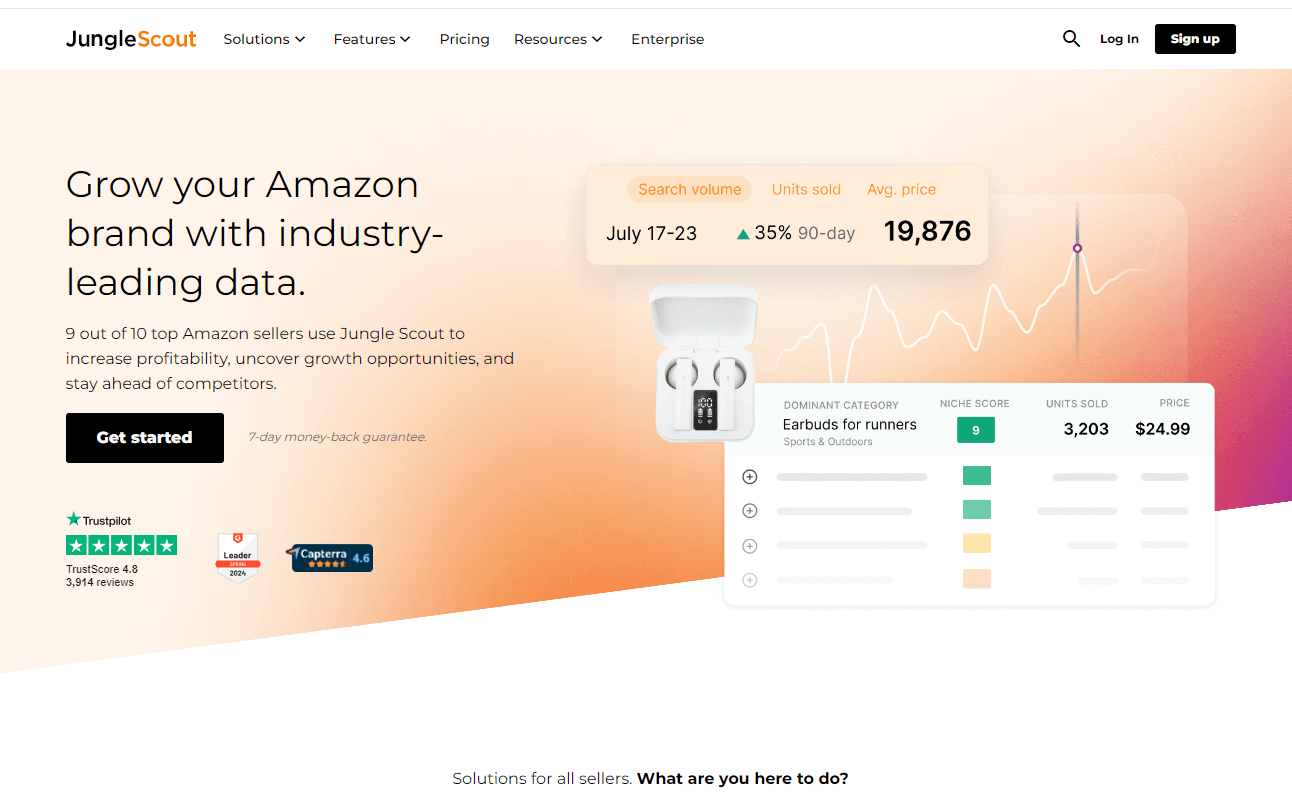
Jungle Scout belongs here only for sellers whose workflow runs through Amazon, where product, keyword, market, and sales-estimate research has its own data needs. It fits an Amazon operator choosing or launching products. A Shopify-only store has little reason to pay for marketplace-specific research.
The live selector gives current plan prices. Meanwhile, standard plans carry a seven-day money-back guarantee rather than a free trial.
Amazon specialization is the benefit and the boundary. Don't add Jungle Scout to a general store stack unless Amazon demand, keywords, or seller data changes a real decision.
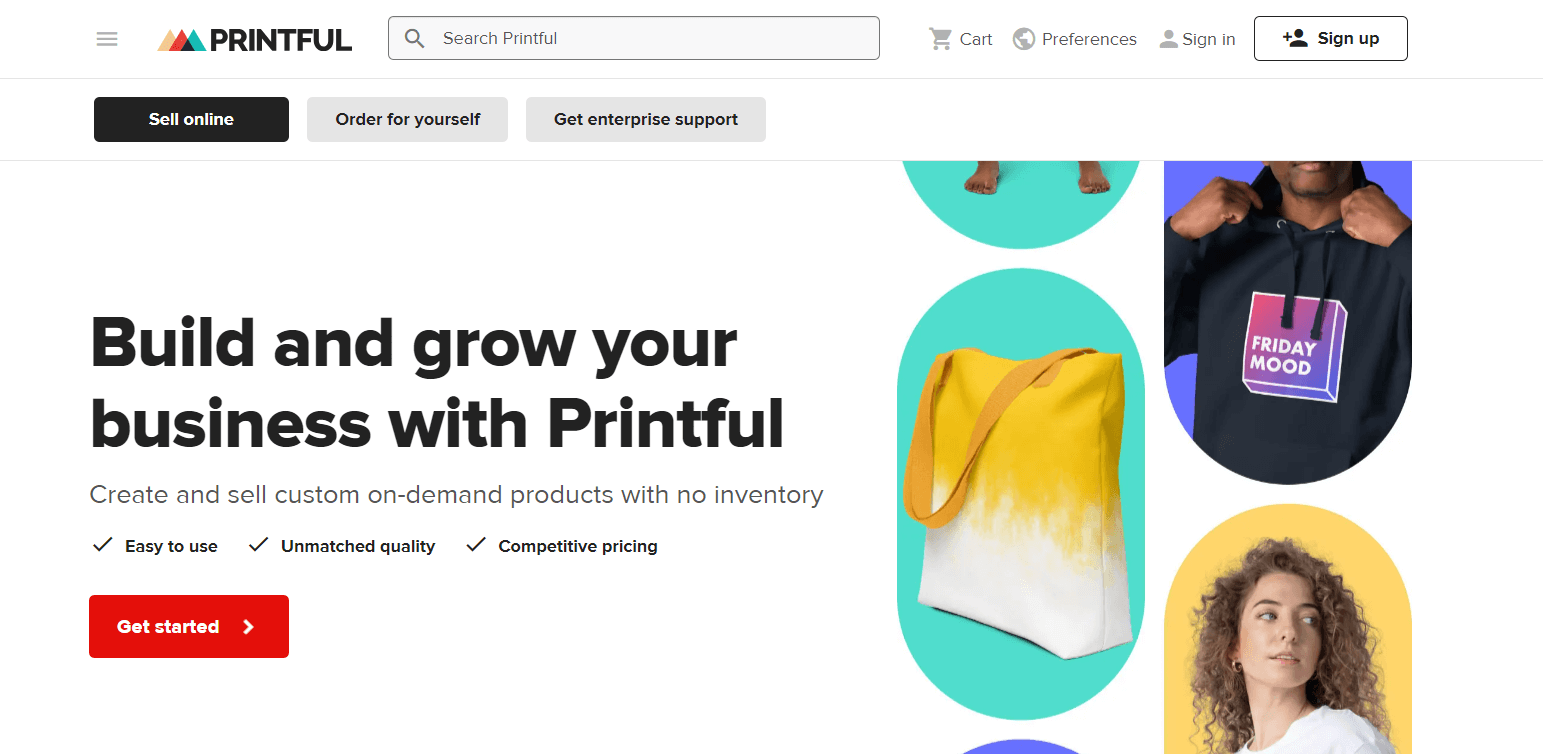
13. Printify for POD supplier choice
Printify is the stronger print-on-demand fit when you want a marketplace of print providers, products, locations, and prices to compare. It replaces a conventional dropshipping supplier for custom merchandise. It fits poorly when you want one company to control production consistency across every order.
Printify's pricing has a free plan with five stores and unlimited product designs.
Provider choice creates more room to optimize cost and location. However, it also creates variation. Sample the exact provider and product combination you'll sell because quality and delivery can differ inside the same platform.
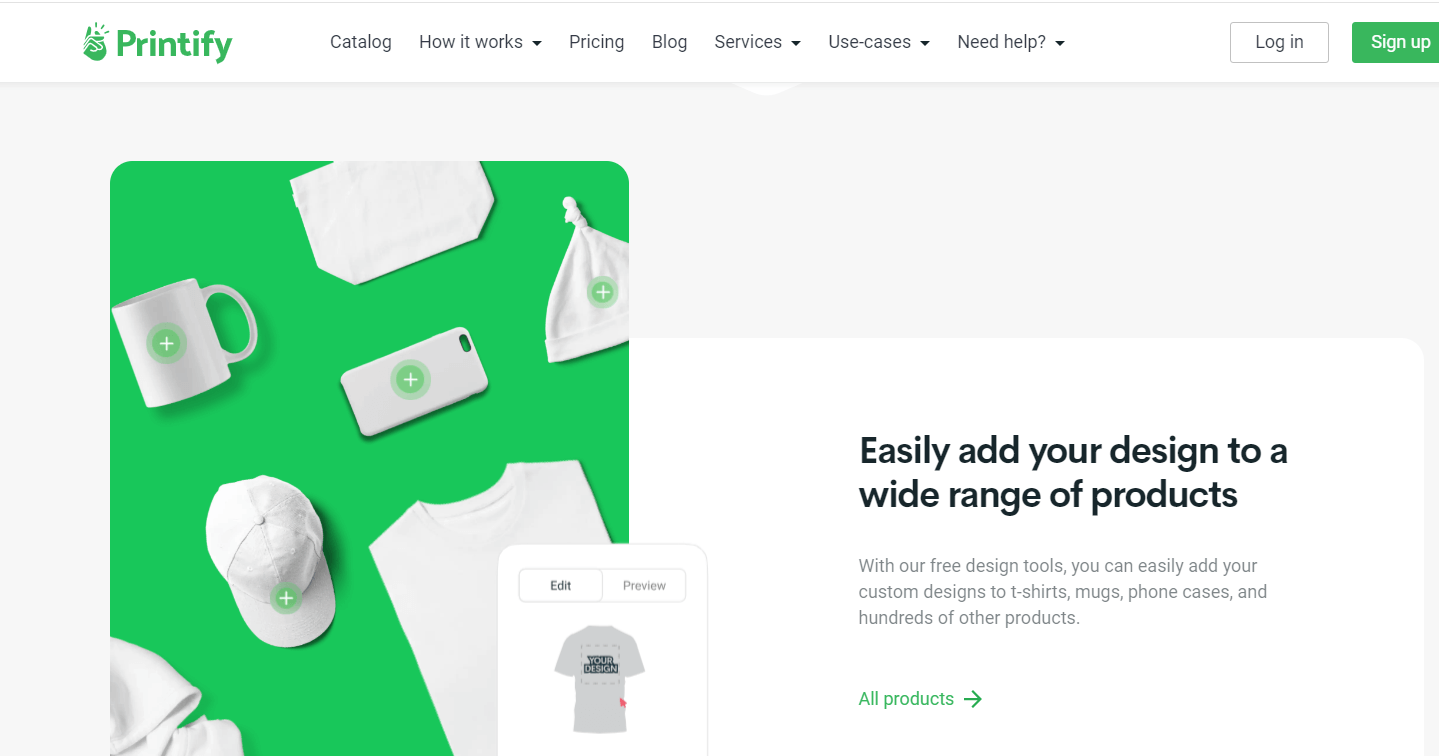
14. Printful for managed POD production
Printful fits print-on-demand sellers who prefer one managed production system over shopping among many independent providers. Its free plan includes product creation, fulfillment, store connections, and support. It fits poorly when price shopping across providers matters more than a consistent system.
Printful is free to start, but every order still has variable costs. Product choice, extra print areas, shipping, tax, labels, and other options can change margin, so compare the finished basket before choosing the service.
15. QuickBooks for familiar bookkeeping
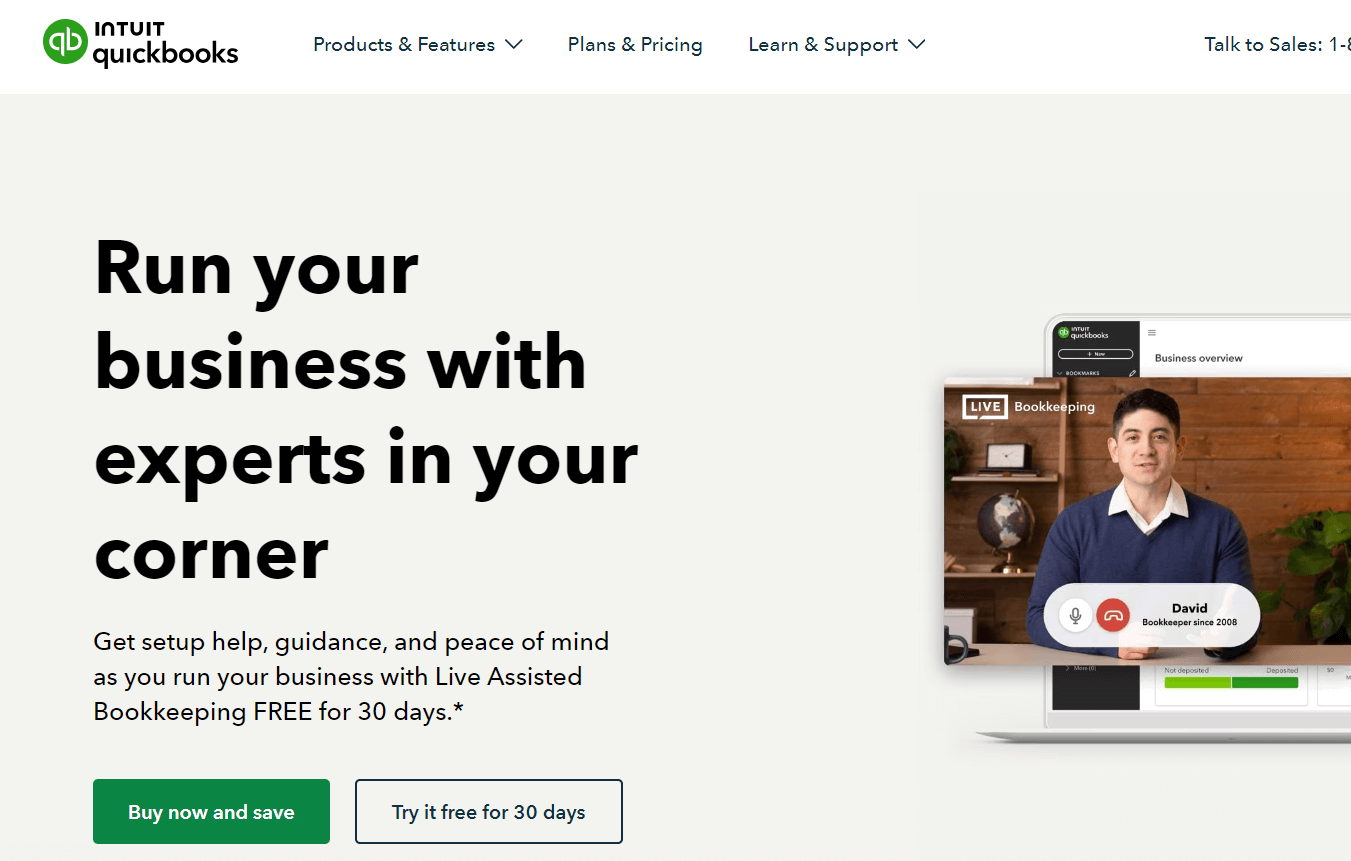
QuickBooks fits stores that need established bookkeeping, bank connections, invoicing, reporting, and an accountant who already works inside the product. It belongs in the finance layer after sales begin creating enough reconciliation work to justify dedicated software. A tiny store with simple records may not need its fixed monthly cost yet.
Introductory discounts can lower the first few months, but they don't change the long-term list price.
The main drawback is cost progression. Users, bills, inventory, projects. deeper reporting can push a store into a much more expensive tier, so choose from required workflows instead of the promotional price.
16. Xero for cloud accounting
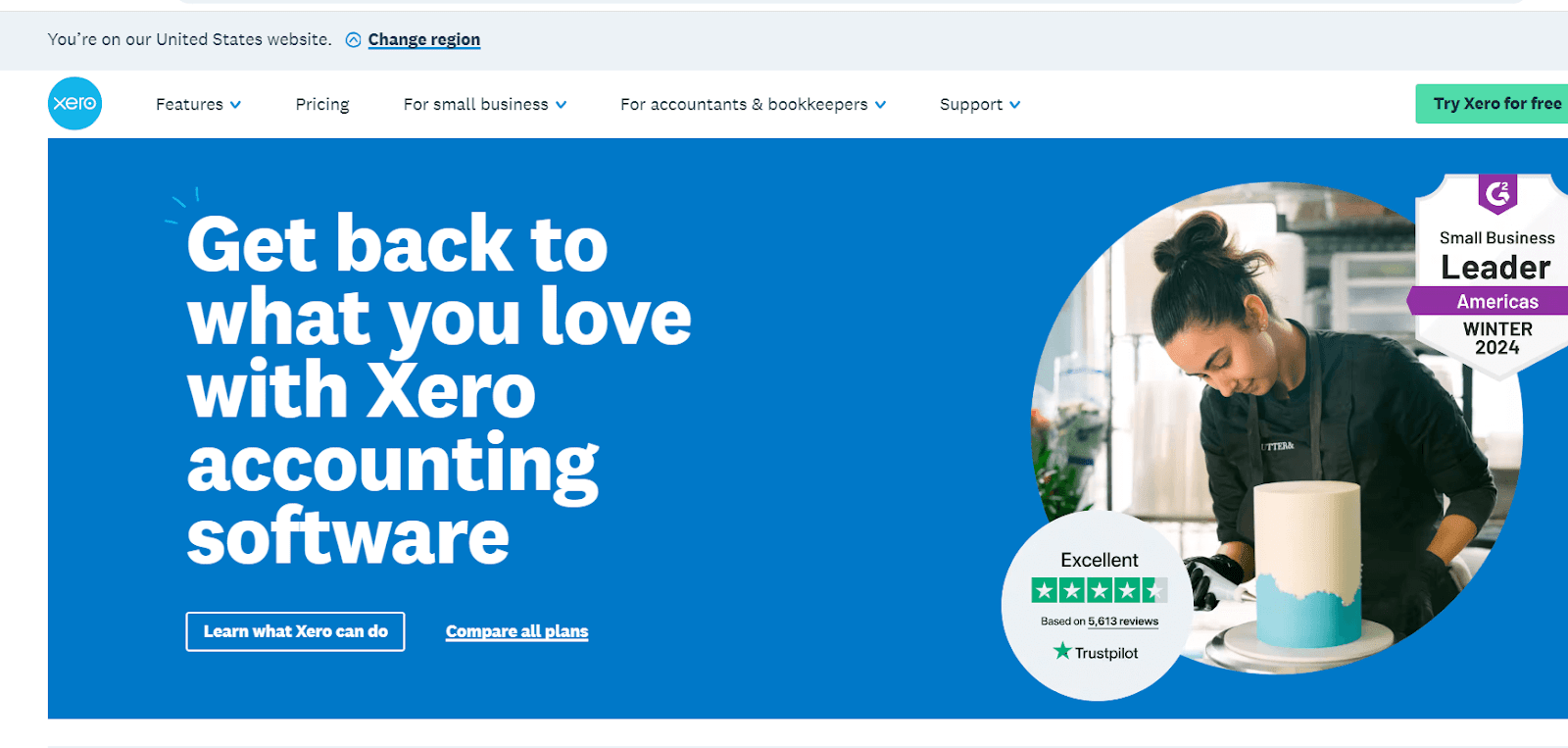
Xero fits sellers who want cloud bookkeeping, bank reconciliation, bills, reporting, and collaboration, with multi-currency available on Established. It can suit a store working with an external bookkeeper or selling across currencies. Early fits poorly once its 20-invoice and five-bill limits interrupt normal work.
The future increase matters because it changes the ongoing bill within days of this review. Multi-currency also requires Established, so an international store shouldn't compare only the entry plan.
Which software stack fits your workflow?
Choose one product for each job you genuinely perform, then prefer the combination with the least expensive overlap. Build the stack in this order:
- Pick Shopify for a managed store or WooCommerce for greater technical control.
- Add Dropship.io, Ecomhunt, Minea, or Dropship Spy based on the research signal you use.
- Choose SaleHoo, Spocket, CJdropshipping, AutoDS, Printify, or Printful for the sourcing and operations model.
- Add Jungle Scout only when Amazon is part of the sales channel.
- Move into QuickBooks or Xero when reconciliation, reporting, and collaboration justify the recurring cost.
For a typical Shopify store, I'd start with Shopify, one research tool. one supplier route. Paying for both AutoDS and Sell The Trend makes sense only when a specific automation feature covers the overlap. The open question is always your order economics because no public plan page can tell you the shipping cost, return rate, or ad efficiency of your exact products.
FAQ
These answers cover the minimum stack, all-in-one limits, and free starting options. They assume you're choosing software before adding optional specialist tools.
What software do I need to start dropshipping?
You need a storefront, a supplier or fulfillment route, and a way to record orders and costs. A research tool can improve product selection, while automation becomes useful once manual imports, monitoring, or order handling consumes too much time. Start with the fewest subscriptions that can complete a real order.
Can one tool run an entire dropshipping business?
One broad tool can cover several tasks, but no product in this list is strongest at research, storefront hosting, sourcing, fulfillment, and accounting at once. Bundles such as AutoDS and Sell The Trend reduce handoffs, while specialist stacks give you more control over each layer.
What is the best free dropshipping software?
The best free option depends on the job, with WooCommerce offering free storefront software, CJdropshipping offering a free basic sourcing account, and Printify or Printful offering free print-on-demand access. Ecomhunt also has a limited free research tier. Hosting, products, shipping, payment processing, and optional services can still cost money.


