

7 Etsy Dropshipping Suppliers for POD Sellers
Compares seven print-on-demand routes with documented Etsy workflows and shows how to verify eligibility, production, delivery, packaging, and costs.
Etsy dropshipping suppliers make and ship your original designs or buyer-personalized items. Seven companies publish an Etsy workflow, but you still need to test the product and delivery route.
I operated a print-on-demand apparel store, which taught me that the blank is only the start. Buyers judge the print, parcel, delivery, return, and support too. This guide helps you pick two suppliers to sample.
My direct experience is with print-on-demand apparel operations. The linked public pages establish the supplier claims. Your sample and live order establish whether one route fits your listing.
Key takeaways
Which Etsy dropshipping suppliers can you use?
Use print-on-demand companies that make your original designs as disclosed production partners. Etsy's Seller Policy limits dropshipping and reselling to specific cases. Its Creativity Standards cover original designs made by a production partner. That partner makes the eligible item while you remain responsible for the design, listing, and buyer promise.
You must disclose that role and use the right ship-from details. Even then, you still own the design, listing, buyer messages, and promise.
Generic sourcing sites solve a different problem. You may use an Alibaba dropshipping workflow for another store. Sending a ready-made catalog item to an Etsy buyer can break Etsy's product rules.
An Etsy app only moves order and product data. Your own checks must cover the design, print, parcel, and delivery date.
Write the item and partner roles in plain terms. Name who owns the design, who makes it, and who sends it. Then check that the listing says the same thing.
The shipping promise needs the same care. Record the true ship-from country and split making time from carrier travel. Then allow for route changes in your delivery range.
I treat every company here as a lead until one exact item passes a sample and live order. Public pages will leave some facts open, so put each question in an unresolved-evidence field. That record keeps guesses out of your listing.
Compare 7 Etsy suppliers for print on demand
These seven suppliers have documented Etsy print-on-demand routes, but each suits a different product. The profiles cover fit, public proof, sample or verification actions, shipping, and a material drawback. Record the exact product and variant, price and MOQ, origin and destination, processing and shipping, sample route, packaging and branding, and return and support owner.
Mark any field the linked pages don't settle for that SKU, account, or destination as unresolved. Reject the route until a written answer or sample closes the gap, and activate the second supplier only after its own live order passes.
The shortlist is,
- Printify
- Printful
- Gelato
- Gooten
- Prodigi
- Art of Where
- Printed Mint
Start with the product and the control you need. A huge catalog looks great only until two variants arrive in separate boxes.
1. Printify
Printify fits when you want to compare several print providers for one design. Its network gives you a broad range of blanks and provider-level choices. You can compare cost, print area, colors, ship-from point, and shipping for one item.
Printify's Etsy shipping guide says it assigns a shipping profile when you publish. Rates can change by provider and variant. Match the final profile to the provider you picked instead of making one shop-wide delivery promise.
Samples follow the normal order flow under Printify's sample policy. Use that order to time production and transit. Then check the print, label, invoice, outer mailer, and tracking page.
Your shop must price and handle a buyer's change of mind or wrong size. Printify's refund guide limits its coverage to damage and maker errors.
Variation is the main drawback because each provider can change the cost, quality, route, and support result. Skip Printify if you need one factory or the same insert in every box.
I would sample two providers for the same top-selling variant. Send both orders to the same area at the same speed. Keep the better route as your first choice and save the other only after it passes on its own.
2. Printful
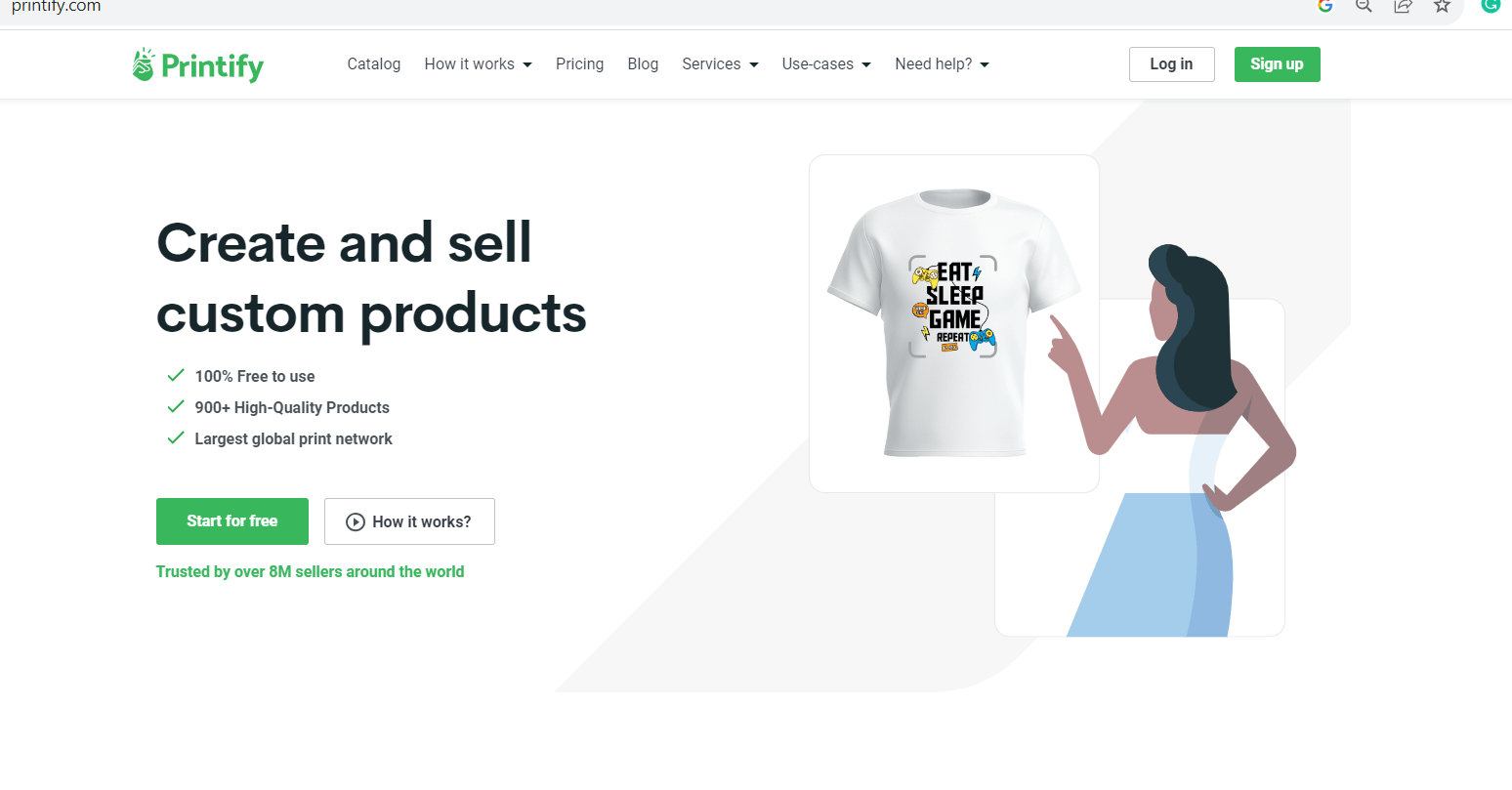
Printful suits sellers who want one managed service and a direct Etsy link. It covers apparel, home goods, and other common print-on-demand items. Its Etsy setup guide covers the store link, product push, shipping profiles, and partner details.
The cost guide says you can start without a setup fee or minimum order quantity (MOQ). Since you pay when an order goes to production, single-order fulfillment works for a new listing.
Some linked stores can use Printful's sample program, although access and limits can change with account status. Save the program terms beside the result, then record what your own sample adds.
Ask where the exact item will be made for your target address and whether a second item could leave from another site or arrive later. One main account makes support easier to trace while production can still move between sites.
Your Etsy policy must say who pays when the buyer picked the wrong size. Printful's return policy covers damage, defects, and bad prints rather than buyer's remorse.
Choose Printful when one support path matters more than provider choice. Sellers who need supplier-funded fit-based swaps on custom goods should use another route. Get blind-shipping confirmation in writing if your brand needs a neutral parcel.
3. Gelato
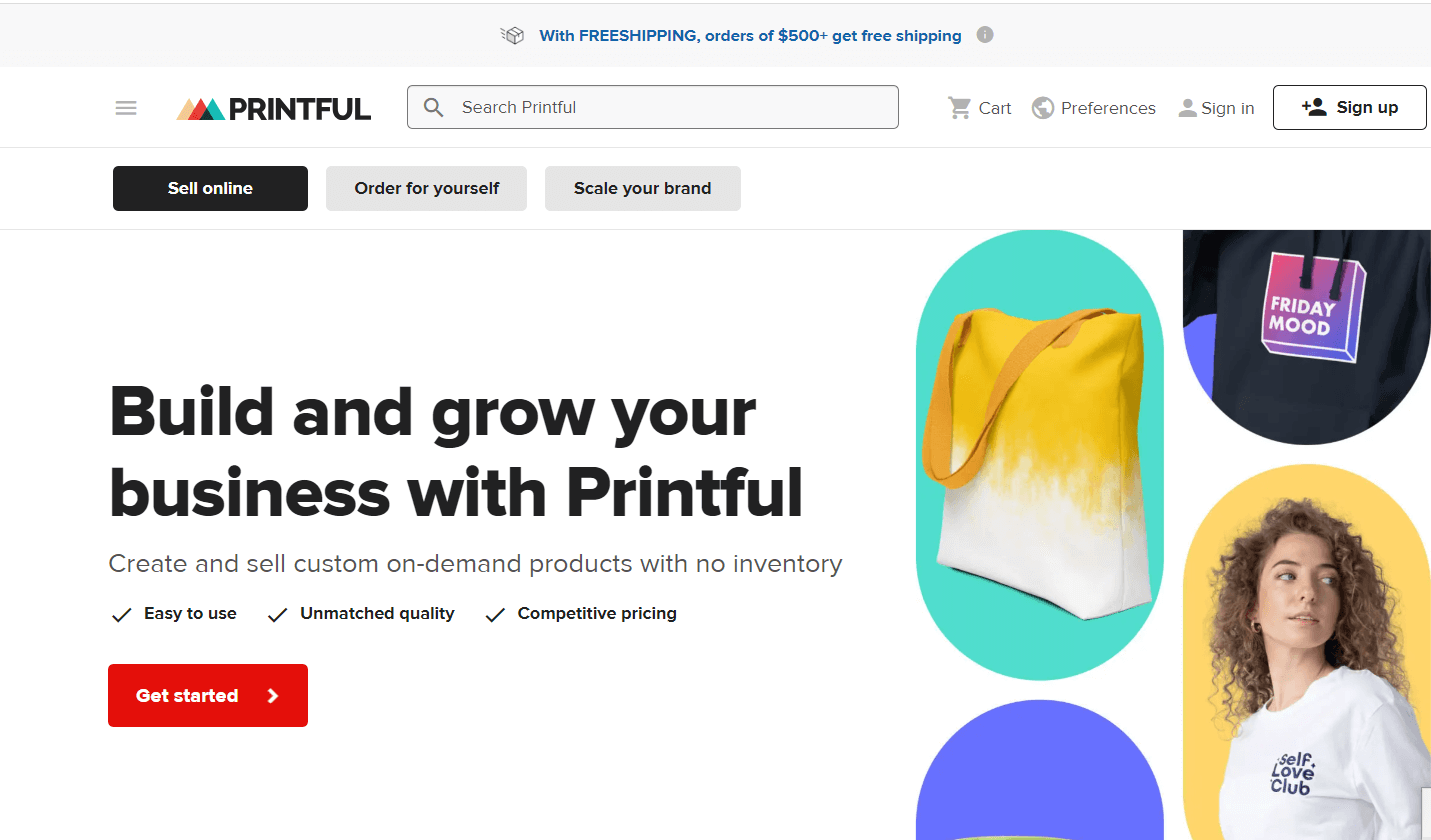
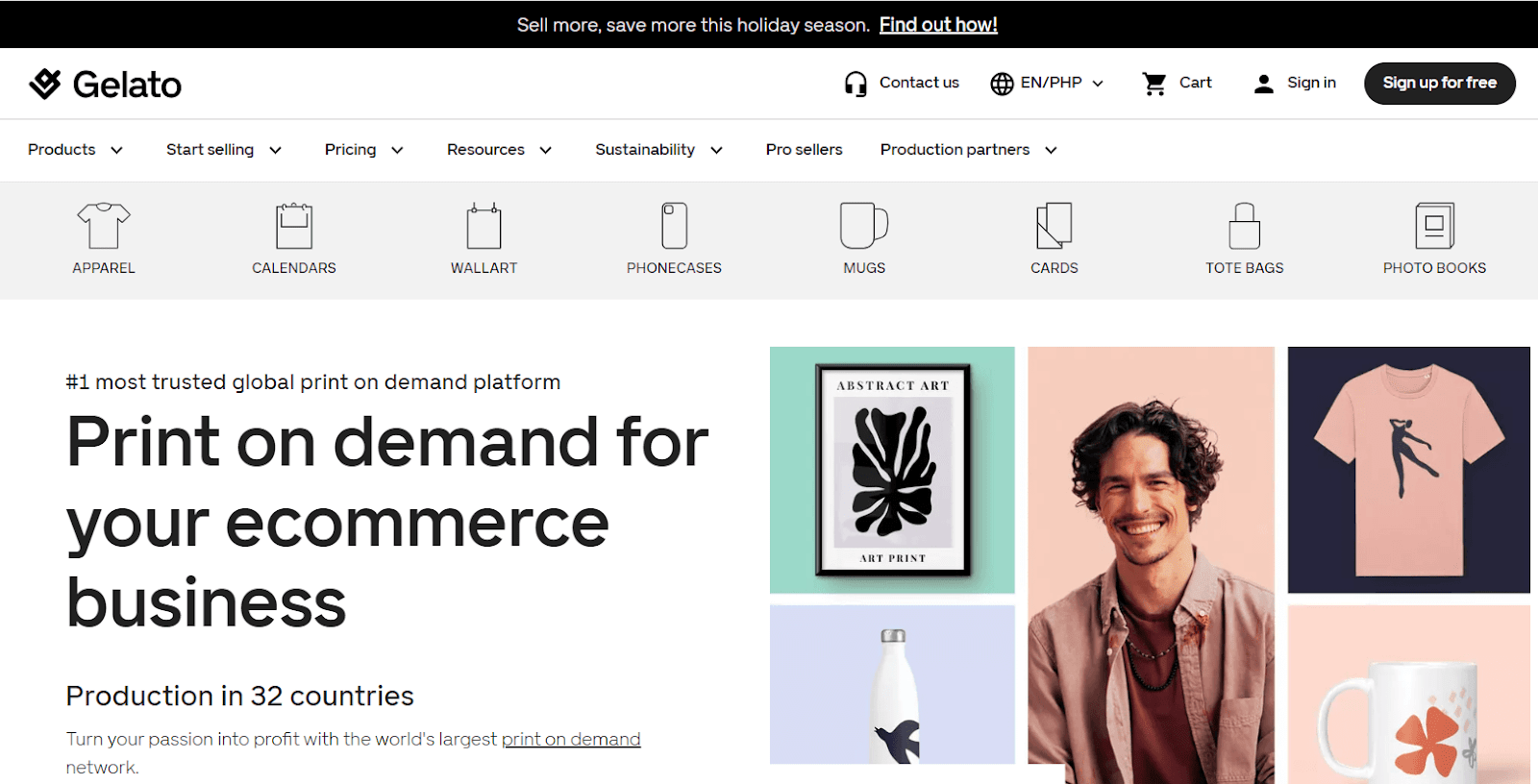
Gelato fits art-led shops that value regional routing. Its range includes wall art, cards, photo books, apparel, and other printed goods. The Etsy setup guide shows the direct store and product flow.
The network tries to make many orders near the buyer, which may shorten the parcel trip. However, Gelato's shipping guide says stock, space, product supply, and destination affect routing. The nearest site isn't promised.
That model can suit a shop with buyers in several regions, especially for art and paper goods made in more than one place. A listing tied to one country of origin needs a more fixed route.
Quote the same size and finish to two target areas. For each one, record the likely print site, making time, carrier, cost, and delivery range. If one area routes far away, split its shipping profile or remove that destination.
Your shop owns the buyer-remorse return policy and needs its own return address. Gelato's quality and return policy handles defects through a claim.
Pick Gelato when a broad regional network helps more than a fixed plant. Route drift is the risk. Start with your largest buyer region and add another only after its own quote and sample pass.
4. Gooten
Gooten suits sellers who want homeware, wall art, and apparel from one network. Its current Etsy guide covers store setup, product links, order flow, currency, and shipping limits. That detail tells you more than an Etsy logo does.
Gooten's pricing guide says membership is free. You pay the product and shipping charge for each order. That makes a one-item test possible without a monthly plan.
A sample uses the same manual order flow. Send it to a common buyer area with the shipping level shown on Etsy. Then record the promised date and each real tracking event.
Gooten's supplier network can fulfill more product types. That flexibility can split mixed carts into two parcels with separate tracking links and delivery dates. Support work can rise when one box arrives first.
Ask Gooten for blind-shipping and insert confirmation on the exact product. Its network-wide guidance doesn't promise custom inserts for every item, and a general platform reply leaves that product-level question open.
Gooten's support policy focuses on damaged, wrong, or faulty goods. Skip Gooten when one-box delivery or branded packing is part of your offer. Test a common mixed cart because a one-item sample won't show split shipping.
5. Prodigi
Prodigi suits shops built around prints, frames, cards, and photo goods. Its Etsy guide covers automatic order handling through a global print network. You first make the Etsy listing, then bring it into Prodigi.
You control the title, photos, choices, price, partner details, and shipping profile. That control adds setup work. Prodigi is a poor fit if you expect a tool to publish the whole item for you.
The product guide covers fine art, home goods, apparel, and other printed items. Choose the exact size and finish before comparing prices. A low price for an unframed print says little about your framed product.
Prodigi's shipping guide separates production from carrier travel. The service can change by item and destination, so build both parts into the delivery range you show on Etsy.
Get the route for one framed print in writing so your ship-from line uses the supplier's answer. Global network coverage alone establishes no SKU-level origin. Then inspect the frame, packing, labels, and tracking.
Shortlist Prodigi when print quality and format choice drive the sale. Its main drawback is company-level route detail. Test the largest size you plan to sell because large parcels can expose packing faults that a small print hides.
6. Art of Where
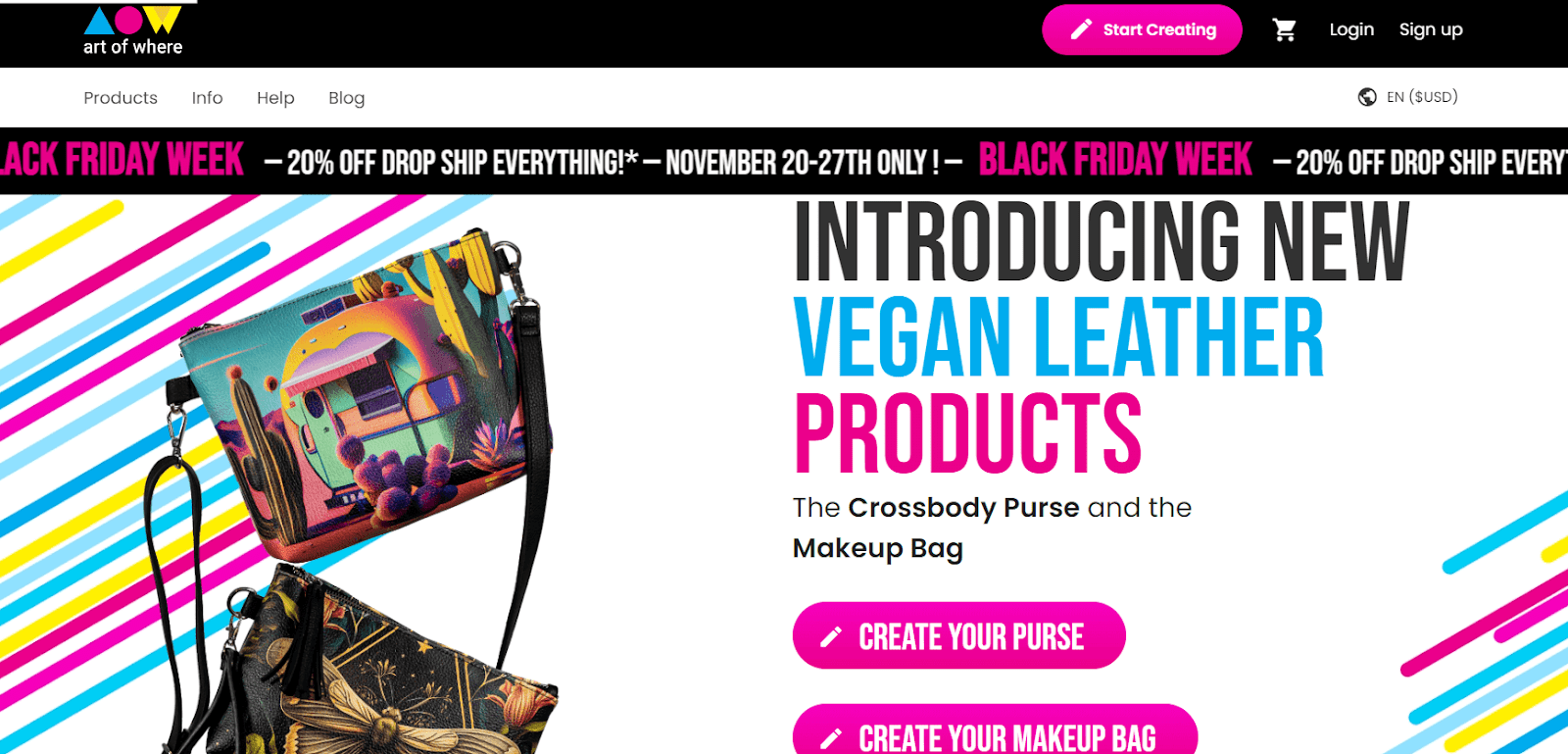
Art of Where fits shops that care about cut-and-sew goods and branded packing. Its Etsy page covers store sync, one-at-a-time orders.
Brand options.
The current catalog includes apparel, accessories, art, paper goods, and home items.
This route makes sense when the item's construction or unboxing helps make the sale. It gives you more control than a logo on a stock blank, but that control creates more details to check before you publish.
Ask which labels, stickers, cards, and mailers work with your exact item. Then get the added cost and time in writing. Order the sample without special notes so you see the normal packing process.
Much of the stated production base is in Canada and the United States, so buyers farther away may face a longer route. Quote their common areas first.
A huge catalog or several regions of local production point to another supplier. A distinct sewn item or branded parcel may support the added cost, but the narrower production base remains the key drawback.
Check the fiber, ink, and making claim for the exact item. Then save the source date and supplier reply beside the sample photos before writing any claim, because general material claims don't support that listing.
7. Printed Mint
Printed Mint fits gift shops that want to test a more planned unboxing. Its current integration guide confirms an Etsy link.
Its minimum-order page says there is no order minimum.
That entry rule makes a one-item test practical. Samples use the normal order process. Send yours to the kind of address your buyers use, such as a flat or rural home.
Log making time, tracking, carrier travel, outer packing, inner display, and print quality. Photograph each layer before opening it. You'll have a clean record if the next order arrives in a different form.
Printed Mint's packaging guide sets out several display choices. Ask which ones fit the exact item. Then add the fee and added handling time to your quote before the listing photos promise that look.
The shipping and return guide treats defects differently from shop-managed returns. Since your shop may pay when a buyer changes their mind, include that cost before you set the return policy.
Sample Printed Mint when the box helps sell a gift. Choose another supplier if you need local output across many regions. Then judge whether the real parcel supports the extra price and customer promise.
Prove Etsy eligibility, production, and delivery together
The Etsy Supplier Proof Sequence cuts weak options before they reach a buyer. Its four stages narrow the list before you spend more money.
The sequence is,
- Confirm eligibility and the customer promise.
- Verify the supplier's current public claims.
- Compare a sample with written terms.
- Test one live order and set a recheck.
Use the stages in order. The eligibility check establishes whether the item is allowed, and the sample shows what arrives.
1. Confirm Etsy eligibility and the customer promise
Write what you designed, what the partner makes, and what the buyer should get. Start with one item, one variant, and one buyer location because broad claims hide the route you need to test.
Build a short customer-promise row with these fields,
- Name the original design or buyer choice.
- State the partner's exact making role.
- Record the true ship-from point.
- Set a making and delivery range.
- Name the parcel and return owner.
This row keeps your search for dropshipping suppliers tied to a sellable Etsy item. For an original design, say what the partner adds and disclose that role, but stop if you plan to resell someone else's finished product.
Match what the buyer sees by comparing your partner note, ship-from line, shipping profile, and return policy with the row. Any mismatch is a reason to pause the listing before you spend on a sample.
Record the product art, parcel, and support owner as parts of the buyer's order. A missing owner for damaged-order claims is a stop condition.
2. Verify the production partner, SKU, and ship-from point
Create one evidence record for each supplier before you order anything. Link the exact item page and Etsy guide, then mark every unresolved field.
Capture the facts that affect the buyer,
- Note the product, variant, and maker.
- Record single-order fulfillment or the minimum order quantity (MOQ).
- Record the processing and delivery range.
- Ask for packaging and blind-shipping confirmation.
- Name the return, defect, and replacement owner.
- Add one unresolved-evidence field.
Turn each open issue into a question that guides the next supplier email.
For example, suppose a supplier says a large framed print may come from different sites for your target ZIP code. Mark the origin unresolved, keep that ship-from claim out of the listing, and hold the product until the supplier confirms the route in writing.
Keep the exact SKU and destination beside every saved claim. A general global production statement describes the network rather than your item's route.
Pages change, so save the date and a short quote from each one. If a key page later changes, compare its new text with your record before changing the Etsy promise.
3. Match the sample to the Etsy listing and written terms
Order the exact sellable variant and compare its parcel with the written terms. Use the same design, size, finish, address type, and shipping speed a buyer will choose.
Inspect the product in the order a buyer will see it,
- Check the outer label and sender name.
- Look for an invoice or supplier brand.
- Test the item against your listing photos.
- Record making time and each tracking scan.
- Photograph damage guards and the return label.
Then compare the result with the supplier reply. A good print can still fail if the box shows the wrong brand, while a plain mailer can break a gift-ready promise.
A gift listing promises neutral packaging, and the sample parcel shows supplier branding. Ask for a neutral packing option in writing. If the supplier has none for that SKU, change the listing promise or reject the route. Use our supplier selection checklist to keep both samples in the same form.
Score only what you observed or got in writing, and leave unknown items open instead of guessing. I prefer a short video over memory for finish and packing checks. Film the sealed parcel, label, opening, and item in one take so support has a clear record if the live order differs.
4. Run one Etsy order through the production route
Place one live Etsy order and watch the buyer path from payment to delivery. Use a real listing with a safe test address, keeping the item hidden or at low stock while you test it.
Watch the order at each handoff,
- Confirm the order imports with the right variant.
- Check the named production partner and ship-from point.
- Compare the Etsy date with the supplier date.
- Make sure tracking flows back to Etsy.
- Inspect the live parcel against the sample.
Close the test only after you record the delivery, who sent each message, and how fast the supplier answered. A clean parcel with silent support can still hurt you when a buyer reports damage.
Set clear recheck triggers and review the route when the provider, price, packing, profile, location, or return terms change. Run it again after a real quality complaint and within six months.
A passing sample proves one order at one point in time. Keep the backup inactive until its own live order passes, so a later switch doesn't send buyers through an untested path.
Choose provider choice, one workflow, or regional production
Choose the operating model that matches the control your product needs. Networks can offer more products and routing options, while more concentrated workflows can make the parcel easier to inspect. None of these companies should be assumed to use one factory for every item. Use this comparison to choose the first two samples.
The table narrows the choice, but the exact item decides whether the model works. If none fits, compare our dropshipping supplier options for another sales channel.
Price Etsy fees, production, delivery, and replacements
Calculate the full delivered order before you compare supplier prices. Treat landed cost as a destination-specific check because a quote only makes sense for one item sent to one place.
Add the product, print add-ons, shipping, Etsy fees, and expected service cost. List tax and duty only when they apply. Delivered-order cost = product + add-ons + shipping + Etsy fees + expected service cost Suppose you sell one item for $40 and charge $5 shipping while the supplier charges $18 plus $6 shipping.
Etsy's current fee policy lists a $0.20 listing fee. It also lists a 6.5% transaction fee on the displayed price, delivery, and gift wrap.
The simplified example looks like this:
The $17.87 still excludes payment fees, ads, tax, duty, refunds, software, design work, and your time. Run the math again for each item and destination, with unknown fees on their own line. After comparing cost, split production time from carrier transit and add a small buffer based on the sample and live order. The BEROAS calculator can model ads once your product and shipping costs are ready, while your sample tests the parcel.
Reject a partner that can't support the Etsy listing
Reject any supplier that can't support the exact listing promise you plan to publish. A low base price won't fix weak proof, a bad sample, missing tracking, surprise branding, or a broken return path.
Use these stop rules,
- Reject products that don't fit Etsy's current creativity rules.
- Reject suppliers whose business identity or production role stays unclear.
- Reject variants that fail print, material, sizing, or packaging checks.
- Reject delivery claims that mix production and carrier transit.
- Reject return paths with no named owner or workable remedy.
Public help pages cover published supplier claims, while your signed terms, buyer locations, and exact item remain private. Use the list to find two candidates with fewer open risks. One failed stop rule removes the supplier from your shortlist.
Choose the closest two fits and test them with the same record. Keep the stronger route as primary, and make the second a backup only after its live order passes.
When both fail, change the item or sales channel instead of lowering the test to save the idea. I would rather lose a listing before launch than learn its weak return path from an angry buyer.
FAQ
Can I use two production partners for one Etsy product?
Yes, if each partner is disclosed accurately and the listing's ship-from and delivery details remain truthful. Test both routes separately because quality, packaging, tracking, and timing can differ.
What if my sample and customer order differ?
Pause the affected variant and document the difference before taking more orders. Send the supplier photos and order details, follow its claim process, and resume only after a replacement or new sample shows the issue is controlled.
When should I retest an Etsy production partner?
Re-check after any material change to price, provider, product, packaging, shipping, integration, or returns. Also set a regular review within six months because Etsy rules and supplier operations can change.


