

Best Dropshipping Suppliers In The US: Verified Shortlist
Compares ten US-facing supplier routes and shows how to verify each product’s fulfillment, delivery, costs, and return path before listing it.
The best dropshipping suppliers in the US can prove the exact product's origin, delivery path, complete cost, and return process. No supplier wins every use case. These ten routes each have a clear use case for US orders. The guide below shows how to check the exact SKU you'll sell.
I ran Shopify stores, so I treat each supplier name as a lead until its exact US order path passes.
Key takeaways
Which dropshipping suppliers in the US are worth checking?
The US suppliers worth checking match your product model and document all required evidence fields for the exact SKU. The ten routes below cover marketplaces, print-on-demand networks, wholesalers, and sourcing agents, so no single option wins every use case.
Record packaging and blind-shipping confirmation and landed cost as a destination-specific check. Shopify's supplier guidance explains the value of a test order.
Doba, Spocket, AppScenic, Modalyst, Printful, Printify, Tasha Apparel, GreenDropShip, FragranceX, and HyperSKU each have an official source and a distinct use case. The comparison below links the full record.
Marketplaces and provider networks can mix origins, policies, and service levels. Verify US stock for the exact product. For each supplier, save the official page, written SKU details, and sample result.
Match 10 US supplier routes to the product model
Choose marketplaces for catalog breadth, print-on-demand networks for custom goods, specialists for one focused category, or HyperSKU for agent-led sourcing. Every route still needs SKU-level checks.
Use these shared fields to decide which profiles deserve a closer look:
I'd keep two or three routes that match the product model and can document the US lane. Recheck prices, warehouses, carriers, plans, and return terms before sampling and launch.
Review the 10 supplier profiles
The profiles below show why each route made the shortlist, who it fits, where it falls short, and what still needs a SKU-level check. The ten routes appear in this order,
- Doba
- Spocket
- AppScenic
- Modalyst
- Printful
- Printify
- Tasha Apparel
- GreenDropShip
- FragranceX
- HyperSKU
Start with the model closest to your product instead of opening ten accounts.
1. Doba
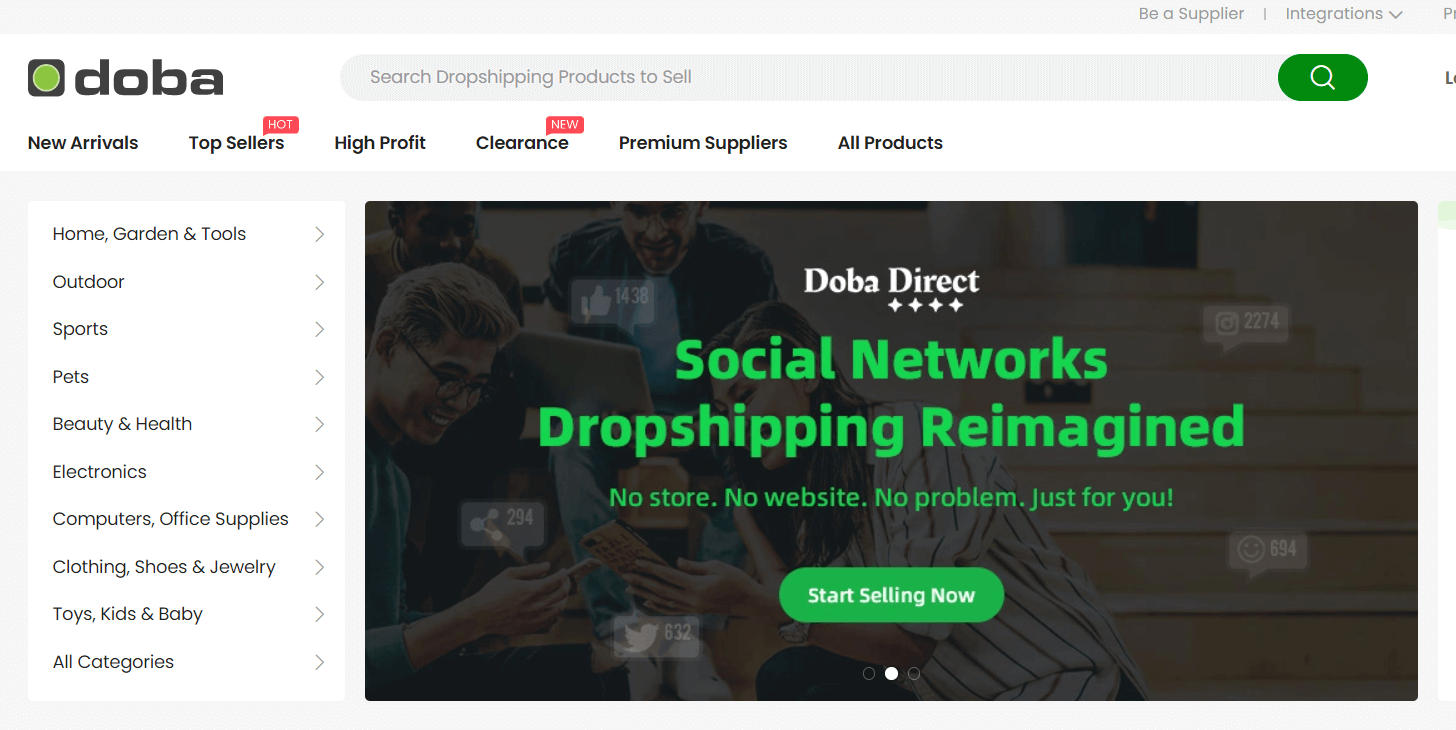
Doba suits stores that want one marketplace for several product types. Its supplier page shows each featured supplier's fulfillment rate, processing time, US warehouse status, and main categories. Doba also says it scores suppliers on cancellations, refunds, and policy compliance.
Each Doba product can have different shipping and return terms, and doba says most premium suppliers support single-unit orders. It also lists the current product rules on each page, and confirm the chosen listing. Then buy one unit as your sample. Use Doba when product range matters most.
Allocate the paid plan fee across your expected test orders. Reject the route if that cost breaks the limit you set in stage one. Supplier-by-supplier return checks also take time.
Keep a second source for the exact SKU. One removed listing could otherwise stop sales.
2. Spocket
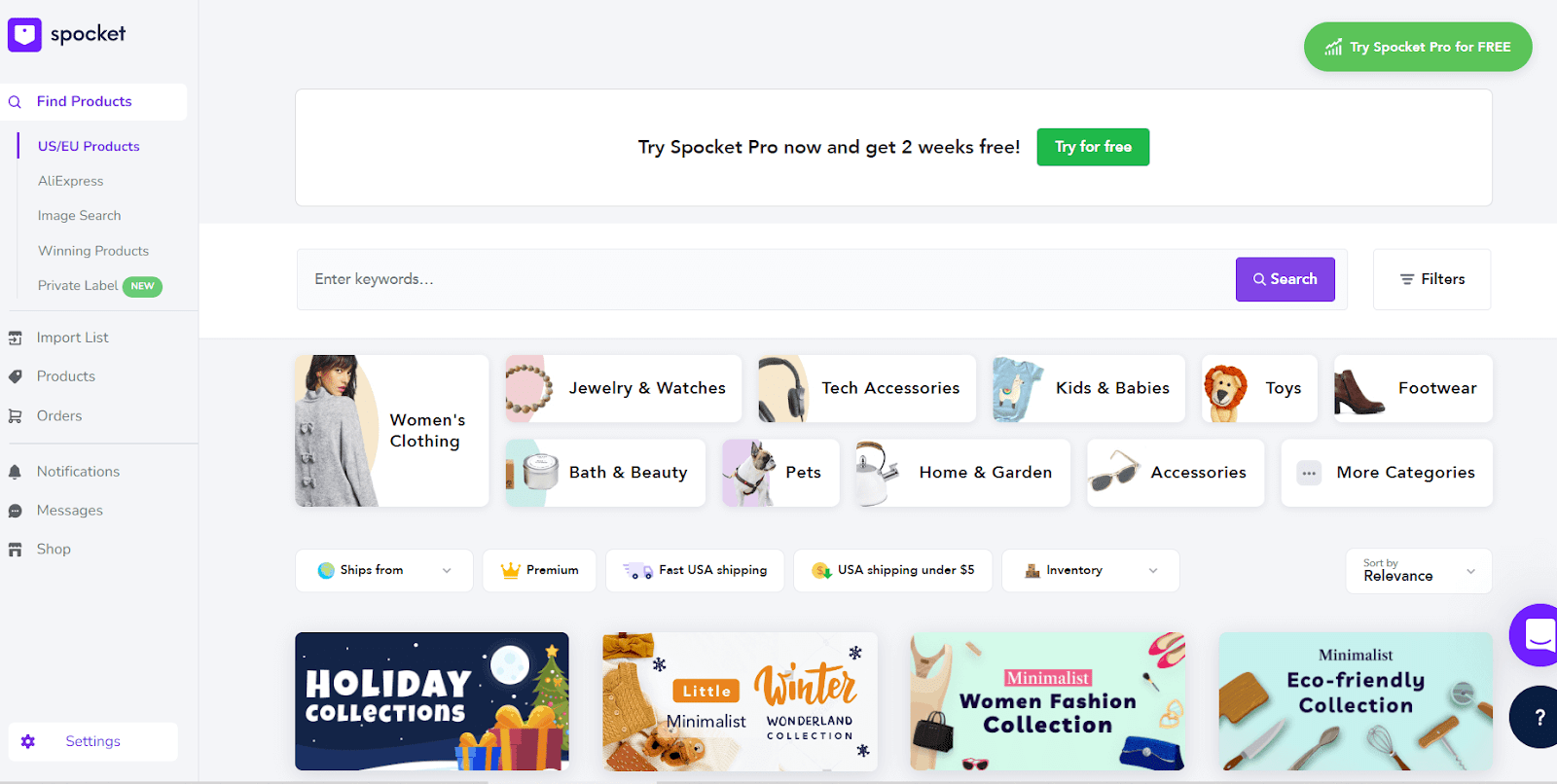
Spocket suits stores that want supplier search and store sync in one tool. Its supplier rules cover plain packaging, tracking, processing, and support. A ship-from filter can narrow the search.
Spocket requires a base set of supplier practices. Each seller can still set different product, processing, return, and branding terms. Check those fields on the listing.
Spocket also uses paid plans. Add that fee to your test cost. Use Spocket for a linked catalog test after you verify the product and destination. Choose another route if you need one return policy across the catalog.
Divide the plan fee by your expected orders. Reject the plan if the result leaves too little margin. Save the supplier's direct support path before launch.
3. AppScenic
AppScenic suits stores that value linked order and catalog tasks. Its automation page covers orders, stock, prices, and tracking. After a supplier passes, AppScenic can update those records for the store.
Verify the supplier and true ship-from point before using the automation. Record the processing time, carrier, package, and return details too.
AppScenic's terms make supplier rules important. Each supplier can set different shipping and return terms.
Measure how much time its order forwarding, stock updates, price updates, and tracking sync save. Compare that time with the plan cost. Choose a different route if you need one direct factory or one return rule.
Save the exact listing terms before launch. Ask what happens when a stock or price sync fails.
Treat the software layer and the supplier route as two separate checks. Automation can carry stock, price, order, and tracking data, but the selected seller still has to prove origin, packing, delivery, returns, and support for the exact product.
4. Modalyst
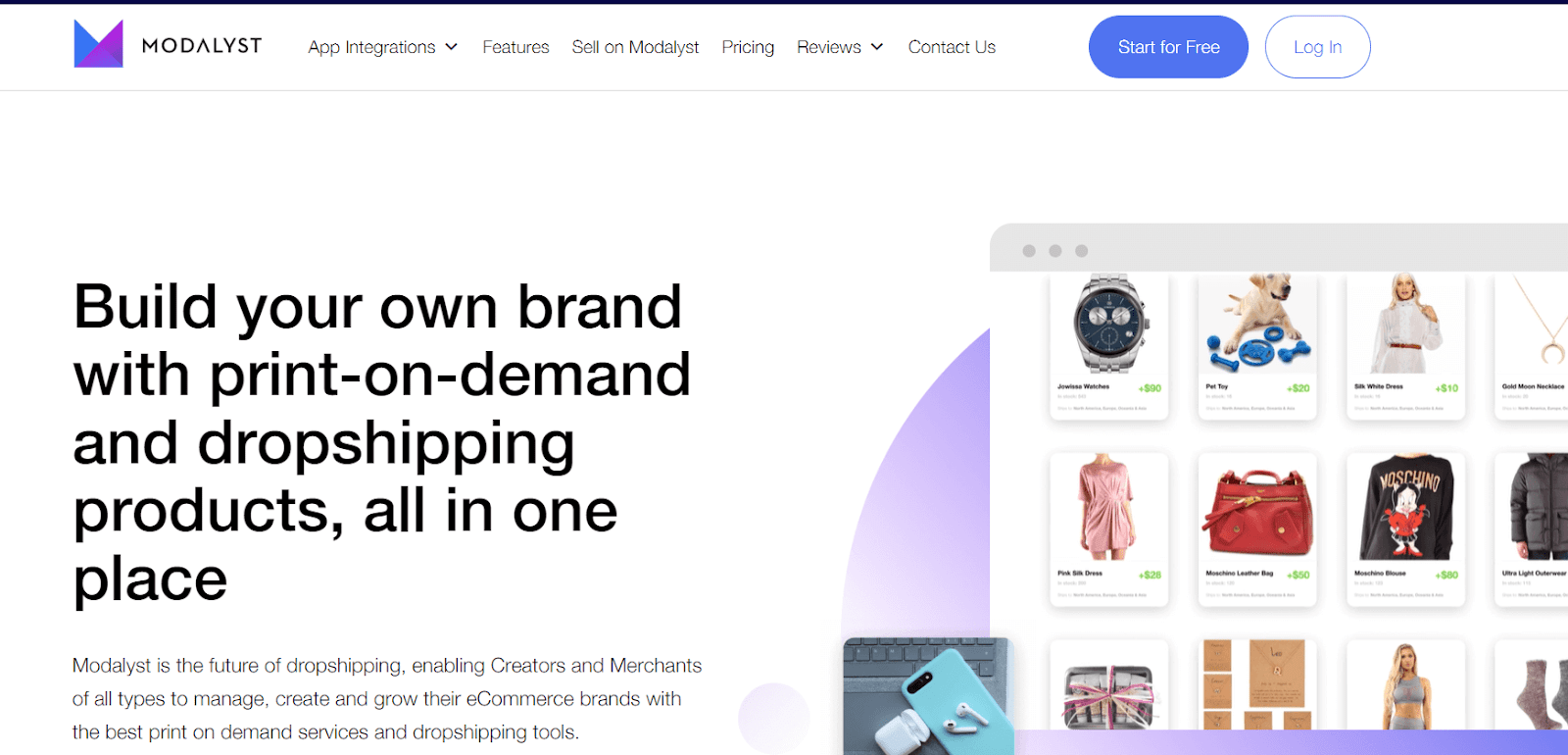
Modalyst suits Shopify or Wix stores that want a linked product catalog. It includes marketplace and print-on-demand goods. Its shipping guide says product cards can show origin and shipping details. They can also show an expected arrival.
The supplier sets much of the shipping offer, and Modalyst's supplier guide confirms that fact. Check the exact origin and destination, then record the rate and delivery range instead of using one platform-wide number. Test Modalyst when its store link fits your channel, but choose another route when you need one set of return rules. Order the same product option you'll sell.
Use the same destination too. Keep the supplier's written policy beside your listing.
5. Printful
Printful suits custom-product stores that want one print-on-demand workflow. It links product setup, store sync, and fulfillment. Printful says there's no order minimum. Its POD page gives a common fulfillment time of 2 to 5 business days.
Total delivery time combines fulfillment with transit. Printful's shipping page gives the transit estimate by product and destination.
Returns may go to the related facility. Printful's return guide also covers using your own US return address.
Printful is strongest when custom goods drive the offer. It's a poor fit for a basic resale store. Sample the product, print, package, and route. Test a backup before one missing option forces a redesign.
Keep the approved blank, print method, facility route, package, and destination together in the test record. Changing any one of them can change the product or delivery result, so one sample doesn't approve every Printful configuration.
6. Printify
Printify suits POD stores that want a choice of print providers. Its provider guide covers location, price, shipping, and scores. Providers can also differ in print areas and package inserts.
The chosen provider is what you must test. One good sample only supports that provider. Printify Choice can select a provider for an order. Its Choice guide says the provider's name stays hidden.
I'd exclude Printify Choice when the same tested provider must fulfill every order. Use Printify when choice matters more than one producer, and avoid it if every order needs the same factory. Package and return needs may also rule it out.
Test the chosen provider. Keep a tested second source for your core option.
Record the provider instead of approving the marketplace as a whole. Product quality, print areas, packaging, shipping, and returns can vary by route, and a provider substitution needs a fresh check before the buyer promise stays the same.
7. Tasha Apparel
Tasha Apparel suits US women's fashion shops that want a Los Angeles route. Its dropship program has no product MOQ. You must apply and provide business papers.
Tasha's women's-fashion focus makes it a poor match for a broad general store. A wholesale sale banner may not state dropship terms.
Check the exact option and stock. Read the current shipping policy.
The return page needs its own check. Match it to the policy you show buyers, and use Tasha Apparel when fashion is the store.
Skip it for private-label work or a broad catalog. Pick a backup style before launch.
Tasha says the program ships daily from Los Angeles. Its application asks for a seller's permit or business license.
8. GreenDropShip
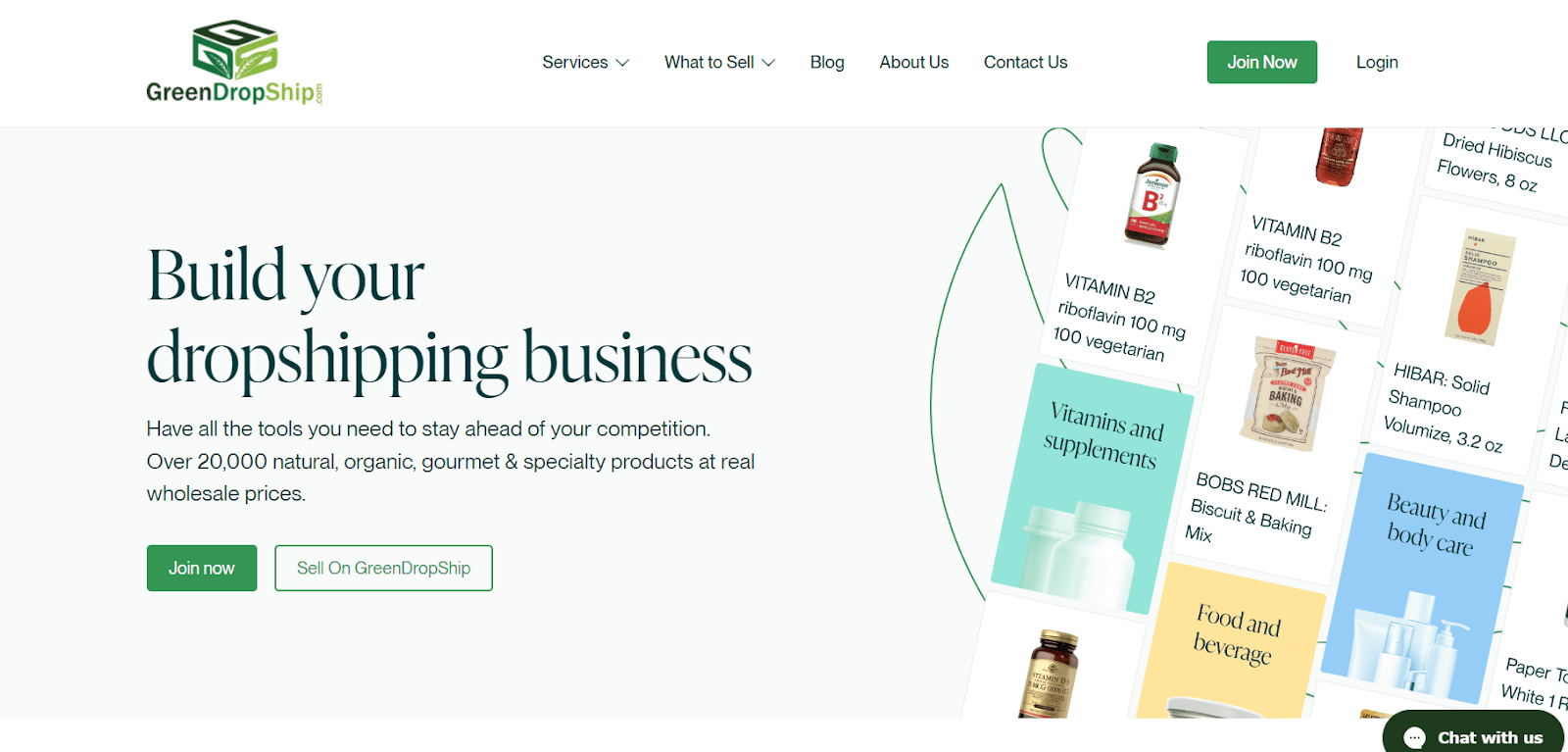
GreenDropShip suits stores focused on natural, grocery, beauty, and wellness goods. Its company page names US warehouse sites. The service also says it has no MOQ.
These goods need more care than a basic catalog. Record weight, shelf life, storage, and destination limits. For damage claims, save the evidence needed, return address, and refund owner. The current membership page lists annual access at $150, and shipping varies by order weight and route.
GreenDropShip works best for a focused niche and poorly for a general store, so check the exact product on its shipping page.
Read the return policy as a separate step. Then price a backup. Don't rely on one stocked site.
9. FragranceX
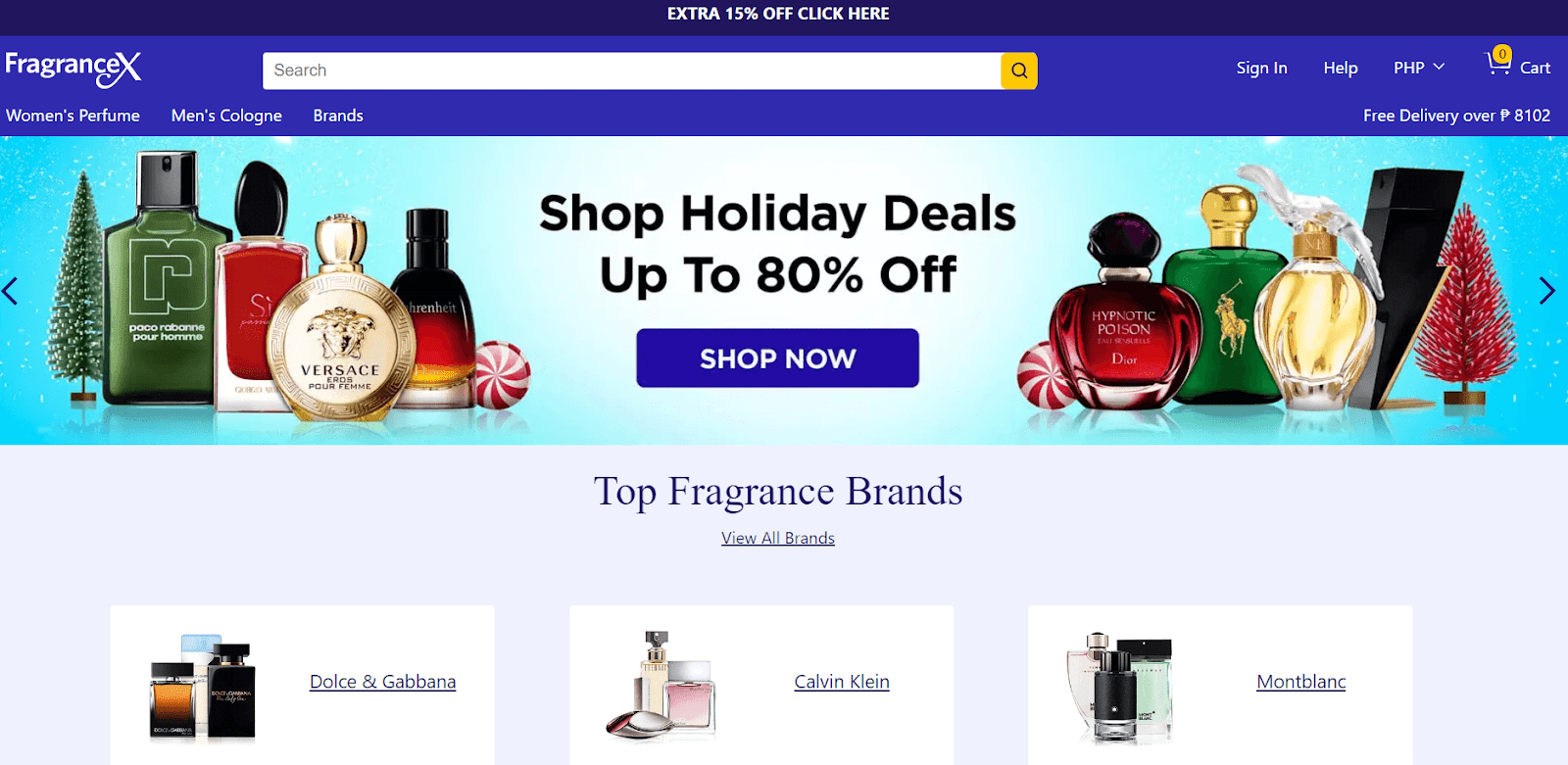
FragranceX suits fragrance stores that want a direct, unbranded dropship program. Its dropship page lists zero minimum orders. It also lists dropship shipping from $5.95
The fragrance-only catalog limits this route to a focused store, and branded fragrance also needs close checks. Review the item, pack, destination, returns, and account terms, and the wholesale program is a separate offer.
Choose FragranceX when fragrance is a core line, but avoid it if you need custom branding or broad stock. Sample the same program and route you'll use, then record the outer pack, tracking, delivery, and return steps.
10. HyperSKU
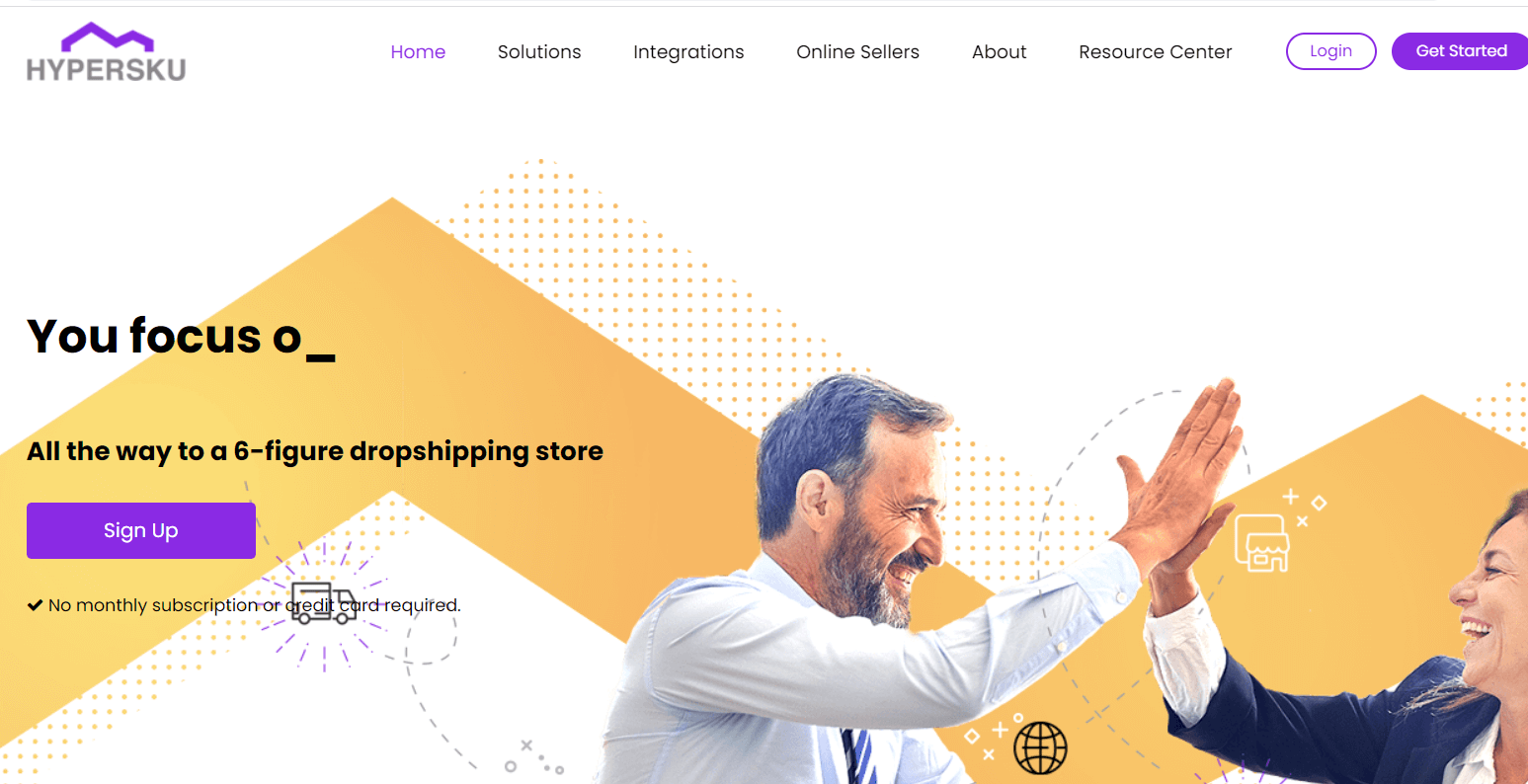
HyperSKU suits stores that want an agent-led sourcing workflow. Its start guide covers sourcing, samples, storage, fulfillment, and store links. Custom work may also be available.
Ask HyperSKU for a written SKU quote that confirms US stock for your item. It should name the origin, warehouse, process time, and shipping line, and add branding, price, and aftersales terms. HyperSKU's aftersales policy varies by the order and route, and use HyperSKU when agent help is worth the quote process.
Choose another route when you need instant public terms, and confirm the lane in writing. Order a sample, then keep another fulfillment plan before promising US delivery.
Choose two or three routes that match the product type, prove the US lane, show complete cost, state the return path, and allow a sample.
Prove the US stock point, parcel, and return path
The US Supplier Check turns a broad supplier name into a four-stage, SKU-specific sourcing decision. Run the checks in this order,
- Define the operating requirement.
- Verify the current official claim.
- Compare a sample and written terms.
- Test one live order and re-check.
Each stage removes weak candidates before you spend more money.
Fix the SKU, US postcode, and delivery promise
Write the product, variation, monthly test volume, US destination, maximum delivered cost, required delivery window, package requirement, return path, and integration before contacting suppliers. This prevents an attractive catalog from changing the problem halfway through your search. Use our guide to find dropshipping suppliers if you don't yet have candidates.
If you do, apply our supplier selection checklist to the same requirement. Give each route the same standards.
Verify US stock, processing, and carrier terms
Record the official URL, business identity, exact SKU, fulfillment origin, destination, processing estimate, transit estimate, costs, MOQ, return terms, support route, and unresolved questions. A platform badge or marketplace category can help you search, but it can't replace supplier-level evidence.
Ask the supplier to confirm anything the public page leaves unclear. Save that answer beside the official-page record. If the platform contains multiple suppliers or providers, name the actual party fulfilling the item.
Match the delivered sample to the written US terms
Order the same variation through the same origin-to-destination lane you plan to sell, then compare the parcel with the written terms. Check product accuracy, visible defects, packaging, inserts, tracking movement, processing, delivery, and the return instructions a buyer would receive.
In this review, I treated every public claim as a lead until an official page supported it. Use the same rule for supplier replies.
A sample can expose a weak package or slow handoff before support absorbs the cost. One good parcel still doesn't prove every future order.
Run one US order through the store
Place one controlled live order only after the sample passes, then re-check the listing, inventory, price, route, and policy before increasing volume. Keep the evidence date because supplier terms and warehouses can change without preserving your earlier assumptions.
Set a recurring re-check based on the risk. A core product with one source needs closer attention than a replaceable accessory with two tested suppliers.
Choose a marketplace, POD network, specialist, or agent
Use a marketplace for catalog breadth, print-on-demand for custom goods, a specialist for one domestic category, or an agent for sourcing and route control. Pick the model before comparing prices.
Use the nearest alternative when the shortlist doesn't match the job:
Use our Alibaba dropshipping workflow when you need a direct marketplace route.
For a broader catalog, review our dropshipping supplier options. Keep this page's US test intact because the exact product lane matters more than a platform's marketing.
Price US delivery, platform fees, and returns
Add the product, plan fee per order, shipping, return cost, and failure reserve before setting the maximum ad cost. The full path must also fit the delivery promise shown to the buyer.
Build the comparison from the same SKU, quantity, and destination:
Reject a supplier with a weak US lane
Reject a supplier when any required evidence field can't support the promise shown to the buyer. A low quote doesn't replace proof of fulfillment, delivery, and returns.
Use these stop rules before you list the product,
- The supplier won't identify the party fulfilling the order.
- The stated US location can't be tied to your exact SKU.
- The sample doesn't match the listing or written specification.
- Processing and transit are blended into one vague delivery claim.
- Return eligibility, address, or shipping responsibility stays unclear.
- Support doesn't answer a specific order question through a documented channel.
- The economics only work when failures, fees, or replacements are ignored.
- No backup can replace a core product within your acceptable delay.
I'd reject a low quote when the supplier won't name the return address before launch. If one supplier fails these checks, reject that supplier for this SKU. Judge other marketplace sellers on their own evidence.
FAQ
The practical questions below cover re-check timing, US warehouses, and samples without repeating the comparison above.
When should I retest a US supplier route?
Re-check before every material scale-up and whenever the listing, price, stock, warehouse, shipping service, or policy changes. For a core product, record a review date and keep the evidence beside your backup plan. One stable order only proves the route worked once.
Does a US warehouse always mean fast shipping?
A US warehouse can shorten the warehouse-to-buyer leg, but the exact SKU, processing time, carrier, destination, and exceptions still set total delivery time. Confirm the origin and full delivery estimate for the product and ZIP code.
Can I choose a supplier without ordering a sample?
You can create a research shortlist without a sample, but wait for a passing sample before making product or delivery promises that depend on it. If sampling isn't available, reject the route for any promise that needs sample proof.


