

Best Things to Sell on eBay for Profit
A six-part product-screening process helps eBay sellers validate demand, fees, fulfillment, risks, and item-level profitability before listing.
The best things to sell on eBay for profit have recent sold-listing evidence and leave money after every order cost. Your source, fees, delivery promise, and return exposure decide whether a candidate can work.
I've seen promising ideas fail when a real order tested the supplier and return path. This guide gives you 12 candidates and one decision record in eBay Seller Hub. Test each exact variation in one buyer market before you list it.
Key takeaways
What makes an eBay item profitable?
An eBay item is profitable when likely proceeds exceed every variable cost for that exact sale. The sold price is only your first input. Your category and seller setup change what you keep. So do the source, package, buyer location, and return terms.
eBay says its final value fee depends on the category. It also includes a per-order charge. Pull the rate for your exact category from eBay's selling-fee schedule when you build the record.
For one exact variation, record these inputs,
- Use comparable completed listings for the sold-price range.
- Enter the platform fee shown for your category and account.
- Add the supplier's current item and handling quote.
- Price postage, packaging, and any paid tracking.
- Set aside the return reserve your order pattern supports.
- Include any promotion, conversion, or payment costs that apply.
Subtract those costs from the proceeds you expect to keep:
All-in contribution = likely proceeds - platform cost - source cost - delivery cost - return reserve - other variable costs
The result helps you judge the item without promising a margin. It also shows you which assumptions still need proof.
I wouldn't source a product when one material input is blank. Missing costs tend to appear after the buyer has already paid. At that point, you have less room to fix the order.
Keep the sold range and each cost in separate fields. A single margin estimate hides which input changed. Separate fields show whether the fee, source quote, shipping, or return reserve caused the difference. They also speed up your next review.
12 products to validate on eBay
These twelve products are starting candidates, and each needs its own demand, cost, fulfillment, and risk check. Each one addresses a specific use, but current evidence must qualify it for your market and model.
Work through this shortlist in order,
- Personalized pet ID tags: Check order details and supplier handoff before accepting custom text from buyers.
- Resistance band sets: Compare set contents, materials, label accuracy, and return risk in the sample.
- Distinct-design T-shirts: Prove design rights, sizing, and production quality for each listed color variation.
- Manual kitchen slicers: Check blade safety, packing, and product quality with a delivered sample first.
- LED camping lanterns: Match power details, season, buyer use, and transit behavior for your market.
- Decorative metal signs: Use art you own or license and show exact size and packed dimensions.
- Scented wax melts: Check labeling, heat exposure, and breakage through your target route before launch.
- Compatible phone cases: Validate exact model fit and design rights before adding colors.
- Portable tire inflators: Check power, warranty, safety, and returns for one exact model.
- Electric grooming trimmers: Check hygiene seals, power details, and returns before writing claims.
- Grow-light accessories: Check power details and support every claim with maker records.
- Organizer inserts: Prove dimensions, materials, and vehicle or space fit with one installed sample.
Compare one exact variation with nearby eBay product categories before starting the first record for your target market below.
1. Personalized pet ID tags
Personalized pet ID tags fit sellers who can pass accurate order details to a supplier. Size, material, color, shape, and engraving narrow the buyer's search. However, every choice creates another chance to send the wrong tag.
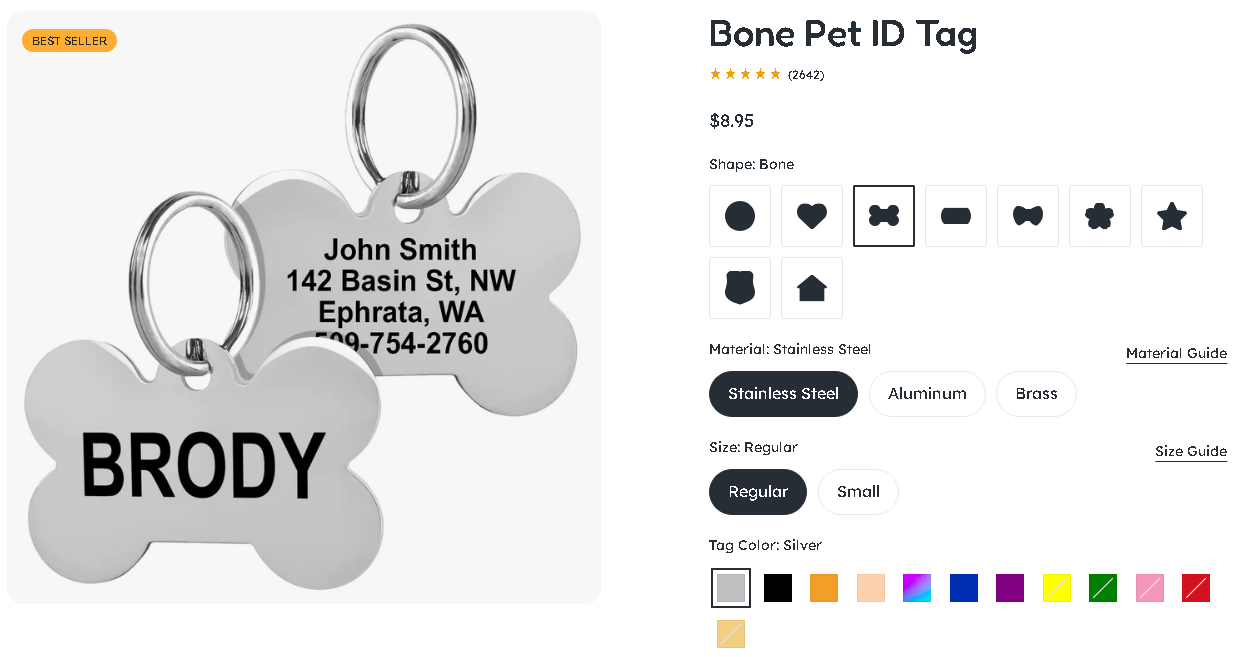
Start with completed listings for the material and customization type you plan to offer. Separate engraved tags from printed or slide-on tags. Their costs and buyer expectations differ. Record the sold-price range, shipping charge, seller count, and sale frequency for your chosen period.
Buyer intent changes by tag type. A basic name-and-phone tag competes on speed and legibility. A shaped or illustrated tag also competes on style.
Check what buyers can enter, how many characters fit, and whether both sides can be marked. Your source must turn each choice into the right production file.
Pet ID tags are a poor fit when your source offers no pre-production proof or structured order data. A spelling error leads to a remake and another shipment. Confirm the proof step, correction window, dispatch time, package, and remake terms before testing.
Run one sample order with awkward but valid text. You'll see whether the supplier catches line breaks and long names before cutting the tag. The sample also shows the buyer's tracking and packaging. Keep the listing narrow until the evidence supports more sizes, materials, or shapes.
Name the failed buyer field in the record when a sample needs correction. Keep that correction beside the supplier's reply and sample date.
2. Resistance band sets
Resistance band sets suit sellers who can document every piece and the material used for resistance. Buyers get a compact package for several exercises, but its name says little about quality or contents.
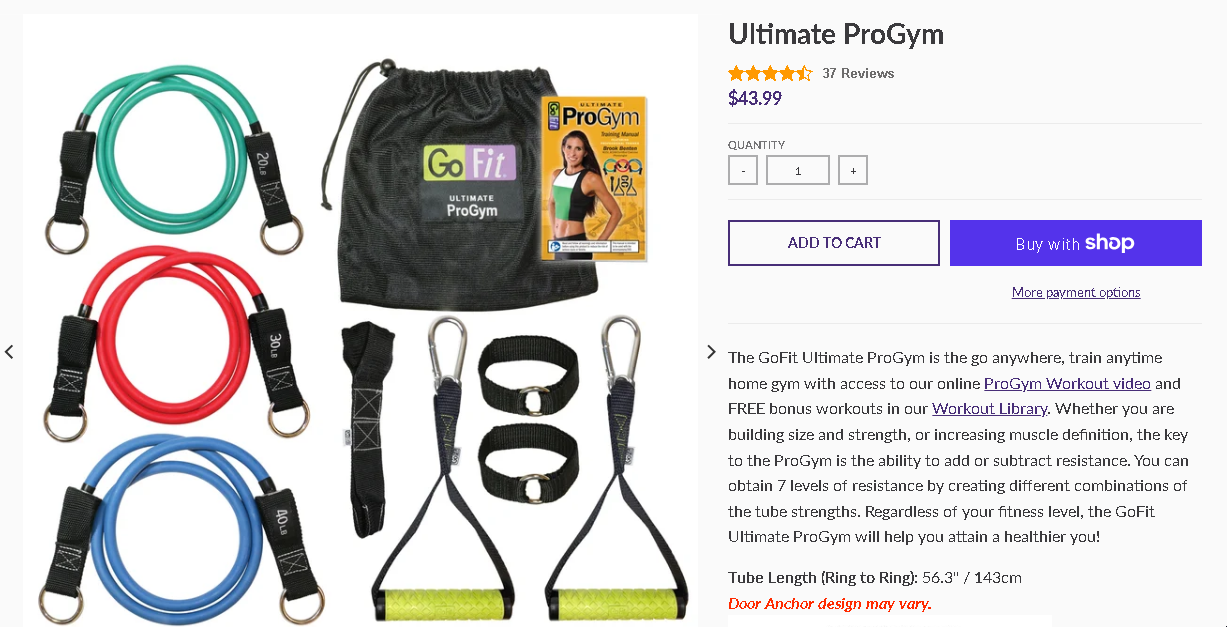
Search completed listings with the same band count, handle type, anchors, accessories, and resistance labels. A five-piece loop pack serves a different use from a tube set with handles. Blending them will distort price and demand. Match the evidence to the set you can source.
Buyers need to know what each piece does and what they'll find in the bag. Confirm whether the resistance figure applies to one band or several used together. Check the length, width, material, connector, door anchor, and storage bag. Those details define the set you match to sold listings.
Shoppers can compare similar-looking sets side by side, so this market gets crowded. A band, clip, or seam that misses the listing can cause a quality complaint. Ask for product specs and a sample. Check the packaging, warnings, replacement terms, and return address before listing.
Use the sample to test attachment points and compare each label with the supplier's page. Photograph the full set so buyers can count the parts. One missing handle or bad label can cause an item-not-as-described return.
Store that layout photo with your source record, then compare it after any supplier update. Retest the weakest connector because one failed part can make the set unusable.
3. Plain T-shirts with a distinct design
A plain T-shirt becomes a stronger candidate when buyers want its original design. This route works best with print-on-demand or a garment supplier. You need measured size charts and print quality.

Validate completed sales for the design theme and garment type. Build the comparison set from shirts with the same fit, fabric, size range, print method, and color. Use heavyweight unisex sales only for a matching blank.
Start your search terms with the design that interests the buyer. Then add the garment details that affect the order, and compare sold listings with original work in a similar style.
Remove branded characters, logos, copied slogans, and listings with unclear rights. Build demand evidence from designs you can lawfully sell. Generic blank-shirt price competition is a poor fit, and size returns can erase the money left on several good orders.
Copied art or protected phrases also put the listing at risk. Keep the source file and license record for each design. Order samples in the main sizes and use garment measurements.
You need a sample to check print placement and color. A centered mockup may sit too high on real fabric or lose detail.
Wash the sample and compare it with the listing photos. Confirm how the producer handles a print flaw, then list only the sizes and colors you've checked. Save the washed sample photos so you can spot later print or fabric changes. Treat each blank, fabric, and print method as a separate source version.
4. Manual kitchen slicers
Manual kitchen slicers fit sellers who verify the blade, guard, materials, packaging, and cleaning instructions. The product handles a food-prep task, so photos can show buyers how it works. Maker documents and a sample must support its quality and safety claims.
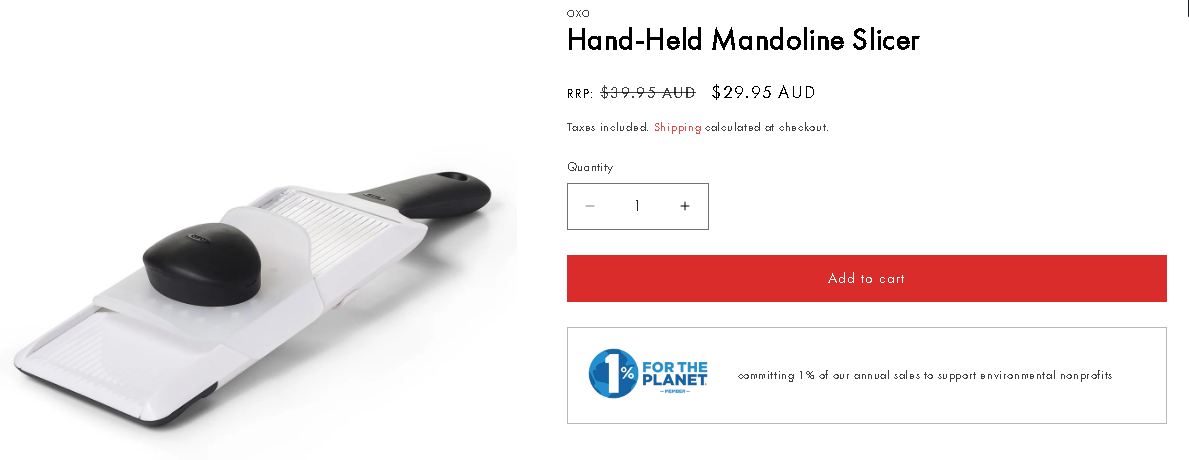
Compare completed listings for the same cutting style and included parts. A peeler, mandoline, and multi-blade chopper shouldn't share one evidence set. Read returns and buyer feedback for broken parts or dull blades. Unstable grips and missing guards also reveal costs that sold counts miss.
Start your comparison with the food and cut the tool should handle. Record the blade count, adjustment method, guard, container, and cleaning tool.
Keep a dishwasher claim only when the maker documents it. Check whether the tool arrives assembled and how the package protects the blade. These details set buyer expectations and delivery risk.
Suppliers without material details or protective packaging are a poor fit. A failure around a sharp part can cause harm and returns.
Delivery damage adds another cost. Get a sample from your source and check each locking part, and make sure the delivered package matches the photos before testing demand. Photograph the blade guard and inner pack so you can check future orders against them.
Use your sample on the foods named in the instructions. Check for slips, flex, hard cleaning, and exposed edges in storage. State only the safety and performance facts the maker supports. Reject a source that omits the guard, manual, or protective pack.
5. LED camping lanterns
LED camping lanterns suit sellers who state the power source, brightness, weather limits, size, and included parts. Buyers use lanterns for camping, emergency kits, sheds, and dark settings. Each use gives you a search angle and sets expectations.
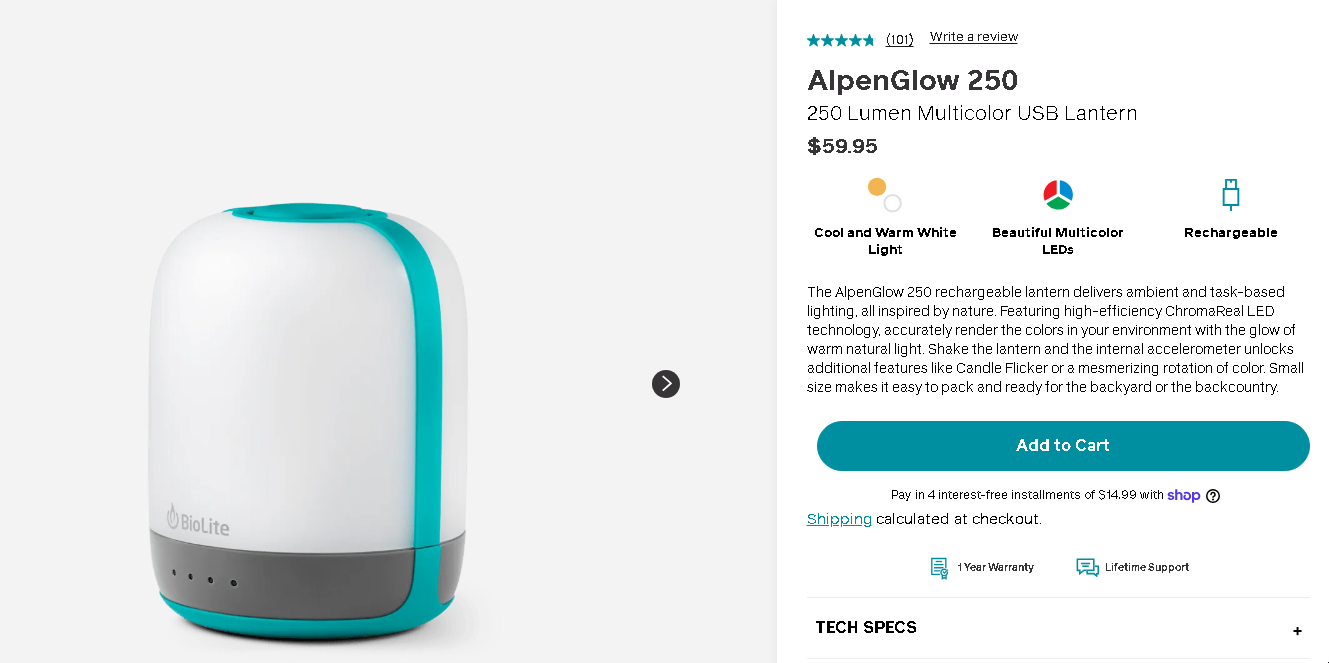
Start with a battery-free listing. Include bundled batteries only when the source and delivery route support them. Compare sales with the same power input, size, design, and weather protection. Review more than one period, so one seasonal spike doesn't decide the case.
The buyer's use determines which specs matter. A tent light needs a different shape and control from a fixed shed light.
Record the light modes, power input, battery compartment, mounting points, size, weight, and accessories. Require maker documents for waterproof or emergency-ready claims.
This product is a poor fit when the supplier can't support its brightness, runtime, or weather statements. Buyers may get a light that misses the listing promise. Check the manual, package contents, electrical marks, replacement terms, and season data for that model.
Test the controls in the dark and watch how the lamp acts as power drops. Inspect the hook, stand, seals, and battery cover.
Then pack the sample as the supplier would and check whether its switches can turn on in transit. High demand won't make up for a model that arrives damaged or drained. Repeat the transit check whenever the source changes the box, insert, cable, or battery cover. Save the season beside the power and transit results.
6. Unbranded decorative metal signs
Unbranded decorative metal signs suit sellers with art they own or license and exact product details. These flat, unpowered products can cover many decorative themes. That range only helps when you control the rights.
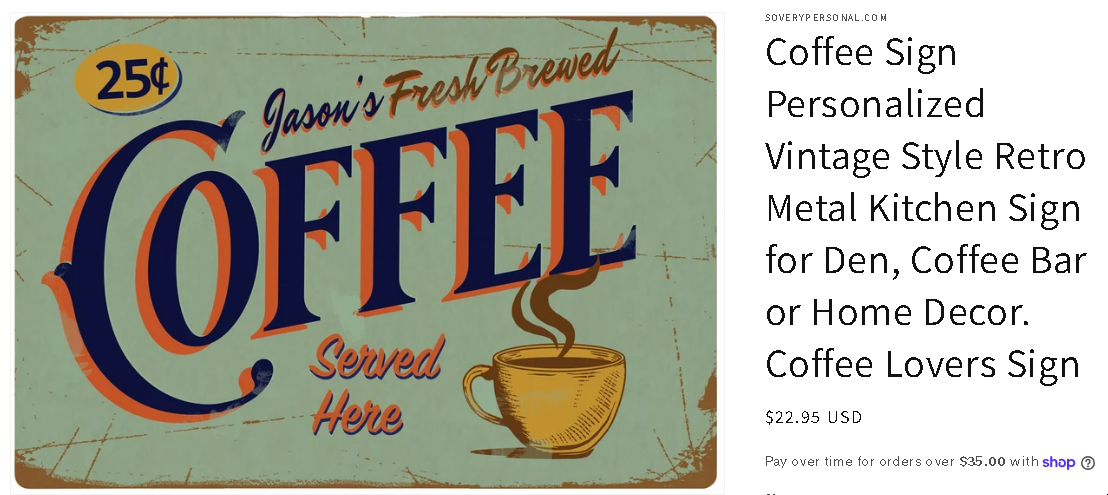
Use sold listings for the exact theme, size, shape, and finish. A small novelty sign and large outdoor plaque won't share shipping costs. Buyer expectations also differ. Exclude sales that rely on protected logos, character art, slogans, or copied brand designs.
Theme demand can be narrow, so record the buyer and setting behind each sale. A garage sign, house-number plaque, and kitchen print solve different jobs. Note the mounting holes, edge finish, print method, use claim, and personalization. Those details keep unrelated decor out of your comparison.
Decorative signs are a poor fit when you copy an image or can't prove the license. Rights complaints are the main drawback, while bent corners and poor size photos can also cause returns. Save the design record and measure the packed item. Test the mailer and show a clear size reference.
Order the thinnest and largest version you plan to offer. That sample shows the bend risk and packing need.
Check the corners after delivery and test the mounting holes with common hardware. If the mailer needs a stiff insert, add its cost and weight before judging the item. Keep its packed size in the record because a larger variation may need a different mailer. Store the license term or ownership record with the art file.
7. Scented wax melts
Scented wax melts fit sellers with a documented source, clear labels, tested packaging, and a workable return path. They give buyers home fragrance without a glass candle jar. A scent may bring someone back, but personal taste makes satisfaction harder to predict.

Compare completed listings by wax type, pack weight, scent family, shape, and piece count. Keep melts separate from candles, oils, and warmers because those products have different costs and buying reasons. Review the source documents for ingredients, warnings, storage directions, and product claims.
Scent names can hide different offers. A familiar fragrance competes on price and trust, while a sample pack competes on choice. Record the net weight, portion count, container, storage, and scent-selection method. When buyers choose a fragrance, confirm the supplier follows that choice on each order.
Cross-border sellers without shipping and label records are a poor fit because heat can soften the product. Packaging may trap scent or leak, and buyers may dislike the fragrance.
Test the packed product through the expected heat and delivery time. Confirm the source can replace damage and keep labels consistent.
Open a delivered sample and check whether its label and seal survived the route. Then weigh the contents and photograph how the pieces arrive.
Ask what happens when a scent is out of stock because a silent swap can cause a return. Record the season and route so a cool-weather result doesn't stand in for summer delivery.
8. Compatible phone cases
Compatible phone cases suit sellers who prove device fit and own or license their designs. Buyers search by device, but frequent model changes force listing updates. One wrong camera cutout can trigger a return.

Filter completed sales by phone model, case style, material, protection level, and design type. Compare flexible and wallet cases separately, even when they fit the same phone.
Confirm the source's model code with a sample. Photograph every opening, button cover, and camera edge.
Model names need care because one phone family may have several sizes or camera layouts. Record the model number or year buyers use to choose. Check whether the listing covers one device or a controlled set. Add a fit guide that shows buyers where to find their model.
Vague fit is a poor choice. Returns, copied designs, and old stock are the main drawbacks. Limit the first test to models your supplier can identify. Save the artwork rights record, then tie the listing title and item specifics to one exact fit.
Use one physical sample for each model and photograph that exact fit. Install it and test the buttons, ports, camera edge, charging access, and screen lip. If your source changes the mold, repeat the check.
Remove variations when the supplier can't prove the same fit. Write the model code beside your listing variation so updates don't get mixed. Check that code again before adding a color or design.
9. Portable tire inflators
Portable tire inflators fit sellers who document power, pressure limits, adapters, duty cycle, warranty, and domestic returns. Buyers use them for urgent vehicle problems. However, the broad product name hides large differences in power source and tire size.
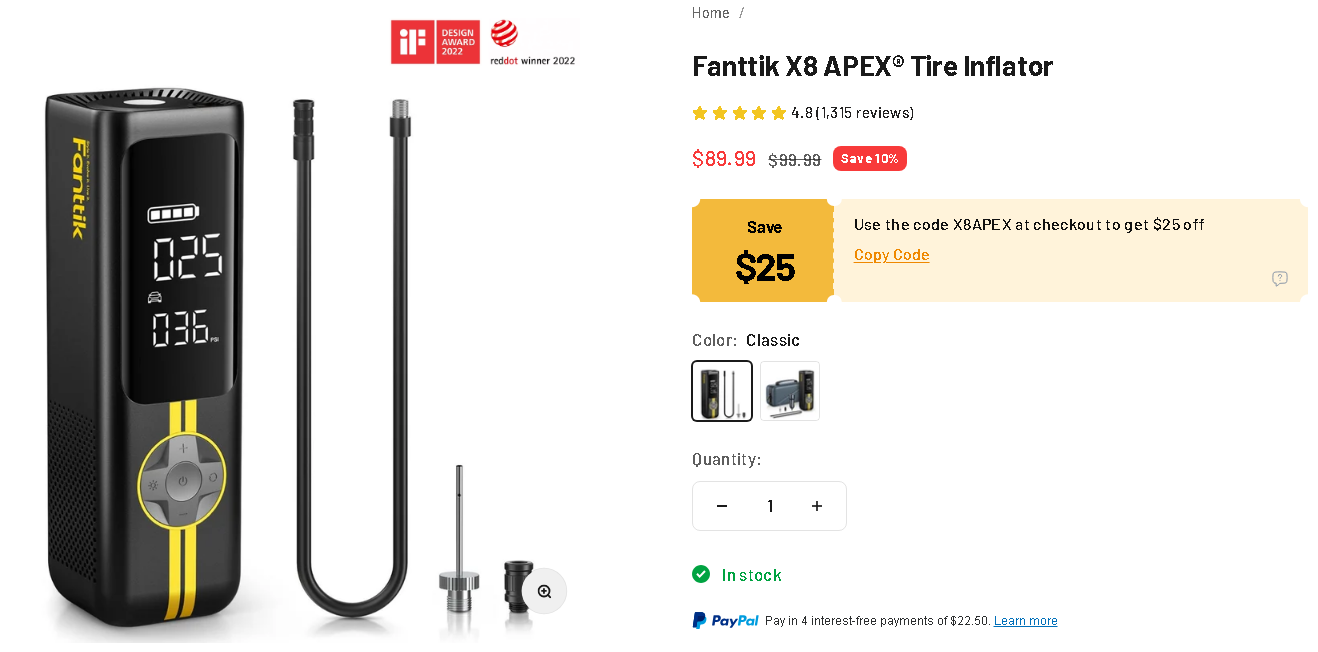
Compare sold listings for the same plug, pressure range, gauge, hose length, and included parts. Keep corded inflators separate from rechargeable models. The battery, delivery route, and return risk all change, and match each vehicle-fit statement to the maker's documents.
The intended vehicle narrows your comparison. Use sales for the same tire class and maker-supported use. List the power plug, cable length, hose fittings, display, shutoff, case, and limits. Buyers use these facts to search and judge the listing.
Sources without electrical proof are a poor fit. Heat, noise, slow inflation, and unsupported vehicle claims can cause returns or safety complaints.
Order the exact model and check its manual and marks. Test the connectors and shutoff, then confirm who handles a faulty unit before listing. Run the sample within the maker's stated use and compare the gauge with a separate reading.
Check the hose and plug after use. Confirm that every pictured adapter arrives. Add overseas return postage or an unclear warranty contact to your decision record.
Keep the manual version with the sample record so changed limits don't go unnoticed. Note the test date and power source too. Those fields help you spot a later model change. A new manual revision should trigger another limits check.
10. Electric grooming trimmers
Electric grooming trimmers suit sellers who provide sealed packaging, exact power details, cleaning guidance, and clear hygiene returns. Buyers may search by grooming area, blade type, attachments, or travel use. Those details tell them more than the broad word trimmer.

Review completed listings for the same use, power method, blade material, attachments, and washable parts. A nose trimmer, beard trimmer, and body groomer shouldn't share one record. Check that the package and manual support every feature you plan to state.
Power and cleaning details shape the buyer's choice. Record whether the unit uses cells, a cable, or a built-in battery. Note the connector, charging limits, blade removal method, brush, guards, and storage. Don't call the unit washable when only its removable head can touch water.
This candidate is a poor fit when opened returns can't be handled safely. Hygiene concerns, weak motors, dull blades, and unclear charging are the main drawbacks. Test a sealed sample and record what arrives. Set the return path before writing the listing.
The package seal must separate unused stock from an opened return. Ask whether a faulty sealed unit can go to a local return point. Test every attachment and compare the manual with your listing. If the connector or blade changes, pause the variation and check again.
Record the seal type in your return process so staff can apply the same hygiene check. Keep opened returns apart from sellable stock until that check is complete.
11. Non-invasive grow-light accessories
Grow-light accessories fit sellers who can support each electrical detail and avoid guaranteed plant claims. Timers, hangers, stands, reflectors, and mounts help growers. Powered accessories still need an exact product check.
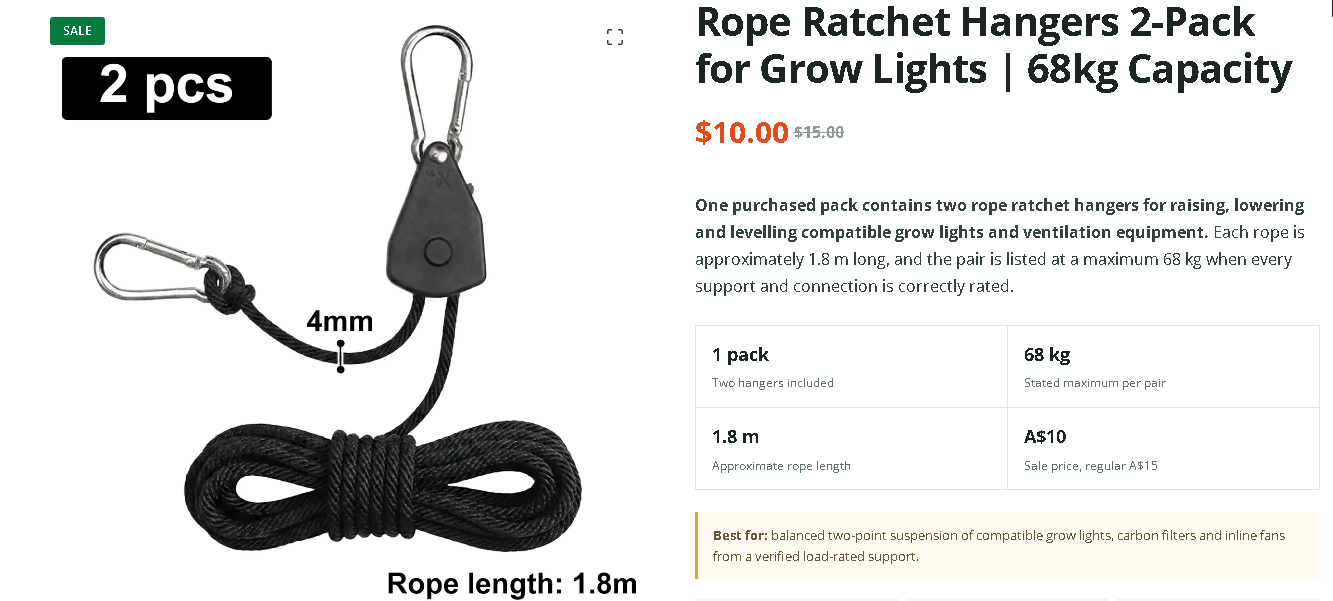
Search completed listings by accessory type, fit, size, power input, timer range, or mounting method. Use sales for the same hanger, controller, or other accessory type. Review more than one season because indoor growing needs may change during the year.
Define the accessory's job before comparing it. A pulley adjusts height, a stand holds the light, and a timer controls power. Each one has different fit points and failure costs. Record cable load, clamp range, plug type, timer settings, material, size, and stated support.
Sources without technical documents are a poor fit. Wrong fit, heat, poor electrical quality, and unsupported promises are the drawbacks.
Read the manual and marks while you check fit with the named light or setup. Make plant-growth claims only when the source gives proof.
Fit the sample to the setup shown in your listing. Check whether the stand tips or the clamp marks a surface. See if the timer loses its settings.
State the source-backed specifications and make a yield claim only when the source supplies proof. For mains power, require maker documents for the plug, input, load, and timer limits.
Save the supported fit range beside the listing so buyers see the same limits you tested. If the maker widens that range, test the new edge before changing your listing.
12. Organizer inserts for home or car use
Organizer inserts suit sellers who can give exact dimensions, materials, load limits, and compatibility details. They solve a storage problem without a powered part.

You can sell one for a drawer, console, trunk, shelf, or seat gap. However, each use needs its own record.
Compare completed listings for the same location, size, material, attachment method, and compartment count. A universal car insert may block a control or leave an unsafe gap. A drawer tray can fail when buyers measure the outside instead of the usable space.
Use-case photos should answer the buyer's first fit question. Show the product and key measurements without hiding gaps. Record whether the material bends, grips, resists water, carries weight, or needs adhesive. Each statement must come from the sample or maker's facts.
Listings without clear measurements are a poor fit. Fit returns and material expectations are the main drawbacks. Photos may make a thin insert look rigid, so measure each useful point on the sample. Show it in and out of place, and state what isn't included.
Test the largest item each pocket should hold. Check vehicle inserts against seat movement, belts, controls, and charging access. For home organizers, measure usable inside space after installation. Give each incompatible use its own listing and supported claim.
Keep one dated diagram with measurements so you can compare supplier changes. Use the same points in your listing and return review. That ties fit questions to facts buyers saw before ordering.
Validate a product before you source it
The eBay Listing Proof Record runs four checks before you list, test, defer, or reject a product. Each check answers a different question before you spend money or promise delivery.
Run the record in this order,
- Sold-listing evidence: Prove buyers purchased the comparable variation within a dated period.
- All-in profit: Calculate what remains after every variable cost for the exact route.
- Source and delivery: Match stock, dispatch, tracking, and returns to supplier proof.
- Policy and returns: Check the listing and route, then assign each failure path.
Complete the checks in order because each later decision depends on the earlier record.
1. Read sold listings and price ranges
Use completed sales for the exact variation to find its sold-price range and recent buyer activity. eBay says Product Research can search up to three years of sales and pricing data. The tool shows actual sold prices, including accepted Best Offers, along with price ranges and shipping costs.
Keep the four outcomes visible while you work through the record:
Start with a narrow query that names the product and its key feature. Add the model or material, size, and condition. Record the period, filters, sold count, price range, shipping range, sell-through measure, and seller count. Then open several sold listings and compare each one with your source item.
Save a small set of the closest sold listings with their sale dates. For each one, note why it belongs or why you excluded it. This stops a review from widening the range.
A branded sale, used item, bundle, or different size can distort your range. Your notes preserve that choice for later review.
Read weak results as closely as strong ones. Few sales may point to a poor title or high delivery charge. They can also show weak condition, a product mismatch, or a small buyer pool. Describe what you find until your source and costs pass the next checks.
If the comparable set is small or mixed, widen one filter at a time and label the result uncertain. Our eBay product research tools guide can help you choose a research path.
2. Run the all-in profit screen
Use price and cost inputs to judge the contribution from your exact variation and route. The sold-price range gives you a market input. The fee schedule and delivery quote give you order costs.
Choose a cautious point inside the sold range. Enter eBay's current category fee and your supplier's item and handling quote. Then add postage, packaging, return reserve, and any paid promotion. Save each source beside its input, so you can replace a changed value without rebuilding the record.
Run the calculation at more than one sold price when the range is wide. The lower case shows whether ordinary discounts remove the contribution.
The middle case gives you a planning point. Use the upper case only when your listing matches those sales.
Costs change with the route. A supplier may quote cheap delivery to one place and costly delivery to another. Packaging can also shift the parcel into a new size. Build a separate cost case for each market and delivery route you plan to serve.
I treat a missing fee, shipping quote, or return path as a defer decision. Every cost field needs a current source before the result can support a test.
Save a low, middle, and high result in the same record. You'll see how much room the item has before one cost removes its contribution. If only the high case works, the candidate needs stronger proof before a test. Record the currency beside quotes from a different supplier or buyer market.
3. Confirm source and delivery proof
Confirm your source can hold stock, dispatch on time, provide tracking, and receive returns for the exact product. Use item-level answers and a sample order to support the route you promise.
Ask for item cost, handling time, stock updates, carrier choices, and tracking timing. Get the package contents, ship-from location, and return address too. Send a sample order to the market you plan to serve. Compare its dispatch, scans, delivery, and packaging with the supplier's answers.
Keep screenshots or written replies that tie those answers to the exact item and route. Ask how often stock updates and what happens after an oversell. Check whether the package carries another store's invoice or marketing, and the buyer should receive the order you described.
Returns need the same detail. Record the return address and who approves the request. Note who pays each shipping leg and what proof the supplier needs. If the supplier covers defects alone, your policy and reserve must cover other returns.
The source fails when it can't support your delivery date or a workable return. Keep a backup-source note, but don't assume another supplier carries the same product, package, or timing.
Run a new sample when you switch sources. The second source may use a different pack, carrier, or return address even when its product photo looks identical. Use the prior route fields only as a checklist, then replace the proof and assign each delay, loss, or return.
4. Check policy, returns, and listing facts
Check the selling route, product restrictions, return terms, and listing facts before you publish. Start with eBay's policy for your model, then review the product and category.
Match the title, photos, condition, size, and compatibility to the delivered item. Do the same for material, parts, power, and ship-from facts. Our guide to item specifics and listing details shows where those facts belong.
Check product restrictions against the exact variation and destination. Use an item-specific source for a battery, ingredient, plant, branded design, or powered item. Save the current source page and your review date. The record stays incomplete when your supplier hasn't given you the needed facts.
Your return promise must match what you can carry out. Write down the window, condition rules, address, refund path, and owner for each failure. Compare those facts with the supplier's process. A clear listing still fails without a real return path.
Record who handles a wrong item, damage, late delivery, defect, buyer return, and supplier refusal. Defer any question that current documents can't answer. After the eBay evidence passes, Product Library can compare similar products and stores without replacing the eBay-specific checks.
Copy this compact record for each exact variation:
Save the final title, photos, item specifics, and completed record together. When a fact changes, rerun the checks that rely on it. Give each open question an owner and a date for review. Use the reason field to show what evidence would change a defer decision.
Match products to an allowed fulfillment model
eBay allows a wholesale supplier to fulfill orders, but bars retailer-to-buyer fulfillment after a sale. The seller still owns delivery and buyer satisfaction under eBay's dropshipping policy.
Use our eBay dropshipping rules guide to apply the policy to your sourcing workflow.
Check the source relationship first because your supplier controls what happens after a sale. A wholesale supplier should tie stock, handling, tracking, packaging, and returns to your item. Save that proof before listing. A retailer's public page gives you no control over stock or the parcel sent to your buyer.
Treat the route as named handoffs from supplier confirmation through dispatch, carrier updates, buyer delivery, and any return receipt. Your listing promise must match the weaker part of the route. Retail stock can disappear after your buyer pays, regardless of earlier delivery speed. For a wholesale route, item-level dispatch and return evidence must support the supplier label.
Ask the wholesale supplier how it reports stock and late dispatches. Then test whether its tracking reaches the buyer in the promised window. Use those order-level results to qualify the route.
Keep the ship-from location and return address in the same route record. If either changes, review delivery time, postage, and your listing before the next order. The route passes only while current proof supports your promise. A named contact and saved sample record make each supplier answer easier to confirm after a process change.
Use these route differences in your source check:
Exclude products that make the promise fragile
Reject a popular-looking product when one risk makes its listing, delivery, use, or return promise weak. Review the product and source details that shape that risk.
Before adding them, screen these high-friction groups,
- Confirm the exact cell, package, carrier route, and returns for battery products.
- Defer ingestibles until the maker supplies ingredients, labels, storage directions, and support for each product claim.
- Prove authenticity and resale rights for branded goods.
- Defer live plants or seeds until the destination's official agriculture or import source covers the exact species and route.
- Model size, fit, fabric, and return costs for high-return apparel.
- Price packed size, damage, delivery, and reverse shipping for bulky products.
- Reject animal-shock products unless eBay's current category policy and maker records support the exact listing.
Treat power banks, supplements, branded tape, luggage, seeds, and shock collars as unresolved examples. Each one adds a risk that category-level sales evidence can't close. Smaller products can also fail when fit, rights, heat, hygiene, or electrical details stay unresolved.
Screen each exact item because risk varies by product, source, route, and claim. A documented product may resolve a risk found in a generic version. Your evidence must cover the source, route, listing claim, and return path you plan to use.
I'd reject a candidate when sales, costs, source proof, or route can't support its buyer promise. Reconsider it only after the missing evidence changes. Then run the whole record again.
FAQ
What should I do when product evidence is incomplete?
Defer the product until every material field has a current answer for that variation, market, and route. Mark the gap, owner, source, review date, and evidence needed, then resume when it matches that variation and route.
Should I validate one variation or the whole category?
Validate the exact variation for the source you plan to use because its size, material, model, condition, parts, and source can change demand and cost. Use category data for leads, then repeat the full check for every added size, model, or source.
When should I rerun the product check?
Rerun the check when any input changes for the market and route in the record, and replace expired evidence before publishing. Fee pages, quotes, stock answers, delivery terms, and policy pages can age on different schedules, so tie each source to its affected fields and expiry trigger.


