

15 Beauty Products to Dropship and Validate
Compare 15 beauty accessories by demand, supplier evidence, shipping, and product risk, then use a controlled validation record to choose what to test.
Dropshipping beauty products can focus on tools, organizers, and reusable accessories that are easier to assess than formulas or electrical devices. Toiletry containers, bonnets, and applicators also have physical features you can inspect. This guide turns those differences into one product decision.
We ran Shopify stores, and that taught us to ask for supplier proof before spending on a product idea. This list helps you choose one product for a small, controlled test.
Key takeaways
What makes beauty products worth testing?
Beauty products are worth testing when one item has demand and workable costs. Reliable delivery and a clear risk check must also pass. A category can suggest an audience. Next, read the supplier's terms. They must let you deliver what you promise customers.
Beauty accessories solve visible problems in storage, application, cleaning, or travel. Those uses help you write a narrow product promise.
Risk depends on the exact variant you sell. Skin contact, sharp edges, liquids, and powered parts each bring different support needs.
The checks below expose failed samples or supplier files. They also reveal costs or delivery terms that don't work. A store test gives you direct evidence of whether customers will buy from your offer.
15 beauty products to dropship
These 15 candidates cover different beauty routines, but each needs proof of its material, use, supplier, delivery, and drawback. Treat every entry as a validation hypothesis until its supplier and sample records pass. Use the list as navigation,
- Dermaplaning facial tool
- Reusable cotton pads and swabs
- Makeup remover face cloths
- Jade roller
- Travel perfume refill
- Eyelash applicator
- Makeup organizer
- Travel bottles for toiletries
- Silk bonnet for sleeping
- Fake tan mitt applicator
- Silicone body scrubber
- Makeup brush cleaner mat
- Lash cleanser brushes
- Hanging toiletry bag
- Blackhead removal tool
Start with organizers, cloths, or bags, and defer sharp or eye-area tools until you can support them. Then use the same baseline to find winning products for a paid test.
1. Dermaplaning facial tool
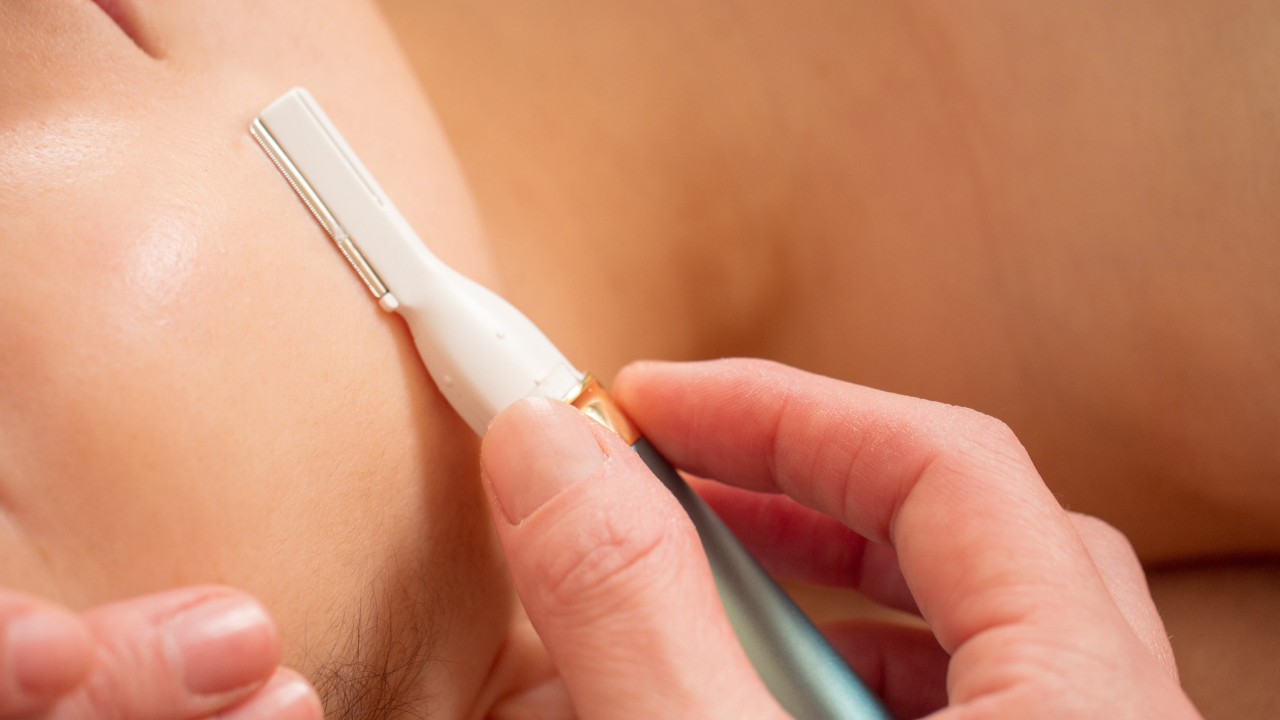
A dermaplaning tool fits a visual offer, but it's a poor first choice without safe-use copy and smooth edges. We included it because customers can see how it works. Ask for blade material, cap, instructions, and packaging, then inspect the sample for burrs and loose parts. Skin contact brings more support and injury risk.
2. Reusable cotton pads and swabs
Reusable pads and swabs suit buyers replacing disposable items, while stores without wash and material proof should skip them. Buyers can use the pads in a daily cleansing routine, so wash life is the deciding proof point. Request the fiber, pack count, size, care guide, and wash-test results. Fraying, stains, or shape loss can break the reuse promise.
3. Makeup remover face cloths
Choose makeup remover cloths for a simple cleansing routine when the fabric and care promise match the sample. Their larger surface separates them from pads, but they work poorly with broad skin-result claims. Record the fabric, size, edge finish, wash temperature, and colorfastness. Test removal with the exact instructions you'll publish because laundering can weaken the convenience angle.
4. Jade roller
Reject a jade roller when its stone, frame, or package can't survive your sample check. It suits gift and self-care buyers because its shape and use are easy to show. Verify the material, roller movement, frame, size, and package. Use skin-benefit claims only when evidence supports the exact claim and variant.
5. Travel perfume refill
Convenience buyers need a travel perfume refill that fills cleanly, seals, and fits their bottle. A leak test can reject a poor variant early. Get the capacity, material, closure, fill guide, and carrier terms for the exact route in writing. Leaks or poor bottle fit erase the benefit.
6. Eyelash applicator
Rough edges or weak cleaning instructions disqualify an eyelash applicator used close to the eye. The product fits buyers who want more control during application. Ask for the material, tip shape, finish, grip, cleaning directions, and protective packaging. Compare the sample under bright light because a rough finish raises support needs.
7. Makeup organizer
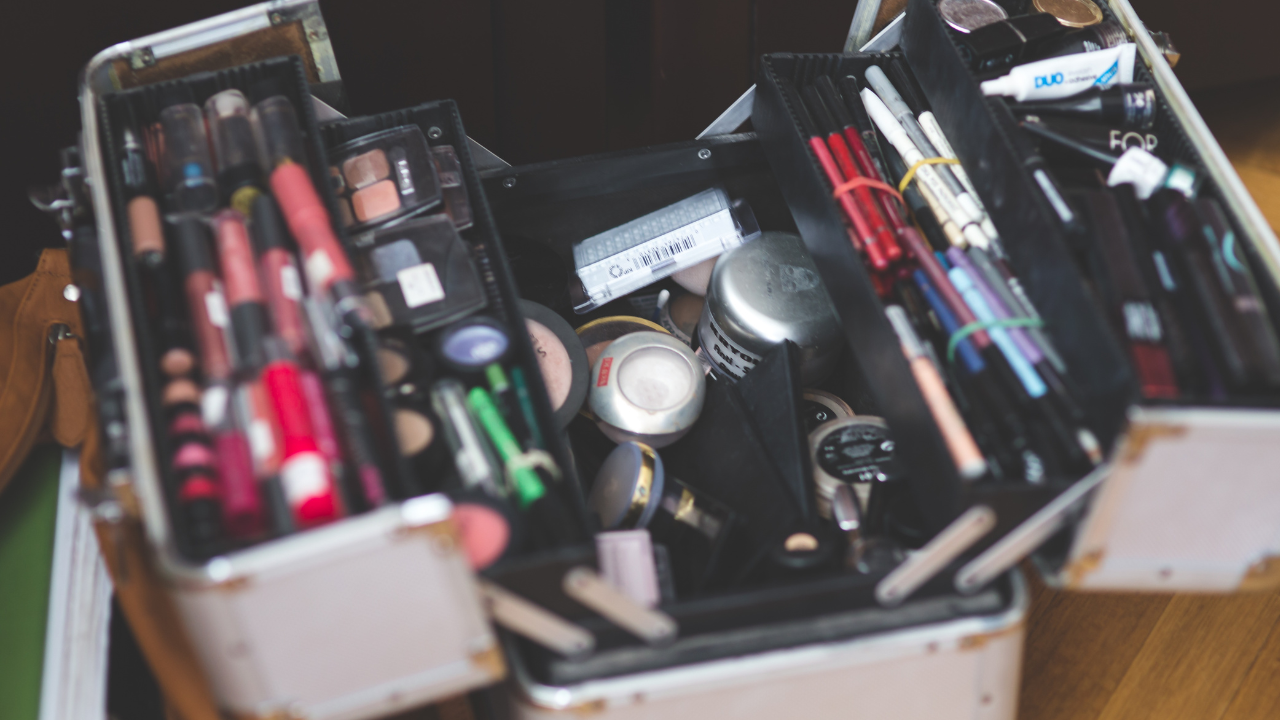
A makeup organizer is a practical beginner candidate when its size solves one storage problem. It fits a drawer, vanity, or travel kit.
Generic photos often hide scale, so record all measurements, compartment sizes, material thickness, weight, and assembly needs. The use case must be narrower than "stores makeup."
8. Travel bottles for toiletries
Travel bottles fit a compact refillable kit, while variants with vague capacity or closure details are poor candidates. We included them because bottles, jars, labels, and a funnel can form one travel kit. Confirm capacity marks, opening size, cap, material, and bag size. Fill and squeeze every container because one leak can spoil the set.
9. Silk bonnet for sleeping
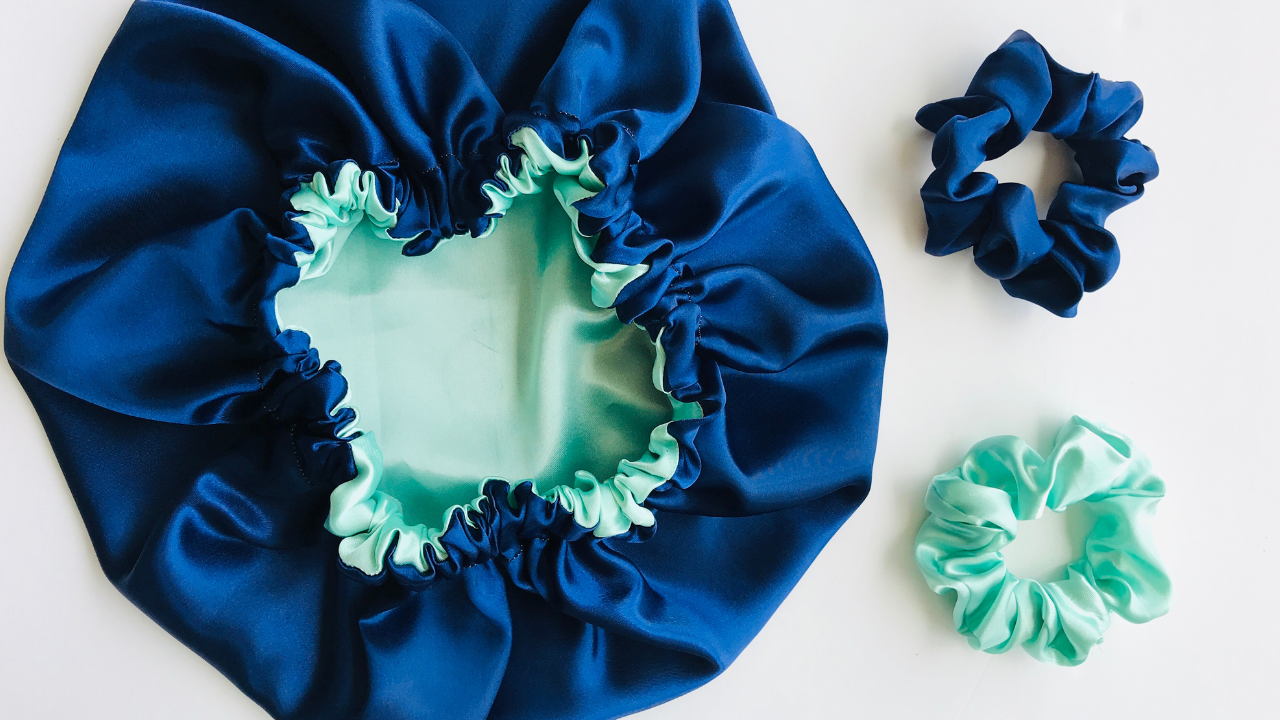
A sleeping bonnet fits a hair-care offer when its fabric, size, seams, and fastening match the listing. Skip suppliers that can't support a silk claim or steady sizing. Ask for fiber content, size, stretch, construction, and care steps. Fabric swaps and tight elastic can drive complaints, so we'd sell only what the sample supports.
10. Fake tan mitt applicator
A fake tan mitt fits self-tanner buyers, but thin seams and a weak inner layer make repeat use doubtful. Buyers use it to spread tanner without coating their palms. Request the outer fabric, lining, cuff, size, and wash guide. Test whether liquid reaches the hand and whether the mitt keeps its shape after washing.
11. Silicone body scrubber
A silicone body scrubber suits a reusable shower-tool offer when the exact material, texture, and cleaning method are documented. It fits routine-led stores and performs poorly when the listing relies on broad hygiene or skin claims. Confirm material declarations, bristle shape, handle strength, hanging method, and care directions. A sample that's too stiff or hard to dry can reverse the product's appeal.
12. Makeup brush cleaner mat
A brush cleaner mat fits visual demos, but shallow texture or weak suction can frustrate buyers. Its clear job earns it a shortlist place. Record the size, silicone type, texture zones, suction design, and care steps. Test the sample on the sink surface shown in your content because suction changes by surface.
13. Lash cleanser brushes
Lash cleanser brushes fit bulk packs for routine cleaning, while eye-area hygiene and inconsistent fibers make them a poor casual add-on. Ask for pack count, fiber material, handle finish, protective packaging, single-use or reuse instructions, and lot consistency. The low unit value can also leave little room for support, damaged packs, or paid acquisition unless the bundle economics work.
14. Hanging toiletry bag
A hanging toiletry bag fits travelers who need visible compartments, but weak hooks, zippers, or seams can ruin the main promise. Get open and packed dimensions, fabric, lining, zipper details, hook material, weight, and compartment sizes. Load the sample with the items shown in your listing. The bag may look compact in photos yet become bulky once filled, which can increase shipping and returns.
15. Blackhead removal tool
A blackhead removal tool has a clear demo angle, but sharp skin contact makes it a poor beginner choice. We would reject any version without smooth edges, secure storage, and clear cleaning directions. Ask for the material, tip shapes, finish, case, and instructions, then inspect every sample. Use only claims supported by the supplier's records and the exact product instructions.
Check suppliers and fulfillment
Build the Beauty Product Validation Record in four stages. Each promise then rests on supplier files, a checked sample, full costs, and a return plan. Complete these steps in order,
- Identity and documents: Tie the supplier and product files to one exact variant.
- Sample and accuracy: Compare the received item with every listing claim.
- Cost and delivery: Price the complete order and write a supportable promise.
- Returns and fallback: Decide who handles failures before accepting an order.
Each stage uses the evidence saved in the one before it.
Confirm supplier identity and product documents
Record the supplier name, contact, product code, variant, warehouse, files, and review date in one place. Supplier files and the checked sample must support the item behind your listing.
Use Product Library, Shop Library, and Sales Tracker to review listings, stores, and sales patterns. Our product research workflow separates those signals from supplier documents.
Give each of your research tools one clear job, while keeping its output separate from the supplier record.
Check sample quality and listing accuracy
Order the exact variant and compare its material, size, finish, package, and instructions with the supplier record. Photograph defects and mark each listing promise pass or fail. We'd pause the product when the sample and file disagree because the customer judges the received item.
Calculate landed cost and delivery promise
Add the item, shipping, duties, processing, packaging, payment, and expected return costs before setting a price.
Landed cost is the amount needed to get one order to your customer. It shows how much room remains for returns and ads.
Use a written dispatch time and tracked route, then allow for the slow end of that range.
Write the return and fallback plan
State who receives a return, who pays for shipping, how opened items are handled, and how you'll replace a failed supplier. Save the supplier's current terms beside your policy. A cheap accessory can cost more to return than replace, especially when a supplier refuses opened goods.
Avoid higher-risk beauty products
Exclude products with unresolved brand rights, skin or eye exposure, electrical parts, formulas, claims, labeling, or channel restrictions. Complete these three checks,
- IP exposure: Match names, logos, images, and branded supply to records.
- Product exposure: Match the exact variant to safety, claim, and label guidance.
- Channel exposure: Match the listing and ad to current platform rules.
Keep every result tied to the product, destination, and wording you'll use.
Check IP and branded-product exposure
Use original or authorized assets and stop when the supplier can't document the branded product or your right to use its materials. The USPTO search guidance explains why a clearance search should cover registered and similar marks. Search the exact name and logo, save the results, and keep invoices or authorization records with the listing.
Check safety, claims, and labeling exposure
Match the exact beauty product to current official guidance for its materials, intended use, instructions, testing, and labels. The CPSC business library routes U.S. sellers to product-specific testing, certification, labeling, and online-selling guidance. Formulas, electrical tools, and sharp skin-contact items need product-specific records because category guidance alone can't establish compliance.
Check advertising and marketplace limits
Match each objective product claim and product specification to evidence and confirm that your marketplace and ad channel allow the exact item and wording. In the United States, FTC Act Section 5 makes unfair or deceptive acts or practices unlawful. FTC business guidance tells advertisers to hold evidence that supports objective claims before an ad runs.
The FTC's advertising division enforces federal rules that require support for objective claims.
The FTC's small-business advertising FAQ gives the same practical boundary for advertisers.
Marketplace policy is separate from law. Save the current platform page with the date and product variant you reviewed.
Decide before you launch
Use the completed Beauty Product Validation Record to list, test, or reject one candidate. Set the test limit before you buy traffic. Follow this sequence,
- List
- Test
- Recheck
The record should make the next action clear without hiding missing evidence.
List only when the evidence fields are complete
List a product only when its supplier, sample, cost, delivery, returns, rights, claim, and channel fields pass. These are the required evidence fields. Market response is the separate question you measure after the listing is supported. Use the decision table below:
Test with a fixed budget and stop condition
Write the maximum ad spend, order count, end date, and failure thresholds before the first visitor reaches the offer. Add a number or observable pass condition beside each cost, delivery, defect, return, or claim limit. A fixed cap limits exposure because customer response, sales, and profit remain uncertain.
Recheck current terms before scaling
Recheck the supplier quote, stock, dispatch time, route, return terms, product files, and channel pages before raising spend. Increase ad spend only while that evidence supports what your listing promises. If the supplier changes the material, variant, warehouse, or packaging, pause the listing and run the affected stages again.
FAQ
Can you dropship branded beauty products?
Treat a branded beauty product as unresolved until its supply route and asset use are documented for your listing, destination, and channel. Get those records from the brand or an authorized distributor before you assess the offer.
Do beauty tools need special packaging?
Packaging depends on the tool's material, edges, breakage risk, hygiene exposure, route, and destination. Your sample and current carrier or product guidance should support the package you promise.
Are beauty accessories good for beginners?
Makeup organizers, remover cloths, and toiletry bags are simpler starting points than sharp or eye-area tools. Their size, fabric, seams, and ordinary use are easier to inspect on a sample.


