

8 Best Ecomhunt Alternatives for Dropshipping (2026)
Eight Ecomhunt alternatives are compared by sales tracking, ad research, supplier access, curation, and total workflow cost.
The best ecomhunt alternatives is the option whose features, data coverage, and workflow best match the job you need done. This 2026 review compares 8 named options across usability, integrations, support, and non-price limits to build the shortlist below.
Key takeaways
Is Ecomhunt still worth it in 2026?
ADAM analyzes AliExpress products and lets you sort or filter the database. That's useful if your complaint about Ecomhunt was limited search control. Ecomhunt offers a 30-day money-back guarantee. An unrestricted trial isn't included on the main pricing page.
Ecomhunt's main limit hasn't disappeared. It still does much of the product selection for you. That's convenient when you want a shortlist, but it gives you less control than a store tracker or ad database. Curated picks may already give you what you need. A specific competitor, ad, supplier network, or product idea calls for a different tool.
Ecomhunt can reduce the time spent generating ideas. It won't remove the need to check supplier quality, shipping, margin, or competition. An alternative earns its fee only when it improves one of those decisions.
AliShark is offline, according to a current review, and Magic 8 has moved away from dropshipping research. Niche Scraper and PPSPY are the viable replacements in this shortlist.
8 best Ecomhunt alternatives
These eight Ecomhunt alternatives cover sales tracking, ad research, supplier sourcing, and curated discovery. Here's the shortlist before the detailed comparison:
- Dropship.io for sales-led research
- Spocket for supplier access
- Pexda for Facebook-led product ideas
- Thieve.Co for visual browsing
- Sell the Trend for research and automation
- Niche Scraper for a lower-cost start
- PPSPY for Shopify and ad tracking
- Dropship Spy for a guided testing workflow
1. Dropship.io for sales-led product research
Start with an exact product or seller in Product Library. Then use Sales Tracker and competitor research to check whether demand appears across stores. For TikTok-led research, the libraries cover products, shops, ads, advertisers, and creators.
I prefer that workflow when a product idea comes from a customer comment, competitor, or social post. You can investigate the exact item instead of hoping a curator adds it.
The three plans mainly change research capacity and feature access. Compare the limits against your weekly routine. A seller checking a few ideas needs less capacity than an agency tracking dozens of shops and advertisers.
The drawback is focus. If you want Ecomhunt's compact list of hand-picked products with ready-made ad angles, Dropship.io asks you to do more filtering. It fits a seller who wants control over the evidence. Ecomhunt offers a quicker route to a supplied idea.
2. Spocket for suppliers and faster shipping
Spocket is a better fit when supplier location and fulfillment speed matter more than deep demand data. Its catalog emphasizes suppliers in the United States and Europe.
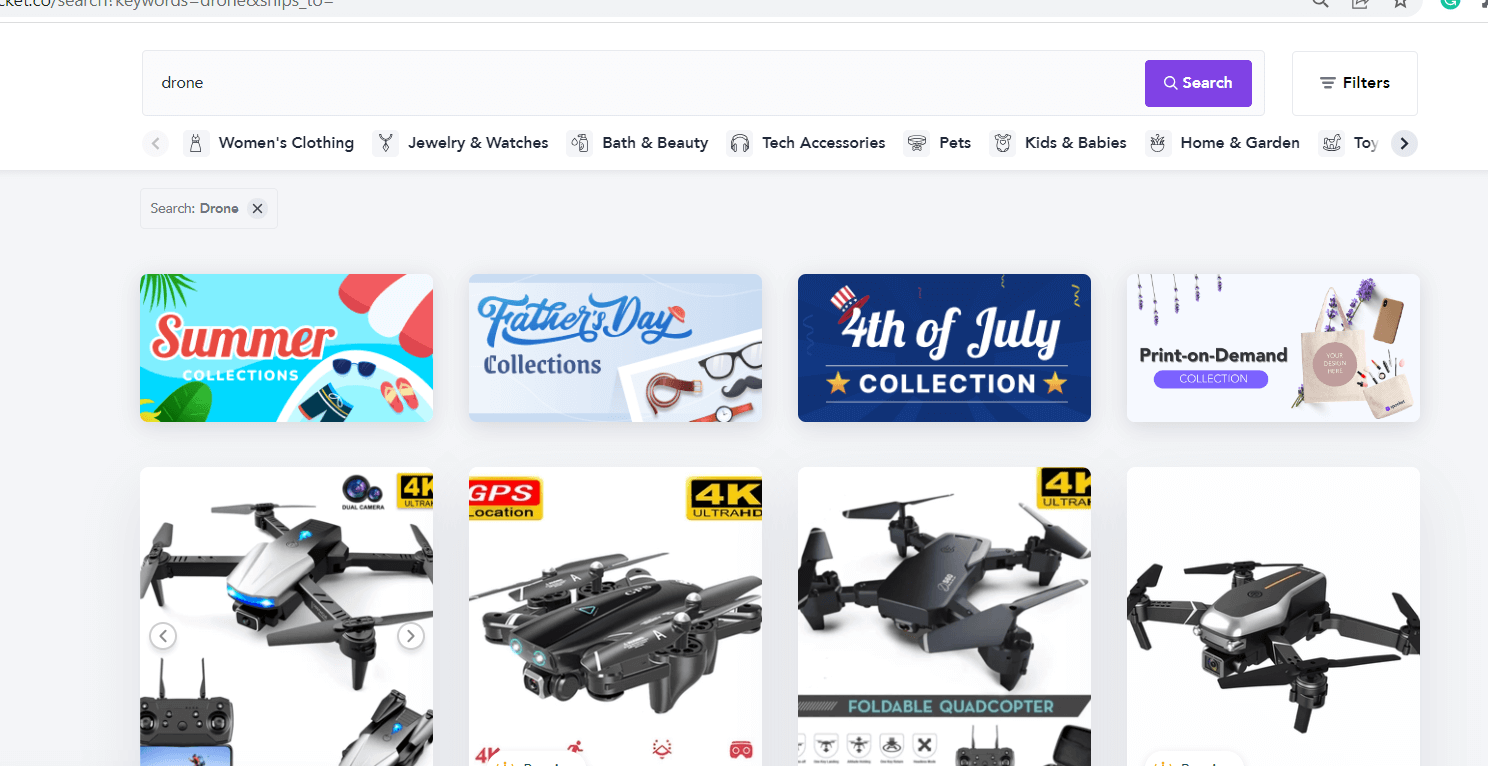
Spocket can simplify importing products and managing orders. What it can't do is prove demand. A supplier catalog shows what you can source, but it doesn't show whether buyers want it. Sellers who choose Spocket should pair that sourcing work with a separate demand check.
The supplier angle becomes valuable when delivery time is part of the offer. Filter for the destination market, check where the item ships from, and compare processing windows before importing it. A United States or European supplier can shorten delivery, though local inventory often costs more than the cheapest AliExpress listing.
Spocket also fits a general store that needs a broad catalog. It fits less well when you want to monitor competitor revenue, study ad creative, or rank products by recent sales. Those jobs require a separate research source.
Before paying, search for several products you could sell and inspect the supplier count in your target region. A broad global catalog can still feel narrow after you add location, shipping, and quality filters.
3. Pexda for Facebook-led product ideas
Pexda includes ad copy, targeting suggestions, and engagement information around selected products. The Standard plan delays access to new products by three days, which weakens the reason to use a trend-led product feed. It's also a poor match when TikTok Shop or organic content is your main acquisition channel.
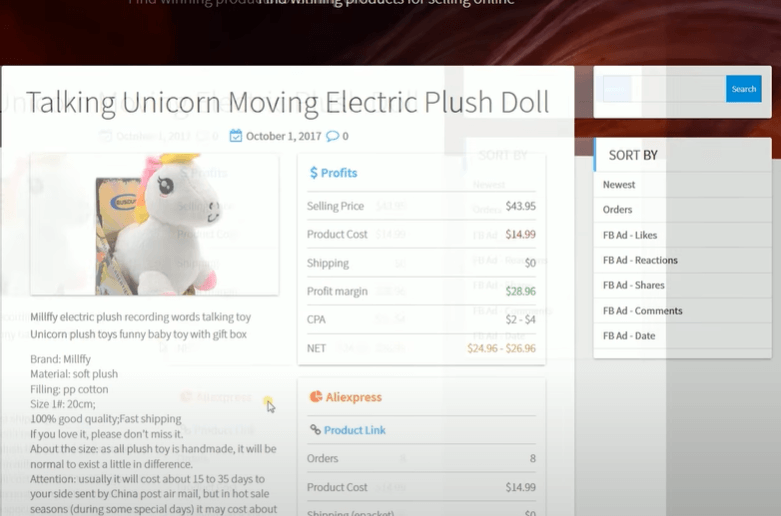
Facebook sellers can use the attached creative and audience clues to form a first test. Check how long the ad has run, whether comments show buying intent, and whether several stores use the same angle. Engagement without useful comments can reflect curiosity rather than demand.
I wouldn't choose Pexda on the promotional price alone. Check the renewal amount and product-access delay first. The lowest tier loses value quickly if your goal is to reach a new product before other advertisers.
The platform is less compelling for a mature seller with a separate ad library and targeting process. In that case, you're mainly paying for curated product selection, so compare its freshness with Ecomhunt rather than comparing feature totals.
4. Thieve.Co for visual product discovery
Thieve.Co is the easiest option here for browsing visually appealing AliExpress products before paying for deeper tools. Its free discovery experience makes it useful for generating ideas. Confirm the checkout price before subscribing.
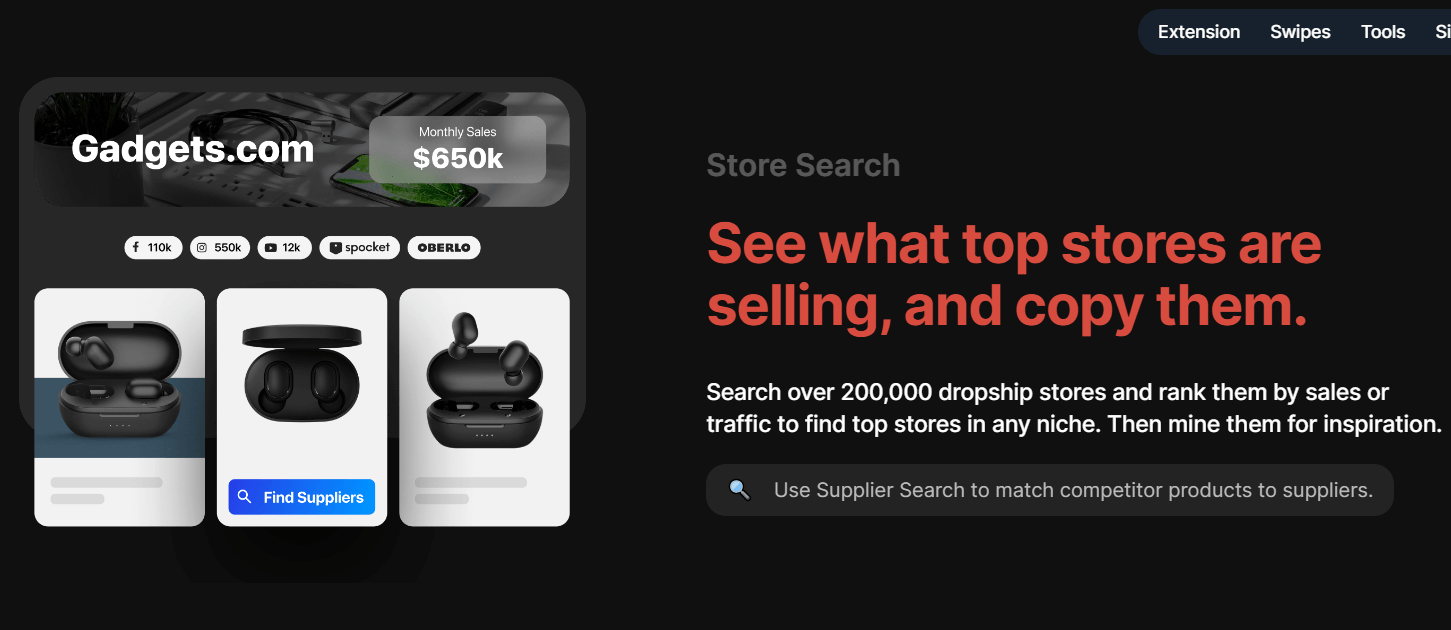
Thieve.Co's strength is taste and speed. Its picks still need proof. It can surface items that look marketable, but it doesn't replace store-sales tracking or a serious ad-spend analysis. Check store activity in Sales Tracker and review active ads before keeping a product on the shortlist.
The visual feed is especially useful for home, fashion, accessories, and gift products where presentation shapes the offer. Save products that share a customer or style, then compare supplier reviews and shipping for each one. That produces a coherent shortlist instead of a folder of unrelated gadgets.
Thieve.Co becomes less useful when the buying decision depends on technical performance. A clean photo can't answer whether an electronic device is safe, whether sizing is accurate, or whether a supplier can maintain stock.
The free browsing option also makes Thieve.Co a sensible second source. You can use it for ideas without replacing the paid tool that handles demand checks. That keeps each subscription tied to a distinct job.
5. Sell the Trend for research and automation
The platform combines product discovery, store intelligence, ad research, importing, and order tools. That breadth is also the drawback. If your fulfillment setup already works, part of the subscription overlaps with software you already have.
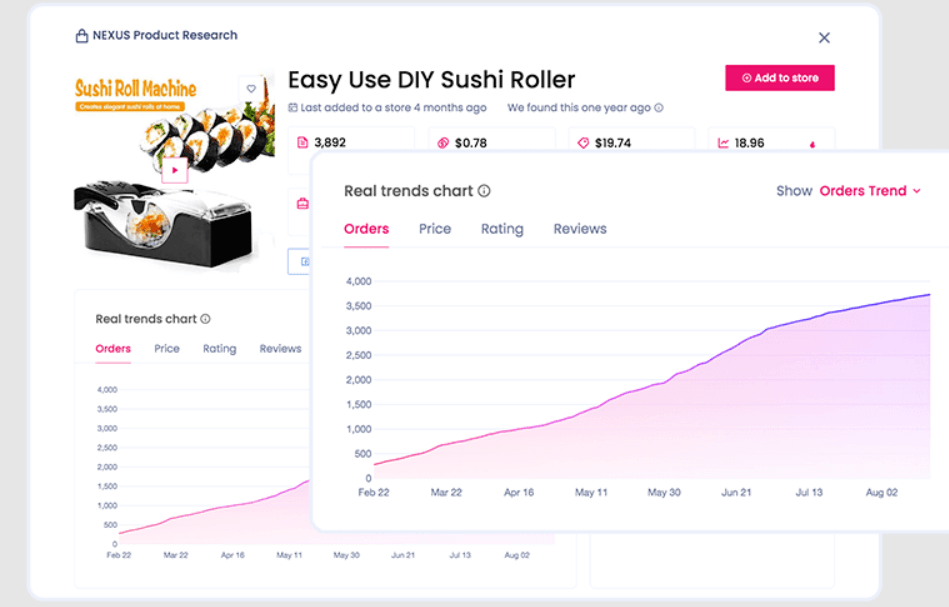
Its all-in-one design makes more sense for a newer store that hasn't chosen separate research, import, and fulfillment tools. Keeping the workflow together can save setup time and reduce handoffs. An established store should price the research features on their own value because replacing working systems creates migration work.
Choose Sell the Trend over Ecomhunt when store operations are part of the problem. If the only need is a daily source of product ideas, the extra tools make the interface and subscription heavier than necessary.
Before subscribing, record the limits on product discovery, store intelligence, ad research, importing, and order tools in the plan you intend to buy. An all-in-one platform can move an important limit into a higher tier, changing the real cost of your workflow.
6. Niche Scraper for a lower-cost start
Niche Scraper is the budget pick for sellers who want product scraping, store analysis, and hand-picked ideas without a full subscription. Its free access gives you a way to inspect the workflow first. Because those figures come from a secondary source, verify the checkout total before choosing it on price.
The Product Scraper filters AliExpress and Shopify product data, while Store Analysis helps you examine other shops. Hand Picked products work more like Ecomhunt's curated feed, and the video-ad maker can help turn a product page into test creative.
Start with the free access and repeat one real research task. Check whether the filters narrow your market and whether the store view reveals anything new. A large database is useful only when its filters reduce the list.
Niche Scraper suits a beginner who needs ideas and basic store context. It offers less certainty for a seller who needs verified marketplace sales, detailed ad history, or many recurring competitor checks.
Its annual price can look attractive beside monthly research tools. Only choose that commitment after the free workflow proves useful. A lower yearly cost doesn't help when the available signals don't support your main decision.
Pricing ambiguity is its clearest drawback. When public figures vary, don't choose it because one review calls it cheaper. Compare the actual checkout total with the research limits you expect to use.
7. PPSPY for Shopify stores and ad data
A separate pricing review confirms the same monthly tiers. Annual billing advertises a 30% reduction.
PPSPY estimates store and product performance from public Shopify activity. It can also surface ads and track competitors. That helps when your question moves from “Is this store growing?” to “What creative is it using?”
PPSPY is strongest for recurring observation. Build a small watchlist of direct competitors and check the same signals over time. One isolated estimate says less than a pattern across several weeks.
It's a poor fit if you need audited revenue or only run occasional lookups. Its sales numbers are modeled estimates. Frequent store, ad, export, and repeat checks may require a higher-credit plan. Estimate those monthly checks before choosing a tier.
8. Dropship Spy for a research-to-test workflow
Dropship Spy is now best for turning a product idea into a research verdict, ad, and landing page. It no longer resembles the supplier-focused database shown in past tool roundups.
Research uses one credit and returns a verdict based on a changing mix of demand, sourcing, pricing, competition, buyer-intent, and risk signals. A landing page costs two credits, while video ads cost one to eight depending on the model and length.
The shared project is the appeal. Research findings can shape the ad angle and the page instead of being copied between separate tools. It also makes cost planning important. A full test with research, a premium video, and a page can use far more than the single research credit shown at the start.
I’d choose Dropship Spy after narrowing the field to a few products. Browsing and open-ended discovery can waste credits. A clear product URL or idea gives the workflow a focused question to answer.
Unused credits roll over while the plan remains active, but a vague request still costs as much as research based on a specific product URL.
That makes Dropship Spy useful after you already have an idea. It isn't a good substitute for Ecomhunt's browsable product feed. There's no free tier or trial, and research, ads, and pages all draw from the same credit balance.
How to evaluate a winning product before you commit
A “winning product” label gives you a lead that still needs three manual checks. Before you spend on ads or inventory, check the item, delivery time, and supplier record.
Product quality vs listing photos
Customer photos and repeat complaints give you a better quality check than the supplier's main images. Listing photos don't show weak materials, awkward sizing, damaged packaging, or a feature that works poorly in person. Read recent reviews and prioritize customer photos.
If the product can break, leak, stain, irritate skin, or create a sizing dispute, one attractive ad won't offset the return risk. A cheap sample is better evidence than another hour inside a research tool.
Compare reviews across more than one supplier when possible. Reused photos can make two listings look identical even when the factories, materials, or packaging differ. Favor a supplier whose recent reviews describe the exact variant you intend to sell.
Also check whether the review mix changed after a new variant or supplier appeared. Older praise may describe a different version from the one currently shipped. Recent photos and detailed comments deserve more weight than the lifetime average.
Ask how often the supplier changes factories or materials. A sample only proves the batch you received, so repeat the quality check when reviews shift or the listing changes.
Realistic shipping time
Check delivery and processing times for the country you're actually targeting. A supplier may show fast shipping to one market and a much longer window elsewhere. Processing can add several days before the parcel moves.
Shipping also affects the offer you can make. If competitors deliver in five days and your supplier needs three weeks, you need a different supplier or a reason customers will wait.
Run the estimate through checkout instead of trusting a badge on the product page. The available method, final charge, and delivery window can change after you enter the destination. Repeat that check for your largest target markets.
Look for end-to-end tracking and a clear return address. A fast estimate has little value when customers can't see where the parcel is or returns must cross a border at their expense.
Supplier performance rating
Use 4.5 out of 5 in each supplier category as an initial filter. Then check item accuracy, communication, shipping speed, recent order volume, and complaint handling. A high rating can reduce risk, but it can't guarantee a clean order.
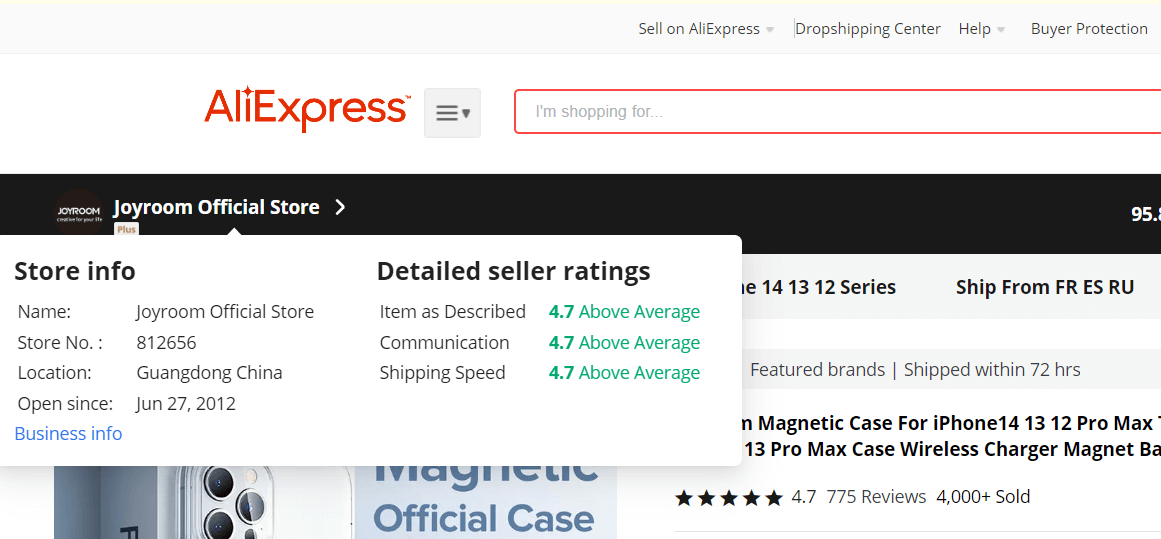
A strong overall score can hide a recent decline. Read the newest low ratings and confirm that the listing you plan to use has real order history.
Message the supplier with one specific question about stock, packaging, or processing. The speed and accuracy of the reply won't prove future service, but a vague or delayed answer gives you a reason to keep looking.
Place a second order after the first sample if consistency matters. Compare packaging, finish, and delivery time. One good parcel can be luck, while two matching orders provide a stronger signal.
What to do once you've found a winning product
Once an item passes the initial checks, calculate the margin. Then order a sample and study competing offers before funding a test. These steps expose costs and customer problems that a research feed can't see.
Investigate further before spending
Build the margin from every cost before you fund an ad test. Include the product, shipping, payment fees, discounts, expected returns, and a realistic customer-acquisition cost. Then raise one cost and recalculate. A product that works only in a perfect campaign doesn't have a durable margin.
Virality isn't enough either. A TikTok spike or long-running Facebook ad shows attention. It doesn't show that you can buy the same traffic at the same cost or source the same product at the same quality.
Set a stop point before the test begins. Decide the maximum spend, minimum click-through rate, and conversion signal that justify another round. The exact threshold depends on price and margin, but choosing it early keeps a weak test from turning into an open-ended expense.
Write a base case and a worse case for shipping, ad cost, and returns. If a small cost increase removes the margin, change the price, supplier, or product before launch.
Order a sample first
Order from the same supplier and shipping method you plan to offer customers. Record processing time, delivery time, packaging, product quality, instructions, and whether the item matches its listing.
The sample can also become original creative. More importantly, it reveals problems before customers turn them into refunds, disputes, and public reviews.
Give the product to someone who hasn't seen the listing and watch them use it. Their questions can expose unclear instructions, surprising size, weak packaging, or a feature that your ad could overstate.
Check who else is already selling it
Study competing stores until you can state how your offer will differ. Search the product name, reverse-search its images, and inspect stores running the same angle. Compare price, shipping, bundles, page structure, and customer comments.
I wouldn't fund a test until I could name the competing offer, its gap, and the reason my version could win.
Save three competing pages and review them together. Look for repeated complaints, missing information, and offers customers already understand. Your difference should solve a real weakness instead of changing only the logo or color.
FAQ
How does Ecomhunt compare on features?
Can I use more than one of these tools at the same time?
Yes, but each tool should answer a different question. Thieve.Co can supply visual ideas while PPSPY checks Shopify stores and ads, but two curated feeds usually create overlap.
Should I pay monthly or annually?
Start monthly until a tool proves useful in your real research routine. Annual billing makes sense after you know the plan limits fit your normal number of products, stores, ads, and exports.
Do I need a research tool before opening a store?
No, define the customer, niche, price range, and supplier requirements first. Then choose a tool for the research gap that remains because a subscription can't replace those basic store decisions.


