

Dropshipping Hair Products - Suppliers, Products Ideas, & Risks
Compare seven beginner-friendly hair accessories and four supplier routes, then use a sample, claims, hygiene, and returns check to select one defensible product.
I worked with one-product stores. I'd start dropshipping hair products with non-liquid, non-electric accessories. They give beginners more visible details to check than treatments or heated tools, and this guide narrows that choice to one product and supplier route to test.
Before you finish a listing, record what could go wrong for the customer. Here, that means matching one accessory with a supplier that can support it.
Key takeaways
Are hair products good for dropshipping?
Hair products can work for dropshipping when beginners choose non-liquid, non-electric accessories with clear materials, fit, use, and return terms. Treatments need proof for their formulas and claims. Heated tools need checks for their electrical parts and stated use.
Dropshipping hair products means a third-party supplier fulfills the hair goods you sell. You still choose the exact item, write the listing, and set the delivery promise. Support and return decisions also stay with you.
An accessory-first approach starts with tools and textiles such as clips, combs, wraps, and stands. You can inspect their size, seams, grip, fabric, closures, and packaging. The listing can then focus on construction and ordinary use. We'd begin there because a visible defect is easier to describe and photograph for the supplier.
Wigs and extensions need a specialist supplier review. Sellers must answer questions about shade, length, fiber, sourcing, and opened-item returns.
7 hair products to dropship
Seven accessory-led products give beginners options across styling, washing, drying, protection, and wig care. Their main features can be checked on a sample. You can also describe them through ordinary use.
The broader process for how to find winning products can test demand after this product-level screen,
- Heatless curling ribbon kit
- No-crease hair clips
- Scalp shampoo brush
- Microfiber hair towel wrap
- Styling comb set
- Satin bonnet or wig-cap bundle
- Collapsible wig stand
Choose the item that best matches one buyer routine, then take its exact variant into the verification process below.
1. Heatless curling ribbon kit
A heatless curling ribbon kit gives buyers a manual overnight styling method. The use is easy to show, and one clear offer can include the ribbon, ties, and a storage pouch. It also avoids the electrical checks that heated tools require.
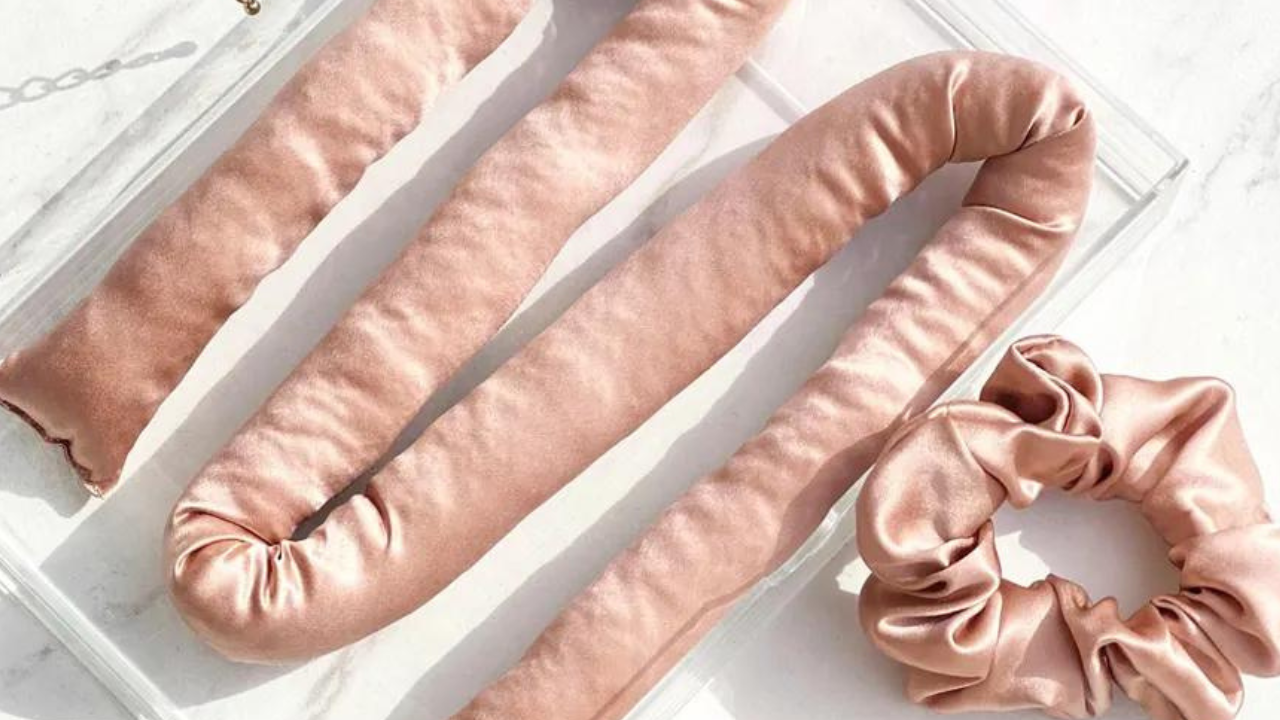
Check the exact sample in three passes,
- Confirm the fabric, filling, usable length, seams, fastener, and included pieces.
- Try it on each hair length named in the listing.
- Photograph how the ribbon sits and bends during use.
Use those photos to keep your description tied to the product's construction and use. Explain how to wrap and secure the ribbon. State the tested hair-length range and explain that results change with technique.
A short ribbon can slip from long hair, while firm filling can disturb sleep. Choose another item when you can't explain those hair-length and comfort limits.
2. No-crease hair clips
No-crease hair clips suit makeup, skincare, and styling bundles that need a small add-on. Their flat contact surface gives them a clear use, and their small size makes matched pairs or color sets easy to build.

Inspect the hinge, spring tension, coating, edges, contact pad, and grip on each listed hair type. Open every clip in the sample pack to expose uneven quality. Then match the received count and colors with the page.
Easy price comparison is the main drawback because buyers can compare single clips in seconds. The low price may also leave little room for ads or replacements. Sell them alone only when a distinct shape, matched set, or bundle gives buyers a reason to choose yours.
3. Scalp shampoo brush
A scalp shampoo brush fits a wash-routine offer when the listing sticks to cleansing and massage. Inspect its handle, drainage, and flexible points, then describe it as a cleansing and massage tool.
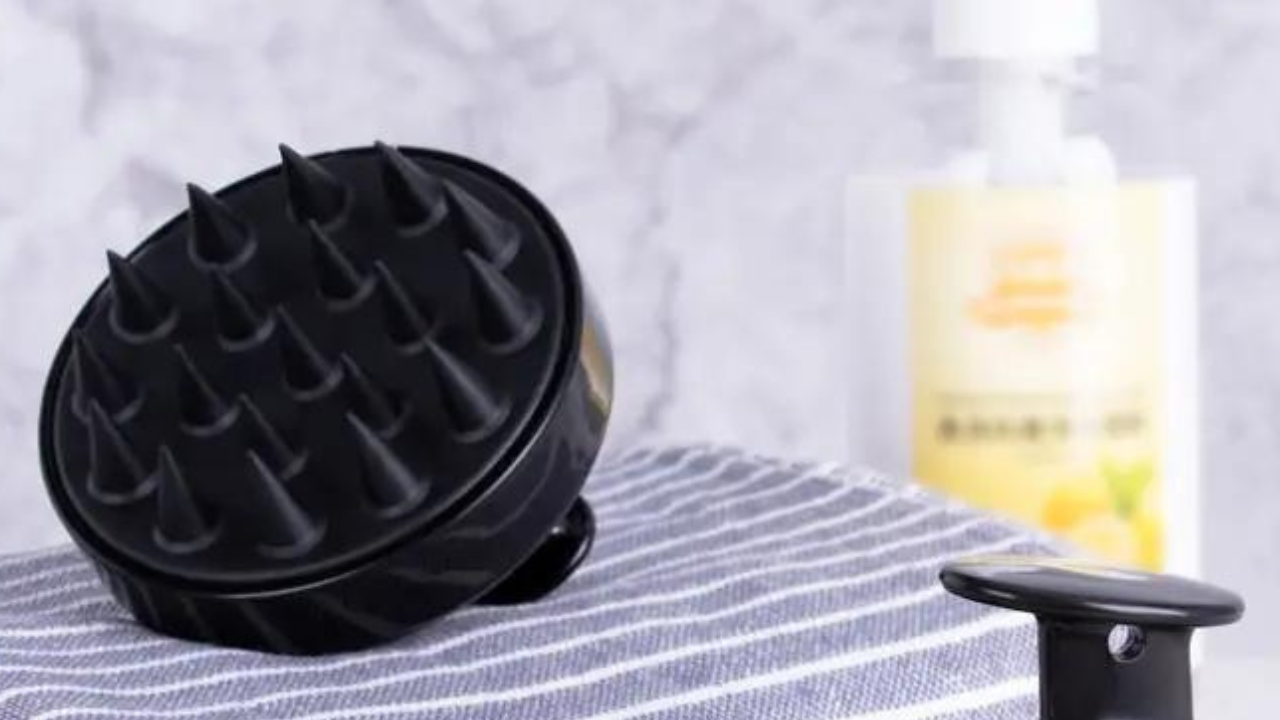
Check the stated material against the sample. Press the points and use the grip with wet hands. Rinse the body and leave it to dry. Trapped water can create odor or mold, while hard points can feel harsh. A one-piece body with visible drainage is easier to check than a shell with hidden gaps.
Build the offer around grip, drainage, cleansing, and massage because the sample shows the brush's construction and ordinary use. Hair-growth, dandruff, and other health claims need separate support.
4. Microfiber hair towel wrap
A microfiber hair towel wrap gives buyers a hands-free way to hold wet hair after washing. Base the comparison on size, fabric, closure, and wash care. Cosmetic-result claims need separate evidence.

Check the towel in three passes,
- Measure its full length, widest point, loop, and button placement.
- Ask the supplier to confirm the fiber wording.
- Wash the exact color, then inspect its seam and closure again.
Long or dense hair can quickly expose a wrap that looked generous only in the supplier photo.
Fit, absorbency, color transfer, and laundry wear create the main risks. Choose a supplier that provides dimensions and supports the microfiber description. Both details shape how the buyer uses the wrap.
5. Styling comb set
A styling comb set works best when every tool supports one named hair-care routine. Choose a detangling, sectioning, or edge-styling set that gives buyers a clearer reason to buy than a random group of shapes.
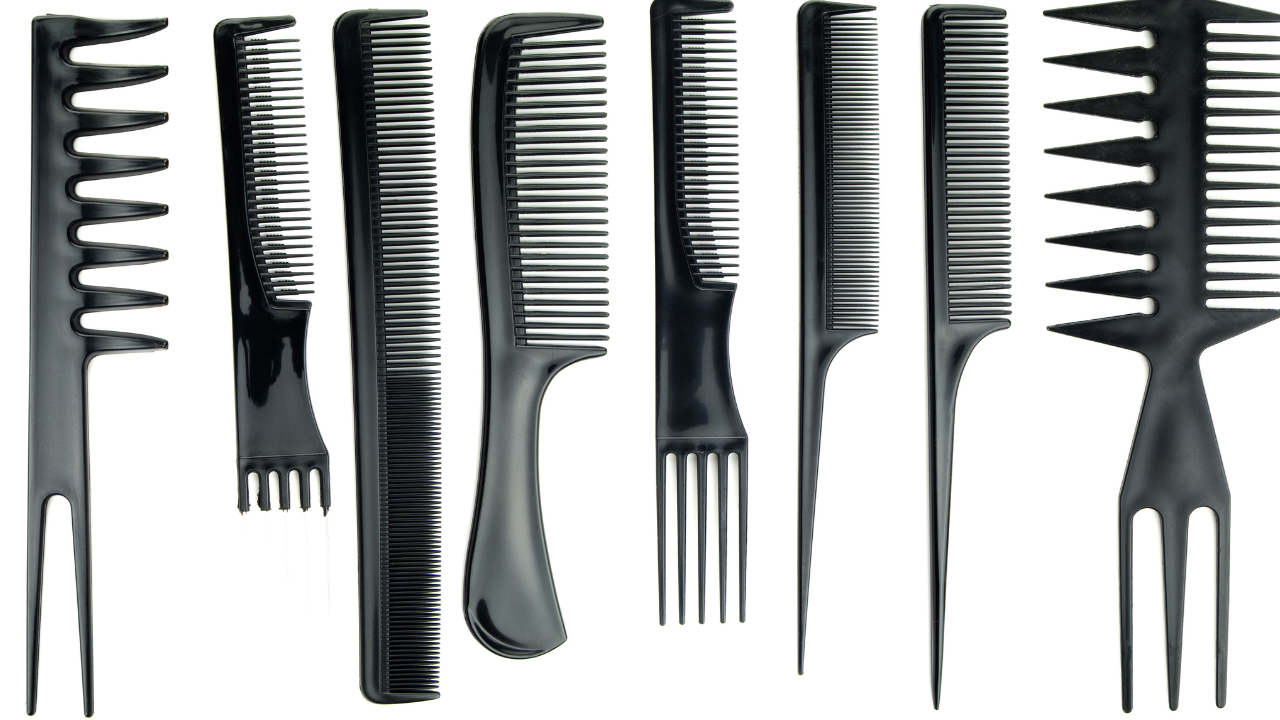
Inspect the set in four passes,
- List each comb's size, tooth spacing, task, and material.
- Run a cloth along the teeth and molding lines.
- Flex the handles and compare all pieces with the pack image.
- Remove heated-tool wording unless the supplier supports the exact claim.
Breakage and missing pieces are clear drawbacks. Reject the set sooner when you can't explain what each comb does. Choose a supplier that reports pack changes and keeps the same shapes available for replacements.
6. Satin bonnet or wig-cap bundle
A satin bonnet or wig-cap bundle fits a protection-focused store that can explain fiber, fit, band, and shade. Choose one product type for the bundle. Bonnet variants serve sleep routines, while wig-cap variants sit beneath wigs and need different fit guidance.
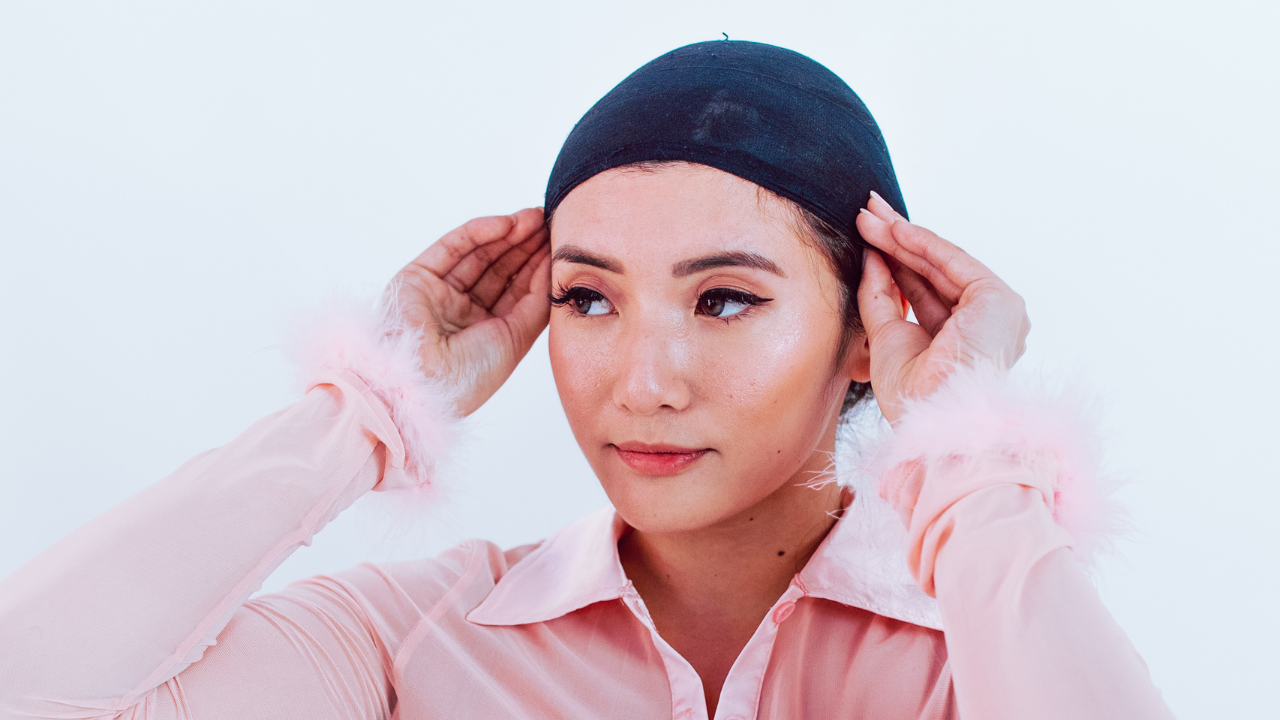
Check whether the fabric is satin or has only a satin finish. For a cap bundle like the one pictured, measure the band at rest and full stretch. Then note the cap depth and seam. View every shade under the same light and confirm the sealed packaging.
One-size and one-shade language creates the largest return risk. Choose this bundle when you can publish measured fit guidance and state how the seller handles opened items.
7. Collapsible wig stand
A collapsible wig stand suits wig storage, drying, or display when its assembled size matches the intended use. It gives a wig-focused store a practical accessory and needs fewer source checks than selling wigs.
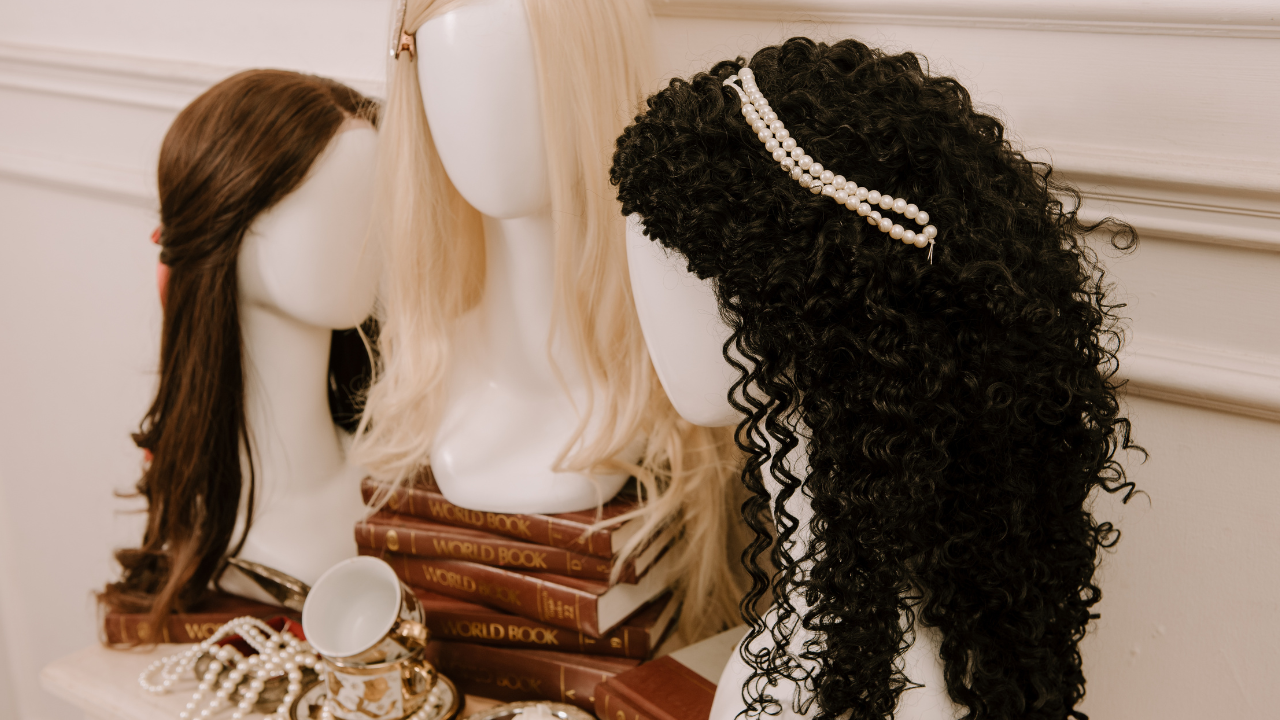
Assemble the sample more than once. Measure its height and base width, then inspect the joints, edges, and balance. Place the listed wig type on it while wet and dry. Its flat-pack size helps with storage and shipping only if the stand stays stable after repeated setup.
Weak joints and limited height are the main drawbacks. State support for heavy or long wigs only when the sample stays upright. Add the stand material, package protection, and damaged-item remedy to the record.
A suitable accessory still depends on a supplier that can reproduce the tested item.
4 hair-product supplier sources
Doba, CJdropshipping, Spocket, and Private Label Extensions give you four supplier options. The first three are supplier platforms for accessories, while Private Label Extensions is a specialist supplier for wigs and extensions.
Compare the supplier options in this order,
- Doba
- CJdropshipping
- Spocket
- Private Label Extensions
Our review covers each supplier's public program page. We haven't tested the exact listings you may choose. Confirm the material, quality, dispatch, packaging, and opened-return terms for the chosen stock keeping unit (SKU).
1. Doba
Doba fits sellers who want a focused hair-accessory catalog with visible stock and handling fields. Its fashion hair accessories page includes clips, bands, wigs, and other items. That range suits a store comparing several accessory types.
Use Doba in three steps,
- Check the listing's stock status and handling information.
- Save its supplier, URL, material, ship-from location, packaging, and return terms.
- Order the sample from the exact listing you plan to import.
When consistency matters, use a specialist supplier that fixes the private-label specification in writing. That record gives you a standard for later orders. Doba's quality, source, branding, and dispatch can change by listing. Its hygiene-return terms can vary too, so the broad catalog takes more work to control.
2. CJdropshipping
CJdropshipping suits sellers who want both a hair-accessory catalog and an agent-led sourcing request. Its hair and accessories page has a separate category. Use its request form when the catalog lacks your required specifications.
CJdropshipping's request option goes beyond a catalog. Send the exact material, size, color, packaging, use, and target region. Ask about opened returns, then save the reply with your evidence. Order the matched variant through the customer delivery process to test dispatch and packaging.
Inspect the received item's finish and compare later orders with the approved sample. Use CJdropshipping when the supplier documents any specialist-hair source and ties the approved specification to later orders.
3. Spocket
Spocket fits sellers who care more about supplier region than a deep hair catalog. Its accessories catalog includes suppliers in the United States, Europe, and other regions. Use those fields to compare dispatch locations and return addresses for your target customer.
Use the same item brief for every candidate so you compare region, material, and fit separately. Record the supplier, dispatch location, target region, variant, and sample method. Add the branding options, package contents, and opened-wearable terms. The sample and written dispatch record must support the customer promise.
Hair-specific choice may be narrow on a broad accessories page, and each supplier controls its own details. Choose Spocket when its catalog depth, supplier-specific return policy, and written product details fit your needs.
4. Private Label Extensions
Private Label Extensions works for sellers who plan a wig or extension brand, while a first accessory test needs a simpler supplier. Its hair dropshipping program includes human-hair extensions, wigs, bundles, closures, and frontals. The company says it ships them from its Atlanta warehouse with the seller's branding.
Check this specialist supplier in three parts,
- Confirm the exact length, texture, color, construction, and fiber.
- Check the package, dispatch path, and return treatment.
- Write shade and opened-item terms before the first customer order.
Wigs and extensions require detailed proof because buyers may question source, shedding, texture, density, shade, and length. A return may also involve a worn or opened item. Include the cost of a full refund or replacement for a mismatch. Keep each promise within the supplier's proof.
Hair products beginners should avoid
Beginners should start with non-liquid, non-electric accessories whose materials, use, and return terms are documented. The four groups below add formula, electrical, claim, or specialist-hair questions to an early supplier test.
Start by removing these four groups,
- Liquids: Leaks, formulas, labels, shelf life, and treatment claims need separate proof.
- Heated tools: Plugs, voltage, heat, failure, warnings, and returns raise the support burden.
- Growth products: Hair-growth or treatment wording needs product-specific evidence.
- Wigs or extensions: Document fiber, shade, source, quality, and return terms.
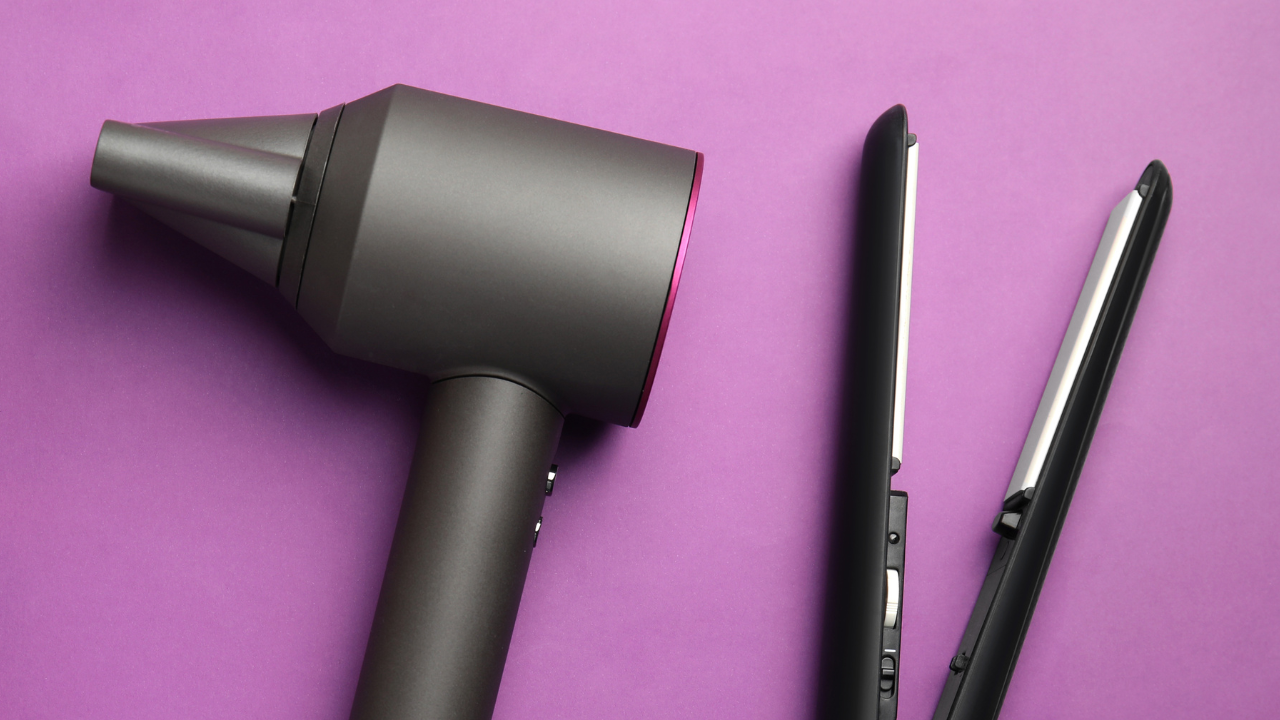
A specialist can reconsider one group after receiving the exact sample and documenting its claims and return policy. Approval applies to that SKU and destination because every other item needs its own record.
Hair-product fit and claims risks
These products can still fail through material mismatch, snagging, wrong dimensions, weak closures, hygiene returns, or unsupported heat and growth claims. Test every hair type and routine named in the listing because one supplier demonstration covers only its stated use.
Use this risk screen before the sample can pass:
A hygiene return is an opened, worn, or used item that the customer wants to send back.
Before listing the item, confirm who receives that return and whether the supplier accepts it. Record who pays when it can't be restocked. Use those facts to write the customer policy.
For US-facing growth or treatment wording, start with the FTC's health-claims guidance. Use source-backed wording. A physical sample shows construction, while health results need separate evidence.
Verify hair products
Start the Hair Accessory Check by recording the item's intended use and dimensions. Each step uses the record from the one before it, so define the candidate before checking its sample.
Run the check in this order,
- Lock use, size, and material: Define the listing promise and exact variant.
- Inspect the exact sample: Test the received item against that promise.
- Bound claims and hygiene returns: Match wording and opened items to evidence.
- Price and recheck the route: Cost the delivered order and confirm mutable terms.
The visual groups the evidence collected across the steps. Start by defining the exact item.
1. Lock use, size, and material
Write one sentence that names the buyer, routine, exact variant, and physical result the accessory provides. That sentence becomes the test standard. Copy only checked product details into the customer listing.
Record the SKU, pack count, color, size, material, finish, closure, intended hair type, and package contents. Our product research workflow shows how to extend that record.
Idea-discovery research tools can help you find candidates. This record still defines the product you will test. A satin bonnet and a satin-finish bonnet make different material claims. A stand described as portable still needs assembled dimensions.
This step passes when the supplier record answers each field and the planned listing uses the same terms. If the quote and product page show different variants or leave a key material or measurement unknown, stop there.
2. Inspect the exact sample
Use the received variant for the routine from step one. Then compare it with every visible and written promise. With the item in your hand, check the catalog image. Inspect its seams, grip, stretch, odor, color, balance, and packaging.
Measure the item and inspect each joint or closure. Perform every movement named in the listing. If the care instructions call for washing, follow them. Then photograph the result and save the package label with the SKU.
We'd reject a sample when ordinary use exposes snags, rough contact, weak construction, or a mismatch with the page.
This check covers the unit in your hand. Compare later orders with the saved sample record to spot a batch change.
3. Bound claims and hygiene returns
Use the sample for construction and ordinary-use claims. Then record how you will handle opened, worn, used, or damaged items. Health, heat-resistance, and performance claims need separate product-specific evidence.
Publish only the fit, growth, treatment, heat-resistance, absorbency, and fabric wording supported by the right evidence. For shade or size choices, ask buyers to compare their hair length or head measurement with the published product range.
This step passes when the supplier confirms five facts for the exact SKU and destination. The record must name the return address, eligibility, time window, restocking condition, and cost owner. When the seller absorbs every opened-wearable return, include that expected loss in the order economics. State the customer remedy too.
4. Price and recheck the route
Add every per-order cost and test the delivery process. Recheck any terms that can change before launch. Use the same SKU and destination from earlier steps. A cheaper substitute or different warehouse can distort your decision.
Complete three cost and delivery checks,
- Add the item, shipping, duties, fees, packaging, return loss, and branding.
- Order the exact SKU to the target destination and record dispatch, arrival, and packaging.
- Check stock, handling, material, packaging, and returns after any listing change.
We'd launch only when the sample, claim wording, total cost, delivery record, and opened-return policy pass together. Reject the item if an unanswered field could change what the buyer receives or pays.
FAQ
How should I match wig-cap shades?
Show every shade under the same neutral light, give it a plain color name, and place the options side by side. Skin appearance varies by person and lighting, so offer a multipack when buyers need an in-person comparison.
Can I accept opened hair-item returns?
Accepting opened hair-item returns is an operating choice shaped by the supplier's terms and your ability to restock the item. State the remedy, return address, condition rules, and cost owner before purchase, especially for caps, bonnets, wigs, and extensions.
What proves a heat-resistant claim?
Support a heat-resistance claim with a product-specific record naming the material, test method, use limits, warnings, and exact covered variant. A similar-looking sample covers only its own construction.


