

Dropshipping Watches: 7 Products and Supplier Checks
Compare seven watch and accessory candidates, then validate product records, supplier proof, and return-on-ad-spend limits before listing.
Dropshipping watches products include watches and accessories a supplier fulfills for your store. You choose the offer and handle the customer experience.
I ran niche stores and learned that category advice is only a starting point. Current product signals help you choose candidates. Samples, supplier records, and a capped test show which ones are ready to advertise.
Key takeaways
What makes watches worth testing?
Use demand signals to choose watches for further checks, not to approve a listing. Finish the supplier and product checks before a capped ad test. Those checks cover costs, delivery, returns, and risk. The test measures whether enough buyers respond.
Each view has a different job. Use them this way,
- Check current product sales and revenue signals in Product Library.
- Track a saved product over time in Sales Tracker.
- Review the store around a saved product in Shop Library.
Supplier records show costs and returns. Samples show product quality. Marketplace ranks, screenshots, and trend charts capture only one moment.
Battery models need extra checks. Material claims and brand references also need proof. Tie that proof to the exact item and market.
Use our guide to find winning products to turn those signals into a product shortlist.
Shortlist watches
Compare these seven product types with the same research and sample checks.
Use the same record for every item. Compare these products,
- Leather watches.
- Stainless steel watches.
- Nurse fob watches.
- Smartwatch straps and accessories.
- Watch display stands.
- Watch repair kits.
- Watch travel cases.
Each section links one buyer need to checks you can run on a sample.
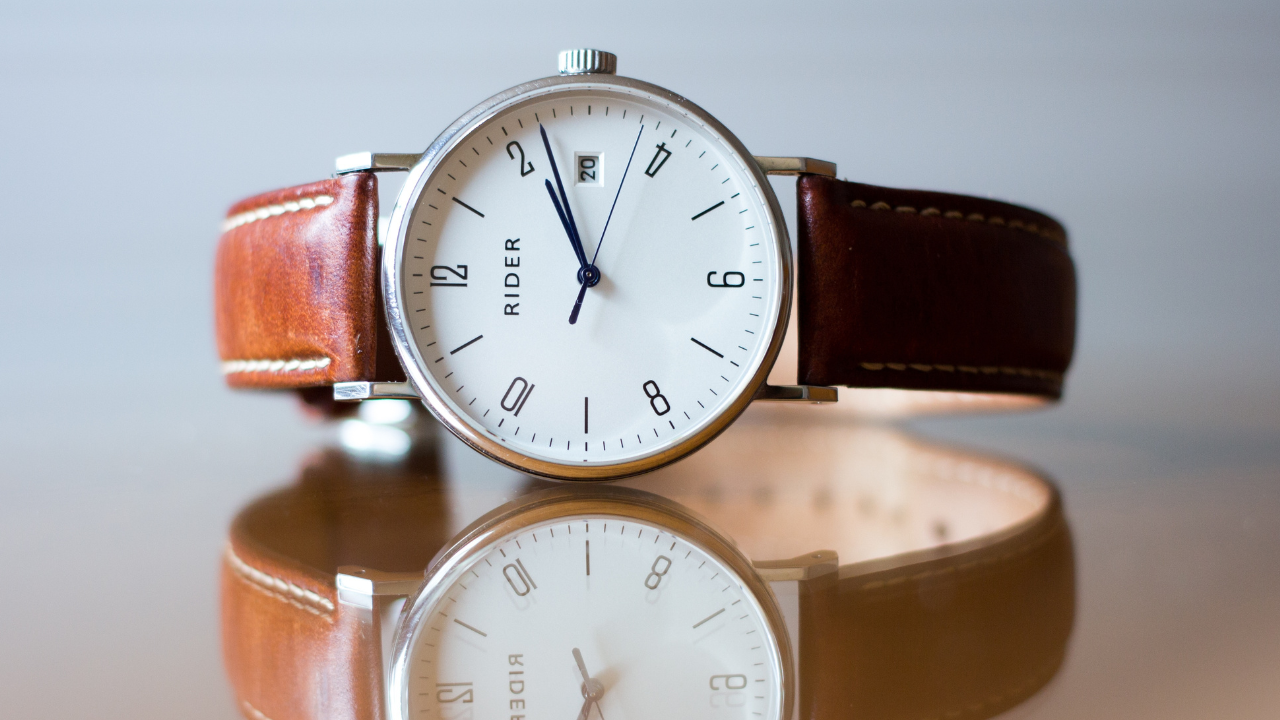
1. Leather watches
Leather watches suit shoppers who want an everyday watch with a matching strap and case. Buyers notice feel and finish quickly. Defects or unsupported material claims can trigger returns.
Check the sample,
- Order the exact color and size.
- Flex the strap and inspect its edges.
- Check the stitching, buckle, and strap life.
- Compare the delivered material with the listing.
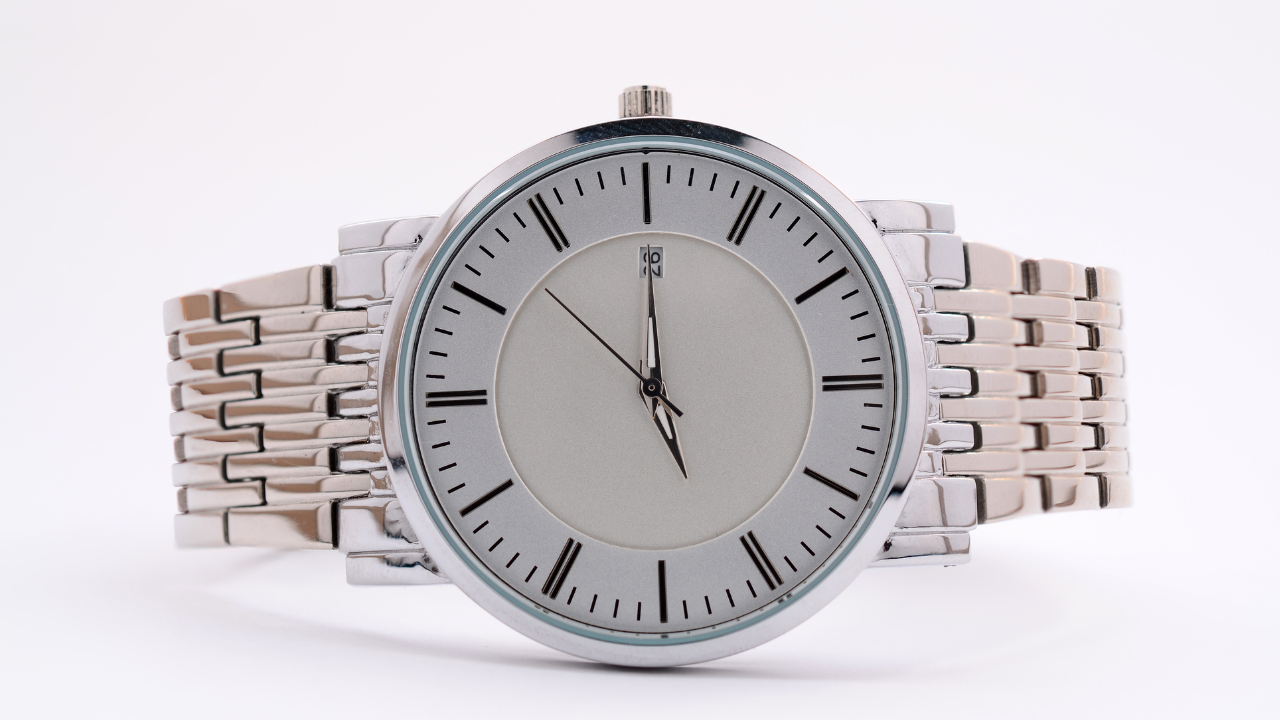
2. Stainless steel watches
Stainless steel watches suit buyers who want a metal look at an accessible price. The movement may work. The watch can still fail on finish or fit.
Inspect the sample,
- Confirm the steel grade only with a supplier document.
- Compare its weight and listed dimensions.
- Check the finish, clasp, links, crown, and bracelet sizing.
3. Nurse fob watches
Nurse fob watches clip on so buyers can check the time while their hands are busy. Support hygiene or work-use claims with records for the exact item and market. Use the sample to confirm features you can observe.
Verify these features,
- Test the clip strength and face orientation.
- Check legibility and timekeeping.
- Confirm battery access and cleaning instructions.
- Describe only the features you observed.

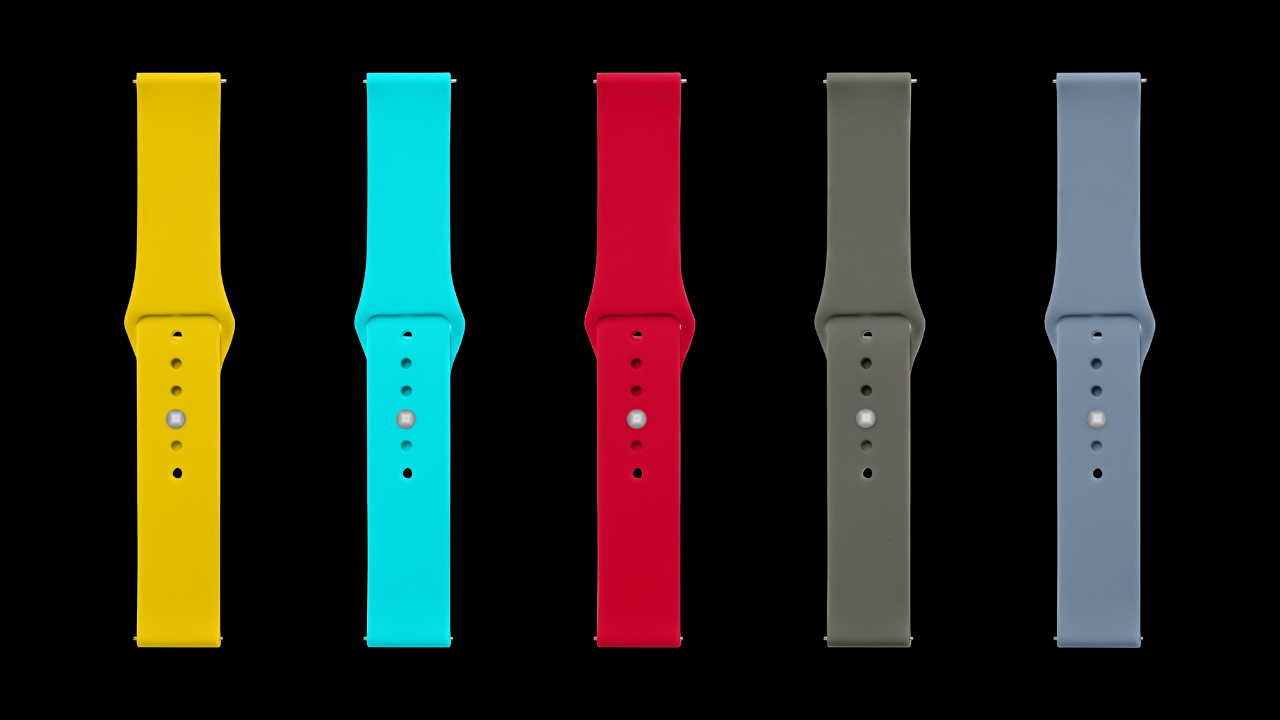
4. Smartwatch straps and accessories
Smartwatch straps and accessories work when the listing names exact compatible models and sizes. A wrong connector can make the order useless, while vague fit claims can drive returns.
Check each match,
- Verify the connector type and width.
- Check the strap length, buckle, and material.
- Name every compatible model exactly.
- Remove vague universal-fit wording.
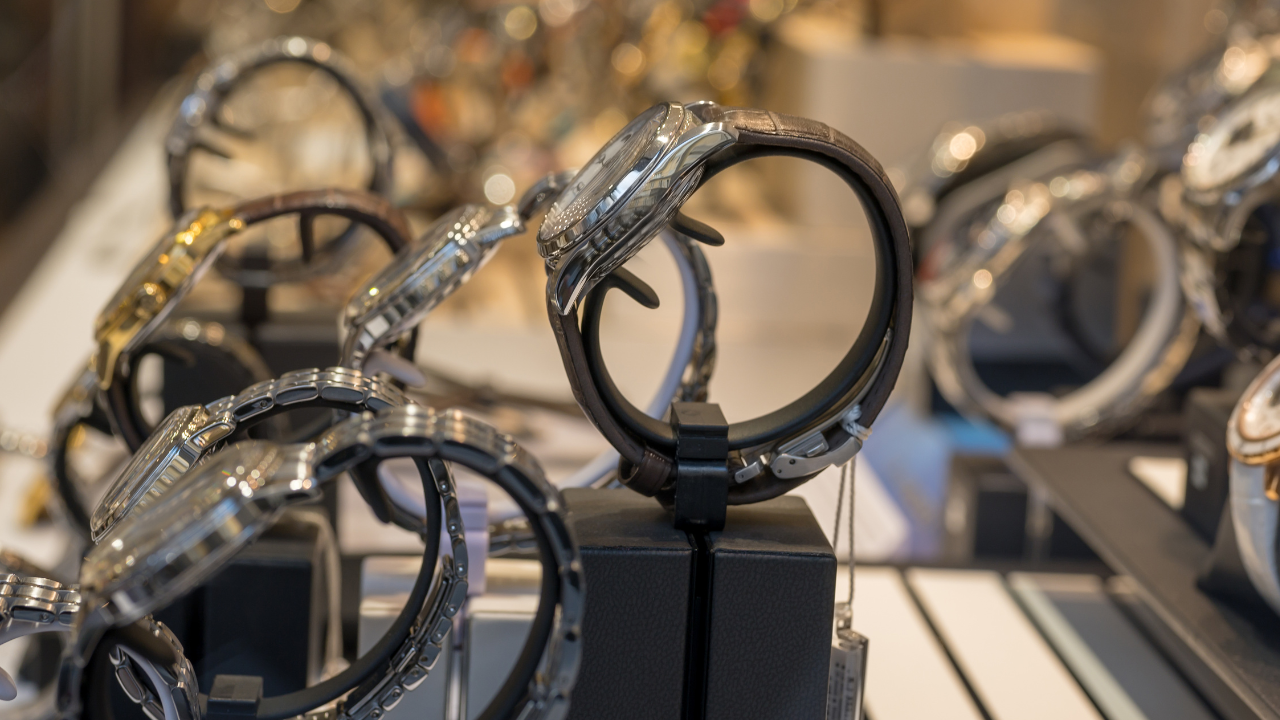
5. Watch display stands
Watch display stands suit gift buyers and people who store watches on desks or bedside tables. A weak stand can tip. A sharp edge or rough surface can mark a watch.
Test the stand,
- Load it with the heaviest watch you plan to show.
- Check for tipping, sharp edges, and weak joints.
- Rub-test the surface where the watch sits.
- Measure the base against your product photos.
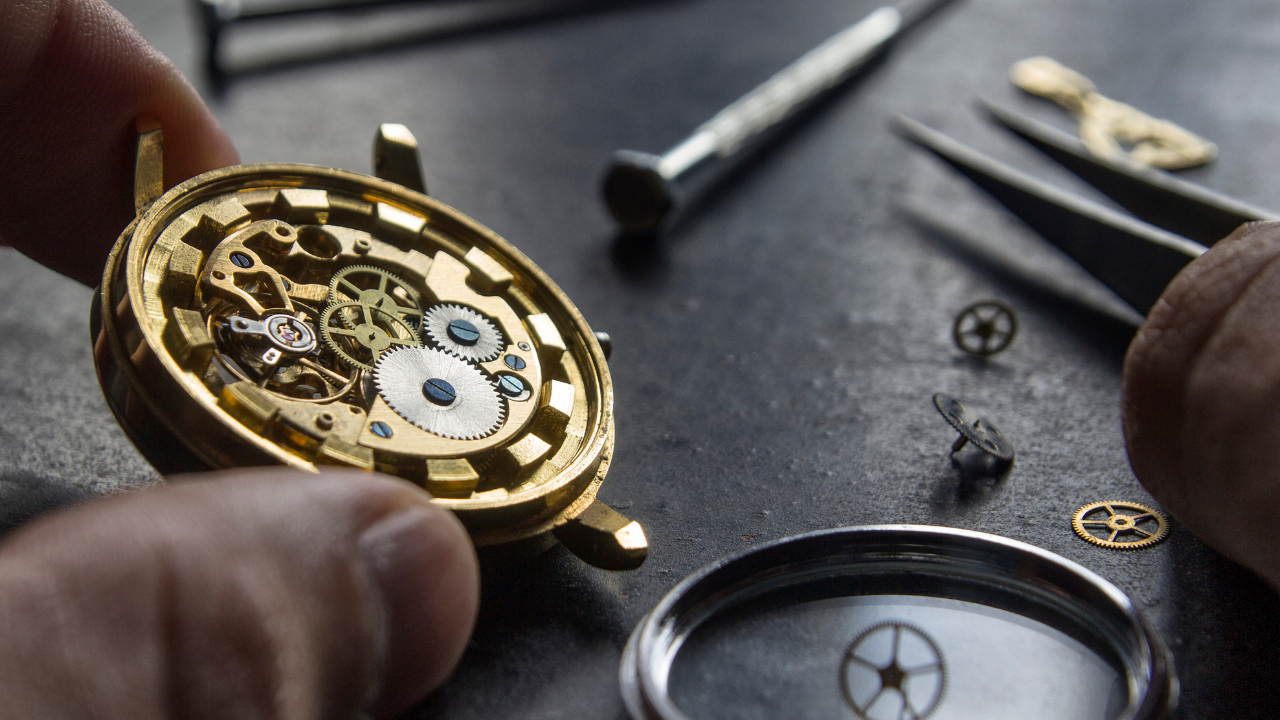
6. Watch repair kits
Watch repair kits suit basic sizing and maintenance jobs when the listing names every included tool. Cheap pins or thin handles can damage a watch. Missing pieces can cause support problems.
Check the kit,
- Open the kit and count every tool.
- Test the case and each tool.
- Match every warning to the supplier instructions.
- List only tasks those instructions support.
7. Watch travel cases
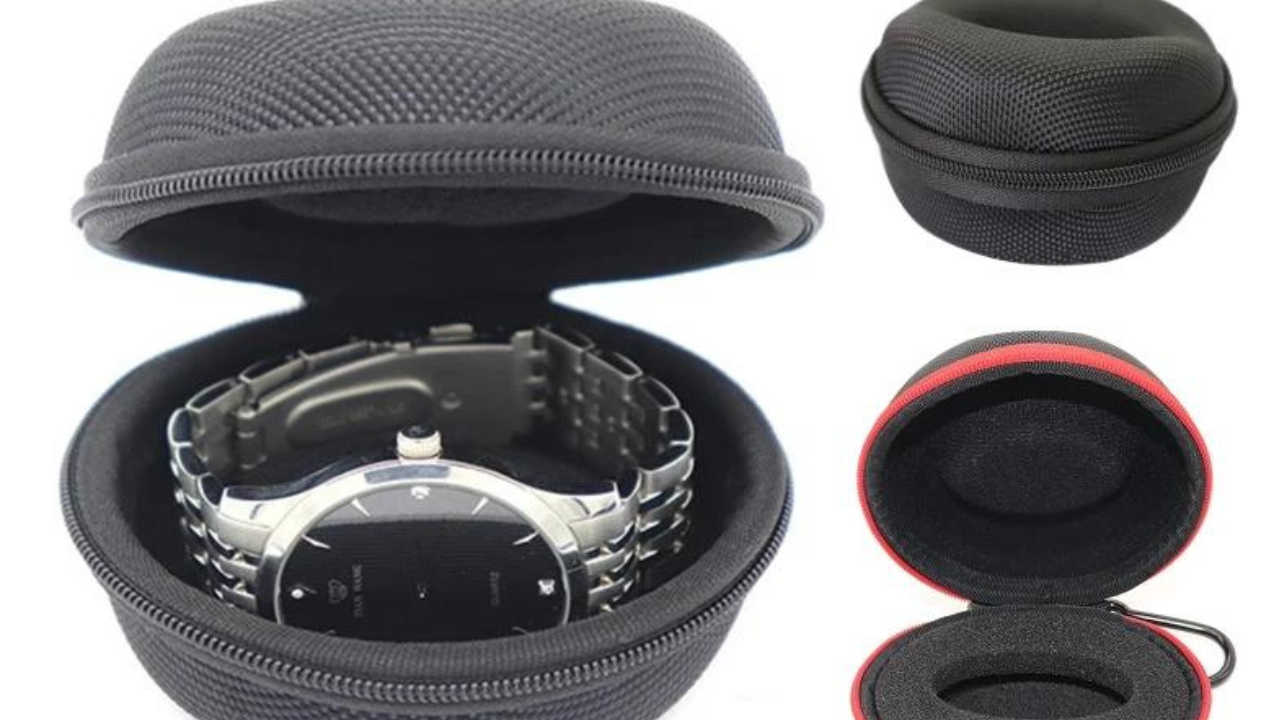
Watch travel cases protect one or more watches while a buyer carries them. Test enough room for the watch, smooth lining around the bracelet, and a zipper that stays closed.
Test the closed case,
- Measure the internal dimensions.
- Inspect the padding and lining.
- Test closure strength and check for odor.
- Check movement inside the closed sample.
Check suppliers and fulfillment
Complete the four-stage Watches Validation Record before you publish a listing.
Follow these stages in order because each one sets up the next,
- Supplier evidence.
- Sample accuracy.
- Landed cost and delivery.
- Returns and fallback.
Complete each stage in the same dated record.
1. Confirm supplier identity and product documents
Confirm the business behind the exact product. Do this before you rely on its terms or product details.
Use our product research workflow to collect supplier facts before you make contact.
Build the supplier file before contact. Save these details,
- Record the legal name and business address.
- Save contact details and the product URL.
- Add the stock-keeping unit and dated quotation.
- Ask which party makes and ships the item.
- Keep the supplier invoice and specification sheet.
- Save the material record and battery details.
- Save the source behind each supplier claim.
Find and compare candidates with our research tools.
2. Check sample quality and listing accuracy
Order the exact variant and compare it with every customer-facing detail you plan to publish.
Compare the sample with the planned listing. Record these checks,
- Compare the face, strap, and clasp.
- Measure the dimensions and weight.
- Verify the color and packaging.
- Confirm the instructions and included parts.
- Photograph the sample beside a ruler and save the date.
- Mark each claim as matched, failed, or unclear.
A clean catalog photo shows appearance. Inspect the sample for clasp feel, fit, and parcel contents.
3. Calculate landed cost and delivery promise
Landed cost is the product price plus shipping, duties, payment fees, and expected return costs.
Calculate it for the exact destination. Use the shipping method you plan to offer. A low unit price may cost more after checkout. Tracking and return shipping can erase the savings.
Build the delivery promise from written terms. Record these details,
- Use the written dispatch time and carrier range.
- Save the quote date, destination, and parcel weight.
- Record the tracking method and battery restrictions that change the route.
4. Write the return and fallback plan
Write what happens when the watch is late, damaged, faulty, wrong, or out of stock.
Plan for each common failure. Save these terms,
- Save the supplier's return address and time limit.
- Record the refund and warranty terms.
- Keep the proof requirements.
- Decide who pays return shipping for each failure.
- Add a backup supplier or refund-only response for stockouts and missed dispatch.
You remain responsible for each customer promise. That stays true when another business ships the parcel.
Start a free Dropship.io trial to compare watch candidates with the same research fields.
Screen Watches risks before listing
Stop before listing when brand evidence, product records, claim support, or channel checks are missing.
Run these screens,
- Brand and rights.
- Product, claims, and labels.
- Marketplace and advertising rules.
Each screen covers a different source of listing risk.
1. Screen brand and trademark exposure
Screen every brand name, logo, case shape, and compatibility claim before listing.
Search the current USPTO trademark basics page, then save the search date and exact wording you checked.
The eBay counterfeit policy gives one prohibited example. It describes a counterfeit watch bearing a brand's trademark.
For branded stock, save the supplier invoice. Save any written authorization that identifies the exact item and seller. Remove copied logos and unsupported brand references from generic products.
2. Screen safety, claims, and labels
Match the watch and its claims to current guidance for the market where you'll sell it. The CPSC business guidance library links to product-specific resources, including button cell and coin battery guidance.
Start with the exact item. Check these details,
- Identify the battery type.
- Record the buyer age target.
- Match the packaging and labels.
- Check the sales destination.
Save the exact source behind each claim. This may be a supplier specification, test report, label, or dated sample note. Do this for claims about durability, materials, water resistance, and safety.
Compare each claim with the proof described in the FTC's advertising guidance.
Your listing should stay within what the sample and records show.
3. Screen advertising and marketplace limits
Check the current sales-channel and ad-platform rules. Do this before you publish the product or campaign.
Review the exact listing. Check these details,
- Search the product type and battery.
- Check the brand wording and compatibility claim.
- Review the warranty and destination.
- Record the policy URL and review date in the Watches Validation Record.
Treat a badge or directory entry as evidence for the item that was reviewed. An ad approval has the same scope. Recheck the current rule after changing the product, market, or claim.
Decide before you launch
Use the completed record to move one candidate through three decisions.
Choose one of these three decisions,
- List.
- Test.
- Recheck or reject.
Start with the candidate's current evidence state.
1. List only with complete evidence
List a watch only when the required product and supplier checks support one offer.
Choose the current evidence state in the table below:
Save the decision date and the person who checked it. A new supplier quote creates a new decision record. So does a changed product page.
2. Test with a budget and stop condition
Set the spending cap and stop condition before you buy traffic. Use the current landed cost to calculate the break-even result.
End a weak test early. Stop when,
- You reach the spending cap.
- The supplier misses the service promise.
- Returns show a product mismatch.
Use current price and cost in our BEROAS calculator to find break-even return on ad spend.
A capped test shows whether enough buyers respond to the offer.
Run it only after the sample, brand, and claim checks are complete.
3. Recheck or reject when evidence changes
Recheck the supplier, stock, cost, route, return terms, claims, and channel policy before increasing volume. Date every refreshed source and compare it with the record that approved the test.
Increase volume only when the current terms and claims still match the approved record. Reject the offer if a required conflict remains.
Run a new check after any of these changes,
- The product variant or destination changes.
- A new supplier replaces the old one.
- The listing adds a new marketing claim.
FAQ
Can I research watches without a paid tool?
Yes, by collecting marketplace listings, supplier records, samples, freight quotes, and current policy pages yourself.
Should a beginner start with watches or accessories?
Accessories are often easier than watches because they avoid movement and timekeeping checks, but compatibility still needs review.
How long should I keep rejected product records?
Keep dated rejection records to see when a supplier, product, cost, or policy changes.


