

15 Best Evergreen Products to Dropship Year-Round
This guide compares 15 evergreen product candidates on recurring demand, margin, shipping, and return risk, then runs an Evergreen Durability Test across demand, customer use, order economics, and supplier proof before you commit to any of them.
The best evergreen products solve needs that come back throughout the year. A strong candidate also has workable margins, simple shipping, low return risk, and a clear customer.
The 15 ideas below still need product-level research.
I've run a print-on-demand apparel store. A second store sold niche products through Shopify.
In both, sizing and shipping could weaken a safe-looking product. So could rising customer acquisition costs.
Key takeaways
What makes demand durable enough to revisit?
Revisit products with repeat buyers and offers that work after costs, shipping, returns, and product requirements. A broad category may last for years. One version can still fail on price, quality, or delivery.
Look for a repeat-demand pattern such as,
- Replenishment: Buyers use the item up or replace it after wear.
- Routine use: The product helps with cleaning, cooking, exercise, care, or keeping things tidy.
- Life change: New pets, homes, devices, or hobbies keep creating buyers.
- Personal taste: Fresh colors and designs create repeat purchases around the same need.
A repeat-demand pattern gives you a reason to investigate. Your offer still needs a clear customer and enough margin.
Run the Evergreen Durability Test
The Evergreen Durability Test checks whether a product with recurring demand passes four business checks.
Each check exposes one way the offer could fail.
The test has four checks,
- Demand over time
- Customer use
- Order economics
- Supplier proof
Use our product research workflow when a candidate needs a full evidence record.
1. Compare the five-year pattern with today
Long-range search data tests durability, while recent product or store signals confirm current demand. Either view alone leaves a gap.
Google Trends samples and normalizes search interest. Its values compare relative popularity by place and time.
Treat the Google Trends result as one data point. Use another source for sales.
Save the query, market, category, time range, and pull date. In Product Library, record price, sales, and revenue. Save the variant filters behind the reading.
Alt text: Dropship.io Product Library filter controls for price, sales, revenue, product images, and variants.
If the query has one sharp spike or too little history, use our trend discovery guide.
2. Prove the offer solves a recurring need
A recurring offer ties one product to a repeated task or buying reason for a specific customer.
Name the product, customer, and repeated job. An odor-resistant lunch bag for office commuters does all three.
Compare three current offers for the same customer and use. Record the price, delivery promise, bundle, material, size, and review themes. Look for one difference a buyer can see before checkout.
It could be an original design or better bundle. Clearer sizing or a one-use version may also stand out.
Confirm the quantity, price, and sample with the supplier. Commit to customization after those details match your plan.
3. Price the product for an ordinary month
An ordinary-month price must cover the delivered product, sales costs, problems, and the cost of reaching buyers. Strong sales can make an offer look profitable. Unusually cheap ads can do the same. The offer may still lose money in ordinary months.
Landed cost is the product's total delivered price. It includes the item, freight, and insurance. Tariffs, taxes, and other fees also count.
Payment fees, refunds, replacements, and customer acquisition complete the order cost. Add each one before checking margin.
Low-ticket products often need a multipack or bundle. Compare the single-item and bundle margins.
For print-on-demand products, original designs must cover the full order cost. Buyers must accept the resulting price.
Enter packed dimensions in the ordinary-month calculation for every bulky product. Add the supplier's quoted shipping cost.
Use our high-margin products method for the full calculation.
4. Confirm the supplier can repeat the promise
Confirm that the supplier can repeat the product, packaging, processing time, and return terms behind your customer promise.
Run these supplier checks,
- Get the product, packaging, delivery, and return terms in writing.
- Order the same variant with your planned shipping method.
- Record processing time apart from carrier time.
- Check the delivered size, material, color, and included parts.
- Match package condition and return address to the listing and supplier message.
- Save the sample date and photos.
- Match safety, performance, food-contact, or environmental documents to the exact model, material, and market.
Use Sales Tracker to watch your strongest candidates through the review window.
Create a season-neutral candidate record
A useful candidate record shows why a product may sell all year and where the order can fail.
Promote an idea from candidate status after its dated record passes the test above.
Before testing, record your minimum ordinary-month margin and maximum packed shipping cost. Also record the latest acceptable delivery date and current-sales review date. Mark fit, material, claim evidence, and return terms as required pass fields.
15 evergreen products to validate
Start with T-shirts, phone cases, pet-care items, workout gear, home goods, art supplies, and tote bags.
Use this table to choose the first check for each product:
Our BEROAS calculator shows the paid-traffic limit for each candidate's price and cost.
1. Print-on-demand T-shirts
Clothing wears out, and fresh designs can bring past buyers back. People in a narrow hobby, job, place, or identity group are the best fit.
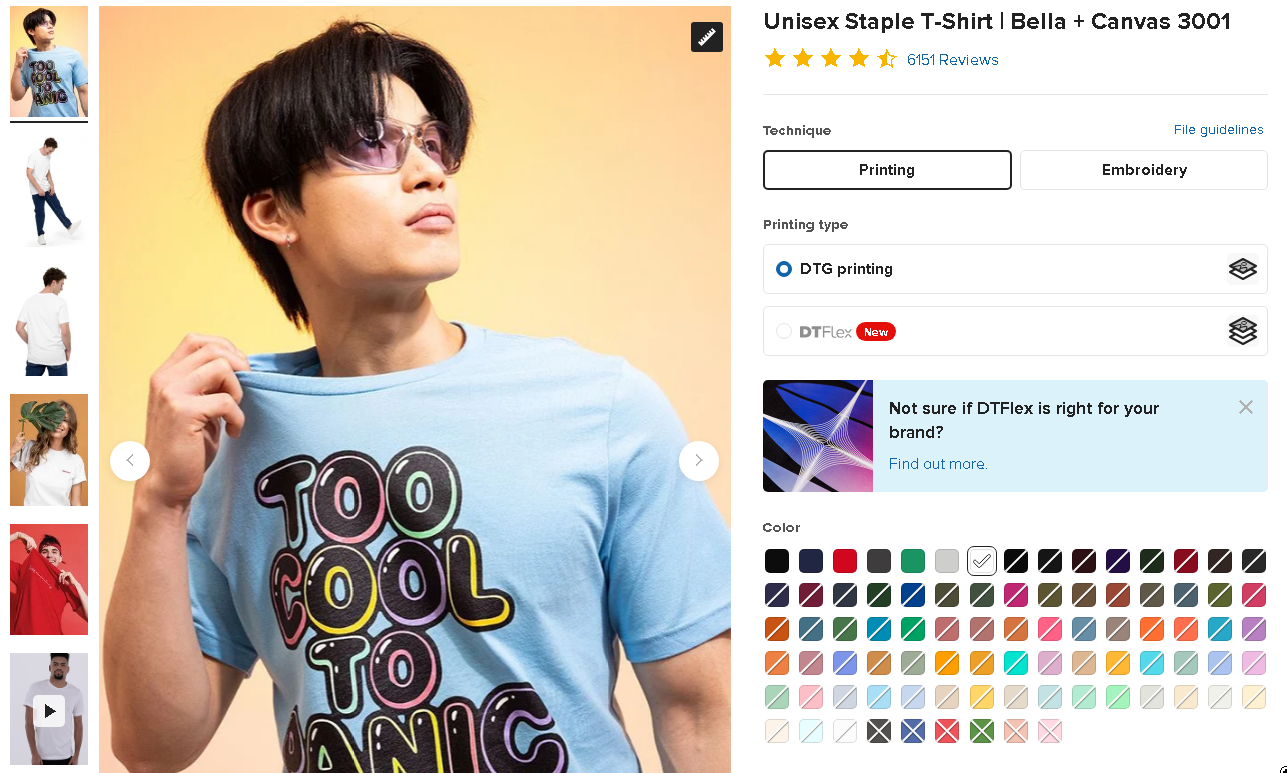
Original artwork can improve margins. Two-shirt orders can raise them again, while lightweight fulfillment keeps shipping simple. Generic art, crowded ads, color differences, and size returns can wipe out that advantage.
2. Phone cases
People replace cases after damage, new phone launches, or a style change. Each phone model gives you a clear customer.

Personalization can raise the order value while keeping the parcel small. One generic case leaves little margin. Wrong model mapping and weak magnets create risk. So do yellowing materials and fast device turnover.
3. Pet grooming brushes
Shedding and coat care recur throughout a pet's life. Groomers and cat or dog owners have a steady use case.

A brush, comb, and cleaning-tool bundle can beat one commodity brush. The parcel also stays small.
Inspect the pins and handle on a sample. Then test the brush for the intended coat type. Sharp pins, weak handles, and unsupported grooming claims can sink the offer.
4. Stainless-steel pet bowls
Many cat and dog owners need feeding bowls. People who get a new pet keep entering the market.

Raised stands, matching pairs, or slow-feed inserts can earn more than a plain bowl. Steel is dense, while stands add dimensional weight. Quote the packed set. Commodity competition, dents, unstable bases, and size returns can quickly hurt the offer.
5. Resistance band sets
Home exercisers and travelers use resistance bands all year. They use them for strength and mobility routines.

A graded set can earn more than one band. Add handles, anchors, and a storage bag. The kit also ships cheaply.
Bands can snap or smell, and unclear resistance labels bring complaints. Test the exact set before you sell it.
6. Yoga mats
People practice yoga, stretch, and work out at home throughout the year. Beginners building a home setup give you a clear customer group.

Thickness, grip, printed designs, straps, and paired blocks can raise the margin. Long rolled parcels can trigger dimensional shipping charges. Curling edges, odor, weak grip, and misleading thickness photos drive returns.
7. Desk cable organizers
New devices and changing workspaces create cable clutter. Remote workers, students, and gamers all face it.

Mixed kits can include clips, sleeves, ties, and labels. They can raise the order value while keeping parcel weight low.
A low single-item price makes paid ads hard to cover. Weak adhesive, trouble with some surfaces, and pieces that look larger online often cause problems.
8. Microfiber cleaning cloth packs
Households, cleaners, and car-detailing customers use microfiber cloths. They replace the cloths when they get stained or worn.
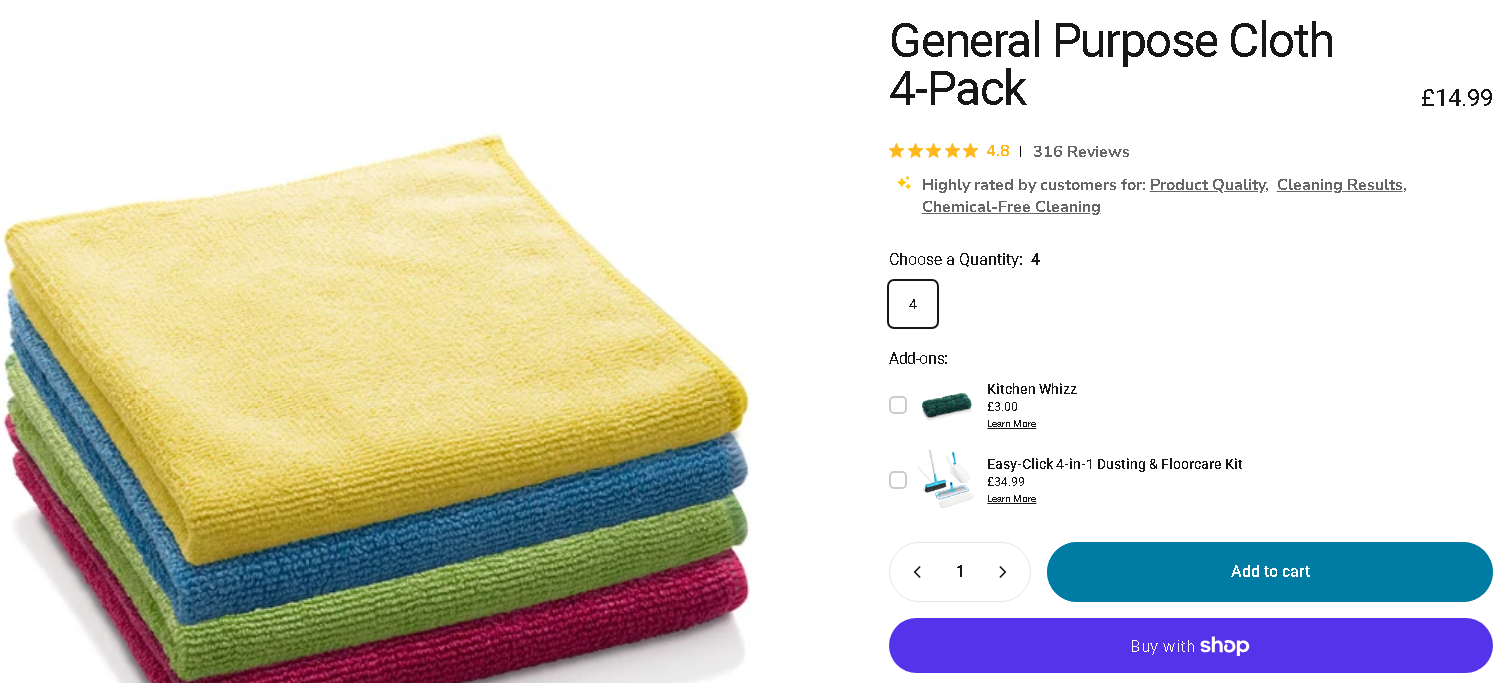
Color-coded multipacks can create a workable basket. The compressed parcel stays cheap to ship.
Competitors can copy the category with ease. Thin fabric, shedding, and weak absorbency can hurt the offer. A low order value can also make paid traffic too costly.
9. Manual cleaning brush kits
Renters and homeowners face repeat cleaning jobs. The work covers kitchens, bathrooms, grout, and pet messes.
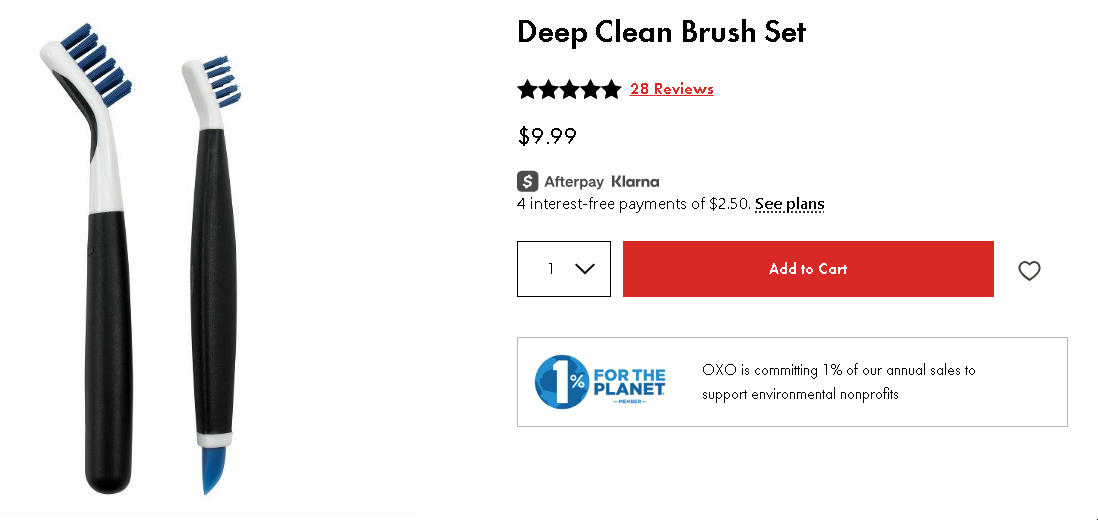
A task-specific kit can pair narrow brushes, scraper-safe tools, and storage. That bundle can earn more than one brush.
Shipping is usually simple, but long handles waste space. Bent bristles, cracked handles, and exaggerated cleaning demos can quickly produce refunds.
10. Silicone kitchen utensil sets
People cook every week. New homeowners and buyers replacing worn tools keep buying utensils.
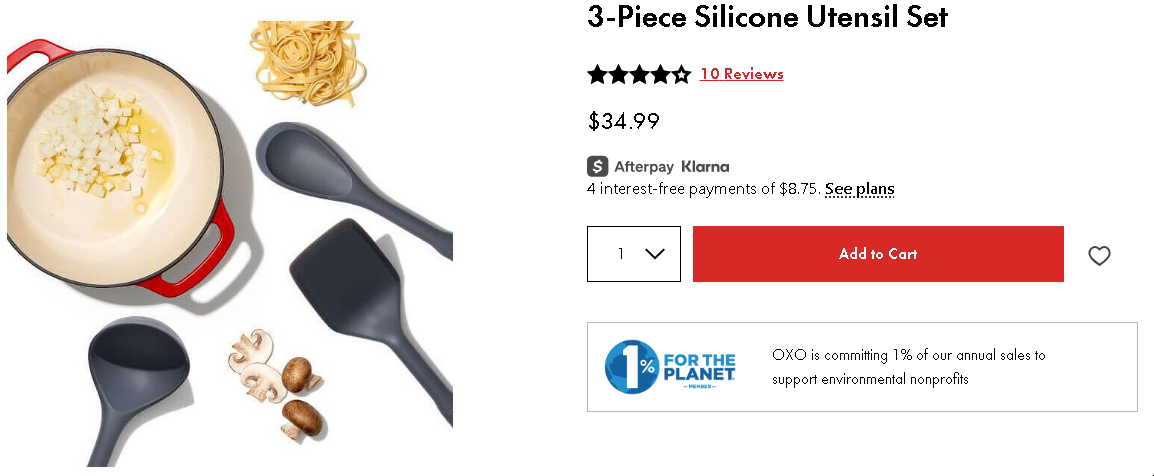
A color-matched set with a holder can sell for more than one spatula. Nested pieces reduce parcel size.
Match each material and heat claim to supplier documents for the exact set. Do this before publishing the claim. Odor, staining, loose handles, and flimsy tools can sink the offer.
11. Food-storage container sets
Households use container sets for meal prep and leftovers. Pantry organization adds another steady use.
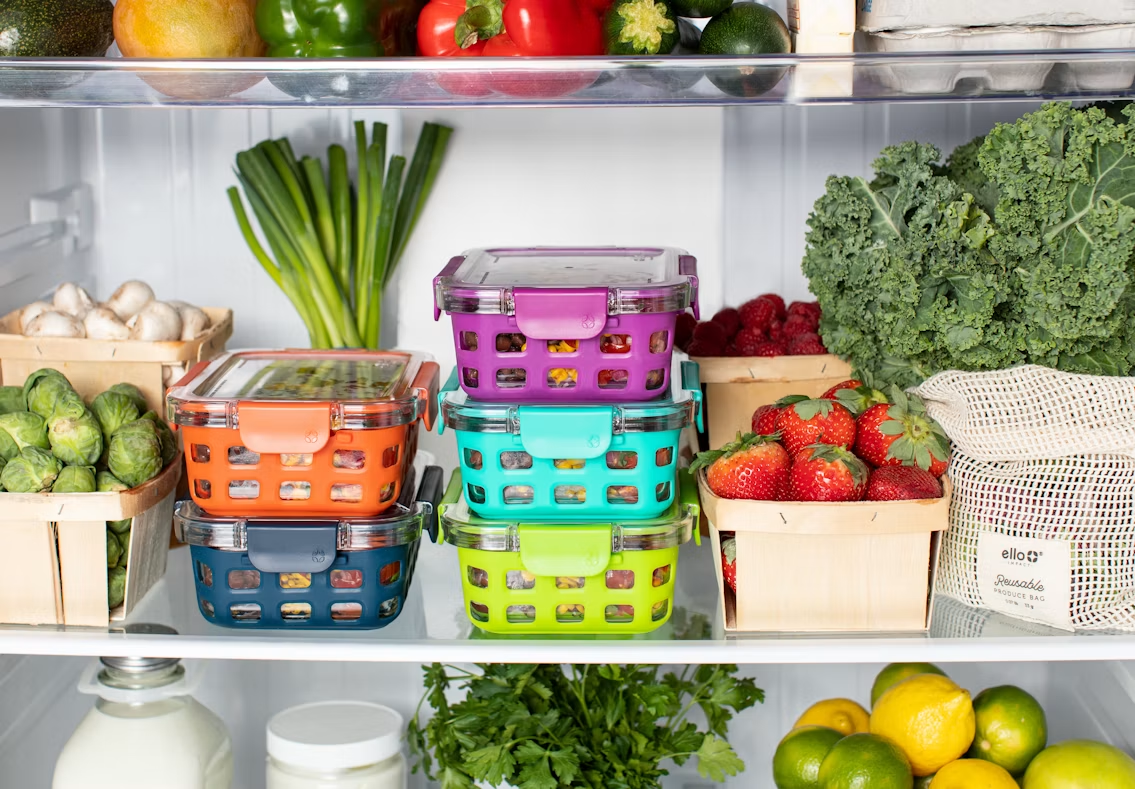
Nesting sizes, matching labels, or lunch accessories can improve the margin. Empty containers still take up parcel space, and lids can crack or disappear during shipping. Leaks, warped plastic, and material questions make samples essential. Clear dimensions help buyers choose.
12. Throw-pillow covers
Renters and homeowners refresh rooms by changing a small textile. That keeps pillow covers relevant all year.
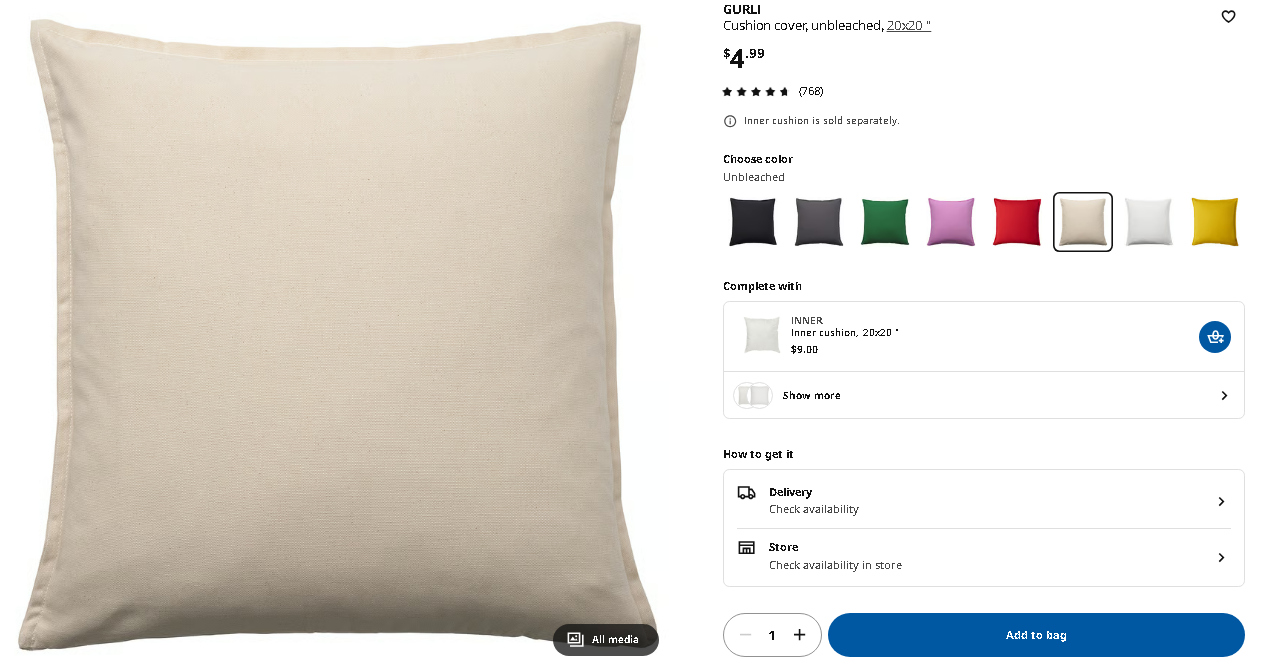
Coordinated pairs, original patterns, and personalization can add margin. The parcel stays flat and light.
The category is crowded. Buyers use the photo to judge the cover's color, texture, and size. Color mismatch, weak zippers, and unclear sizing cause returns.
13. Print-on-demand wall posters
People decorate homes, offices, and dorms throughout the year. They also buy posters as gifts. Target people interested in one narrow subject.
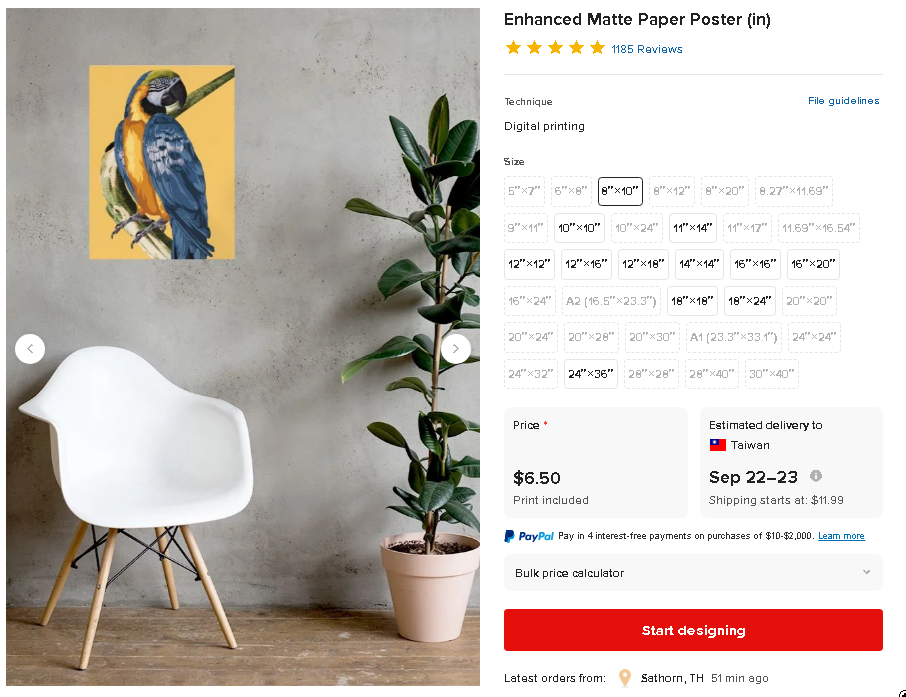
Original art, coordinated sets, and optional frames can support margin. Unframed posters ship in tubes or rigid mailers. Creases, crushed edges, print-color differences, and copied artwork remain the main risks.
14. Acrylic paint brush sets
Students and hobbyists replace worn brushes. They also add new shapes as their projects change.
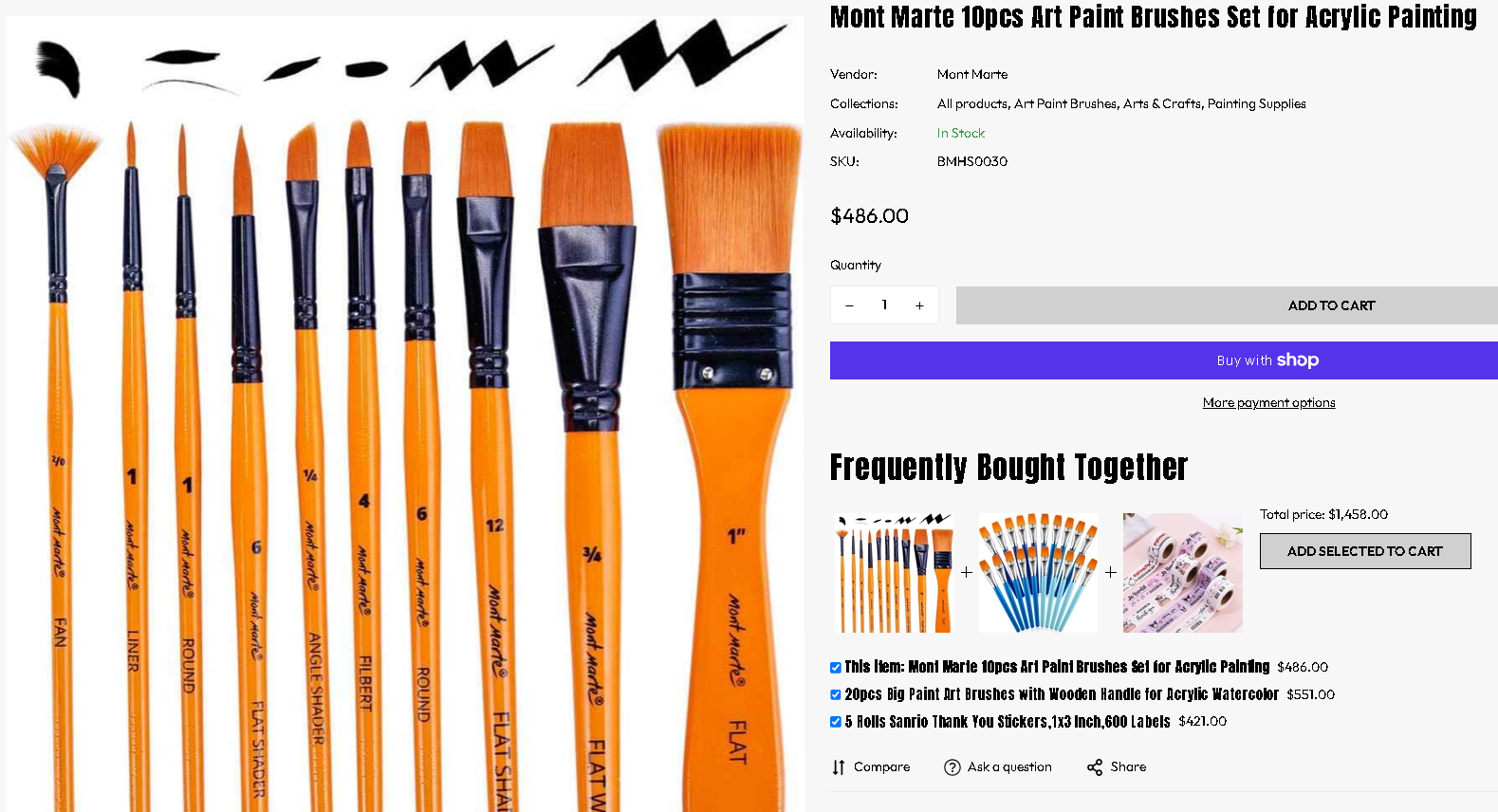
A beginner set may include a case, mixing tools, or brush care. It can raise margin while keeping parcel weight low. Ship a sample in the planned packaging and inspect the bristles after delivery. Shedding hairs, loose ferrules, cracked handles, and vague size photos can sink reviews.
15. Reusable tote bags
Shoppers, commuters, event groups, and niche communities use tote bags. The bags carry items and show identity.
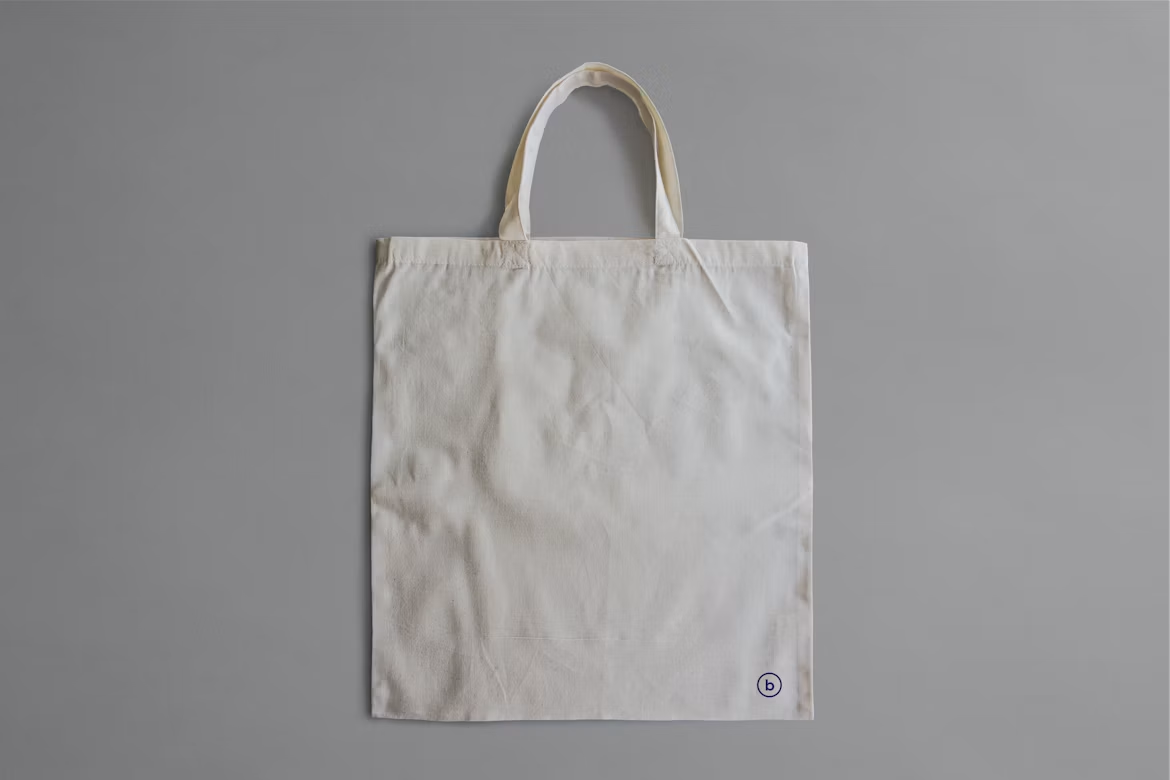
Original prints, multipacks, or heavier fabric can add margin. Folded bags fit in small parcels.
Generic totes compete on price alone. Thin handles, weak seams, print cracking, and unsupported environmental claims are the main drawbacks.
Rank passing records by ordinary-month margin, shipping and return risk, and customer clarity.
Take the top three into our find winning products workflow.
Cut products that only look evergreen
Reject a candidate if it fails your written rule for ordinary-month margin, delivery, returns, or product proof.
Recurring orders multiply financial losses when the unit economics fail. They multiply complaints when product quality or delivery fails.
Use these rejection triggers,
- Reject offers below your written minimum ordinary-month margin after traffic and expected refund costs.
- Accept a delivery window only after confirming the route and packed parcel size.
- Confirm fit, size, material, and device compatibility for every listed variant.
- Require supplier documents that match the exact item.
- Publish performance, health, or environmental claims only when evidence supports them.
- Name one customer and recurring use before targeting an audience.
Online sellers can find product-specific safety help in the CPSC Business Education library.
The FTC advertising library has separate claim guidance. It covers general, health, and environmental claims.
Approve the candidate only when its supplier-document, sample, and claim-guidance fields all pass.
FAQ
How long should you track evergreen demand?
Track current sales through one ordinary month and the supplier's full sample-delivery window. Use a five-year view only for long-term demand.
Can an evergreen product still be seasonal?
Yes. Its peak can change the price, traffic cost, or shipping deadline.
When should an evergreen candidate leave the shortlist?
Archive a candidate when the supplier changes a validated product, including its packaging, delivery terms, or supporting documents. Start a new record for the changed offer.


