

Low-Competition Dropshipping Niches: Validate Before Listing
Evaluate 11 narrow niche candidates by current demand, supplier fit, product risk, and a validation record that defines when to test or reject.
Most profitable niches with low competition start with one narrow product you can verify. Check its demand, costs, supplier, and room to compete before you buy traffic.
A niche list gives you candidates. Current product evidence shows which one deserves a test.
I ran a print-on-demand store and learned one lesson. Compare the customer promise with the supplier's real process before you publish.
By the end, you should have one product record ready for a small test.
Key takeaways
What makes low-competition niches worth testing?
Test a low-competition niche after you can name the product, buyer problem, supplier, full cost, and main risk. The niche narrows your search. The product record shows whether you can cover returns, ad costs, and what buyers expect.
Low competition can hide a weak market or a hard product. A small seller count deserves a closer look. It may reflect poor demand, costly shipping, or strict channel rules.
The niche name is only the first filter.
Shortlist Low-Competition Niches
Research the named products below as separate candidates instead of judging a broad niche at once.
Sales and profit still depend on your evidence and test.
Compare these product candidates,
- Wall art: compare abstract print sets and recipe prints.
- Pet products: inspect reusable puppy pads and grooming accessories.
- Supplement accessories: start with pill organizers and protein shakers.
- Home office: compare cable kits and desk organizers.
- Maternity: inspect pregnancy pillow covers and labor combs.
- Home fitness: compare resistance bands and running vests.
- Eco-friendly products: inspect reusable makeup-remover pads.
- Adult wellness: compare discreet storage cases and lingerie accessories.
- Coffee: inspect brewing tools and insulated travel mugs.
- Car accessories: compare trunk organizers and car bins.
- Jewelry: inspect adjustable necklaces and jewelry-making kits.
Our winning product guide shows how to turn a candidate into a documented test.
1. Wall art: abstract print sets
Abstract print sets let one design support several sizes and bundles.
Recipe prints and original geometric sets can target a room, style, or gift use.
Print quality decides whether the idea survives. Order the same design in each planned size. Compare its color and cropping. Reject artwork you can't prove is original or licensed.
2. Pet products: reusable puppy pads
Reusable puppy pads solve a repeated cleanup problem and support several sizes or pack counts.
Grooming gloves and small-animal accessories offer lighter products that are easy to show.

Check absorbency, backing grip, wash steps, and packed weight on a sample. Large beds, crates, and cat trees cost more to return. A small refund can become expensive.
3. Supplement accessories: pill organizers
Pill organizers and protein shakers let you test the supplement audience with a simple accessory. Storage, travel, and mixing are clear buyer needs. You can show them without making a health claim about the item.

Defer vitamins, powders, and gummies until you can verify the exact product. Check supplier records, destination rules, and every health claim. A broad market trend can't cover those gaps.
4. Home office: cable-management kits
Cable-management kits solve a clear home-office problem in a light package. They also suit before-and-after content. Desk organizers and laptop stands can reach the same audience if their shipping costs work.

Alt text: A laptop and coffee cup on a clean home-office desk.
Test the glue, surface fit, item count, and package size. Furniture and powered devices bring more risk. Breakage, warranties, and high shipping costs may sink a first test.
5. Maternity: pregnancy pillow covers
Pregnancy pillow covers offer comfort and replacement use without the bulky pillow. Labor combs and maternity clothing are other focused options. They need the same careful claim check.

Exact sizes, fabric details, wash care, and plain copy matter here. Reject supplier text that makes unproven safety, pain-relief, or medical claims.
6. Home fitness: resistance-band kits
Resistance-band kits pair a familiar workout item with handles, anchors, or storage. Running vests and light exercise steps fit the same niche. Each one solves a different buyer problem.
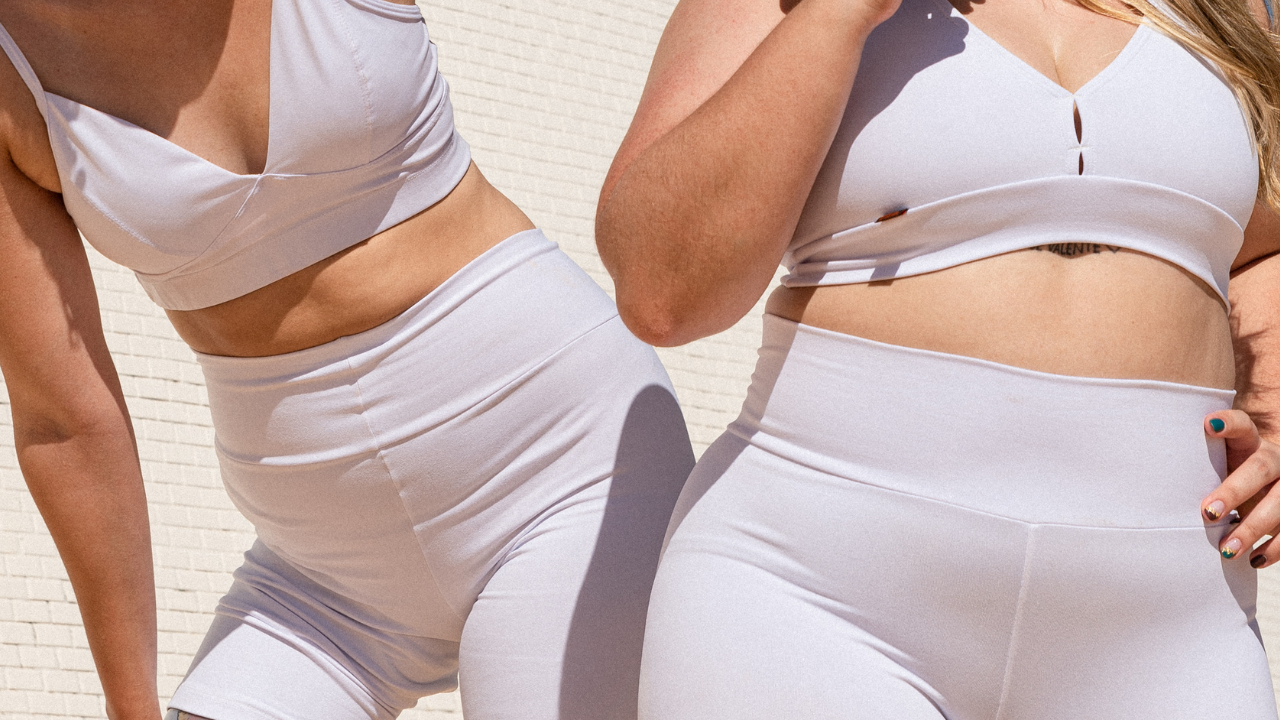
Pull, stretch, and inspect a sample before you plan demonstrations. State materials and included parts without promising a body change or health result.
7. Eco-friendly products: reusable pads
Reusable makeup-remover pads offer a washable product with a simple use case. Beeswax wraps and reusable bags are nearby ideas. Each material needs its own proof.
Alt text: A reusable cloth bag beside a phone showing a recycling symbol.
Record the fabric, expected reuse, wash steps, and packaging. Save the supplier files that support words such as sustainable, vegan, and eco-friendly for that item.
8. Adult wellness: discreet storage cases
Discreet storage cases give adult-wellness buyers a practical way to protect their privacy. Lingerie accessories are another light, non-electric option. Check that each sales channel allows the offer.
Check packaging, materials, age limits, ad access, and marketplace rules before branding. Any one of them can stop the idea. Limited reach can erase the competition advantage.
9. Coffee: brewing accessories
Pour-over tools, coffee scoops, and travel mugs let you reach coffee buyers with an accessory. They can also support gifts and bundles.

Alt text: Roasted coffee beans filling the frame.
Match each item to common cup or brewer sizes in your market. Coffee itself adds questions about freshness, labels, and shipping. Review those points with the supplier.
10. Car accessories: trunk organizers
Collapsible trunk organizers solve a storage problem across many vehicle types. Car bins, document holders, and cleaning putty offer lighter options if the organizer is too bulky.

Alt text: A red and black car interior viewed from the passenger side.
Check the folded size, loaded seams, fasteners, and material odor. Choose safety gear or model-specific parts only with complete product and fit records.
11. Jewelry: adjustable necklaces
Adjustable necklaces avoid the fixed sizing that makes rings harder to fulfill. Jewelry-making kits can reach hobby buyers. Simple storage pieces can suit gift buyers.

Alt text: Gold necklaces and rings arranged in a white dish.
Wear-test the finish, clasp, chain, and packaging. Record the stated materials. Reject copied logos, character designs, or quality claims the sample can't support.
Check suppliers and fulfillment
Check supplier evidence in four stages before you publish a listing. Each step gives you information you need for the next one,
- Identity and documents: match the supplier to the exact product.
- Sample and accuracy: compare the delivered item with the planned listing.
- Cost and delivery: price the complete route and customer promise.
- Returns and fallback: decide what happens when fulfillment fails.
Work through the stages in order because each choice depends on the one before it.
1. Confirm supplier identity and documents
Supplier evidence links a named business and exact product to your listing choice.
Save the supplier page, contact details, and product code. Keep the specs, materials, variants, written terms, and files with them.
Use our product research workflow to record market evidence before you ask a supplier to fill the gaps.
Alt text: Dropship.io Product Library filters for price, sales, revenue, product count, images, variants, reviews, and categories.
Our research-tools guide can help you find candidate suppliers.
Verify the business behind each result. A directory badge or polished listing can't replace that check.
2. Check sample quality and listing accuracy
Order a sample to the place you plan to serve and compare it with the planned listing. Check its size, color, materials, function, packaging, instructions, and parts.
Photograph every mismatch and ask whether the supplier corrected the product or only the description. Reject the candidate when your promise can't match what arrives.
3. Calculate landed cost and delivery promise
Landed cost includes the item, shipping, fees, and other known costs for each order. Add expected refunds and replacements on their own line.
A damaged parcel still costs you money.
Use the sampled route to write the delivery range. A cheap quote from another method or destination doesn't support the promise on your store.
4. Write the return and fallback plan
Write who handles returns, damage, loss, stockouts, and replacements before the first order. Record the return address and response time. Add the refund terms and proof the supplier asks for.
Name the fallback action for each problem you can accept. You might use another supplier, pause the listing, refund, replace, or cancel the order. Ask the supplier to put the process in writing. Reject the item if they refuse.
Screen Low-Competition Niches risks before listing
Screen the exact product, destination, claims, ad, and sales channel before launch. Complete these three checks,
- Brand and rights: clear the names, images, designs, and supplier permissions.
- Product and claims: match guidance to the item and every promised outcome.
- Channel access: review the current ad and marketplace rules you plan to use.
Save each result with the product record before you move to the next check.
1. Screen IP and branded-product exposure
Search the planned product name, logo, artwork, and supplier images before use. The USPTO trademark search supports US brand research. A search result alone does not settle whether your use is safe.
Save licenses or permissions with the product record. Remove copied characters, logos, celebrity images, and designs whose source you can't trace.
2. Screen safety, claims, and labeling exposure
Match the exact item to current product guidance and review every statement you plan to publish. The CPSC Business Education Library organizes US guidance by product. It links to testing, certification, and labeling resources.
Use the FTC's advertising guidance to review green, health, review, or endorsement copy.
The guidance can reveal claims that need more proof. Narrow or remove wording the product record can't support.
3. Screen advertising and marketplace limits
Review the current rules for the product, image, audience, destination, and sales channel. Save each policy URL and review date in the record. Then mark the result supported, unresolved, or rejected.
Run this check again when you change the ad or marketplace. A product that fits one channel may need new copy, images, or targeting elsewhere.
Use Dropship.io Sales Tracker to record a dated store-sales observation before supplier outreach.
Record the product specification before listing a low-competition candidate.
Decide before you launch
Use the completed record to list, test, or reject each candidate before you buy traffic. These three choices use the record in different ways,
- List: publish only when every required field is complete.
- Test: run a small test when supplier, risk, and cost checks pass but demand stays uncertain.
- Reject: record the failed or unresolved field and move on.
Choose the first option your current record can support.
1. List only with complete evidence
List a product when its demand, supplier, sample, costs, shipping, returns, claims, and channel checks support one offer. Record the review date beside each field.
Publishing still creates a test of real customer response.
Keep the record available. Support and refund decisions should follow the promise you verified.
2. Test with a budget and stop condition
Set a budget, test period, order cap, refund limit, and allowed delivery failures before launch. Stop the test when any limit breaks, even if you have already paid for traffic.
Before funding, use our BEROAS calculator to find your break-even return target.
3. Recheck current terms before scaling
Recheck supplier price, stock, dispatch, returns, product files, and channel rules before raising spend. Put the new date beside the old one so you can see what changed.
Scaling makes every hidden gap more costly. A fresh check confirms whether your test terms still apply.
FAQ
Do I need a paid tool to research these niches?
You can compare listings, search results, social posts, supplier terms, and samples by hand. A paid tool can save time and keep several evidence fields together.
How long should I keep supplier evidence?
Keep the record while the product is listed, and preserve the version that supported each major change. Add dates so a new file never erases the promise used for an earlier order.
Can I test products from several niches at once?
You can, but separate records and budgets keep one product's result from hiding another's failure. A first test is easier to read when it changes one major product decision at a time.


