

What Do People Buy the Most Online?
Presents 11 major online shopping categories with 33 specific product ideas and a four-step Category-to-SKU Drilldown for turning broad category demand into one sellable, validated item.
What Do People Buy the Most Online? 33 Product Ideas
The products people buy most online range from clothing and electronics to food and pet supplies. Category rankings show broad demand. Product viability comes from evidence for one exact item. Check its demand, competition, cost, and shipping.
When I ran one-time Shopify stores, I learned to check shipping and returns. I also check acquisition costs before I call an idea viable.
Start with the category evidence below. Then pick one example. It should serve one specific buyer. You should be able to price, source, and ship it.
Key takeaways
Current evidence on online shopping categories
A 2025 survey of 24,000 recent online buyers gives one current cross-category comparison.
DHL published its 2025 E-Commerce Trends Report in 2025. It surveyed 24,000 online shoppers in 24 countries. Each person had bought something online in the prior three months.
People could choose more than one category. The percentages show how many shoppers bought from each category. They aren't shares of total spending, so you can't add them together.
The results compare like this:
What do people buy the most online?
The most common online purchases fall into 11 broad categories, from clothing to pet products. They are,
- Clothing and accessories
- Electronics and accessories
- Footwear
- Beauty and personal care
- Home furnishings
- Books
- Sports, leisure, and outdoor products
- Household products, including kitchen items
- Toys and games
- Food and beverage products
- Pet products
Each section gives three research candidates plus buyer, competition, fulfillment, and suitability checks.
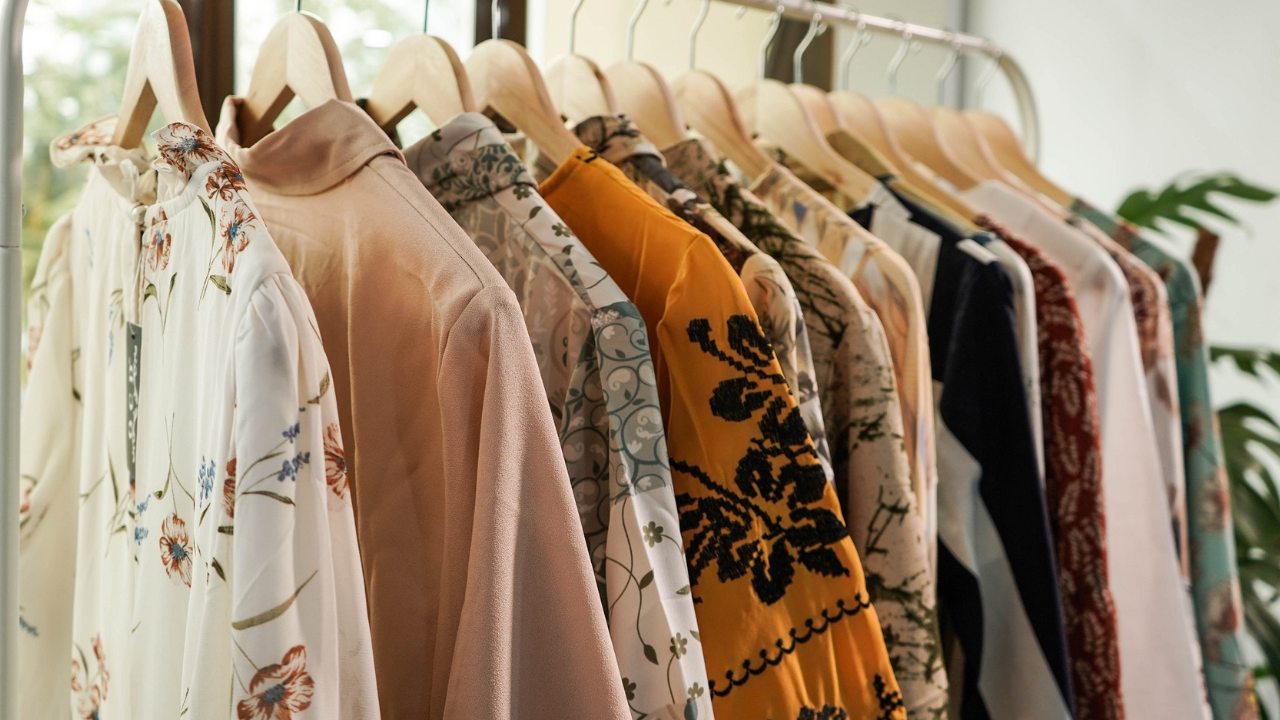
1. Clothing and accessories
Clothing attracts a broad audience, while compact accessories cut much of apparel's sizing risk.
Here are three different candidates,
- Belt bags give commuters hands-free storage.
- Cotton baseball caps offer a simple fit range.
- Travel jewelry cases organize small valuables.
Pick a buyer with one clear use case. Competition is heavy. The offer needs a clear style or bundle for that audience.
Soft goods are usually easy to pack. Clothing sizes can lead to more returns. That makes accessories a stronger first test.
2. Electronics and accessories
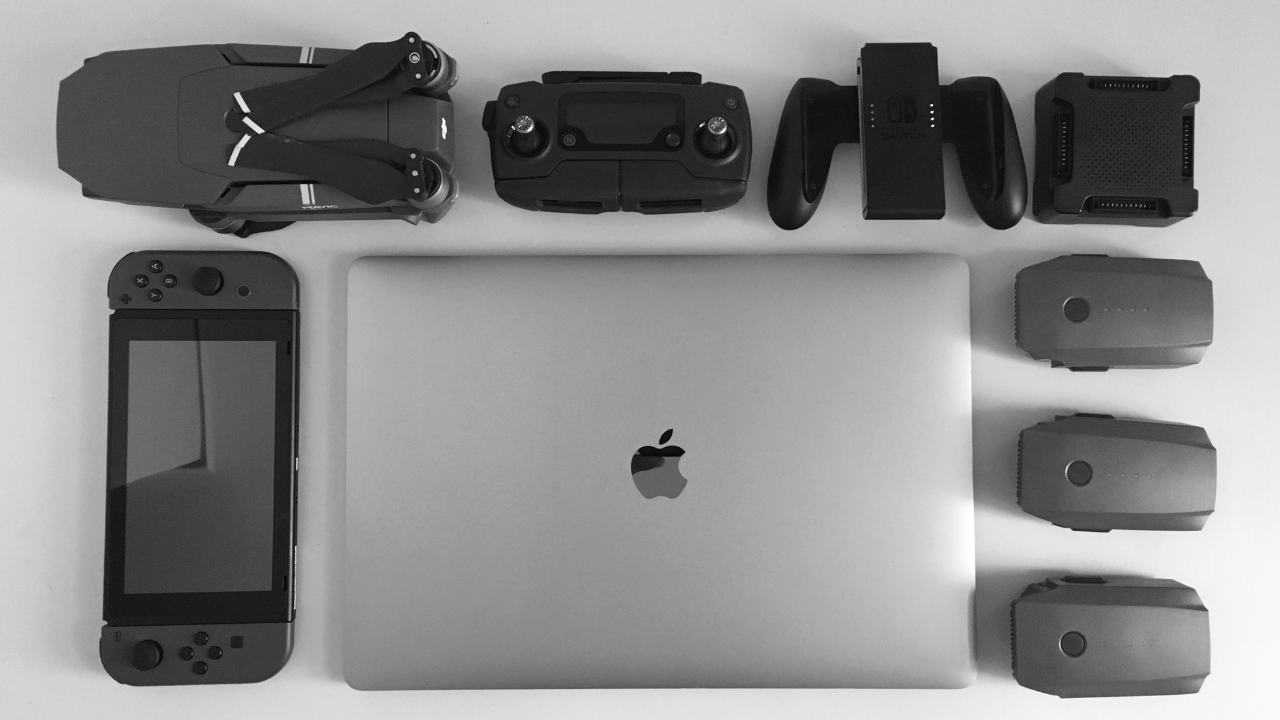
Electronics draw comparison shoppers, but unpowered accessories are usually simpler to fulfill and support.
Start with products made for familiar devices,
- Computer cleaning kits maintain keyboards and screens.
- Earphone cases protect small audio devices.
- Adjustable laptop stands improve desk positioning.
These buyers already own the main device. They want to protect or organize it. Some want a more comfortable setup.
Large marketplaces and device brands make exact compatibility a must.
Small accessories ship well. They avoid batteries and firmware. They usually need less repair support than phones, cameras, or powered appliances.
3. Footwear
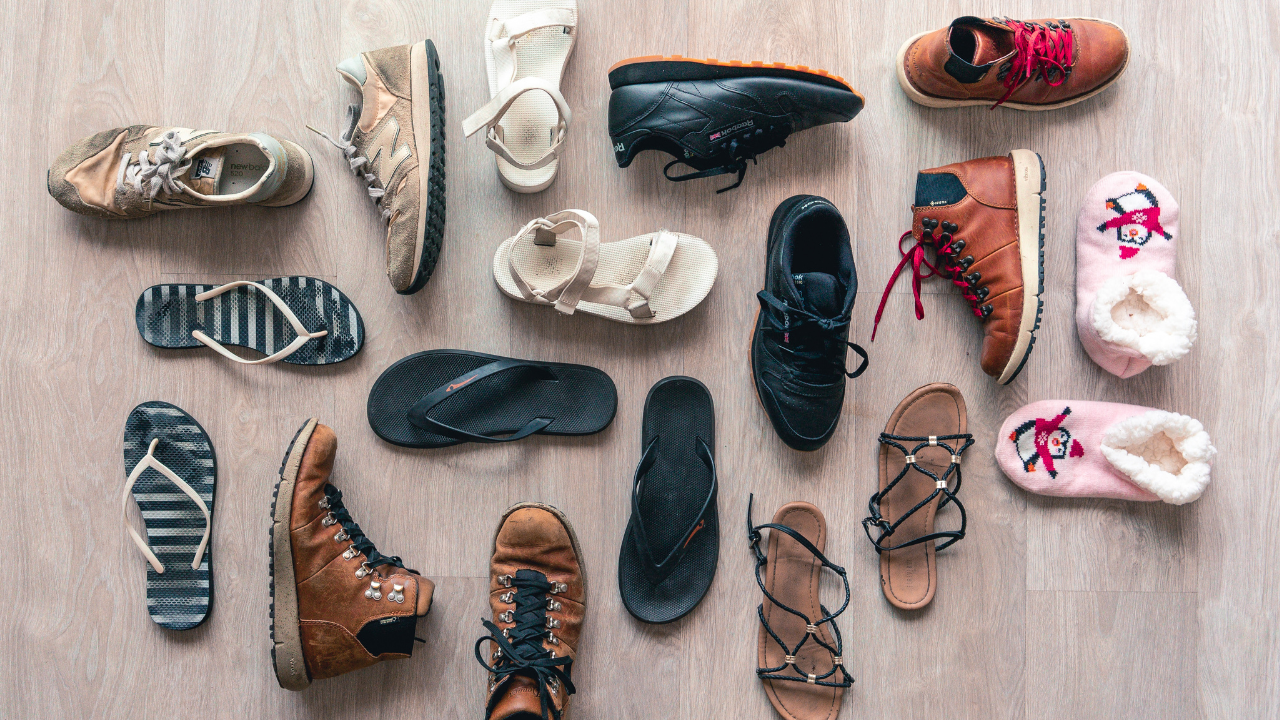
Check sizing and expected return costs before testing a footwear product.
Choose products for one specific occasion,
- House slippers serve indoor comfort buyers.
- Foldable flats fit commuting and event bags.
- Cycling shoe covers protect footwear from spray.
Competition ranges from discount sellers to specialist brands. Build the offer around one clear activity.
Footwear is compact, but sizing errors can erase that edge through returns. Test samples before launch. Then publish measured size guidance and confirm the return destination.
4. Beauty and personal care
Beauty accessories are easier to test when a demo can show buyers how they work.
Start with simple products,
- Heatless curling sets shape hair without powered tools.
- Brush-cleaning mats help remove cosmetic residue.
- Hanging toiletry organizers simplify travel packing.
Beauty buyers want a faster routine or easier storage. They also want a method they can see. Many creators already promote beauty products, so a generic listing is easy to miss.
Textile and silicone accessories stay compact. Liquids can leak. Ask what records a supplier can provide for formulas and powered tools. Reusable accessories with plain, supportable claims are a better first test.
5. Home furnishings
Small home decor is easier to test than furniture because buyers can see the change.
Pick one room and one change buyers can see,
- Washable cushion covers refresh a sofa.
- Under-bed storage bags reclaim bedroom space.
- Peel-and-stick wall decals personalize rented rooms.
Home shoppers want an easy update or more usable space. Competing listings rely heavily on images, so show the exact dimensions.
Show close-ups of the material. Place the product in a styled room.
Foldable textiles ship more predictably than mirrors, lamps, or furniture. Favor light products that are hard to break. They should also be easy to measure.
6. Books
Books need a clear audience and original value because general titles compete with dominant retailers.
Choose one format for one audience,
- Large-print puzzle books serve screen-free relaxation.
- Guided travel journals help travelers record memories.
- Children's coloring books focus on one interest.
Readers choose books for a specific topic, activity, or recipient. A precise format can earn its own search query. General titles face strong competition.
Print-on-demand can make inventory simpler. You still need to check print quality and delivery dates.
Make the content and art distinct. Record where each asset came from.

7. Sports, leisure, and outdoor products
Activity-specific accessories can reach committed buyers without the freight cost of heavy equipment.
Try these products for everyday and seasonal use,
- Running belts carry phones and keys.
- Roll-top dry bags protect gear near water.
- Pickleball paddle covers prevent storage scratches.
These buyers already take part in a clear routine. That makes the products easy to show in use.
Specialist brands already give buyers detailed information and demos. Seasonal demand can shorten the sales window.
Small fabric accessories travel well. Weights and machines cost more to ship. Large tents can fail on durability. Lead with one activity, then check whether nearby users share the same need.

8. Household products, including kitchen items
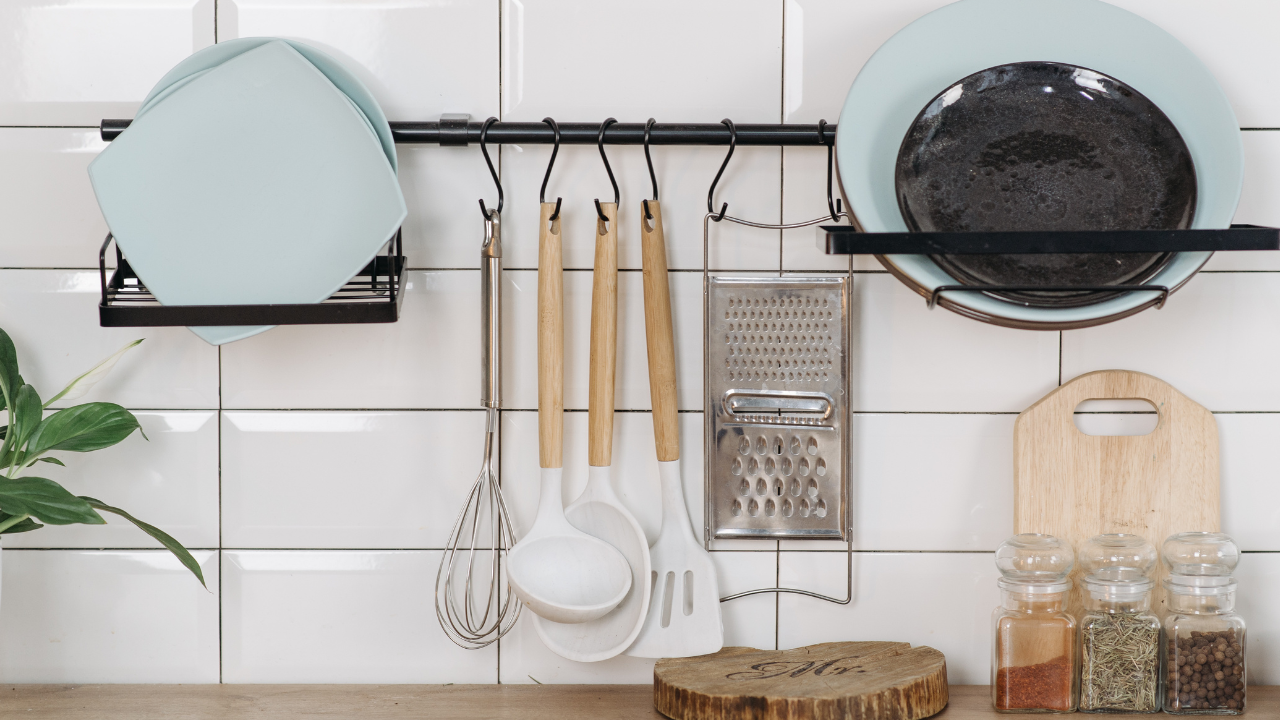
Household products are easy to show in use, but materials and breakage can make them harder to ship.
Choose a product that makes one small task easier,
- Sink caddies organize sponges and brushes.
- Adjustable drawer dividers separate utensils.
- Silicone utensil rests contain countertop drips.
Kitchen tools are one household subset with easy-to-show uses. Discount retailers create fierce price competition.
Clear dimensions and useful bundles can help. Glass and ceramics can break in transit.
With large appliances, confirm who handles warranty claims. If an item touches food, ask what material records the supplier can provide.
9. Toys and games
Toys can lead to repeat family purchases, but age suitability and safety evidence come before demand.
Pick products with one clear play pattern,
- Reusable sticker books support quiet travel play.
- Magnetic drawing boards offer mess-free sketching.
- Wooden stacking blocks build open-ended play.
Give parents and gift buyers clear details about age, materials, and use. Original themes make the offer more distinct than branded characters.
Known toy sellers set strong expectations.
Small products are easy to ship. Loose parts and weak builds can still make them a bad fit. Use the CPSC guidance below to list open safety questions.
10. Food and beverage products
Food can bring repeat purchases, but expiry, ingredients, and storage make it a specialist category.
Filter candidates by format and shelf life,
- Single-origin coffee beans target home brewers.
- Loose-leaf tea samplers encourage flavor discovery.
- Shelf-stable snack boxes give buyers several flavors in one order.
Buyers care about taste, ease, or discovery. You compete with subscriptions, supermarkets, and trusted food brands.
Temperature controls and freshness limits make storage harder. Damaged packaging makes delivery harder.
Long routes add more delay risk. New sellers need a specialist supplier for this category. Choose one that records ingredients, dates, storage, and delivery controls.
11. Pet products
Pet accessories work when they solve a routine care or travel problem without health claims.
These are three practical candidates,
- Grooming gloves collect loose fur during brushing.
- Waterproof feeding mats contain bowl spills.
- Quilted car-seat covers protect vehicle upholstery.
Buyers need the right size and material. They also need clear cleaning and wear details. Big-box retailers crowd general search terms.
Focus the offer on one pet type or use.
Soft accessories are easy to pack. Still, the wrong size can drive returns.
Start with external-use accessories whose failure won't restrain or endanger an animal.

How do you narrow a popular category to one sellable SKU?
Fix the buyer, use case, variant, market, and price band before comparing a popular category.
A two-pack of washable stove-gap covers is specific enough to price and source. Target it at US apartment renters before you compare, sample, or reject it. The label "kitchen products" omits those fields.
Give every candidate the same details,
- Name one target buyer and use case.
- Choose one country and sales channel.
- Record the exact size, material, color, and bundle.
- Set the planned price band.
- Name the supplier route and delivery promise.
Keep those details fixed during the comparison. When the variant, market, or supplier changes, update the cost and fulfillment evidence too.
Continue with our product research workflow before you commit to a test.
Use the Category-to-SKU Drilldown
The Category-to-SKU Drilldown runs four product-level checks in order before you spend money. A strong category headline can hide a weak product. The drilldown helps you spot it.
Run these four checks for every candidate,
- Product-level demand
- Exact variant comparison
- Full SKU cost
- Returns and product rules
Record the source, market, date, and decision for each result.
1. Replace category popularity with product-level demand
Replace category survey data with dated demand evidence for the exact variant and market. Record which color, bundle, or price buyers choose.
Compare normalized search interest in Google Trends. Its 0-to-100 values show relative search interest. A separate product or store signal supplies the sales evidence.
Add a separate product-level signal with our guide to finding trending products.
Filter the screen below by price, sales, revenue, images, and variants. Record the product, metric, market, and pull date.
Alt text: Dropship Product Library filters for price, sales, revenue, images, and variants.
2. Compare the exact variants buyers can choose
Compare candidates with offers for the same buyer, use, material, size, bundle, and price band.
Count the close offers and note the proof each one shows. Then record what buyers criticize.
Use Shop Library to inspect stores in the same product space.
Keep the candidate only if you can name a visible difference that matters to the target buyer.
3. Cost the SKU customers will actually receive
Cost the selected variant. Include shipping, payment costs, expected returns, and acquisition spending. A supplier's lowest displayed price may apply to a smaller size or incomplete bundle.
Ask for a quote for the exact destination and order quantity. Then record these six fields,
- Add product price, shipping cost, and currency.
- Add payment fees from your payment provider.
- Set the acquisition test budget and stop limit.
- Add a conservative return allowance until orders provide a rate.
- Record processing time and tracked delivery.
- Save the return address and refund terms.
Apply the same assumptions to every candidate.
Check the complete cost against our high-margin product guide before judging the margin.
4. Check category-specific returns and product rules
Check a known failure mode for that category. The risk changes by category,
- Footwear can fail on fit.
- Glassware can break in transit.
- Electronics can need repair support.
- Toys can fail on loose parts or weak builds.
Order a sample and test it against the promise you plan to make. Photograph the packaging and measure the dimensions.
Use the product as the buyer would. Keep the supplier's written response to any defect.
The evidence must match the exact SKU and target market.
Create a product record beneath the category headline
Use one decision record so every product metric stays tied to the same candidate. Without one record, you can mix facts from different variants. You might pair one variant's result with another's price.
Use the same fields for each candidate:
Review the record after each supplier reply or new data pull. Add each sample-check result when it arrives. When a result changes, keep its old date in the record. That shows whether the evidence improved or went stale.
Trace each winning-product decision through the dated record.
The visual highlights three costly failure points. The full record still covers competition and suitability.
Before you set a traffic budget, model the selected SKU in our BEROAS calculator.
Reject categories that hide poor candidate economics
Fund a small test only when the candidate passes every preset decision rule.
Approve a small test only when all six statements are true,
- The full cost stays within the cash limit.
- Delivery terms meet the store promise.
- Sample sizing and packaging pass their checks.
- Return location, payer, and refund process are recorded.
- Product records match the exact item and target market.
- Every selling claim has evidence in the record.
Reject the candidate while any statement remains false.
List product safety and documentation questions with the CPSC business guidance library. Record each open question.
Check each product claim against FTC advertising guidance. Record the evidence beside the claim.
FAQ
Are popular categories good dropshipping niches?
Popular categories become useful niches after one exact SKU passes the product-level checks. Evaluate its buyer, competition, cost, fulfillment, and suitability.
How specific should the product candidate be?
Name the exact variant, buyer, target market, supplier route, and offer. With that detail, you can request a real quote and compare like-for-like rivals.
When should you leave a popular category?
Leave when no candidate passes your preset demand, competition, cost, fulfillment, and suitability limits. Choosing a different category costs less than forcing a weak product.


