

Dropshipping Shoe Products: Validate Before Listing
Compare eight shoe candidates and five research or supplier routes, then use a validation record to decide which product to test or reject.
Dropshipping shoe products cover many everyday needs, but each pair has its own fit, shipping, and return questions. A shortlist and current evidence help you choose the exact shoe to test.
I ran a niche-products store and learned to separate an appealing item from a workable supplier offer. This guide turns that lesson into eight shoe ideas, five sourcing routes, and one final decision record.
Key takeaways
What makes shoe products worth testing?
Test a shoe only when it solves one buyer problem and the supplier can support the exact listing. Your listing can only promise what the supplier can prove about fit, materials, shipping, and returns.
Match those details before testing because mismatches can turn a promising design into refunds and support work. Use an old product screenshot only as a lead. Confirm today's demand and delivery cost with current evidence.
Shortlist Shoe Products
Compare each shoe by buyer use and fulfillment risk before choosing one to test. Use this list to jump to each candidate,
- Slippers: Indoor comfort footwear affected by climate and support needs.
- Sandals and flip-flops: Warm-weather footwear with simple images and seasonal demand.
- Chunky sneakers: Fashion footwear with parcel-weight and lookalike risks.
- Folding flats: Compact backup shoes for events and travel.
- Hiking boots: Outdoor footwear that needs tested performance claims.
- Cycling shoes: Technical footwear that must match the buyer's equipment.
- Brogues: Formal footwear where material and finish affect the sale.
- Kids' shoes: Footwear for changing sizes that needs extra fit and product checks.
Treat all eight as equal starting points because current evidence decides which one to test.
1. Slippers
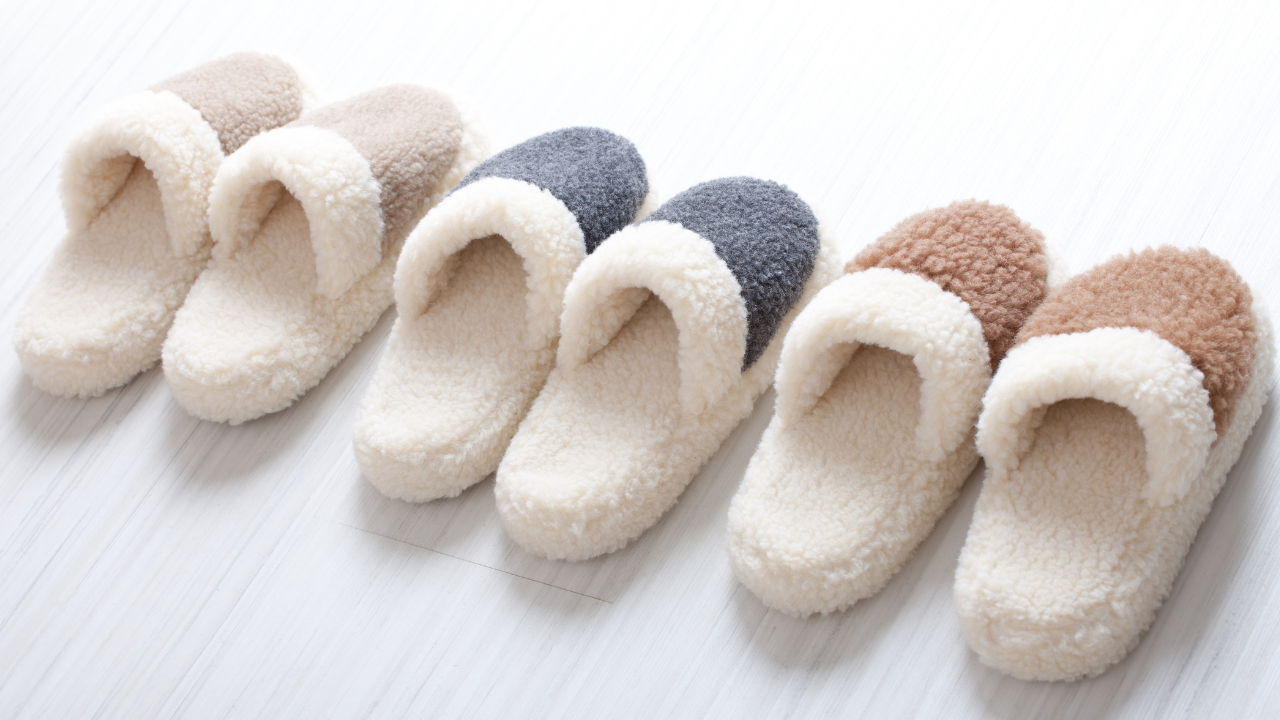
Slippers pair a clear comfort use with simple lifestyle images. The same pair can suit home working, gifts, cold weather, or travel.
Check the outsole and lining against the size chart. Read the wash instructions after that check. Wash the sample once to look for loose fibers or a changed fit.
2. Sandals and flip-flops
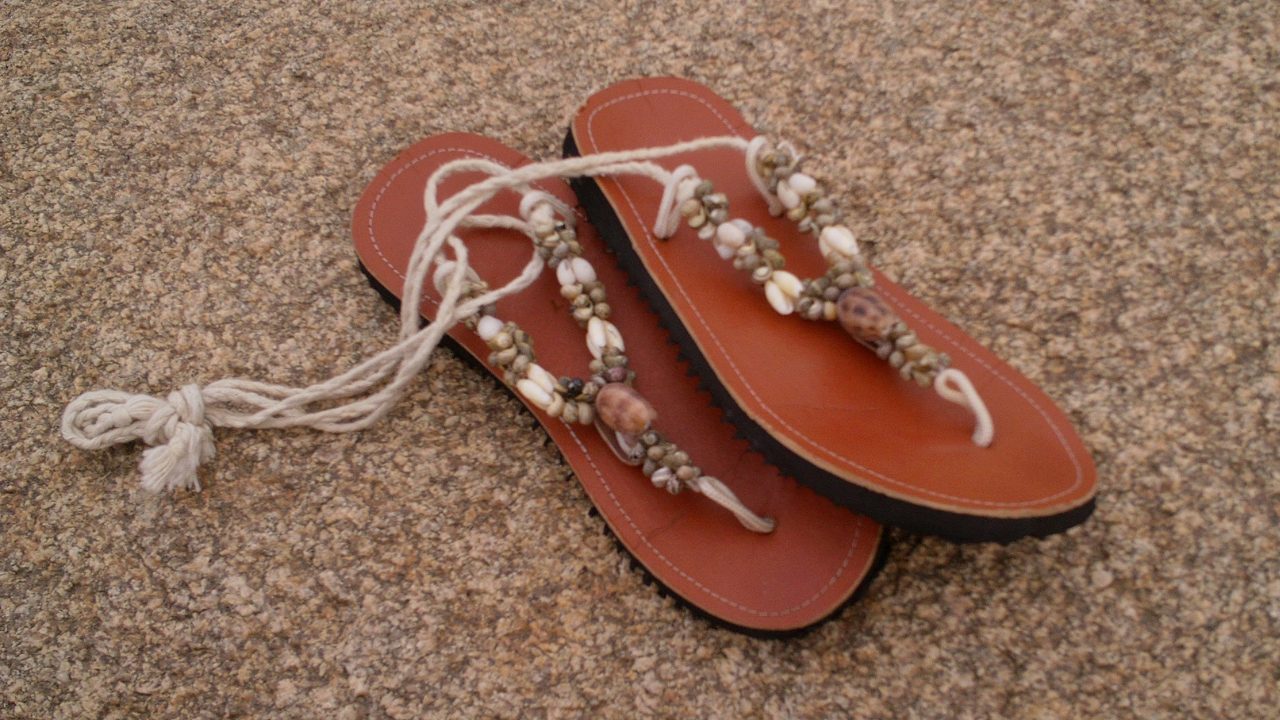
Sandals and flip-flops suit beach, pool, travel, and warm-weather offers. A single image can show the open design.
The main checks are strap strength and sole grip. Choose the target country, check its forecast, and schedule ads only when delivery can arrive during warm weather. Confirm the size chart for that exact listing.
3. Chunky sneakers
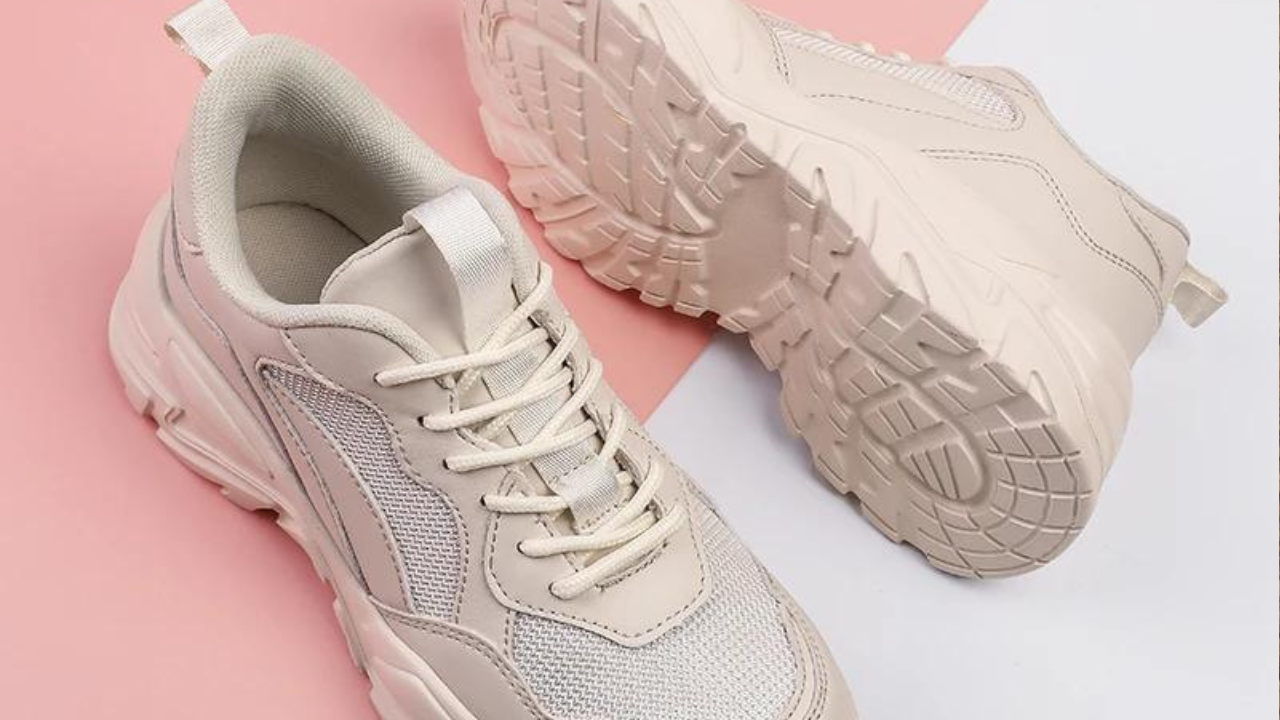
Chunky sneakers show well in short videos because buyers can see the shape at once. You can style one product in several ways.
The thick sole adds parcel weight, and buyers still need accurate sizing. Reject copied branding or any design that depends on looking like a famous shoe.
4. Folding flats
Folding flats work as backup shoes for events and travel. Show the pouch and folding action to make their use clear.
Fold the sample repeatedly and inspect the sole at the bend. The listing also needs an honest size guide and clear limits on outdoor use.
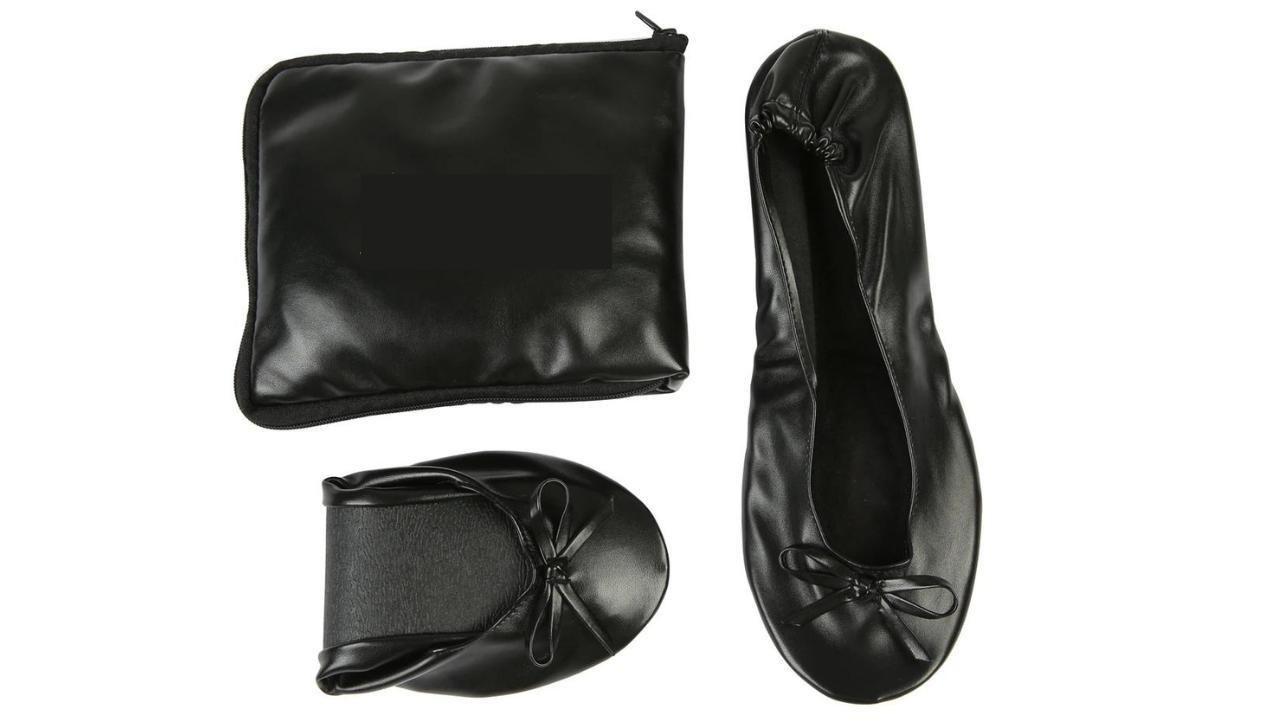
Alt text: Black folding ballet flats shown beside their zippered pouch.
5. Hiking boots
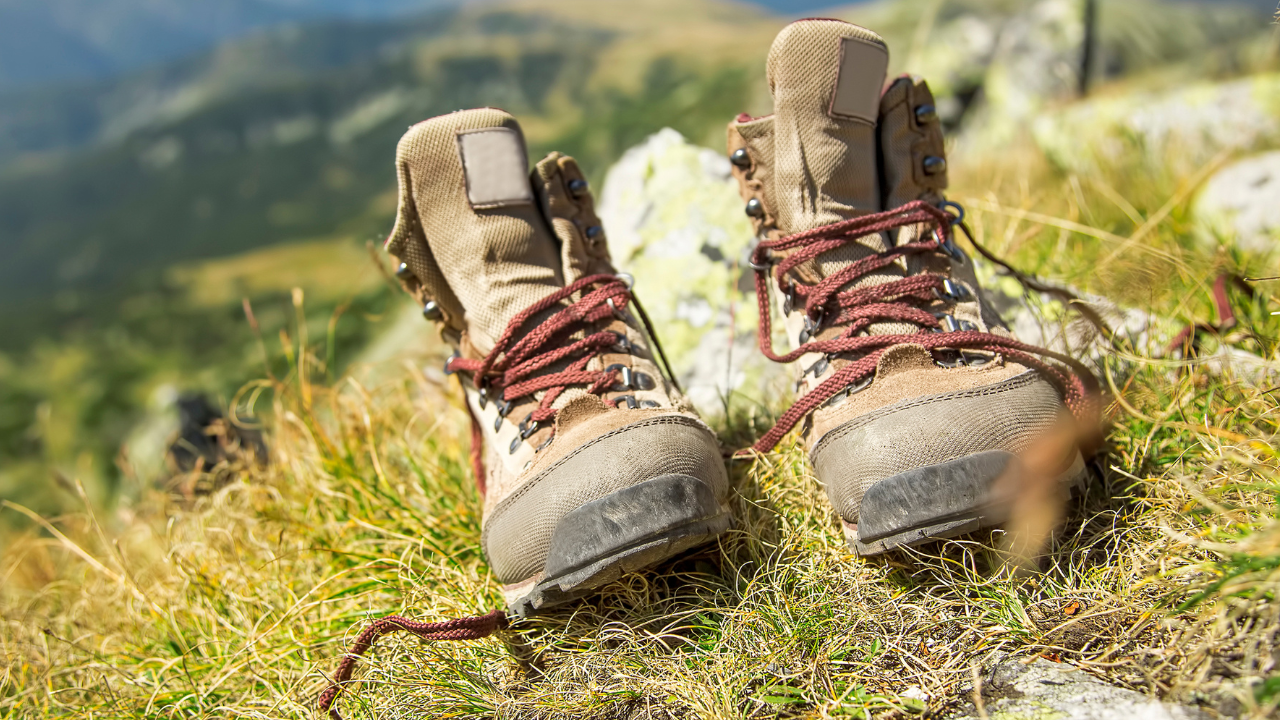
Hiking boots need tested grip, durability, and weather resistance before you sell them for outdoor use. Walk in the sample and inspect its seams after wet conditions.
After the walk, compare the outsole wear, wet seams, and dried upper with the listing's performance claims.
6. Cycling shoes
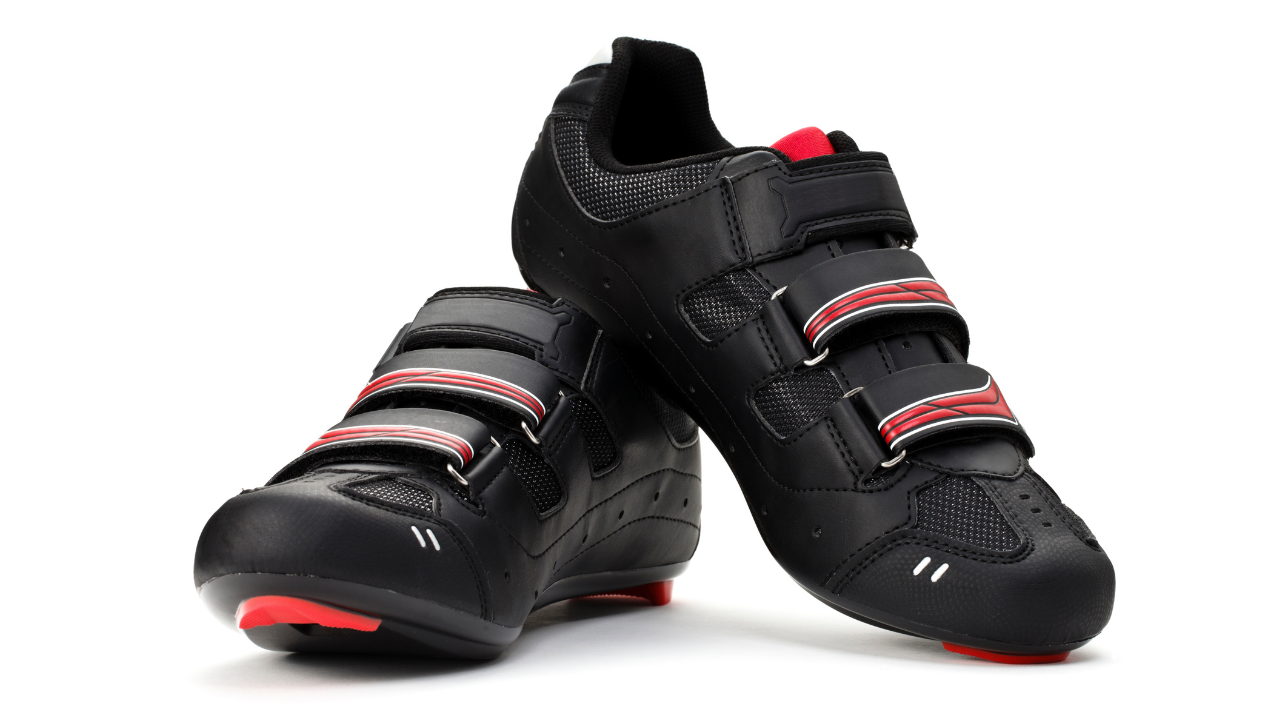
Cycling shoes serve riders with a specific pedal or cleat setup. Name the riding type and show the closure on the product page.
Confirm the pedal or cleat system before you source the item. Have a rider with that setup try the shoe and tighten the closure. Record any fit or stiffness issues after walking.
7. Brogues
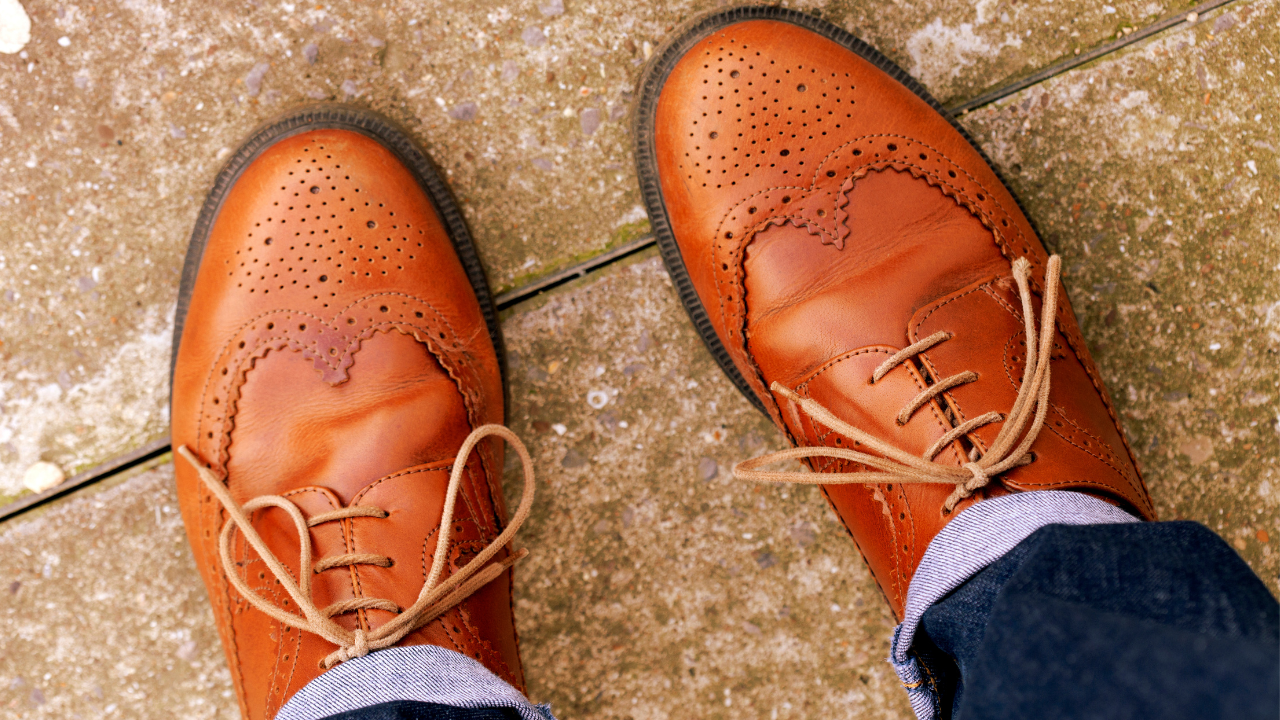
Brogues fit office and formal-occasion offers. Buyers judge the toe pattern, color, and finish before checking what the shoe is made from.
Match every leather or material claim to the product sheet. Wear the sample long enough to check for scuffs and creases. Inspect the sole attachment after wear, and price the return separately.
8. Kids' shoes
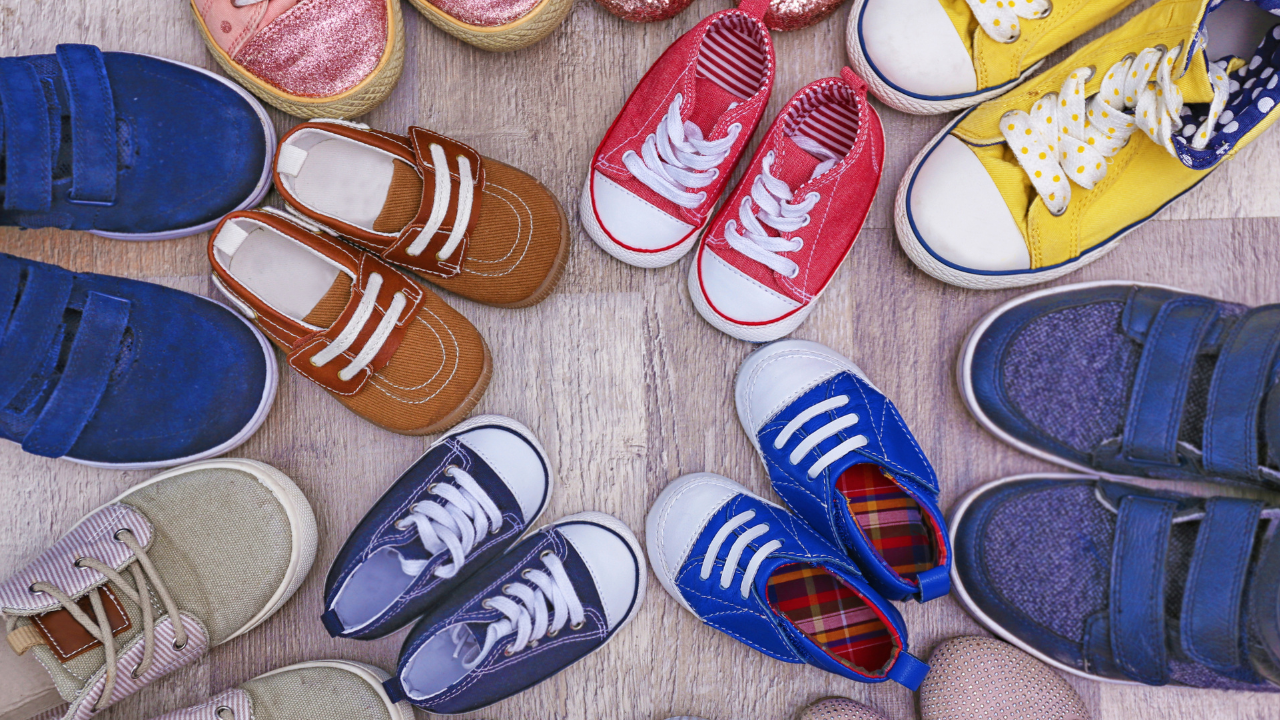
Kids' shoes suit repeat-purchase offers because children change sizes.
Parents still need clear fit information and a return process that works when the size misses. Record the target age, materials, fasteners, and size conversion for the exact sample.
Which shoe products should you avoid?
Dupe shoes and heavy shoes can fail a first test for different reasons.
Dupes carry brand and listing risks, while heavy shoes raise delivery and return costs.
Dupe shoes
Dupe shoes create brand and listing risks before you test demand. Reject a product when its name, logo, packaging, images, or design copies a recognizable branded shoe.
A copied product still needs documented ownership and permissions, even when its description is unbranded. Keep the shoe off your store until the supplier provides that record.
Heavy shoes
Heavy boots raise outbound and return shipping costs before advertising begins. Steel-toe, snow, and tall rain boots can still work, but they need a workable landed cost.
Get a packed weight and route quote for the exact size range. A low unit price may still leave the round-trip shipping cost too high.
Check suppliers and fulfillment
Use the Shoe Products Validation Record to run four dated checks on one supplier listing. Complete the record in this order,
- Supplier evidence: Tie a real business and product file to one SKU.
- Sample review: Compare the sample with the planned listing.
- Landed cost: Record the per-order costs and delivery route.
- Fallback plan: Cover returns, defects, delays, and stockouts.
Complete each stage in order because the next one uses its proof.
1. Confirm supplier identity and product documents
Save the supplier's business name, contact details, product URL, and SKU in one dated record. Tie the product sheet and size chart to that SKU.
Separate observed demand from supplier proof with our product research workflow.
When comparing research tools, ask which evidence each one can show.
2. Check sample quality and listing accuracy
The sample must match the photos, measurements, materials, and claims in the planned listing. Photograph the pair before you test it. Inspect these failure points and record a pass, fail, or unresolved result beside every check,
- Flex the sole and inspect the attachment.
- Pull each strap, lace point, buckle, or fastener.
- Compare the insole measurement with the size chart.
- Pack the shoe as the customer will receive it.
3. Calculate landed cost and delivery promise
Landed cost combines every per-order cost needed to get one pair to the customer. Write each input beside its source date. Include these costs,
- Record the product price for the exact variant.
- Add outbound shipping on the planned route.
- Add duties and taxes shown for the planned route, plus payment fees.
- Budget for expected return and replacement costs.
Use the supplier's dispatch time and the carrier route to write a delivery range you can support.
4. Write the return and fallback plan
Decide who handles a wrong size, defect, lost parcel, and supplier stockout before the listing goes live. Save the return address and fee terms.
Choose a backup supplier only after its own sample and record pass.
5 places to research shoe products and suppliers
Compare every research and sourcing route with the same supplier record. Use this list to compare their roles,
- Dropship.io: Research current products, stores, and sales signals.
- Printful: Create and fulfill a limited range of custom shoes.
- AliExpress: Compare many third-party shoe listings and sellers.
- DHgate: Treat listings as leads that need manual verification.
- Doba: Search a supplier marketplace and route orders to its suppliers.
Open the exact product and read its terms before choosing a sourcing route.
1. Dropship.io for product research
Dropship.io is for product and store research, while a separate supplier handles sourcing and fulfillment. Product Library filters TikTok Shop products by price, sales, revenue, images, and variants.
Save the Product Library fields behind each candidate. Sales Tracker and Shop Library add store research. Supplier records and samples provide proof of quality and terms.
Alt text: Product Library filter panel with minimum and maximum fields for price, sales, revenue, store products, product images, and variants.
2. Printful for print-on-demand shoes
Printful can print, pack, and ship custom shoes after an order. Its current catalog includes slip-ons, low-tops, high-tops, and athletic styles with no order minimum.
The range is narrower than a general marketplace. Before writing the listing, order the exact style. Price the base product and shipping after confirming country availability.
3. AliExpress for product breadth
AliExpress gives you a broad shoe results page for comparing third-party listings. Compare one exact variant and shipping route because listings with similar photos may contain different products.
Ask the seller for the product file and return terms. Order samples from every seller you keep because each seller needs its own evidence.
4. DHgate as a marketplace lead
Use DHgate as a sourcing lead only when you can open the exact shoe listing and seller terms. DHgate's public shoe page was blocked during the August 31, 2026 review.
Verify the exact DHgate listing before adding it to your record. Publish catalog, price, or shipping claims only from that check.
5. Doba for supplier discovery
Doba connects retailers with marketplace suppliers that ship orders to customers. Retailers currently search for products and list them in a store. Each paid order goes from Doba to the supplier.
Doba's access and subscription terms can change. Check the product cost and shipping charge. Review return terms and stock before you use Doba for orders.
Screen Shoe Products risks before listing
Check the exact shoe, its destination, the listing copy, the ad, and the sales channel before launch. Run these three checks,
- IP rights: Confirm where the name, logo, images, and design came from.
- Product claims: Match the product files to every customer-facing promise.
- Channel policies: Review current listing and advertising policies for the target market.
The record must show a current source and a pass for all three checks before launch.
1. Screen IP and branded-product exposure
Keep only candidates whose supplier records identify the source of the name, logo, images, and design. Ask for written authorization when branded stock is offered. Save the supplier's image permissions too.
Use the USPTO trademark resources to search names and logos in the United States. Repeat the check with the current authority for every market you target.
2. Screen safety, claims, and labeling exposure
Publish only performance and material claims that the exact sample and product file support. Use CPSC Business Education to find product guidance for the United States.
Review ad wording with the FTC advertising resources. Pay particular attention to support, pain, safety, or performance claims.
3. Screen advertising and marketplace limits
Save the policy URL, review date, country, sales channel, shoe type, and each planned claim. Search the exact shoe type and each planned claim.
Record pass, fail, or unresolved beside the policy link. Recheck before launch because the policy may change while you prepare the listing.
Record the product specification before you list a shoe product.
Decide before you launch
Use the completed record to list, test, or reject each shoe candidate before you buy traffic. You can test uncertain demand only after you've confirmed each basic product promise with evidence.
Choose one of three outcomes. Use this decision table:
Use our BEROAS calculator to set a break-even traffic threshold from your selling price and product cost.
FAQ
What supplier evidence should I collect?
Keep one dated folder per SKU with the validation record and its supporting files. Save a new version whenever the supplier changes the product or route.
Which risks can make a shoe unsuitable?
Any unresolved check makes the shoe unsuitable for launch. Keep it paused until you have evidence that resolves the check.
Can I test a shoe idea without a paid tool?
Yes, you can complete the validation record manually with live listings, samples, and route quotes. A research tool speeds up discovery. Supplier proof still decides whether the shoe is ready to list.


