

15 Potential High-Margin Products for Dropshipping
Compares 15 high-margin dropshipping product candidates across price, cost, buyer appeal, fulfillment, and returns, giving readers a repeatable margin-model framework to reject weak candidates before spending on samples.
High-margin products leave a large spread between the selling price and product cost. The best candidates also leave room for delivery, payment fees, returns, support, and customer acquisition.
In my Shopify stores, product ideas came easily. Missed costs or poor delivery could turn a good markup into a loss.
Build a shortlist from these 15 records. Check each idea against current quotes and market data.
Key takeaways
When is a headline margin actually usable?
A headline margin is usable when the sale price covers every cost.
On a $40 sale with a $10 product cost, the other $30 is only a starting amount. The model below shows how much remains after delivery and acquisition.
The ranges below come from two current editorial roundups,
- SaleHoo's 2026 roundup, updated August 22, compares supplier list prices with common retail ranges.
- Do Dropshipping's 2026 roundup, updated August 11, gives example cost and sale prices for named items.
Neither page provides a supplier quote or sales forecast.
Here, planning product cost means the listed item cost. Shipping and store costs sit outside that figure.
Likely price means a retail range worth checking. Buyers may pay less.
I assessed the buyer appeal and operating risk myself. Treat those views as screening notes.
15 high-margin product candidates to research
The 15 candidates are grouped by the main operating burden to check first.
The three research groups are,
- Lower-cost candidates with simpler shipping
- Brandable candidates with fit or pack risks
- Candidates with higher proof burdens
Let the groups show where your own checks should start.
1. Lower-cost candidates with simpler shipping
Low item costs and simple packs define this first group.
1. Heatless curling ribbon bundles
Heatless curling ribbons turn a low product cost into an easy beauty demonstration. Within SaleHoo's range, $3 to $6 in product cost sits against $20 to $35 at retail. Light, soft parts rarely break.
Hygiene returns and weak fabric are the main rejection points. Verify the material, stitching, packaging, shipping, and recent demand before testing.
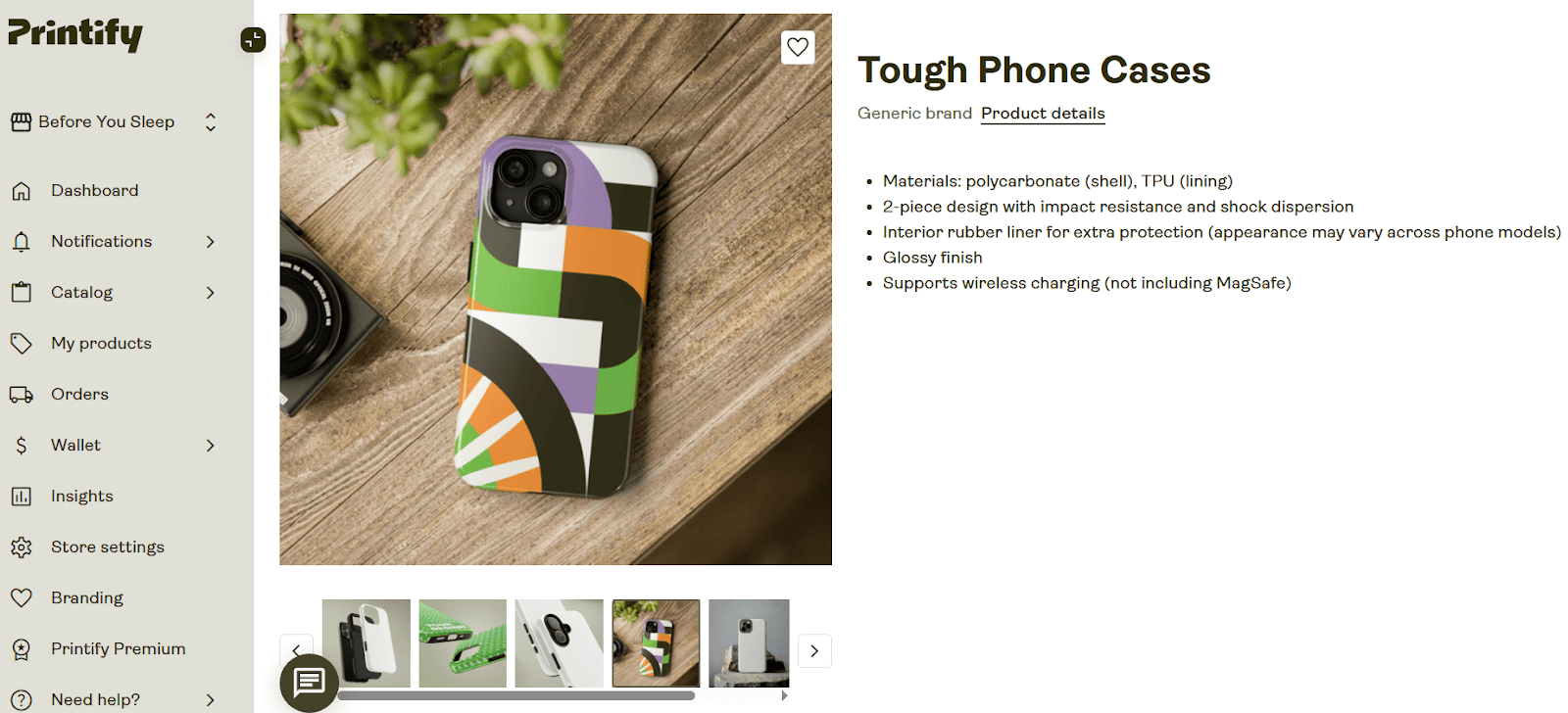
2. Original-design phone cases
Original-design phone cases pair a $1.50 to $4 cost with a $15 to $30 SaleHoo retail range. Protection and identity drive the purchase. Store-specific art gives the listing a reason to exist beyond price. Cases also ship cheaply.
Device fit should control the shortlist. Wrong model coverage creates returns and old stock. Validate demand by model and keep a dated creator-permission record for every design.
3. Pet grooming kits
A pet grooming kit gives buyers several tools in one box. Returns tend to come from missing parts, poor pet fit, or sharp edges. The SaleHoo comparison places product cost at $10 to $12 and retail at $35 to $50.
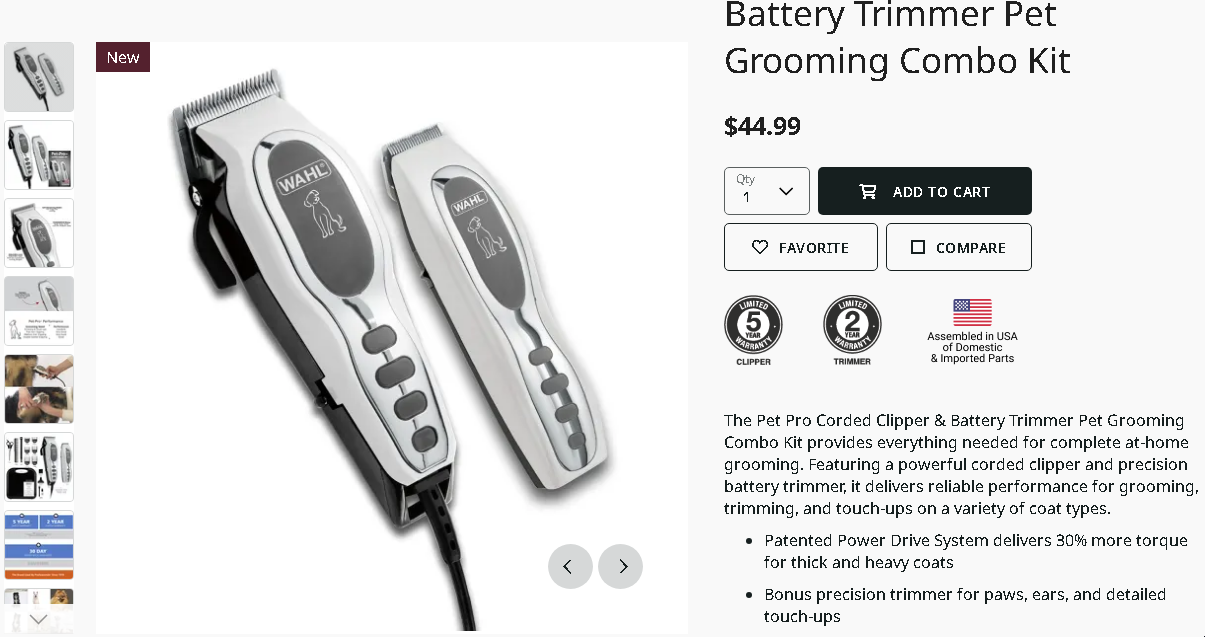
Begin with the physical sample. Inspect blade guards, part strength, cleaning steps, box size, missing parts, and rough edges.
4. Resistance band kits
Snapped bands are the main risk behind this compact home-workout product. Resistance-band pricing in SaleHoo spans $3 to $6 in product cost and $18 to $30 at retail.
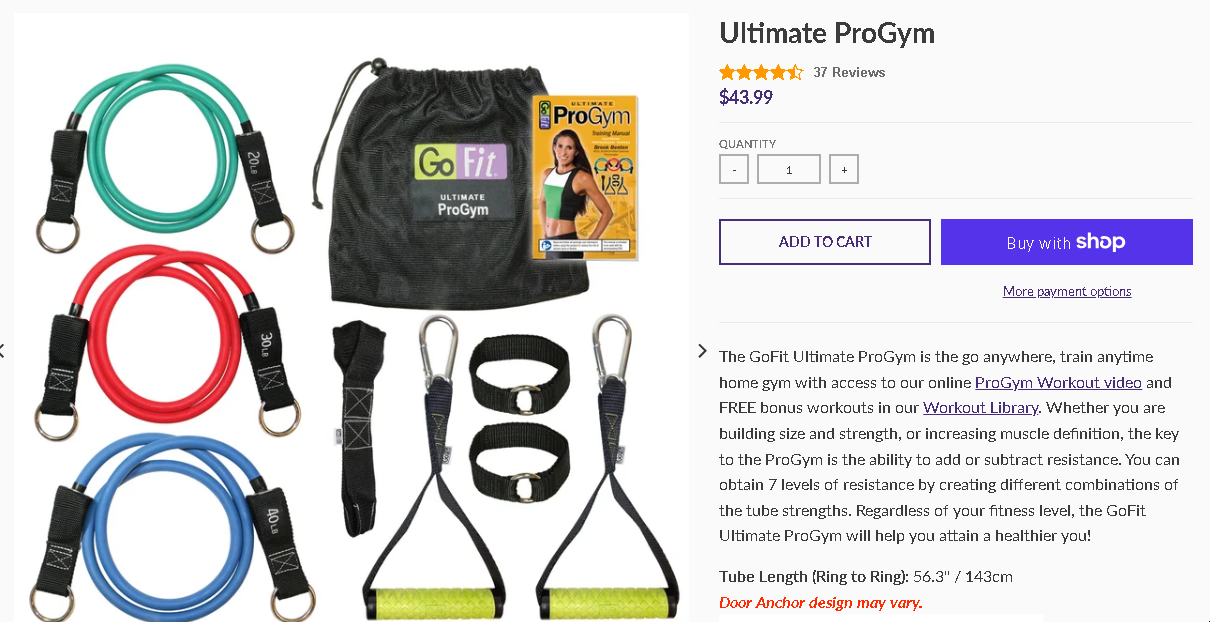
Supplier proof comes before ad creative. Request the load-test record and reject a sample that fails at its stated load. Odor, vague ratings, and missing parts still need a sample check.
5. Adhesive cable-organizer packs
Cable-organizer packs work best as bundles or add-ons because the order value is low. Multipacks solve an obvious desk, bedside, or car-cable problem. Weak glue leaves little room for refunds or ads.
Product cost stays below $2 in SaleHoo's comparison, with retail around $10 to $15.
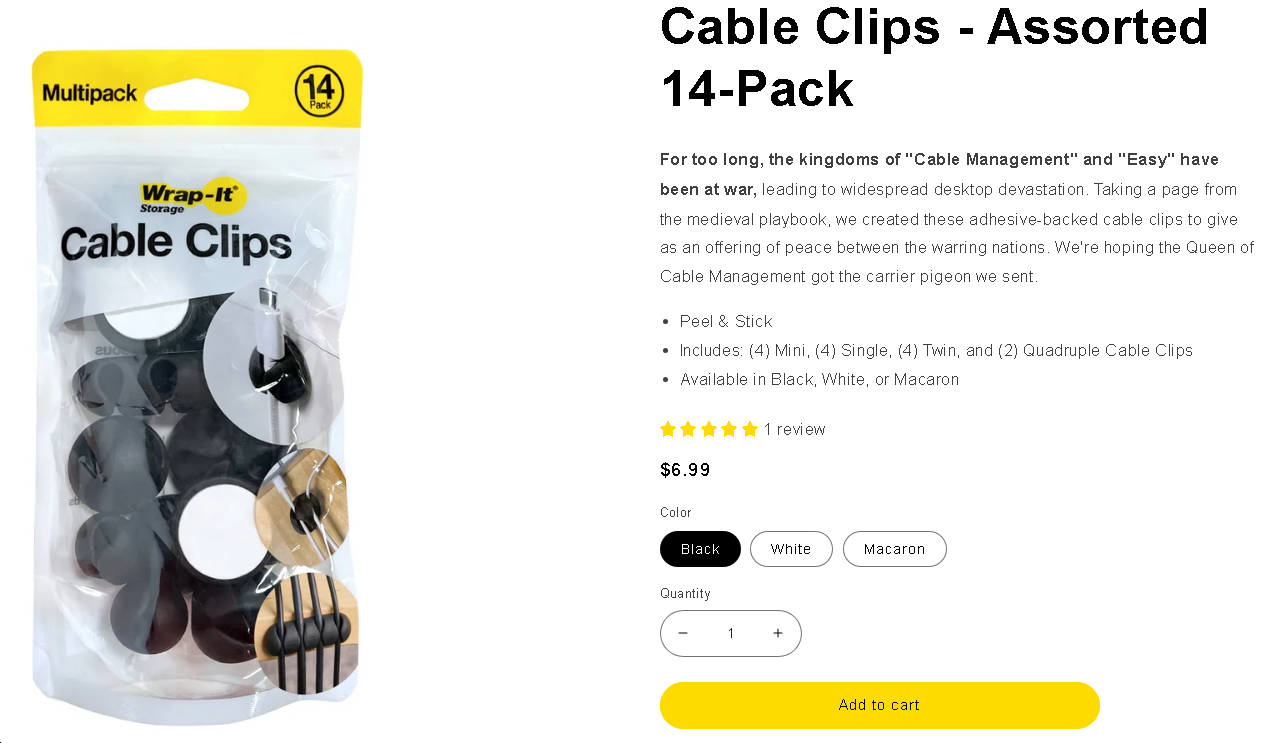
Adhesive quality decides whether the product survives testing. Test it on every named surface and reject packs that lift.
2. Brandable candidates with fit or pack risks
Packaging, fit, or custom work drives the next five screens.
6. Clear pantry-organizer sets
Packed size is the main cost risk for clear pantry-organizer sets. Matching bins make the result easy to show. With a $6 to $12 product cost and a $25 to $45 retail range, the SaleHoo figures leave room for a set.
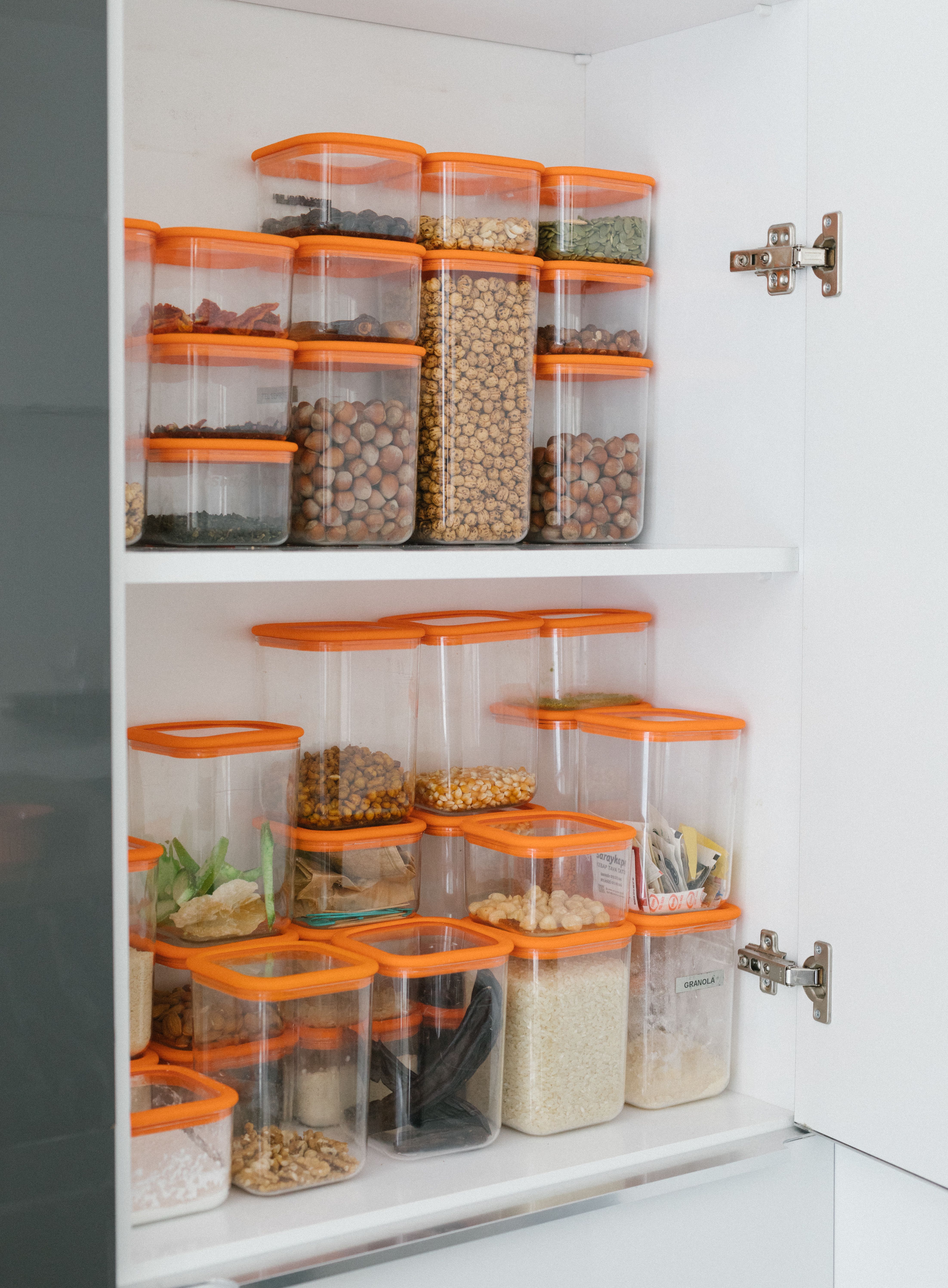
Before accepting a quote, get the packed dimensions and shipping cost. Drop-test the packed sample. Cracks, scratches, bent corners, or wrong measurements should end the screen.
7. Personalized insulated tumblers
Personalization gives a base tumbler a gift angle and adds remake costs. Every custom order takes more time and makes returns hard to resell. Poor lids and heat claims create a separate complaint risk. Base-item figures sit at $5 to $10 in cost and $25 to $40 at retail in SaleHoo's comparison.
The margin model should count decoration and every failed lid as a remake. Confirm delivery time after the lid passes a leak test.
8. Car seat-gap organizer pairs
Seat-gap organizers solve a visible problem, but vehicle fit can drive returns. Pairs can lift order value, and the dropped-phone problem is easy to show. Across SaleHoo's car-accessory category, pricing spans $3 to $12 in cost and $15 to $45 at retail.
e

Category-level evidence only justifies an exact SKU quote. The next check covers fit notes, pack size, and return reasons.
9. Diamond-painting starter kits
Diamond-painting kits sell an activity and a finished result in one flat pack. Complaints often start with poor print marks, small parts, or copied art. Craft-kit pricing in SaleHoo spans $3 to $10 in product cost and $18 to $45 at retail.
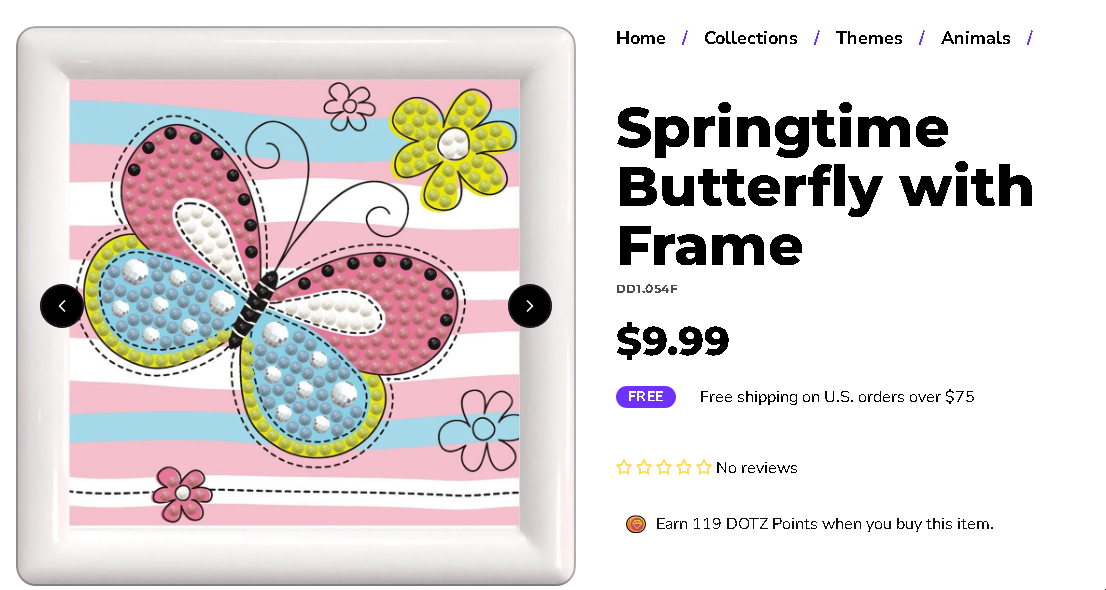
A prelaunch content count catches missing beads. Document the creator's permission for the art and drop kits with untracked pieces.
10. Tube-shipped wall-art prints
Print-on-demand wall art keeps inventory low and shifts the risk to print and pack quality. Room, hobby, job, and gift themes provide the buyer angle. Color shifts, bent tubes, slow work, or copied art can cause returns and disputes
Costs fall between $4 and $14 in SaleHoo's evidence, while retail ranges from $25 to $80.
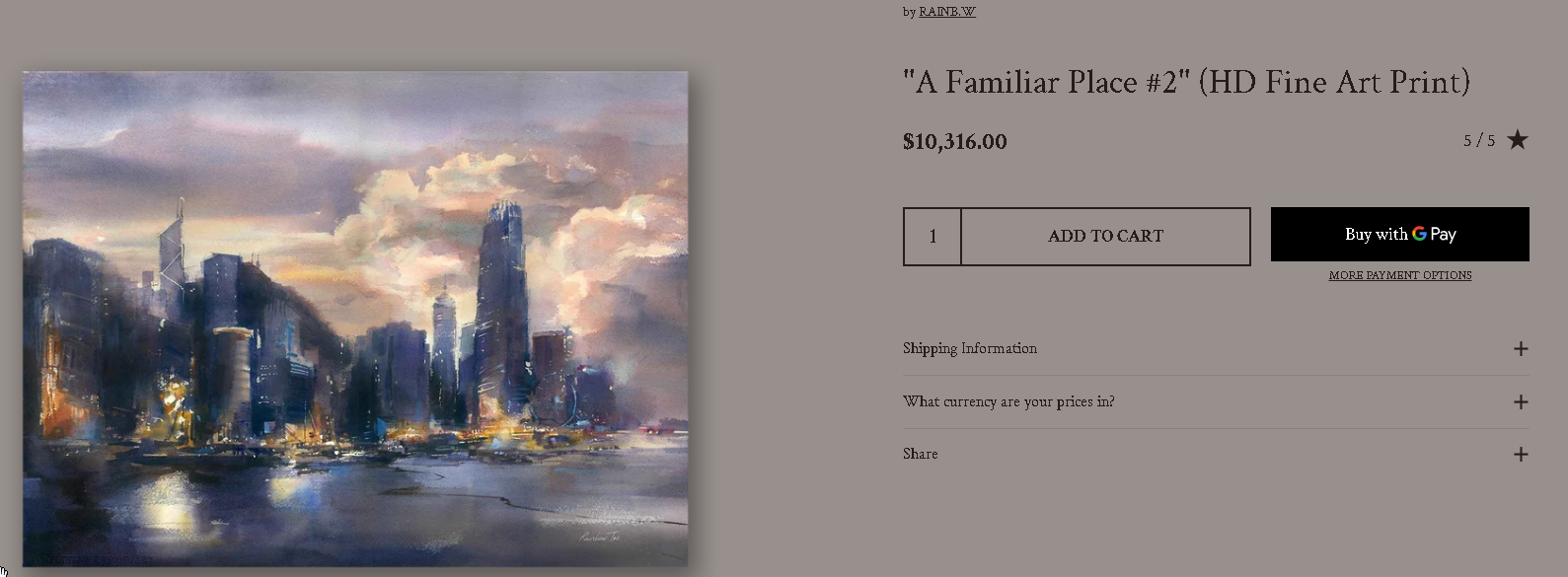
Each size needs its own proof. Store the creator-permission record, inspect the print, quote the packed size, and test the tube for bends and moisture.
3. Candidates with higher proof burdens
Proof of materials, performance, or product records decides the final five.
11. Fashion-jewelry sets
A $2 to $8 product cost and $15 to $45 SaleHoo retail range makes fashion-jewelry sets easy to screen. Cheap shipping helps, but finish problems can turn a small order into a return.

A wear test should come before the listing copy. Gift packaging can lift perceived value. Wear results, color changes, and skin complaints determine whether the set advances.
12. Minimalist non-branded watches
A small watch box makes fulfillment easy, while battery and timekeeping faults make returns harder. Dress, gift, and simple styles give buyers several reasons to choose one. An $8 to $20 product cost and a $35 to $90 retail range come from SaleHoo.
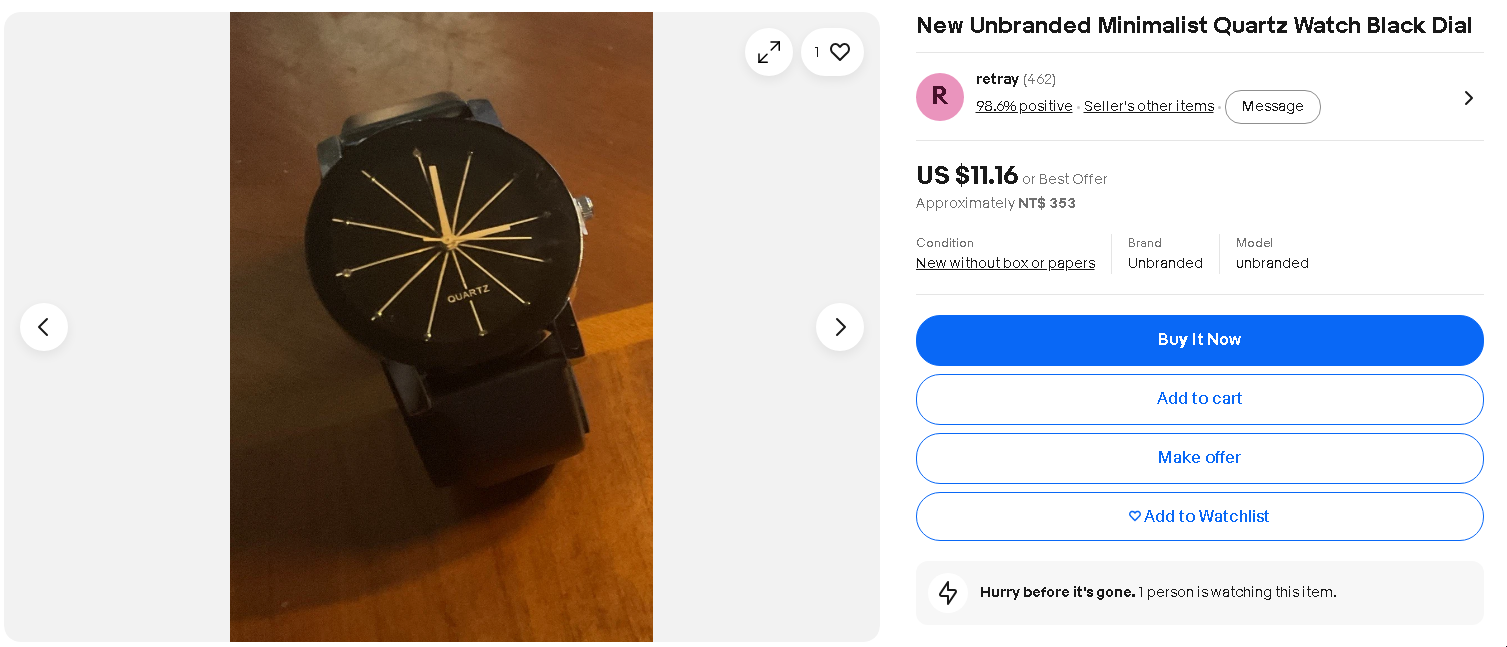
After the sample arrives, check its timekeeping and clasp. Water claims and copied looks add dispute risk. Retain the supplier's material and performance records with the result.
13. Mushroom table lamps
The mushroom lamp's visual appeal comes with plug, breakage, and pack risk. A clear shape works in room-makeover content. Its $18 example cost and $55 sale price come from Do Dropshipping. Electrical parts raise the shipping and support burden.

For the target market, request the plug and product records, inspect the packed sample, and read the return terms. Log any heat, plug, or breakage issue.
14. Carbon-fiber pickleball paddles
A published Do Dropshipping example pairs a $33 carbon-fiber paddle cost with a $230 sale price. Such a price gap makes the product worth a stricter quality screen.
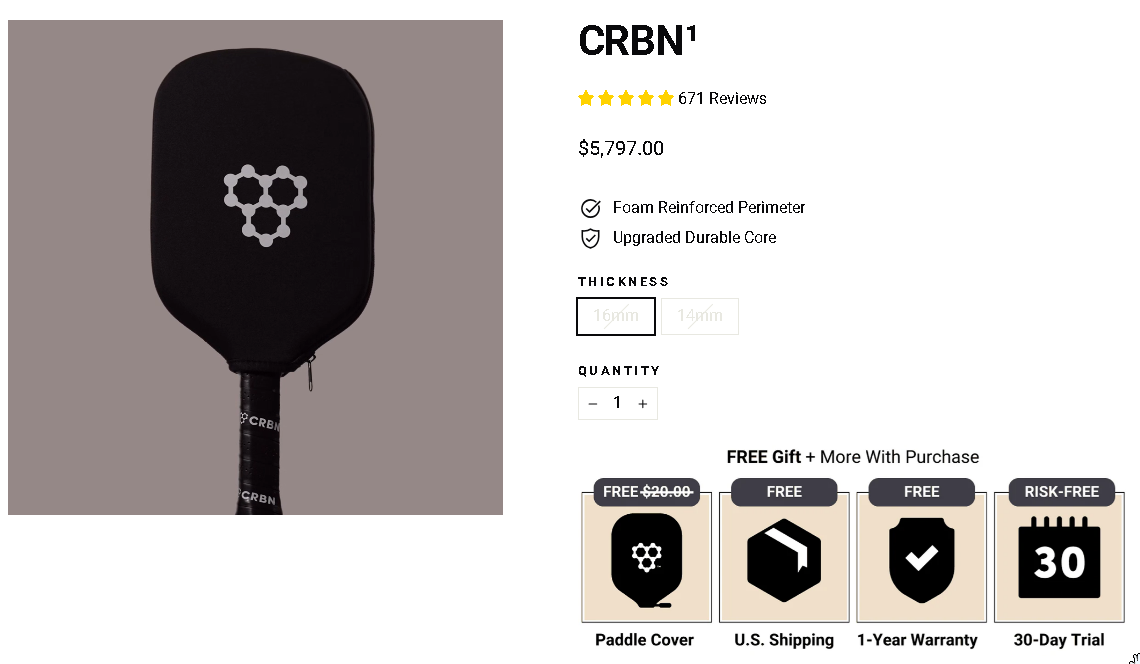
Benchmark current competitors first. Paddles pack easily, yet flaws in weight, surface, grip, or stated performance make returns costly. Price the paddle against current offers, play-test a sample, and add any damage and ad cost to the record.
15. Ultralight camping tents
An ultralight tent combines a wide example price gap with a costly return profile. Campers may pay more for low packed weight and clear waterproofing data. Large packs, bad weather results, missing parts, and seasonal demand all raise the risk.
At the high end, Do Dropshipping pairs a $76 example cost with a $399 sale price.

The sample should survive setup and a controlled water test before launch. Close the screen by checking packed size, weight, warranty terms, return costs, and failed seams.
Run the Margin Reality Check
Only candidates with four passing records reach testing.
Work through these checks,
- Record demand in a market and time window.
- Compare the active offers.
- Replace every estimate with current evidence.
- Get the operational terms in writing.
Complete each record before a candidate reaches a paid test. A missing record sends it back to research.
1. Record demand in a market and time window
Fix the market and time span for each demand record. Choose a country and set dates.
Google Trends scores relative search interest from 0 to 100. Sales volume remains outside that score. Repeat the same term, market, category, and period when you check again.
Our product research workflow shows how to add dated product records.
Look for activity across several sellers. One viral listing is weak proof.
2. Compare the active offers
Compare the item with direct rivals and close substitutes. Search the item, its problem, and nearby options.
Capture price, bundle contents, shipping promise, review themes, and sales angle.
Then name a clear reason to choose your offer. Place that reason beside the closest rival.
The trend-discovery process separates a steady pattern from a short spike.
3. Replace every estimate with current evidence
Current product and shop records should supersede the source ranges.
Open Product Library to research the shortlist.
Set price, sales, revenue, image, and variant filters. Add the date beside each useful record.
A stable record is more useful than one exciting screen. Collect at least two dates before judging the pattern.
4. Get the operational terms in writing
Get shipping, return, and defect terms in writing.
Ask the supplier to confirm,
- Item price and shipping by market
- Handling time and packed size
- Tracking method and delivery estimate
- Return address and defect policy
- Replacement terms and missing-part process
Order a sample through the same route a customer would use. Note its delivery time and every defect.
The CPSC business-education library is the starting point for product-safety checks.
Read the FTC marketing guidance before writing performance, material, health, or green claims.
Remove any claim that lacks supplier proof. File the supplier evidence beside the listing draft.
Finish with our winning-product checklist before setting the test budget.
Define the test budget, order target, time window, and stop rule before launch. Stop when the first stated limit is reached.
Keep a margin model for every candidate
Apply one margin model to every candidate.
The model shows where the cash from a delivered order goes. Hold every item to the same rules.
Omitted shipping or refund costs can make the contribution margin negative.
The model subtracts these costs,
Revenue
- discounts
- product cost
- supplier shipping and duties
- payment and platform fees
- expected refunds and replacements
- customer acquisition cost
= contribution after acquisition
Create three cases,
- Expected: Use the current quote and your planned ad cost.
- Worse: Add one full refund with unrecovered fulfillment costs.
- Break-even: Find the highest ad cost the order can carry.
If either test makes contribution after ads negative, lower the cost or raise the price.
Link the dated evidence to the candidate in Sales Tracker.
Reject profit that depends on avoidable risk
Reject any item whose gross margin estimate omits a major cost or duty.
A candidate fails when,
- Its packaging hasn't survived a sample shipment.
- Its fit depends on measurements the listing doesn't provide.
- Its sales claim has no supplier proof.
- Its art or branding copies another seller.
- Its battery, plug, or instructions remain unclear.
- It falls outside this article's ordinary product-screening scope.
The proof differs by item,
- A watch needs material, battery, and timekeeping records.
- A lamp needs plug records and a packed sample.
- A tent needs a setup and weather-tested sample.
Without those records, the markup is just an unresolved risk.
Frequently asked questions
What products have the highest profit margins?
Products with low delivered cost and few returns can earn strong margins. They also need a clear reason to buy. The sale price must cover ad costs.
Is a 50% profit margin good for dropshipping?
A 50% item-cost gap is useful when its break-even ad cost stays above the expected ad cost.
Are high-ticket products better than low-cost products?
High-ticket products beat low-cost products when their added revenue covers larger shipping, support, defect, dispute, and return costs. Low-cost products put less cash at risk per order.
How many product candidates should I test?
Move about three candidates into samples and a full margin model. Limiting the screen keeps the proof easy to compare and protects the test budget.
How do I find high-margin products in Dropship?
Narrow the shortlist in Product Library with a workable price range and save dated product records.
Review product and shop activity across several records. Turn each cost guess into a quote. Calculate the cash left after ads before testing.


