

Dropshipping Yoga Products: Validate Before Listing
Compare yoga-product ideas and supplier leads while prioritizing lighter products, sample evidence, fulfillment risk, and specific product claims.
Dropshipping yoga products includes mats, clothing, props, and accessories sold without keeping stock. The supplier ships each order, while the store answers for what the customer receives.
I've run an apparel store with print-on-demand fulfillment. That taught me to check production, shipping, and returns before making a promise.
Use this guide to compare product ideas, supplier leads, and whether each deserves a small test.
Key takeaways
Start with these checks,
- Give yoga-product candidates 14 days for supplier and sample checks.
- Compare two lighter starters, straps and socks, before mats or apparel.
- Treat every marketplace or wholesale page as one supplier lead.
- Reject three risk groups first, including bulky, heavy, and claim-sensitive products.
- Review yoga-product candidates after 30 days.
Check yoga candidates before supplier outreach when you filter yoga products in Product Library by price, sales, revenue, images, and variants.
What makes yoga products worth testing?
A yoga product is worth testing when it solves a clear problem and passes your shipping, return, and risk checks. Confirm the supplier, product details, landed cost, delivery promise, and return route before publishing the listing. A broad yoga category can suggest an idea, but it cannot prove that one offer will work for a buyer.
A focused store can solve one buyer problem. That might be carrying a mat to class or getting better grip from socks. A custom mat buyer may want a gift.
A clear focus makes the offer easier to explain. Add related products after a test order arrives inside the promised range and the return path is documented.
Treat old trend charts, marketplace ranks, and other stores' ads as leads. Record what you observed and the date. State what the observation still doesn't prove.
That demand signal helps you choose which product to inspect first.
Shortlist Yoga Products
Start with products whose quality and delivery promise you can inspect. These six ideas give you different customer needs and failure points to compare.
Find winning products with the checks below.
Compare these six candidates,
- Custom yoga mat: check the buyer, print, wear, size, and return terms.
- Yoga mat bag or holder: match the bag measurements to listed mats.
- Balance board, cushion, or rocker board: price size, weight, and claim risk.
- Yoga straps and bands: inspect material, seams, hardware, and variant accuracy.
- Yoga pants or leggings: test fit, opacity, stitching, and washing.
- Yoga socks: check grip, comfort, wash results, and return limits.
Keep each one provisional.
1. Custom yoga mat
A custom yoga mat can work when the design has a clear buyer and the print survives normal use. Check the mat's size, thickness, material, grip, print area, and rolled shipping size. Order from the print provider you plan to use.
Bend, roll, clean, and use the sample before you judge color or print wear. List the defect types and needed photo proof. State the refund, replacement, and change-of-mind rules.

2. Yoga mat bag or holder
A mat bag solves a simple carrying problem, but fit errors can create avoidable returns. Record the inner length and width, closure, strap range, fabric, and cleaning directions. Compare those numbers with the mats named in your listing.
On a sample, load a rolled mat, carry it by the strap, and inspect the seams. Call the bag universal only when your measurements support that wording.
3. Balance board, cushion, or rocker board
Balance products can fit a focused store, but their size makes a bad match cost more. Check dimensions, weight, surface grip, stated capacity, materials, and assembly steps. Use the packed size when you price shipping because product photos don't show parcel volume.
Save the model's specifications, warnings, and test documents. Use only the claims those records support, with no promises about pain, posture, recovery, or injury prevention.

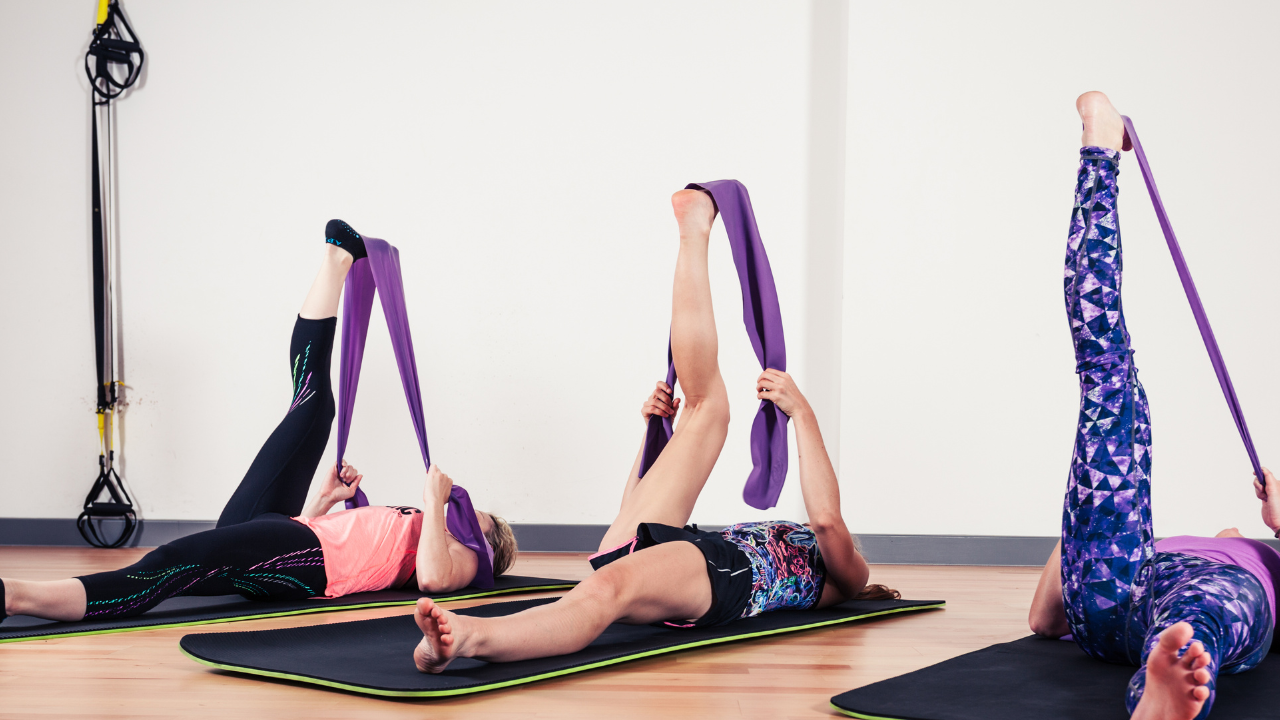
4. Yoga straps and bands
Straps and bands are light to ship, though similar products can have different limits. Record the material, length, width, buckle or loop design, resistance level, and any fiber disclosure. Pull a sample and inspect its seams and hardware.
Make your photos and variant names match the exact item. Use strength, durability, or allergy claims only when the product information supports them.
5. Yoga pants or leggings
Leggings come in many designs and sizes, but fit, opacity, and seam quality can push returns up fast. Get the supplier's garment measurements instead of copying a generic size chart. Sample the main sizes and colors you plan to sell.
Check stretch, stitching, wash results, fabric feel, and opacity in motion. Make the listing photos and fabric details match the item. Set return terms that fit the same expectation.

6. Yoga socks
Yoga socks are compact and easy to explain, but grip and comfort have to hold up after use and washing. Check the size range, fiber content, grip pattern, toe design, care directions, and package condition. Wear and wash a sample before you list it.
Add the cost of opened returns that can't be resold to your model. Show those return terms before checkout.
Which yoga products should you avoid?
Defer products whose packed size, filled weight, or return cost overwhelms a small test. These items need stronger numbers and supplier evidence.
Screen these three products,
- Yoga bolster: price packed volume, fill, cleaning, and return routing.
- Yoga mat storage: confirm assembly, damage protection, and replacement-part terms.
- Pre-filled yoga sandbag: compare shipped weight with an empty-cover option.
Price every weak point first.
1. Yoga bolster
A bolster can become expensive once its packed volume and return route enter the calculation. Get the carton dimensions, fill material, cover details, cleaning instructions, and return address before you list it.
Defer it if one return would erase the profit from several sales.

2. Yoga mat storage
A large mat rack is usually a harder first test than a bag or strap. It may need assembly, damage protection, a studio-sized buyer, and an expensive return route.
Ask for packed dimensions, hardware details, instructions, and replacement-part terms before you consider it.

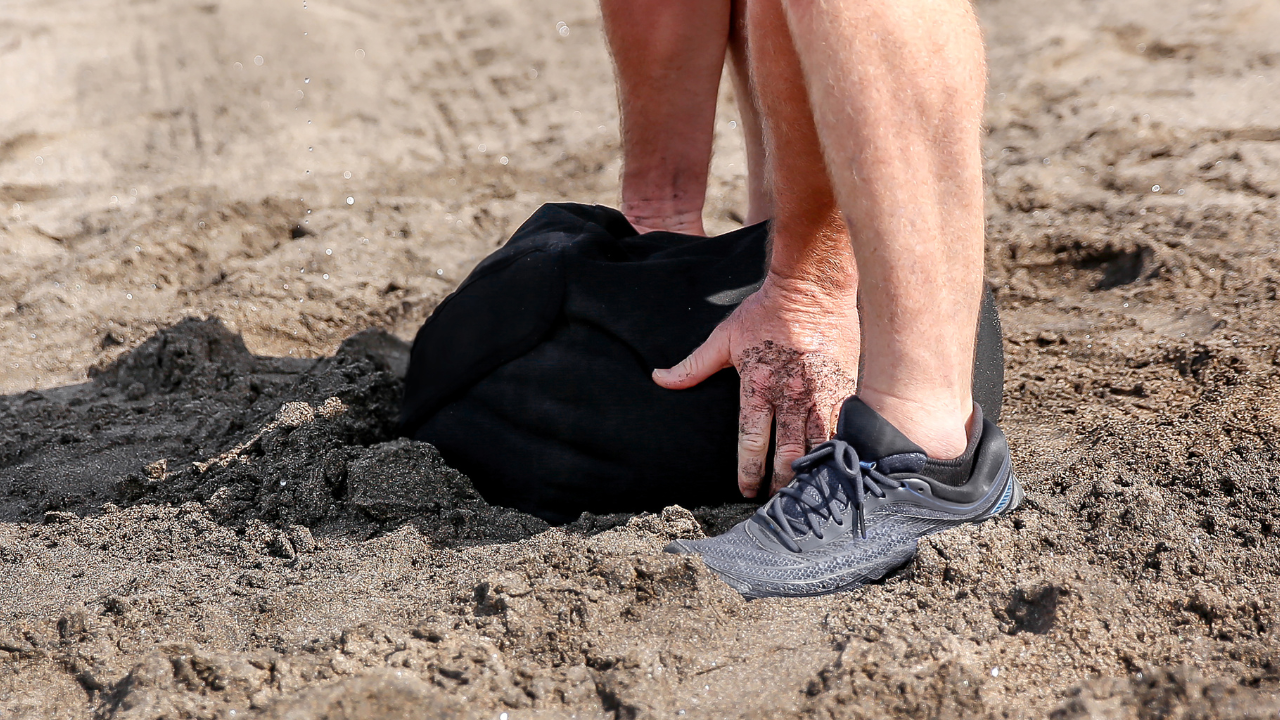
3. Pre-filled yoga sandbag
A pre-filled sandbag adds weight, leak risk, and a costly return to a low-priced item. Compare the shipped weight and packaging with an empty cover that the customer fills at home. Only use the empty-cover idea when the supplier's specifications and your instructions make the product clear.
Check suppliers and fulfillment
Check supplier evidence in the same order so every product goes through the same test.
Build one validation record,
- Identity: confirm the business and exact product first.
- Accuracy: match a sample with the planned listing.
- Economics: price the real route and likely returns.
- Fallback: decide what happens when stock or delivery fails.
Confirm the supplier first.
1. Confirm supplier identity and product documents
Supplier evidence is current information about the exact item and route you plan to sell. Save the business name, contact, product URL, variant, and specifications. Also save the dispatch location, stock method, packaging details, and return address. Add a source and date to every field.
A badge or directory entry can help you find a lead. Place a test order, ask one support question, and save the dated stock and delivery answer.
Use our product research workflow to keep the checks in one order.
Check sample quality and listing accuracy
Order the exact variant from the exact route before you write the final listing. Compare the sample with the supplier's dimensions, material, color, photos, packaging, and care instructions. Photograph differences and ask the supplier to explain them in writing.
Your listing should describe the item that arrived. Treat the best catalog version as unverified until the sample matches it.
Repeat the sample check when you change provider, variant, or warehouse.
3. Calculate landed cost and delivery promise
Landed cost includes the product, shipping, duties, payment costs, and other per-order charges on your actual route. Price that route for the country you will serve. Then add an allowance for refunds, replacements, and reshipping.
Place test orders to that country. Record dispatch and delivery time. Promise the range your test orders support. Treat the supplier's fastest estimate as unverified.
4. Write the return and fallback plan
Decide who pays and what the customer receives before the first order problem. Cover late, damaged, wrong, and missing orders. Record the return address, time window, required evidence, restocking terms, refund path, and replacement process.
Add a fallback for stockouts and supplier silence.
Defer the item when the supplier's terms leave you without a clear customer answer.
A policy screen checks the product, listing, and ad against current source and marketplace rules.
Yoga suppliers and research sources
Printify and Wai Lana publish direct fulfillment options, while Barefoot Yoga, AliExpress sellers, and Omni Gym need more proof.
Dropship.io is for research.
Use each source for one job,
- Printify: review print-on-demand custom mats and the chosen provider.
- Barefoot Yoga: treat wholesale access as a supplier lead.
- AliExpress: check each seller, listing, route, and return address.
- Omni Gym Yoga Swings: confirm current terms before listing aerial gear.
- Wai Lana: verify the published dropship program and manual order flow.
- Dropship.io: compare products and stores before supplier outreach.
Treat each source as a lead.
1. Printify
Printify is a current print-on-demand option for custom yoga mats. The provider behind each listing can change the order experience. Its custom yoga mat page lets you review products and create a sample.
Check the chosen provider's base price, production time, route, print area, and return terms. Order the same provider and design you plan to sell.
2. Barefoot Yoga
Barefoot Yoga currently sells wholesale yoga products. Treat it as a wholesale lead until written terms confirm single-order retail fulfillment. Its wholesale yoga products page can help you review the range.
Ask for written terms before you call it a dropshipping source. Cover individual orders, packing slips, stock updates, minimums, returns, and shipping.
3. AliExpress
AliExpress is a marketplace, so each product and seller needs its own check. Save the exact listing and seller instead of recording only the marketplace name. Order the variant through the route you expect customers to use.
Compare packaging, tracking, delivery time, product accuracy, and the return address. Test a similar item from another seller on its own.
4. Omni Gym Yoga Swings
Omni Gym currently works best as an inquiry lead for aerial yoga equipment. Its official product site is live. Ask the company to confirm current dropship terms in writing before you list anything.
For mounted or suspended gear, ask for exact components, instructions, and product documents. Get shipping limits and return terms too. Treat an old blog mention as unverified.
5. Wai Lana
Wai Lana currently publishes a dropship program page, though the order flow still needs a manual check. The program page describes account approval, emailed orders, warehouse shipping, and return handling.
Confirm the current price, product list, stock feed, order cutoff, shipping regions, and fees. Check its packing slips before you build a listing.
6. Dropship.io
Dropship.io is a product research platform that helps you compare products and stores. Product Library can filter candidates. Shop Library can help you study stores. Sales Tracker can monitor selected stores or products.
Turn those findings into supplier questions about price, shipping route, stock, variants, and returns.
You still need a separate supplier to make, pack, ship, and accept returns for the exact yoga product.
Use our research tools guide when you need to compare research tools.
Screen Yoga Products risks before listing
Stop a product when its name, safety details, claims, or channel fit lack support.
Run three checks,
- IP: check names, logos, artwork, and branded designs.
- Product: match safety and label research to the exact item.
- Promotion: keep claims within your evidence.
Use the results to limit the listing and ads.
1. Screen IP and branded-product exposure
Search every brand name, logo, phrase, and supplied artwork before you use it. The USPTO trademark basics page links to current search and learning resources. Save your search, date, supplier permission, and design source in the record.
Get direct permission for every logo, branded design, character, and product photo you use.
2. Screen safety, claims, and labeling exposure
Match the safety check to the exact product and your role in the sale. Start with the CPSC business education resources. Then find the current guidance for that item.
Ask the supplier for specifications, warnings, and directions. Request test or certificate records for the exact item. Defer it when the right guidance remains unclear.
3. Screen advertising and marketplace limits
Keep health, performance, material, and urgency claims within the proof you have. Compare the final listing and ads with the current FTC marketing guidance and marketplace rules.
Remove claims about pain relief, injury prevention, promised results, false scarcity, and unsupported materials.
Decide before you launch
Use the completed validation record to decide what happens to each product.
Use three outcomes,
- List: all material checks support the current listing.
- Test: the order path works, but demand remains uncertain.
- Reject: a missing or failed check creates too much exposure.
Set the limits before you review new ads.
1. List only when the evidence fields are complete
List a product only when every field is current. Record the supplier, item, route, cost, promise, return path, and risk result. Mark unknown fields as unknown.
Set a review date for anything that can change, including price, stock, shipping time, and program terms.
2. Test with a fixed budget and stop condition
A bounded test limits what you can lose while demand is still uncertain. Set the traffic budget, order count, and time window before launch. Add an acceptable delivery range, return threshold, and supplier failure point.
Use our BEROAS calculator to find your break-even return on ad spend from cost and margin.
3. Recheck current terms before scaling
Repeat the supplier, route, cost, and policy checks before you raise spend or add countries. A clean sample only describes that order. Recheck stock and delivery before you raise spend.
Review support messages and returns for gaps in the listing. Update the listing or stop the product when the same failure repeats.
Use the decision table to keep each product in one lane:
FAQ
Can I dropship yoga products on Shopify?
Yes, you can use Shopify to run the store. Verify the supplier, exact item, shipping route, returns, product information, and claims yourself before you publish it.
Do I need a paid research tool?
You can start without a paid tool by using supplier pages, samples, test orders, and a written cost sheet. Use a research tool for comparison and monitoring, then verify demand and supplier details separately.
Can I use a supplier's product photos?
Use supplier photos only when you have permission and they show the exact item the customer will receive. If permission or accuracy is unclear, ask in writing or create your own photos from the sample.


