

Dropshipping Travel Products: Validate Before Listing
Compare seven travel-product ideas and research sources while evaluating supplier terms, costs, delivery, returns, and product risks.
Dropshipping travel products means selling trip gear that a supplier ships to your customer. Before listing an item, check its demand, supplier terms, cost, delivery, returns, and product risks.
I've sold one-time products through Shopify. I check whether each supplier can deliver what its listing promises.
This guide compares seven products, four supplier sources, and one product-research source. The checks help you choose what to list, test, or reject.
Key takeaways
What makes travel products worth testing?
A travel product is worth testing when it solves a trip problem and passes your checks. Confirm the exact item, supplier terms, landed cost, delivery promise, return route, and product risks before listing it. A useful travel category does not show that one product will survive shipping or meet the buyer's expectation.
Travelers run out of bag space, tangle cables, sleep poorly, or struggle to place a screen. The product also needs to match its listing.
Give the right size, make sure each closure holds, and pack fragile items so they arrive intact.
Where you sell changes what you need to test.
Shipping time, return cost, product rules, and baggage limits vary by location. Old charts and marketplace ranks can give you a lead. Record the signal, date, supplier quote, shipping quote, fees, target price, and estimated margin.
Shortlist Travel Products
Research all seven travel products before you choose one to test. Each has a clear use, along with a risk you can check before committing to it.
Start with these seven products,
- Travel-size bottles: Check seals, materials, and liquid claims.
- Packing cubes: Test zippers, seams, and size claims.
- Folding light-up mirrors: Check hinges, lights, power, and packing.
- Electronics organizer cases: Check what fits, then test padding and closure.
- Phone or tablet holders: Test fit, grip, and mounting limits.
- Camping or travel pillows: Check fabric, cleaning, and packed size.
- Carry-on backpacks: Measure the bag.
Compare all seven on the same evidence fields before you find winning products.
1. Travel-size bottles
Travel-size bottles let buyers pack small amounts of toiletries.

Bottles are easy to show and small enough to bundle. Still, one leak can ruin the rest of an order. Fill every sample, turn it upside down, and inspect the cap, neck, and label.
Before listing the bottles, confirm their size and material. Promise only the liquids, sizes, and travel uses you have verified.
2. Packing cubes
Packing cubes sort clothing and organize space inside a bag.
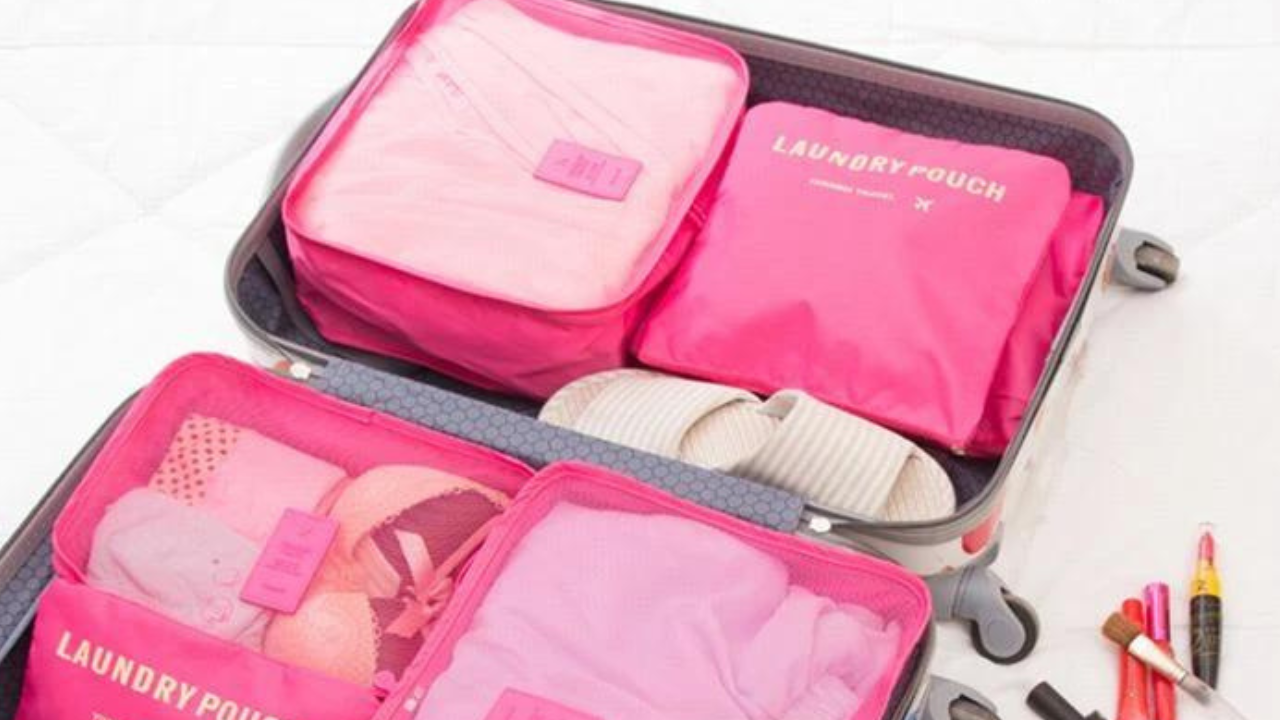
Selling a set creates a clear bundle, though generic designs are easy to compare on price. Load each cube, close it several times, and inspect the zipper, handles, seams, and mesh.
Record both the packed and shipping dimensions.
A light parcel can still cost more if it takes up too much space.
3. Folding light-up mirror
A folding light-up mirror adds built-in light to a small travel mirror.

The built-in light is easy to demonstrate, but it also brings power and breakage risks. Make sure the sample holds its angle, works on each light setting, and arrives without surface damage.
Get supplier proof for any claim about the power source or how the mirror works. The test budget should also allow for expected damage and replacement costs.
4. Electronics organizer case
An electronics organizer case keeps your cables and small gear apart.
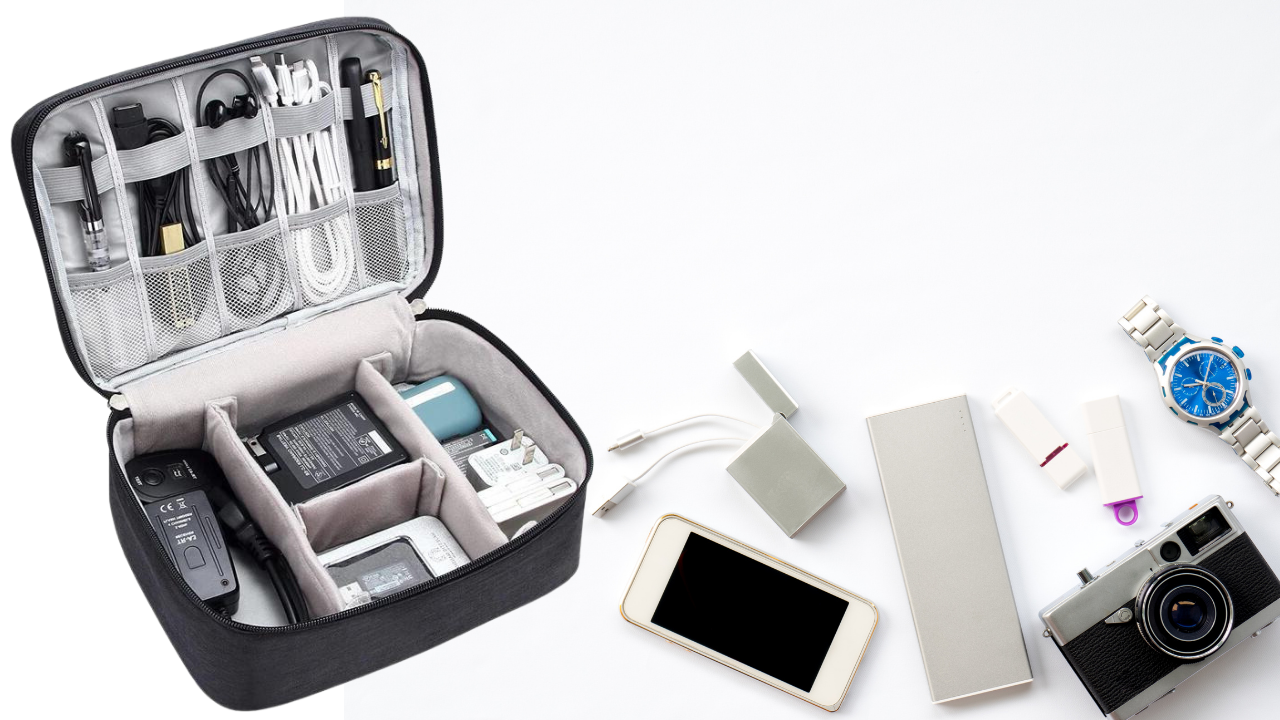
Call it an organizer case so buyers expect a storage case.
Measure the pockets, test the zipper and padding, and note any smell. If you mention water resistance, get proof for that claim too.
Photograph what actually fits instead of relying on a vague capacity claim. One layout may hold cables but leave no room for larger chargers or hard drives.
5. Phone or tablet holder
A phone or tablet holder keeps a traveler's screen in place without using their hands.
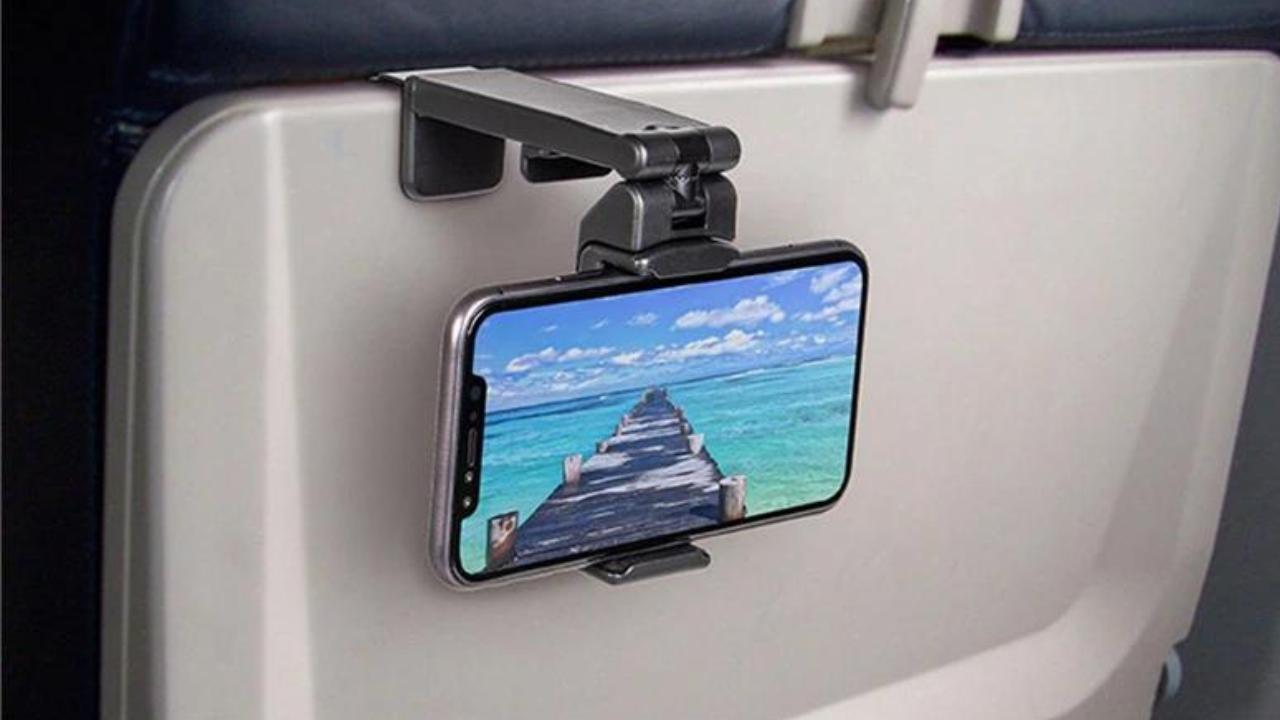
The holder only works if it fits the device and stays in place. Test every device size and mounting point you plan to support. Include the grip, hinge tension, viewing angles, and packed size. Look for marks on the mounting surface as well.
Show only the mounting points you tested. Don't claim it fits every seat, tray, vehicle, or device.
6. Camping or travel pillow
A camping or travel pillow supports a traveler's head and packs into a small space.

Promise only the support, fabric, size, and packed dimensions you can verify. Inspect the fabric, seams, and closure or valve, then time inflation and record the packed size. Note any odor and follow the supplier's wash directions.
If the cover comes off, verify that with the supplier before describing it as easier to wash.
Some buyers may dislike the shape or firmness after opening it. Allow for that return risk.
7. Carry-on backpack
A carry-on backpack combines storage with a bag buyers can wear.
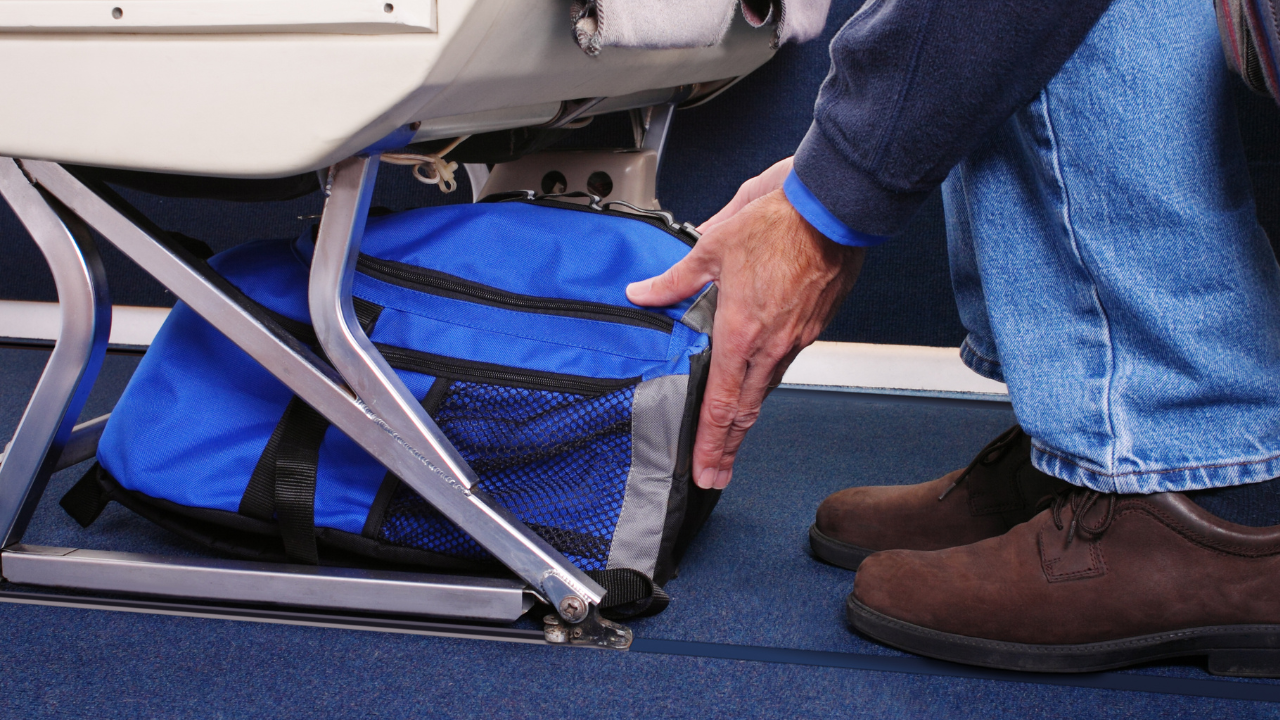
Backpacks may support a higher order value, but they give buyers more details to find fault with. Measure the bag and put weight on the zippers and straps. Then inspect the lining and confirm the shipped parcel size.
Publish exact dimensions and name only the carrier limits you checked. The limits depend on the carrier, route, fare, and current policy.
Check suppliers and fulfillment
Create one Travel Products Validation Record for each product and supplier pair. Use it to keep dated documents, sample notes, written terms, and the facts you observed in one place.
The record has four checks,
- Supplier identity: Tie the right business to its item and dated files.
- Sample and listing accuracy: Compare the product with every claim.
- Cost and delivery: Price the order for your chosen destination.
- Returns and backup: Plan what happens when an order fails.
Together, these checks help you catch weak listings that look good in photos.
1. Confirm supplier identity and product documents
Confirm that each quote and document names the right supplier, item, and variation. Keep the details tied together with this proof,
- Record the legal business name and contact.
- Match the item or SKU to its material and dimensions.
- Note where it starts and which warehouse can ship it.
- Save every document with its date.
Ask which details change with the color, size, batch, or destination. A generic certificate or marketplace badge doesn't prove it applies to your variation.
Do this during your product research workflow, before you finish the listing.
2. Check sample quality and listing accuracy
Order the version you plan to sell, then compare it with the listing. Look at the item, box, instructions, labels, and included parts, and photograph every size and flaw.
If you can't test a claim, cut it or keep the product unlisted. One sample doesn't prove that future units will match.
Ask the supplier for its inspection process, batch identifiers, and the changes that trigger a new sample.
3. Calculate landed cost and delivery promise
Price one route before you set the product price or delivery estimate. Build the landed cost from these charges,
- Add the item price and shipping.
- Add estimated duties and taxes for the route.
- Add payment fees and other per-order costs.
Get a fresh shipping quote for your target location, with dispatch and transit time recorded separately. Your store's delivery promise needs to cover both.
Choose one demand source from our dropshipping research tools guide, then record its date and signal.
Get a supplier quote before you estimate costs.
4. Write the return and fallback plan
Decide who pays, where returns go, and what customers get when an order fails. Ask the supplier to put the return address and time limit in writing. Get its proof rules, refund terms, and replacement steps too.
Compare those terms with the policy you plan to show customers. If an overseas return costs more than the item, add that risk to the test budget.
With the supplier record complete, move the product through this broader listing check,
Five places to research products and suppliers
Use four supplier sources and one product-research tool to find candidates. Verify each seller, item, warehouse, route, and set of terms before listing.
The five sources have different jobs,
- Printify: Find custom print-on-demand travel items.
- AliExpress: Compare sellers and the items they offer.
- Dropship.io: Research product signals before finding a supplier.
- CJdropshipping: Check sourcing and shipping for the exact item.
- Doba: Browse supplier listings and compare terms.
When possible, check more than one source before choosing which candidates deserve a sample.
1. Printify
Printify prints custom travel goods after a buyer places an order. It may suit an offer built around the design without requiring you to hold stock.
The print shop and its location may change by item. Shipping costs and delivery times depend on where the order goes. Check the exact shop and order a sample.
2. AliExpress
AliExpress lets you compare many sellers and product variations in one marketplace. That range helps with early sourcing. A seller's history still can't promise how the next order will go. Check the exact variation and recent feedback. Confirm where the order ships from and how it's tracked.
Save the return address and written replies. Date each saved page because prices, stock, and terms can change.
3. Dropship.io
Use Dropship.io to research products and stores before you contact a supplier. Its tools have three different jobs,
- Product Library: Find and filter current products.
- Sales Tracker: Track the products or stores you pick.
- Shop Library: Study how stores sell the item.
Those signals can help you choose which products deserve supplier research. You'll still need a quote, sample, documents, delivery route, and return plan.
4. CJdropshipping
CJdropshipping can source and ship a specific travel product for you. Ask whether the quoted variation is in the stated warehouse and which shipping line serves your customer. That route matters because stock, cost, and delivery time can change from one warehouse to another.
Before listing the product, confirm its dispatch timing and whether tracking works. Test the packaging and get the return terms too.
5. Doba
Doba is a directory and marketplace with supplier listings for travel goods. The listings can make comparison easier, but each one is only a starting point. Confirm the supplier, item, and stock location before getting the dispatch date, shipping cost, and return terms.
Ask for any missing proof. Reject the product if key facts stay unclear.
Screen Travel Products risks before listing
Screen the product, claim, destination, and sales channel before you list it. A fabric organizer won't need the same proof as a powered mirror.
Run these three screens,
- Rights: Check names, logos, images, and copied product designs.
- Safety and claims: Match current evidence to the product and wording.
- Channel and destination: Check the rules for where you will sell.
Pause any candidate that doesn't pass all three screens.
1. Check IP and trademark exposure
Use your own listing assets and screen branded terms before you publish. If the US is one of your markets, start with USPTO trademark basics. Use that search as an early screen and seek qualified legal advice before relying on clearance.
Remove copied logos, character art, and product photos when you cannot document permission to use them. Also remove any brand relationship you cannot prove.
2. Match safety and advertising evidence
Match your safety proof and ad claims to the exact product. US sellers can use the CPSC Business Education Library to find product-specific safety resources. Then match each benefit and demo to your proof and the FTC advertising guidance.
Cut medical, waterproof, approval, or performance claims you can't support.
3. Check marketplace and destination rules
Read the current seller terms for each market and sales channel you use. Check how the channel treats batteries, liquids, and fragile goods. Review its claim, listing, and return terms.
Before making a size claim, read the current baggage limits. Save the source, access date, market, and decision so you can recheck the terms when they change.
Record the product specification before you list a travel product.
Decide before you launch
Choose list, test, or reject after you complete the validation record. Every candidate needs to pass the checks. The record should also say what would change your decision.
Use these decision states,
- List: Evidence supports the listing and customer promise.
- Test: You still have one demand question worth testing with a fixed budget.
- Reject or recheck: Missing proof makes the product too risky to test.
Make that decision before you pay for creative work or ads.
1. List only when the record supports the promise
List only when your proof supports every storefront claim. The record should name the supplier and product version and date each quote and policy source. Recheck it whenever the item, market, warehouse, or claim changes.
2. Test with a fixed budget and stop condition
Set the test budget and stop condition before you buy traffic. Keep the test focused on one demand question.
Set these numbers before launch,
- Calculate break-even ROAS from product cost, shipping, fees, and selling price.
- Set the maximum ad spend.
- Stop when you reach the limit.
Use our free BEROAS calculator with your current costs before you launch the test.
3. Reject or recheck when evidence changes
Reject a product if a key claim, safety check, delivery promise, or return plan lacks proof. Only recheck it when someone is responsible for getting the missing proof by a set date. Record the reason in one sentence so you can revisit it without repeating the research.
FAQ
How should I store supplier evidence for later rechecks?
Name each file or screenshot with its supplier, SKU, source, and date. Keep a change log so new proof doesn't erase the basis for an earlier decision.
Do I need a paid tool to validate a travel product?
You can validate a travel product with public research, supplier terms, route-specific quotes, and samples. A paid tool can speed up discovery, but it cannot finish the supplier and risk checks for you.
How often should I recheck supplier and policy evidence?
Recheck before launch and when the supplier, variation, warehouse, destination, claim, price, route, or sales channel changes. Give any proof that can expire a review date.


