

Dropshipping Business Ideas: Choose a Niche You Can Validate
Compare 11 dropshipping niches and 125 product ideas, then use the Niche-to-Catalog Fit Test to turn one broad idea into an evidence-backed first offer.
This guide breaks 11 dropshipping business ideas into 125 products you can shortlist and validate.
I've sold one-time products through my own Shopify stores. That experience taught me to check how each idea works day to day.
Shipping delays and costly returns can make an idea unprofitable. Poor supplier quality and high acquisition costs can do the same.
Key takeaways
What turns a broad niche idea into a business you can test?
A niche becomes testable when its products serve one buyer and fit one clear offer.
Use these 11 starting points,
- Custom print-on-demand goods
- Activity-specific apparel
- Hair and beauty accessories
- Compact home fitness gear
- Travel organization
- Occasion jewelry and gift accessories
- Pet-owner convenience products
- Non-ingestible wellness routines
- Event and party kits
- Low-waste household swaps
- Small-space home and kitchen essentials
Each section gives you products and a target audience. It also covers positioning, advantages, drawbacks, and checks to run first.
1. Custom print-on-demand goods
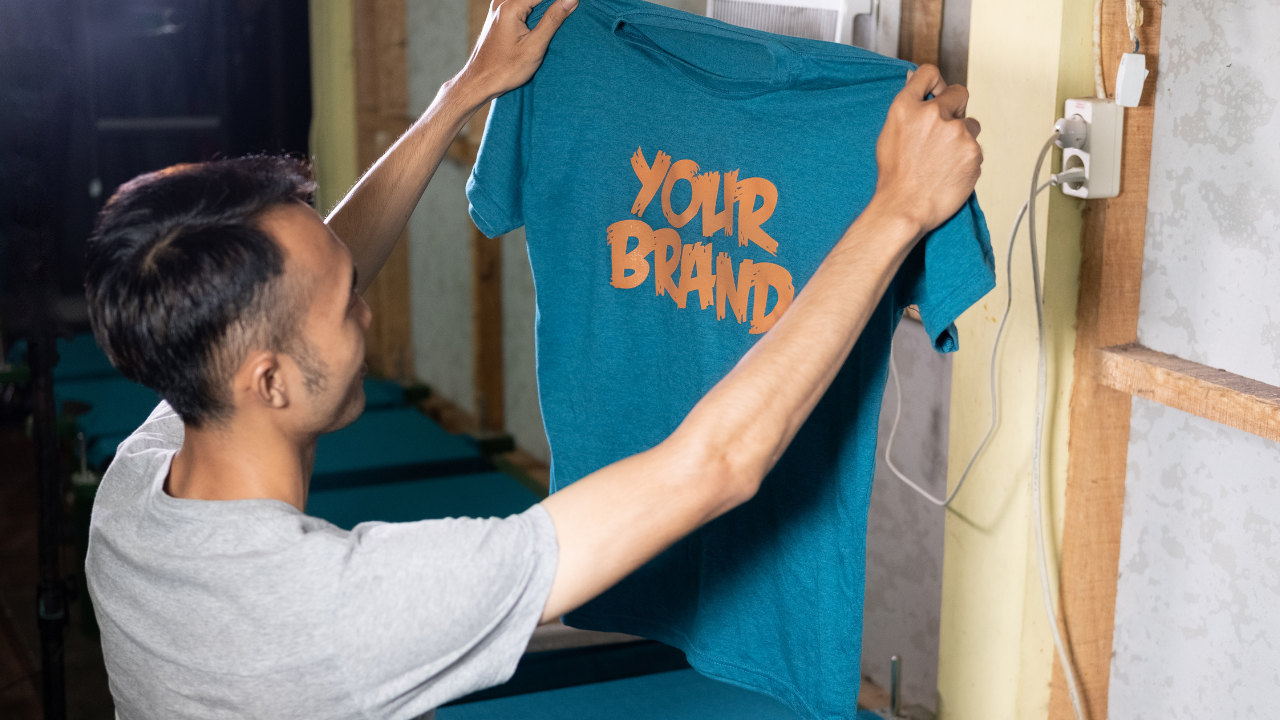
Custom print-on-demand stores put original designs on blank goods that a fulfillment partner prints after each order.
Product examples
Start with blank goods that take a custom print. Options include,
- T-shirts
- Sweatshirts
- Blankets
- Mugs
- Tote bags
- Notebooks
- Phone cases
- Socks
- Pillows
- Tumblers
- Posters
- Puzzles
Audience, positioning, and validation
Assess the idea with these fields,
- Target audience: Hobby communities, local groups, creators, teams, and event buyers.
- Positioning: Use original art for one identity, interest, place, or occasion.
- Advantages: You can test designs without buying finished inventory and extend popular themes to more items.
- Drawbacks: Design quality, print consistency, production time, and personalization errors can weaken the offer.
- Validate first: Test three designs, order samples, compare print color and sizing, and review delivery and return terms.
2. Activity-specific apparel
Activity-specific apparel covers clothes and footwear chosen for a particular use or condition.
Product examples
Build the range around one use or condition. Products include,
- High-waisted yoga leggings
- Poolside recovery slides
- Modest swimwear
- Men's training shorts
- Women's snow boots
- Après-ski knit sweaters
- Packable running jackets
- Platform streetwear sneakers
- Cycling shoes
- Kids' water shoes
- Hiking boots
Audience, positioning, and validation
Assess the idea with these fields,
- Target audience: Buyers in one sport, climate, age group, body need, or style community.
- Positioning: Lead with the problem the garment solves, such as trail grip, warm-up layers, or modest swim coverage.
- Advantages: Apparel supports visual demonstrations, natural cross-sells, and many product extensions.
- Drawbacks: Sizing returns, variant stock, material quality, and seasonal demand add risk.
- Validate first: Sample every core size, audit size charts, read return terms, and compare active offers.
3. Hair and beauty accessories
Hair and beauty accessory stores focus on the tools and wearables used around grooming.

Product examples
Choose tools that fit the same grooming routine. Options include,
- Heatless curling rods
- Wig caps
- Scalp brushes
- Hair towel wraps
- Wig grips
- Heat-resistant gloves
- Hair extensions
- Makeup brush cleaners
- Makeup remover cloths
- Facial rollers
- Perfume atomizers
- Eyelash applicators
- Sleep bonnets
Audience, positioning, and validation
Assess the idea with these fields,
- Target audience: Buyers with a specific hair type, beauty routine, protective style, or travel need.
- Positioning: Build one routine-based kit from closely related beauty items.
- Advantages: These items are often light, easy to demonstrate, and suitable for bundles.
- Drawbacks: Crowded offers, skin-contact quality, material claims, and fit returns can weaken the offer.
- Validate first: Inspect samples, verify materials, remove claims without proof, and compare demonstrations, objections, and review complaints.
4. Compact home fitness gear
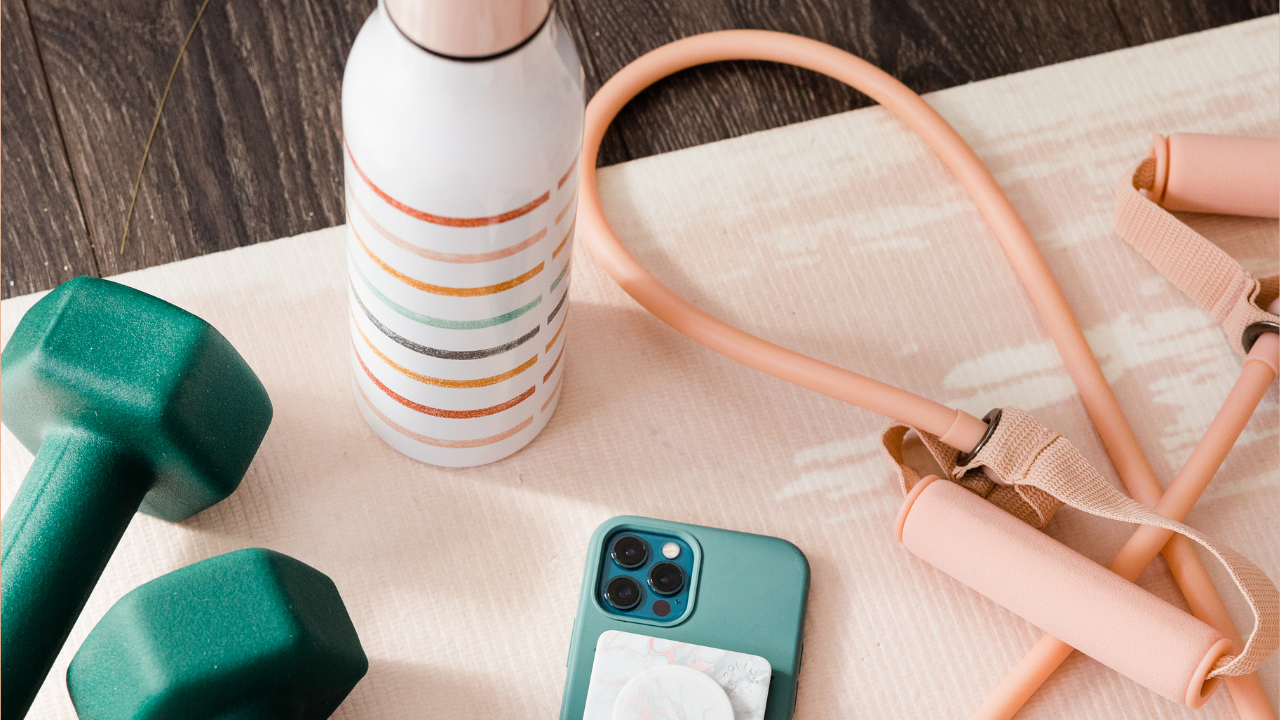
Compact home fitness gear lets customers train with tools that use little floor or storage space.
Product examples
Keep the first range compact and easy to ship. Products include,
- Resistance bands
- Yoga mat straps
- Travel workout kits
- Push-up bars
- Unfilled punching bags
- Knee pads
- Boxing wraps
- Stretch straps
- Grip socks
- Balance boards
- Jump ropes
- Foam rollers
- Gym towels
- Exercise sliders
Audience, positioning, and validation
Assess the idea with these fields,
- Target audience: Apartment users, travelers, beginners, and one-sport communities.
- Positioning: Lead with one starter goal, then bundle the tools and instructions needed for that goal.
- Advantages: The products are easy to demonstrate, bundle, and pair with useful instructional content.
- Drawbacks: Weak instructions, durability failures, safety complaints, and bulky variants create risk.
- Validate first: Load-test samples, review instructions and returns, and record the tests or documents named in the supplier's listing.
5. Travel organization
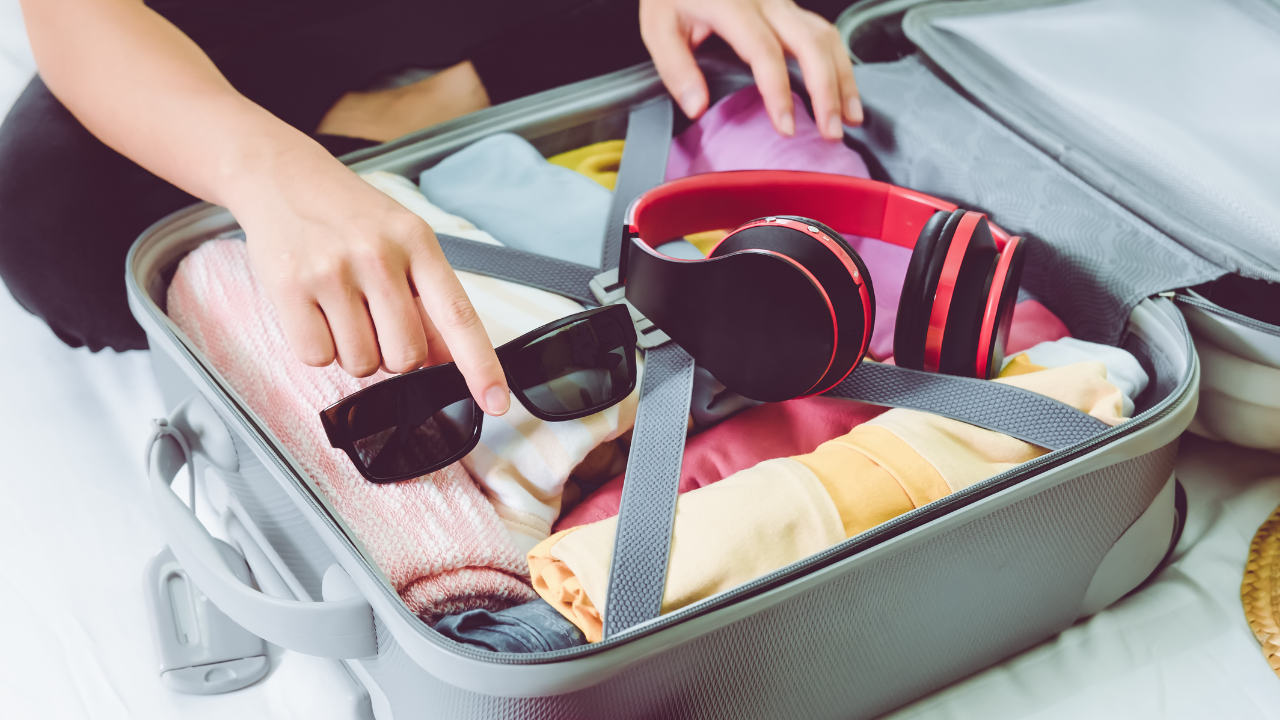
Travel organization stores sell compact products that keep belongings sorted, protected, or easy to reach away from home.
Product examples
Focus on light items that solve packing problems. Options include,
- Packing cubes
- Lighted folding mirrors
- Electronics cases
- Phone holders
- Carry-on backpacks
- Compact umbrellas
- Shoe bags
- Passport covers
- Travel brush sets
- Cord organizers
- Luggage scales
- Luggage straps
Audience, positioning, and validation
Assess the idea with these fields,
- Target audience: Carry-on travelers, road-trippers, families, and frequent business flyers.
- Positioning: Lead with one result, such as faster security checks, protected shoes, or cables that stay sorted.
- Advantages: Small products support bundles and clear before-and-after demonstrations.
- Drawbacks: Commodity competition, zipper failures, dimension errors, and seasonal demand can hurt returns.
- Validate first: Measure samples, test closures, verify weight, and compare shipping cost with competitor bundles.
6. Occasion jewelry and gift accessories
Occasion jewelry stores pair wearable pieces with gift-ready storage, cards, or customization.

Product examples
Pair wearable gifts with storage or customization. Products include,
- Engraved fidget rings
- Zodiac jewelry
- Bridesmaid earrings
- Birthstone jewelry-making kits
- Travel jewelry cases
- Personalized jewelry trays
Audience, positioning, and validation
Assess the idea with these fields,
- Target audience: Wedding parties, gift buyers, hobbyists, travelers, and interest communities.
- Positioning: Lead with the recipient and delivery date, then offer matching storage or a message card.
- Advantages: People often buy jewelry for emotional occasions, and the products are light to ship.
- Drawbacks: Tarnish, skin irritation, personalization errors, and color mismatch can lead to complaints.
- Validate first: Verify materials, wear-test plating and closures, check personalization, and confirm customization lead times.
7. Pet-owner convenience products
Pet-owner convenience stores sell small tools for routine care, cleanup, transport, and play.
Product examples
Choose items for one recurring pet-care moment. Options include,
- Grooming gloves
- Dog toothbrushes
- Chew-resistant toys
- Washable puppy pads
- Reusable dog diapers
- Cat beds
- Pet hair removers
- Treat pouches
- Soft muzzles
- Travel bowls
- Cat window hammocks
- Tracker collar holders
- Pet costumes
Audience, positioning, and validation
Assess the idea with these fields,
- Target audience: New pet owners, apartment households, travelers, and breed-specific communities.
- Positioning: Choose one owner moment, then bundle compatible sizes and clear use instructions.
- Advantages: Pet routines create useful bundles and clear product demonstrations.
- Drawbacks: Fit errors, chewing risks, safety complaints, crowded categories, and weak materials can cause returns.
- Validate first: Test fit and durability, review complaints, and request the supplier's inspection checklist and latest batch record.
8. Non-ingestible wellness routines
Non-ingestible wellness stores sell accessories used around sleep, hydration, journaling, movement, and mindfulness habits.
Product examples
Keep the range focused on daily-use accessories. Products include,
- Habit journals
- Routine trackers
- Stress coloring books
- Sleep masks
- Hot-and-cold eye masks
- Reusable water bottles
- Massage balls
- Meditation cushions
Audience, positioning, and validation
Assess the idea with these fields,
- Target audience: Students, desk workers, travelers, gift buyers, and routine-focused shoppers.
- Positioning: Name the moment of use, such as winding down or taking a desk break, and bundle only items used then.
- Advantages: The products are giftable, include light options, and support useful content themes.
- Drawbacks: Health-claim risk, low differentiation, skin-contact materials, and uneven quality need attention.
- Validate first: Remove claims without exact product evidence, inspect materials, and sample each item for comfort.
9. Event and party kits
Event and party kits combine decorations and supplies so buyers can prepare one occasion from one order.

Product examples
Build each kit around one event and guest count. Options include,
- Party bags
- Cake toppers
- Guest books
- Photo-booth props
- Bridesmaid proposal boxes
- Decoration bundles
- Tableware bundles
- Reveal-party decor
- Backdrops
- Party lights
Audience, positioning, and validation
Assess the idea with these fields,
- Target audience: Parents, wedding parties, event planners, and do-it-yourself hosts.
- Positioning: Sell by theme and guest count, and show the exact contents on the product page.
- Advantages: People shopping for an occasion can buy coordinated bundles and personalized items together.
- Drawbacks: Hard delivery deadlines, breakage, missing pieces, and seasonal peaks can ruin the event.
- Validate first: Count every component, match colors, test packing, and confirm delivery and replacement plans.
10. Low-waste household swaps
Low-waste household swaps replace a recurring disposable item with a reusable or lower-waste option.
Product examples
Choose swaps with a clear material and use. Products include,
- Bamboo toilet paper
- Reusable cleaning cloths
- Reusable makeup pads
- Metal straws
- Recycled-fiber clothing
- Beeswax wraps
- Reusable sandwich bags
- Compostable cutlery
- Tote bags made from verified recycled fiber
- Refillable beauty containers
- Grow-your-own kits
Audience, positioning, and validation
Assess the idea with these fields,
- Target audience: Low-waste households, students, travelers, and gift buyers.
- Positioning: Focus on one room, routine, material, or verified product attribute.
- Advantages: Products that solve the same low-waste task can share instructions and form a starter bundle.
- Drawbacks: Vague environmental claims, hygiene issues, and weak materials can reduce trust.
- Validate first: Ask for a material specification sheet, test washing and reuse, and match each disposal or environmental claim to current guidance.
11. Small-space home and kitchen essentials
Small-space home and kitchen stores solve storage, prep, or decor needs without taking much room.
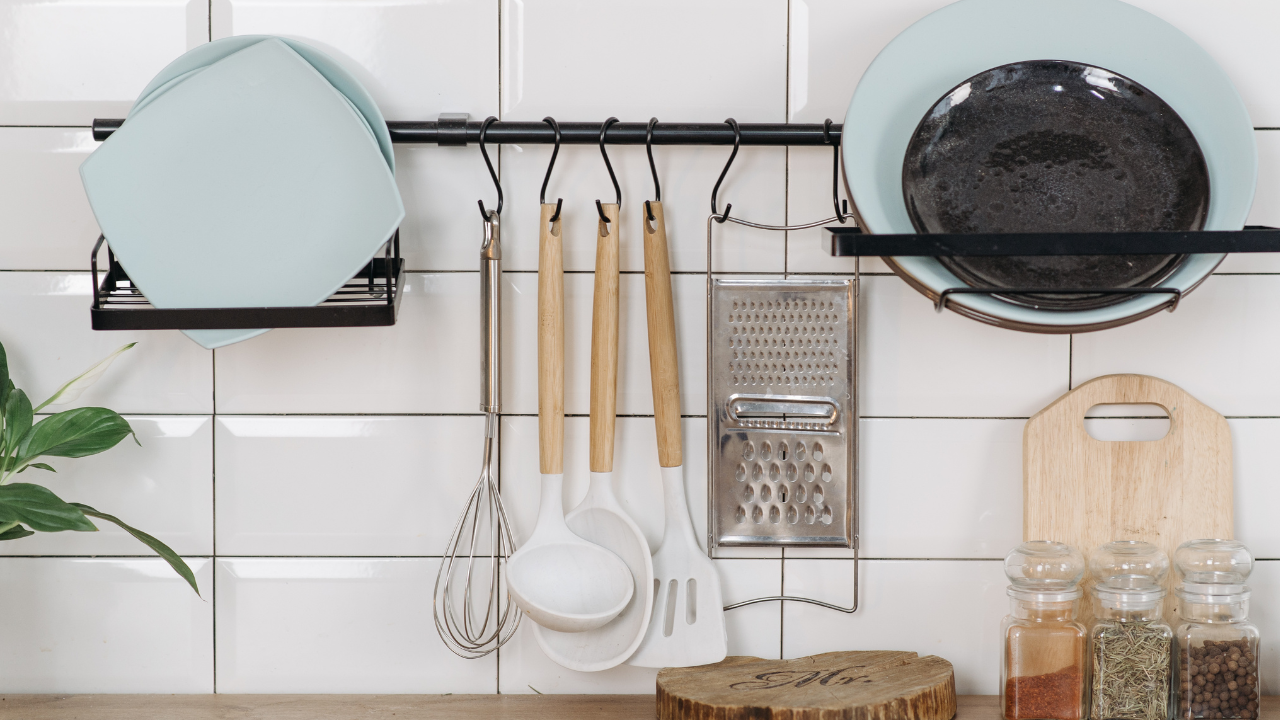
Product examples
Favor compact goods with visible dimensions. Options include,
- Wide smoothie straws
- Small planters
- Bath caddies
- Wall prints
- Washable rugs
- Folding laundry baskets
- Faux plants
- Kitchen scales
- Vegetable slicers
- Measuring sets
- Cutlery sets
- Bamboo utensils
- Food containers
- Fridge organizers
- Travel tumblers
Audience, positioning, and validation
Assess the idea with these fields,
- Target audience: Renters, dorm residents, and small-apartment households.
- Positioning: Organize the catalog by room and show product dimensions in every image and description.
- Advantages: The catalog has many product options, visual demonstrations, and room-based bundles.
- Drawbacks: Dimensional returns, breakage, shipping volume, and generic competition add risk.
- Validate first: Check measurements against the intended shelf, counter, wall, or drawer, test packaging strength, calculate landed cost, and read review complaints.
Run the Niche-to-Catalog Fit Test
Check demand, competition, economics, and fulfillment before funding a candidate.
Follow them in order,
- Demand
- Competition
- Economics
- Fulfillment
Run these checks inside our full product research workflow.
1. Find repeatable demand across the niche
Find repeat sales or steady attention for the exact product in your target market.
Save the same details each time you check,
- Save the exact product and source.
- Note the market and currency.
- Record the time window and pull date.
- Save the query, filters, and metric.
Those saved details make a later comparison possible.
Google Trends samples its data and scales each sample for comparison. Pair it with a current product-sales or shop-sales metric. Save the same market and pull date.
Use that chart for trend discovery.
Repeat the same saved query on a second pull date. Your result will also depend on your supplier, creative, price, and service.
Use our best dropshipping products guide to compare sales and margins across the shortlist.
2. Map the competitors and the gap they leave
Buyers need one clear reason to choose your offer, and your supplier must be able to deliver it.
Review Shop Library, active stores, product pages, ads, and reviews. Note what buyers can already choose.
Save these comparisons,
- Audience: Note who each store addresses and which problem it names.
- Offer: Compare the product, bundle, price, delivery, and return promise.
- Creative: Record the demonstrations, objections, and recurring hooks you see.
- Gap: Choose one difference you can prove through product or service.
Choose one saved gap and write it into the offer. Use a tighter audience, better bundle, clearer demonstration, or more reliable delivery term.
3. Price the first offer before building the catalog
Price the complete first order before you commit to a wider catalog.
A product's landed cost is its full cost at the customer's door.
Record the full order cost, including selling and aftercare costs,
- Product: Record the exact variant, packaging, and custom quote.
- Delivery: Add shipping, insurance, duties, taxes, and handling when needed.
- Selling: Add payment, platform, creative, and advertising costs.
- Aftercare: Leave room for refunds, replacements, and return postage.
- Test cap: Set the cash amount you can lose before launch.
That total is the minimum cost your first-order margin must cover.
Calculate the full margin with our high-margin products guide.
Run the complete cost through our BEROAS calculator before setting a paid-test target.
4. Confirm suppliers can support the niche promise
Get written supplier proof for every promise on the product page.
Check the exact item and shipping route. Review the return process too.
Confirm these details before launch,
- Sample: Check materials, size, finish, packaging, and instructions yourself.
- Dispatch: Record processing time, shipping window, tracking, and target market.
- Returns: Document the address, deadline, item condition, and who pays postage.
- Documents: Request the test reports, certificates, and product evidence the supplier lists for the exact item.
A sample checks whether the listing matches the item, while later shipments may still vary in quality.
Turn the niche hypothesis into a decision record
Only fund a test after you record what is verified, what is estimated, and which risks remain.
The record uses six fields. Each field needs a saved answer.
Use the table below:
Use this record to find winning products and keep the proof with each candidate.
Add each final candidate to Sales Tracker so you can review the same store over time.
Rule out ideas with no supportable first offer
Reject a candidate when a remaining risk could cause an order to fail.
Use the category risks above as final rejection rules,
- Sizing and fit: Check that apparel, jewelry, and pet accessories have clear measurements.
- Wear and breakage: Reject samples that fail stitching, zipper, coating, wash, or load checks.
- Timing: Require party and travel products to arrive before the buyer's deadline.
- Proof: Require current evidence for every health, safety, performance, or environmental claim.
- Cash: Require enough margin to pay for traffic and refunds.
For United States product checks, use the CPSC business library, which sorts guidance by category.
Use the FTC advertising hub to check health and green claims, endorsements, and online ads.
Take each unresolved question to a product-compliance specialist. Name the exact item and market. Ask which tests or documents apply.
Pause the idea until you have proof. Narrow any promise beyond the supplier's written terms.
You can also choose another product.
When you document the shortlist, you can compare the evidence for each candidate. Each one has a buyer and position. It also has a supplier question and next step with clear limits.
FAQ
Should you choose a niche or product first?
Choose the niche first because it defines the buyer, problem, and offer. Then choose one product within that niche.
How many products should a niche test include?
Test three related candidates because a large catalog adds supplier and return work.
Fund the one with the clearest proof and an offer the supplier can fulfill.
When is a business idea too broad to launch?
A launch-ready idea names one buyer, first product, position, and supplier-backed promise.
Narrow the buyer or occasion until every choice is specific.


